How To
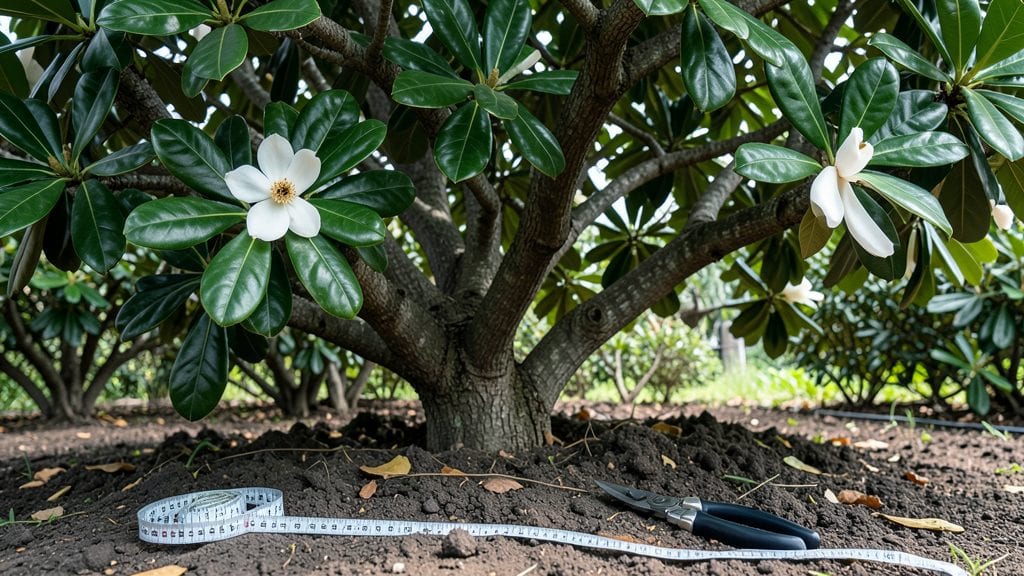
Wondering how tall does a magnolia tree grow? The answer varies widely—from a compact 8 feet to a grand 120 feet, depending on the variety you plant.
Picture this: a Southern magnolia 🌸 stretching toward your roofline, its glossy leaves casting cool shade on summer afternoons—or a dwarf star magnolia that fits neatly in a small courtyard. The difference between these giants and miniatures comes down to species, soil, and a little patience.
If you’re planting in Zone 6a, your spring window of March to April is the perfect time to get started, but not all magnolias thrive equally. Some bolt upward in their first decade, while others take 20 years to reach half their mature height.
Knowing which one fits your space—and your long-term vision—saves headaches down the road.
Below, I’ll break down the height ranges by species, how to control growth in tight spaces, and the one pruning trick that keeps even the tallest magnolias from becoming unruly. Ready to pick the perfect tree for your yard?


Magnolia tree height by species: from dwarf to giant varieties
Magnolias are iconic for their fragrant blooms and glossy foliage, but their mature height varies dramatically by species. Some stay compact enough for small yards, while others become towering giants that dominate the landscape.
Choosing the right variety ensures your magnolia fits perfectly—whether you want a privacy screen or a focal point in your garden.
Below, I’ve organized popular magnolia species by height, from dwarf varieties under 15 feet to giant specimens exceeding 100 feet. Each type has unique care needs, so I’ve included growth zone preferences and spacing recommendations to help you visualize their impact before planting.
🌸