Planting
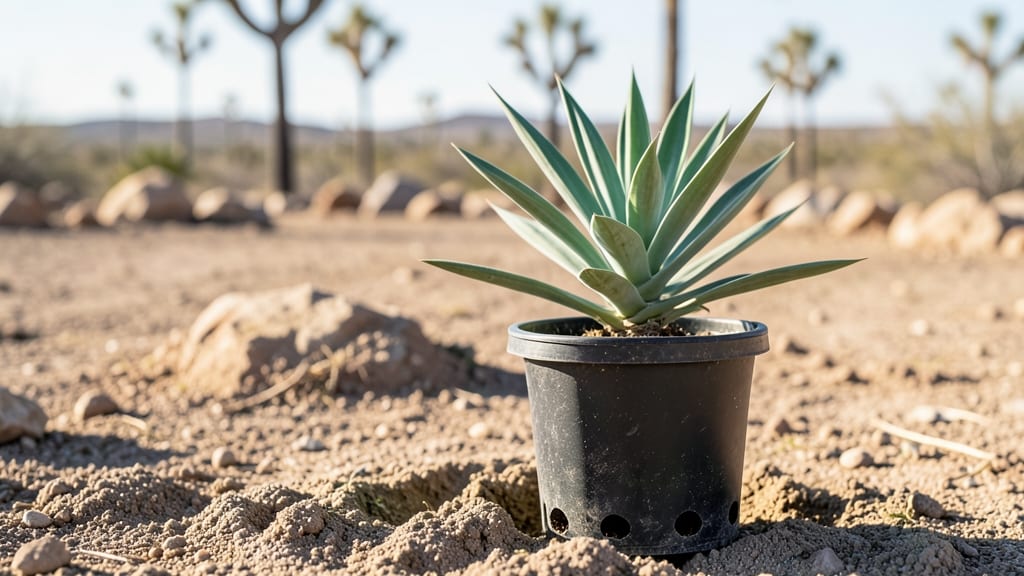
Planting Joshua tree seeds unlocks a piece of the Mojave Desert in your own backyard. 🌵 These iconic succulents take patience—some seeds need two years just to sprout—but the reward is a striking, drought-resistant plant that thrives where others fail.
I’ve learned the hard way that rushing this process leads to disappointment, so let’s start with the right conditions.
The secret lies in mimicking their native environment: well-draining soil, minimal water, and plenty of sunlight. You’ll need a shallow tray or pots with cactus/succulent mix, a spray bottle for gentle watering, and a warm, sunny spot (or grow light) to keep temperatures between 70-80°F during the day.
Overwatering is the #1 killer—these seeds rot faster than they germinate.
Once sprouted, those first tiny leaves will feel like a miracle after months of waiting. 🌱 They’ll grow slowly at first, but with consistent neglect (drought tolerance is real), they’ll develop into a sturdy, spiky beauty.
Expect your first blooms in 5-10 years—worth every drop of patience for a desert icon that stands out in any landscape.
This method works for containers or ground planting, though seedlings need protection from pests and harsh winds. Whether you’re in a true desert climate or just dreaming of one, these steps will give your Joshua tree the best possible start. Let’s get those seeds in the ground!
📚 In This Guide
- What you need
- Instructions
- Tips and common mistakes
- Wrapping up and next steps
What you need
- ● Joshua Tree seeds – 5–10 seeds (collect fresh or purchase from a reputable supplier).
- ● Well-draining cactus/succulent soil mix – 2–3 gallons (avoid heavy garden soil; opt for a blend with perlite, pumice, or coarse sand).
- ● Small pots or seed trays – 3–4 inch diameter (one per seedling or shared tray with drainage holes).
- ● Drainage layer – Small pebbles, coarse sand, or pumice (1–2 inches at the bottom of pots).
- ● Spray bottle – For gentle watering (avoid soaking!).
- ● Clear plastic wrap or humidity dome – To retain moisture during germination.
- ● Bright, indirect sunlight – A south-facing windowsill or grow light (12–14 hours/day).
- ● Patience and a dry sense of humor – Germination can take months (or even years!).
- ● Seed germination accelerator – Like Gibberellic Acid (follow label instructions for cacti/succulents).
- ● Heating mat – Set to 70–80°F (21–27°C) to speed up germination.
- ● Fertilizer – Diluted cactus fertilizer (use sparingly, only after sprouts appear).
- ● Label markers – To track planting dates (trust us, you’ll forget!).
- ● Outdoor hardening space – A sheltered, sunny spot for young seedlings before transplanting.
Step-by-step guide to growing Joshua Tree seeds
Here's how to coax these iconic desert survivors into life—with patience and precision.
🌱 Step 1: Stratify Seeds for Germination
Joshua tree seeds (Yucca brevifolia) need a cold period to break dormancy. Place seeds in a sealed container with a damp paper towel, then refrigerate for 6-8 weeks at 35-40°F. Check weekly—if the towel dries, mist it lightly. This mimics winter's chill, which triggers germination. Real talk: Skipping this step means seeds may never sprout.
After stratification, soak seeds for 24 hours in lukewarm water to soften the tough outer shell. You'll see tiny cracks form—this is your cue they're ready. I like to label the container with the date to track progress. If seeds float, they're likely empty; discard them immediately.
☀️ Step 2: Prepare Containers and Soil Mix
Use 4-inch pots filled with a 50/50 mix of cactus/succulent soil and coarse sand (or perlite). This ensures drainage—Joshua trees despise soggy roots. I add a handful of pumice to each pot to mimic desert grit. Moisten the mix until damp but not wet; squeeze a handful—it should hold shape without dripping.
Plant 1-2 seeds per pot at a depth of ¼ inch, pressing lightly but not compacting. Overwatering now buries seeds too deep, slowing germination. Place pots in a warm, bright spot (70-75°F) with indirect light—direct sun can overheat the soil. A seedling heat mat helps maintain consistent warmth.
💧 Step 3: Water and Monitor for Sprouts
Keep the soil barely moist—never soggy. Mist the surface every 3-4 days or when the top ½ inch feels dry. Joshua tree seedlings are delicate; overwatering causes rot. You'll know moisture is right when the soil surface looks slightly damp but not glistening. A spray bottle works best—it delivers gentle, even watering.
Germination takes 4-12 weeks, depending on seed viability and conditions. Watch for tiny green tips breaking through the soil—this is your signal to reduce watering further. Once sprouts appear, move pots to a south-facing window or under a grow light for 12-14 hours daily. Leggy seedlings mean light is insufficient; adjust immediately.
🌿 Step 4: Transplant and Harden Off
After 3-4 months, when seedlings reach 3-4 inches tall, transplant to 6-inch pots with the same soil mix. Gently remove the seedling, keeping the root ball intact—Joshua trees resent root disturbance. Water lightly after transplanting to settle the soil. Place pots in partial shade for 1 week to reduce stress.
Harden off seedlings over 2-3 weeks by gradually increasing sun exposure. Start with 1 hour daily in morning sun, then extend to full sun by week 3. You'll see leaves thicken and darken—this confirms they're adapting. Avoid transplanting outdoors until temperatures stay above 50°F nightly; Joshua trees are frost-sensitive even as adults.
Tips & tricks for planting Joshua Tree seeds
Here's what nobody tells you about growing these desert icons—tricks that'll make all the difference between success and frustration.
Stratification Secret: The 6-8 week cold period at 35-40°F isn't just about time—it's about consistency. Place your sealed container on a refrigerator shelf away from the door where temps stay stable. I've seen seeds fail when moved to warmer spots during defrost cycles. Mark your calendar exactly 6 weeks out so you don't accidentally extend beyond 8 weeks, which can trigger premature germination.
Soil Science: That 50/50 mix of cactus soil and sand isn't arbitrary—it mimics the mineral-rich desert floor where Joshua trees thrive. For even better drainage, I add a thin layer of small gravel at the bottom of each 4-inch pot. This prevents compaction and mimics the rocky desert soil structure. When mixing, think "damp sponge" texture—you should be able to squeeze a handful without water dripping through your fingers.
Lighting Strategy: The 12-14 hours of daily light after sprouting is critical, but quality matters more than quantity. Position your seedlings within 12 inches of a south-facing window or grow light. I use LED grow lights on a timer because they emit less heat than fluorescent bulbs, preventing soil overheating. Watch for seedlings leaning toward light—this means you need to rotate pots daily for even growth.
Transplant Timing: Waiting until seedlings reach 3-4 inches before transplanting to 6-inch pots gives them enough root strength to handle the move. I've found that using a small spoon to gently loosen the root ball before transferring reduces transplant shock. After moving, place pots in partial shade for that first week—this gradual adjustment prevents sunburn on tender new leaves.
Pro Tips for Plant Joshua Tree Seeds
- Here's what nobody tells you about growing these desert icons—tricks that'll make all the difference between success ...
- Stratification Secret: The 6-8 week cold period at 35-40°F isn't just about time—it's about consistency. Place your s...
- Soil Science: That 50/50 mix of cactus soil and sand isn't arbitrary—it mimics the mineral-rich desert floor where Jo...
Frequently asked questions
Got questions about growing Joshua Tree seeds? You’re not alone—this desert beauty can be tricky! Here are answers to the most common queries to help you succeed.
How long does it take for Joshua Tree seeds to germinate?
Patience is key! Under ideal conditions (consistent moisture, warmth, and shade), germination can take anywhere from 2 weeks to 6 months. Some seeds may even take a year or longer. Keep the soil damp but not soggy, and avoid disturbing them until sprouts appear.
Can I plant Joshua Tree seeds outdoors in winter?
Not ideal! Joshua Trees thrive in hot, arid climates and struggle with cold or frost. Wait until spring or early summer (after the last frost) to plant outdoors. If you must start early, use a greenhouse or indoor setup until temperatures stabilize.
What if my seeds won’t sprout? Troubleshooting tips?
If seeds aren’t germinating, check these fixes:
- Stratification: Some seeds need a cold period—try refrigerating them for 4–6 weeks before planting.
- Soil mix: Use a well-draining cactus/succulent mix (50% perlite or pumice).
- Light: Seeds need bright, indirect light—direct sun can scorch them.
- Patience: Some seeds are dormant for years; don’t give up too soon!
Can I grow a Joshua Tree indoors?
Possible, but challenging! Start seeds indoors in a sunny spot (south-facing window or grow light). Use a small pot with drainage holes, and transition seedlings outdoors only when they’re 2+ years old. Mature trees need desert-like conditions—indoor growth is slow and may not thrive long-term.
Are there easier desert plants to start with?
If Joshua Trees feel too finicky, try these beginner-friendly desert natives:
- Prickly Pear Cactus (Opuntia spp.) – Fast-growing and forgiving.
- Desert Marigold (Baileya multiradiata) – Bright flowers, low maintenance.
- Agave – Dramatic foliage, drought-tolerant.
Wrapping up and next steps
Growing a Joshua Tree from seed is a rewarding journey that connects you to the desert’s resilience and beauty. 🌵 With patience, the right conditions, and a little care, you’ll witness this iconic plant thrive in your own space.
Once your seedlings sprout, consider transplanting them outdoors or sharing them with fellow plant enthusiasts—your desert oasis adventure is just beginning!
🌱 Next Steps:
- Monitor growth and adjust care as needed.
- Join plant communities for tips and inspiration!
- Dream big—your Joshua Tree could one day be a stunning centerpiece.