
How To
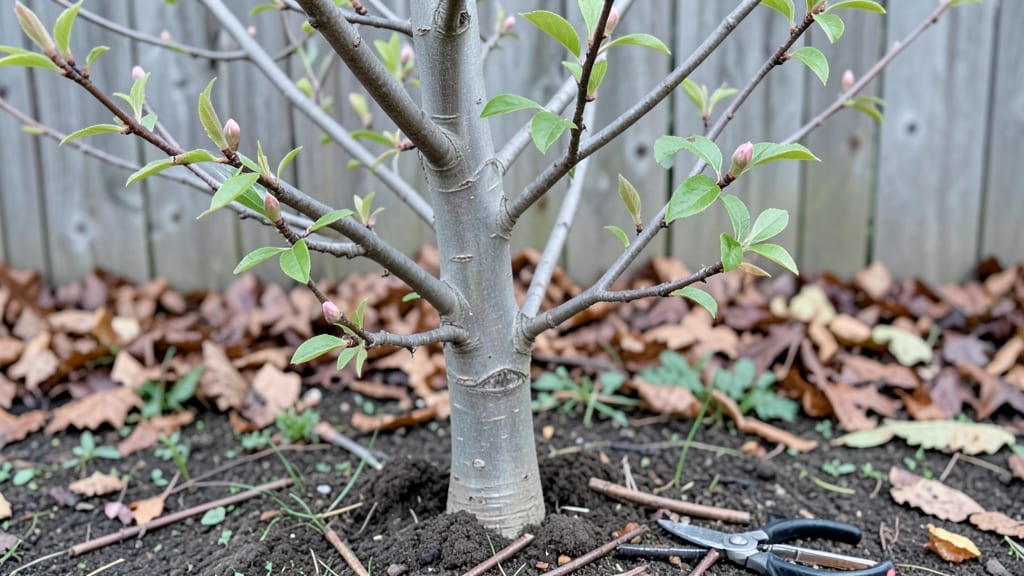
Pruning a peach tree isn’t just about shaping—it’s the secret to bigger harvests and healthier growth. 🌱 I’ve watched my own tree go from sparse branches to bursting with fruit after mastering the right cuts, and the difference is night and day.
The key isn’t just when you prune, but how—and I’ll show you the exact techniques that work, whether you’re a beginner or fine-tuning your skills.
Start with the right tools: sharp pruners, a saw for thicker branches, and rubbing alcohol to sterilize cuts. Late winter, just before buds swell, is prime time, but summer pruning can boost fruit size too.
We’ll cover every cut—from removing dead wood to thinning crowded branches—so your tree focuses energy on producing sweet, juicy peaches instead of struggling with overgrowth.
📚 In This Guide
- What you need
- Instructions
- Tips and common mistakes
- Wrapping up and next steps
What you need
- ● Pruning shears: Bypass pruners (sharp, 6-8 inch blades) for cuts up to ½ inch in diameter. Must be clean and sterilized to prevent disease.
- ● Loppers: Bypass or anvil type (for cuts ½ to 2 inches thick). Look for long-handled (24-36 inches) for reach.
- ● Pruning saw: Curved-tooth saw (for thick branches over 2 inches). Opt for a lightweight, foldable design for portability.
- ● Disinfectant: 70% isopropyl alcohol or bleach solution (1 part bleach to 9 parts water) to sterilize tools between cuts.
- ● Gloves: Heavy-duty, cut-resistant (e.g., leather or reinforced fabric) to protect hands from thorns and rough bark.
- ● Safety gear: Safety glasses (to shield eyes from debris).
- ● Long sleeves/pants (to prevent scratches or cuts).
- ● Tarp or drop cloth: Medium-sized (6x9 feet) to lay under the tree to collect fallen branches and debris.
- ● Rag or paper towels: For wiping tools clean before/after disinfecting.
- ● Pruning sealant: Tree wound paint (controversial but some gardeners use it for larger cuts > ½ inch).
- ● Ladder: Lightweight, extendable (if your tree is over 8 feet tall).
- ● Notebook/pencil: To sketch a simple pruning map of cuts made for future reference.
- ● Tree ties or zip ties: For securing temporary supports if you’re removing large branches.
Step-by-step instructions for pruning a peach tree
Here's the method I use to keep my peach trees healthy, productive, and easy to manage.
✂️ Step 1: Prune in Late Winter for Structure
Start pruning your peach tree in late winter, just as buds begin to swell but before any new growth appears. This timing ensures the tree focuses energy on developing strong branches for the upcoming season. Use sharp, clean pruning shears to make cuts at a 45-degree angle, about ¼ inch above a bud or branch collar.
Remove any dead, diseased, or crossing branches first—they compete with healthy growth and can spread problems. I also cut out any branches growing inward, as these create crowded centers that invite pests and reduce airflow. Aim to open the tree's canopy so light and air reach the center, which prevents fungal issues and encourages fruit production.
☀️ Step 2: Thin Out Overcrowded Branches in Early Spring
Once the tree is in full bloom, switch to thinning branches that are too close together. Look for branches that rub against each other or grow directly upward—these are prime candidates for removal. The goal is to leave 6-8-inch spaces between branches to allow sunlight to penetrate and air to circulate freely.
I focus on keeping the strongest, most vigorous branches while removing weaker ones. You'll know you're on the right track when the tree's structure looks balanced and sunlight can reach the inner branches. Avoid cutting more than 25% of the tree's canopy in one season—this prevents stress and shock.
🌿 Step 3: Light Pruning After Harvest
After the harvest, give your peach tree a lighter pruning session to remove any dead wood, diseased branches, or those that produced fruit. This keeps the tree tidy and helps it recover for next year. I also trim back any suckers—those aggressive shoots growing from the base or trunk—that can drain the tree's energy.
Pay attention to the tree's overall shape. If any branches are growing too long or leggy, cut them back to a lateral branch or bud. This encourages a bushier, more productive tree. Avoid heavy pruning now, as the tree needs time to heal and prepare for dormancy.
⏰ Step 4: Summer Pruning for Airflow and Light
During the growing season, keep an eye out for branches that are blocking sunlight or airflow. Remove any that are growing too close to each other or are shading the center of the tree. This step is all about maintenance—just trim back what’s necessary to keep the tree open and healthy.
I also watch for water sprouts—those fast-growing, vertical shoots that pop up on the trunk or branches. These are energy vampires, so I cut them off as soon as I spot them. Summer pruning is gentle; think of it as giving the tree a little trim to keep it looking its best without stressing it out.
Tips & tricks for pruning a peach tree
These simple tricks will help you keep your peach tree healthy and productive all year long.
Timing is Everything: Late winter pruning is crucial because it allows the tree to heal before spring growth begins. I always check for swollen buds—this is your cue that it's time to prune. If you prune too early, the tree might bleed sap; if you wait too long, you risk encouraging new growth that could be damaged by late frosts.
The 45-Degree Cut: Making cuts at a 45-degree angle just above a bud or branch collar isn't just about looks—it's about health. This angle helps water run off the cut, preventing rot. I also make sure to cut just outside the branch collar (that swollen area where the branch meets the trunk) to promote faster healing and reduce the chance of disease entering the tree.
Don't Over-Prune: The 25% rule is non-negotiable. Removing more than a quarter of the tree's canopy in one season can stress it out and reduce fruit production. I like to think of it as giving the tree a haircut—not a buzz cut. Spread out your pruning over the year, as the instructions suggest, to keep the tree balanced and healthy.
Tool Maintenance: Your pruning shears are your most important tool, so keep them sharp and clean. I sterilize my shears with rubbing alcohol between cuts on different trees to prevent spreading disease. Dull blades tear the bark, which can invite infections. I also oil my shears occasionally to keep them in good working order for years to come.
Pro Tips for Prune Peach Tree
- These simple tricks will help you keep your peach tree healthy and productive all year long.
- Timing is Everything: Late winter pruning is crucial because it allows the tree to heal before spring growth begins.
- The 45-Degree Cut: Making cuts at a 45-degree angle just above a bud or branch collar isn't just about looks—it's about health.
Frequently asked questions
Got questions about pruning your peach tree? You’re not alone! Here are answers to the most common concerns—so you can prune like a pro and keep your tree thriving.
When is the best time to prune a peach tree?
The ideal time is late winter or early spring (just before buds swell), but you can also prune lightly in summer after harvest to improve airflow. Avoid heavy pruning in fall—it can leave wounds vulnerable to disease. For young trees, focus on shaping in winter; for mature trees, spread pruning over dormant and growing seasons.
How much of my peach tree should I cut back?
Never remove more than 25% of the tree’s foliage in one session—this stresses the tree. For young trees, aim for 10-20% removal to encourage strong branching. For mature trees, prioritize dead, crossing, or overcrowded branches first. Thin out suckers (shoots from the base) aggressively to redirect energy to fruit production.
What if I prune at the wrong time?
Pruning at the wrong time (like late fall or during active blooming) can delay fruit production or invite pests/diseases. If you’ve already pruned too late, don’t panic! Focus on sanitizing cuts (use 70% alcohol or bleach water) and applying a fungicide if needed. Next year, time it right—dormant season is your best bet for peach trees.
Will pruning reduce my peach harvest?
Not if done correctly! Pruning increases fruit quality and yield by improving airflow (reducing fungal diseases) and sunlight penetration. Thinning out crowded branches helps the tree allocate energy to larger, sweeter peaches. Just avoid over-pruning—balance is key. A well-pruned tree can produce 20-30% more high-quality fruit!
Can I prune a peach tree without shears?
While hand-pruning is possible for small branches, bypass pruners or a sharp saw are essential for clean cuts. For large limbs, use a pruning saw—never tear branches, as jagged cuts invite disease. If you’re short on tools, start with dead or low-hanging branches you can snap off by hand, but invest in proper tools for long-term care.
Wrapping up and next steps
Pruning your peach tree might seem like a big task, but with the right tools, timing, and techniques, you’ll be well on your way to a healthier tree and a bountiful harvest! 🌱 Remember, consistency is key—whether you’re shaping young branches or maintaining an established tree, each cut helps improve airflow, sunlight exposure, and fruit production.
Start small if you’re new, and don’t hesitate to revisit your tree throughout the year for ongoing care.
Now that you’re armed with knowledge, grab those pruners and get to work! If you’re eager to take your peach-growing skills further, consider exploring seasonal care tips or pest management strategies to keep your tree thriving year-round. Happy pruning—your future peach pies will thank you! 🍑🍴