
How To
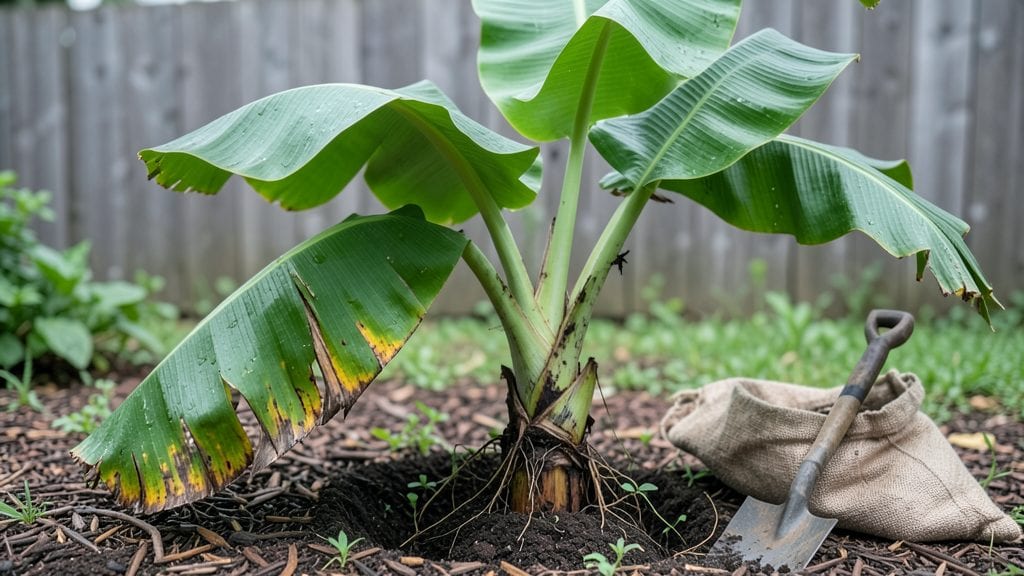
Transplanting a banana tree feels like moving a giant houseplant, but the right timing and care make it surprisingly straightforward. 🌱 I’ve moved mine twice—once from a pot to the ground and again to a sunnier spot—and each time, the plant bounced back stronger than before.
The key is doing it when the roots are established but before the heat of summer hits, usually in early spring or late fall when temperatures are mild.
Start by gathering your tools: a shovel, pruners, burlap (to protect the roots), and a wheelbarrow for moving soil. Banana trees need rich, well-draining soil mixed with compost, and a spot with full sun—at least 6 hours a day.
If you’re moving it outdoors, dig a hole twice as wide as the root ball and amend the native soil to mimic the conditions it’s used to. For indoor-to-outdoor moves, harden off the plant gradually to avoid shock.
📚 In This Guide
- What you need
- Instructions
- Tips and common mistakes
- Wrapping up and next steps
What you need
- ● Banana tree (Musa spp.) – Choose a healthy, mature plant (3+ years old) with a well-developed root system. Pro tip: Avoid transplanting during fruiting or flowering seasons!
- ● Shovel or spade – A sharp, wide-bladed spade (18–24 inches long) for digging around the roots without damaging them.
- ● Pruning shears or handsaw – To trim overgrown or damaged roots (sterilize blades with rubbing alcohol first!).
- ● Garden gloves – Heavy-duty, cut-resistant gloves to protect your hands from sharp roots and sap.
- ● Wheelbarrow or tarp – For transporting soil and the root ball (at least 3–4 cubic feet capacity).
- ● New planting hole – Dig a hole twice as wide and slightly deeper than the root ball (aim for 18–24 inches deep).
- ● Well-draining soil mix – Combine: 60% topsoil (rich in organic matter)
- ● 30% compost or aged manure (for nutrients)
- ● 10% perlite or coarse sand (to prevent waterlogging)
- ○ Mulch (optional but recommended) – 3–4 inches of organic mulch (straw, wood chips, or pine bark) to retain moisture and regulate temperature.
- ● Support stake or trellis – A 5–6 foot tall bamboo or metal stake to secure the tree if it’s top-heavy or in windy areas.
- ● Watering can or hose with a gentle spray nozzle – For deep watering (aim for 1–2 gallons per week post-transplant).
- ● Root stimulator – A natural or synthetic rooting hormone (like mycorrhizal fungi or seaweed extract) to boost regrowth.
- ● Epsom salt (magnesium sulfate) – 1 tablespoon per gallon of water for a post-transplant nutrient boost.
- ● Anti-transplant shock spray – Products like Sea90 or Transplant Shock Out to reduce stress.
- ● Shade cloth (30–50%) – Temporary light shade for the first 2–3 weeks to reduce stress.
Step-by-Step instructions for transplanting a banana tree
Here’s how I’ve successfully moved banana trees without shock or stress—key is timing and care.
🌱 Step 1: Choose the Right Time and Prepare the New Location
Transplant during the early rainy season or when your banana tree is dormant (late fall to early spring). Avoid extreme heat or frost—roots need time to establish before stress hits. Pick a spot with full sun (6+ hours daily) and well-draining soil (bananas hate soggy feet). If your soil is heavy clay, amend with 3-4 inches of compost mixed into the top 12 inches of soil.
Dig a hole twice as wide as the root ball but only as deep as the container’s drainage holes. This prevents burying the stem too deep, which causes rot. Loosen the sides of the hole with a shovel to encourage root spread into the surrounding soil. Water the hole deeply 24 hours before transplanting—this helps settle the soil and reduces shock later.
🪴 Step 2: Carefully Remove the Banana Tree from Its Current Pot
Water the banana tree thoroughly 1-2 days before moving to reduce root damage. Gently tap the sides of the pot to loosen the root ball, then grasp the base of the stem and tilt the pot sideways while pulling upward. If roots are circling tightly (a common issue), score the root ball with a knife to encourage outward growth. This prevents girdling as the plant matures.
Inspect the roots for rot or pests—trim any mushy, dark sections with clean pruners. Healthy roots should be cream-colored or tan. If the root ball is too large to handle, split it into smaller sections (each with a shoot) and replant separately. This works surprisingly well for mature clumps.
☀️ Step 3: Plant the Banana Tree in Its New Home
Place the banana tree in the hole so the top of the root ball sits level with the surrounding soil—never deeper. Fill the gap with the amended soil, pressing lightly to remove air pockets but avoiding compaction. Water deeply until moisture runs out the drainage holes, then let it soak in. This step is critical: banana trees need consistent moisture but will drown if waterlogged.
Stake the tree if it’s tall or windy in your area. Use 2-3 bamboo stakes tied loosely to the stem with soft fabric (like an old T-shirt). Avoid wire or tight ties—banana stems are brittle and can snap. Mulch the base with 2-3 inches of organic mulch (like wood chips) to retain moisture and regulate soil temperature.
💧 Step 4: Water and Protect During the Critical First Month
Water every 2-3 days for the first 4 weeks, keeping the soil evenly moist but not soggy. You’ll know it’s right when the top 2 inches of soil feel damp to the touch. Avoid overhead watering—direct streams can damage leaves and disturb the root ball. Instead, water at the base slowly to encourage deep root growth.
Shade the tree for 7-10 days with 50% shade cloth or a temporary cover. This reduces stress while roots adjust. Watch for yellowing leaves—this is normal at first, but if it spreads beyond the oldest fronds, your tree may be struggling with transplant shock. Apply a balanced fertilizer (10-10-10) lightly after 6 weeks to support regrowth.
⏰ Step 5: Monitor Growth and Adjust Care
After 8-12 weeks, your banana tree should show new growth—emerging leaves or flower buds are a great sign. If you see brown leaf tips, it’s likely from low humidity or fluoride buildup in hard water. Switch to rainwater or filtered water if this happens. Prune any dead or yellow leaves at the base to redirect energy to new growth.
Once established (after 3-6 months), reduce watering to once a week unless your area is extremely hot or dry. Banana trees are heavy feeders, so fertilize every 2 months during the growing season with a potassium-rich fertilizer (like 0-10-10) to boost fruit production. With patience, your transplanted banana tree will thrive—and you’ll have homegrown fruit in 1-2 years!
Tips & tricks for transplanting a banana tree
Moving a banana tree takes patience, but these pro tips will help you avoid common pitfalls and give your plant the best chance to thrive.
Timing is Everything: The 24-hour advance watering of the hole (Step 1) is crucial—it lets the soil settle and prevents air pockets that can suffocate young roots. I’ve seen trees fail because the hole wasn’t prepped properly. Also, if you’re transplanting during the rainy season, schedule the move for a cloudy day to reduce stress on the leaves from direct sunlight.
Root Ball Rescue: When scoring tightly circling roots in Step 2, use a sharp, sterilized knife to make 3-4 vertical cuts around the root ball. This encourages outward growth instead of the roots continuing to circle, which can strangle the tree over time. I’ve split mature clumps this way and seen new shoots emerge within weeks—it’s like giving your tree a fresh start!
Soil Level Matters: In Step 3, the top of the root ball should sit exactly level with the surrounding soil—never deeper. Burying the stem too far causes rot, while planting too shallow can expose roots. I always use a level tool to double-check before filling in. Pro tip: Press soil gently with your hands to remove air pockets, but don’t compact it like you would for vegetables.
Shade Strategy: The 7-10 days of shade protection in Step 4 is non-negotiable for tropical plants like bananas. Use lightweight shade cloth (not plastic) to allow filtered light while reducing transpiration. I’ve seen trees recover beautifully after transplant shock when given this crucial recovery period—it’s like a spa day for your banana!
Pro Tips for Transplant A Banana Tree
- Moving a banana tree takes patience, but these pro tips will help you avoid common pitfalls and give your plant the best chance to thrive.
- Timing is Everything: The 24-hour advance watering of the hole (Step 1) is crucial—it lets the soil settle and prevents air pockets that can suffocate young roots.
- Root Ball Rescue: When scoring tightly circling roots in Step 2, use a sharp, sterilized knife to make 3-4 vertical cuts around the root ball.
Frequently asked questions
Got questions about transplanting your banana tree? You’re not alone—this process can feel tricky! Below, we’ve rounded up the most common concerns and straightforward answers to help you tackle the job with confidence.
When is the best time of year to transplant a banana tree?
The ideal window is late winter or early spring (just before new growth starts) or early fall when temperatures are mild. Avoid extreme heat or frost—banana trees are tropical and hate stress! If you’re in a warm climate, transplant during the monsoon season for extra moisture support.
How long does it take for a transplanted banana tree to recover?
With proper care, most banana trees show signs of recovery in 4–8 weeks. Focus on keeping the soil moist (but not soggy) and providing shade for the first few weeks. New leaves should emerge within 2–3 months, signaling it’s thriving! Patience is key—rushing can lead to setbacks.
Can I transplant a banana tree from a pot to the ground?
Potted banana trees adapt well to ground planting, but choose a permanent spot with full sun and well-draining soil. Gently remove the root ball, loosen any circling roots, and plant at the same depth as the pot. Water deeply afterward to reduce transplant shock.
What should I do if my banana tree’s leaves turn yellow after transplanting?
Yellowing leaves often signal transplant shock or root damage. Check for:
- Overwatering (let soil dry slightly between waterings).
- Nutrient deficiency (add compost or banana tree fertilizer).
- Too much shade (gradually reintroduce sun).
Are there banana tree varieties that transplant more easily?
Yes! Dwarf Cavendish and Lady Finger varieties are hardier and adapt better to transplanting than larger types. Smaller trees also recover faster. If you’re unsure, ask your local nursery for low-stress options—some even thrive in containers long-term!
Wrapping up and next steps
Transplanting a banana tree might seem daunting, but with the right tools, timing, and care, you can give your tropical beauty a fresh start for years of lush growth and sweet rewards. 🌱 Remember, patience and attention to detail—like proper soil prep, watering, and mulching—are key to helping your tree recover and thrive in its new home.
Now that you’re armed with the know-how, roll up your sleeves and get planting! Keep an eye on your banana tree’s progress, and soon, you’ll be enjoying its vibrant leaves and—if you’re lucky—delicious fruit. Happy gardening! 🌴✨