
Pruning
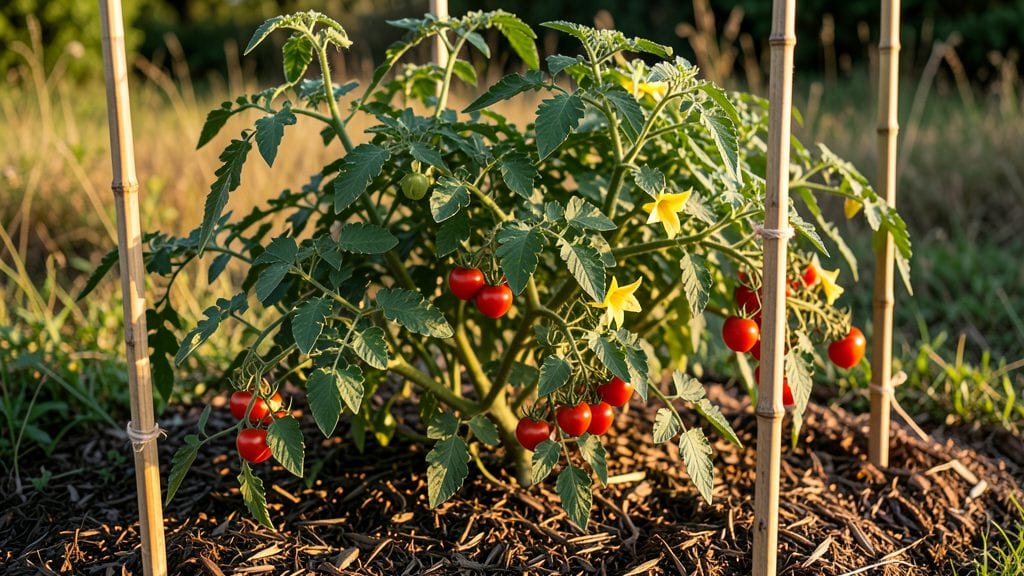
Creating a huge tomato tree that stretches toward the sky isn’t just possible—it’s the secret to the most productive tomato plants in your garden. 🌿 I’ve turned my backyard into a jungle of vine-covered tomatoes, and the key isn’t just the right variety but knowing exactly when and how to prune those sprawling stems.
The result? Plants that produce 50+ pounds of fruit per season, all while looking like something out of a fairy tale.
Start with indeterminate varieties like ‘Big Beef’ or ‘Sungold’—these are the ones that grow like crazy if you give them the right support.
You’ll need a strong trellis or cage (at least 6 feet tall), well-draining soil packed with compost, and a sunny spot with at least 8 hours of light daily.
The pruning comes next: remove suckers (those little shoots between the stem and branches) weekly, and let the main stems grow vertically. It’s like training a vine to climb a jungle gym—except the prize is juicy tomatoes instead of a trophy.
By mid-summer, your tomato tree will be a 6-foot-tall monster covered in blossoms and fruit. The pruning keeps it strong, the trellis prevents breakage, and the sun fuels that explosive growth. You’ll harvest until frost, with tomatoes so heavy they’ll bend the branches.
Just watch out for pests—aphids love these lush plants, so keep an eye out and spray with neem oil if needed. The payoff? A garden centerpiece that feeds your family for months.
This works in containers too if you use a sturdy cage and dwarf varieties—just scale down the trellis to 4 feet. The same rules apply: prune, support, and feed. Whether you’re growing in the ground or on a balcony, your tomato tree will be the talk of the neighborhood.
Ready to turn your tomatoes into a living work of art?
📚 In This Guide
- What you need
- Instructions
- Tips and common mistakes
- Wrapping up and next steps
What you need
- ● Pruning shears: Sharp, bypass-pruners (5-8 inches) for clean cuts—avoid dull blades!
- ● Garden gloves: Heavy-duty, cut-resistant (e.g., Fanshawe or Felco brand) to protect hands from thorns.
- ● Disinfectant: 70% isopropyl alcohol or hydrogen peroxide (3%) to sterilize tools between cuts.
- ● Twine or plant ties: ¼-inch wide, biodegradable twine (10–20 feet) to support the main stem.
- ● Sturdy stakes or trellis: 6–8 ft tall, T-posts or wooden lattice (2–3 per plant).
- ● Potting soil: High-quality, well-draining mix (e.g., Miracle-Gro or Fox Farm) for container plants.
- ● Fertilizer: Balanced 10-10-10 or tomato-specific (e.g., Espoma Tomato-Tone) for nutrient boosts.
- ● Growth regulator: Paclobutrazol (e.g., B-Nine) to control excessive height (if needed).
- ● Mulch: Straw or wood chips to retain moisture and suppress weeds.
- ● Plant support clips: Soft Velcro or rubber-coated ties to secure stems without damage.
- ● Spray bottle: For misting leaves during hot pruning sessions.
Step-by-Step pruning blueprint for your sky-high tomato tree
Transform your indeterminate tomato plants into a lush, vine-laden "tree" with this foolproof pruning method.
🌿 Step 1: Identify the Main Stem and First Branches
Start by locating the main stem—this is your vertical "trunk" that will support the upward growth. Indeterminate tomatoes grow continuously, so you'll want to keep the strongest upward-shooting stem as your central leader. Look for the first 3-4 sets of leaves from the base where lateral branches begin to form.
Remove any weak or competing stems that emerge below these first branches—these are called suckers and will drain energy from your main plant. Use clean, sharp pruning shears to cut these suckers off at the base, just above a leaf node. I always make my cuts at a 45-degree angle to prevent water from pooling on the wound.
✂️ Step 2: Prune Suckers for a Bushier Structure
As your plant grows, you'll see small shoots forming in the leaf axils (the angle between the stem and leaf). These are your suckers, and they need strategic pruning to encourage a balanced, tree-like structure. Keep suckers that grow within 12-18 inches of the main stem—these will become your lower branches and help support the weight of future fruit.
Remove suckers that grow above the first flower cluster—these will compete with your main stem for energy. You'll know you're doing it right when your plant starts looking like a multi-tiered tree rather than a single, sprawling vine. Prune on a dry, sunny morning to reduce stress on the plant and allow wounds to heal quickly.
☀️ Step 3: Train the Main Stem for Height and Support
To create a true "tree" structure, you'll need to tie or stake your main stem as it grows. Install a strong bamboo stake or tomato cage next to your plant early on, and gently weave the main stem around it in a spiral pattern. This encourages upward growth and prevents the plant from toppling under the weight of fruit.
Once your main stem reaches 4-5 feet tall, you can top it by pinching off the growing tip. This signals the plant to put energy into lateral branches rather than just vertical growth. You'll see new shoots emerge from the leaf axils—these will become your secondary branches, creating that lush, tree-like canopy.
🌱 Step 4: Prune for Airflow and Fruit Production
As your tomato tree matures, focus on removing leaves that grow too close to the ground or shade the lower fruit clusters. This improves airflow, reducing the risk of blight and rot. Aim to keep the bottom 18-24 inches of the plant relatively bare, allowing sunlight to reach the lower branches and fruit.
Prune spent flower clusters (those that have already produced fruit) to redirect the plant's energy toward new growth. You'll know a cluster is done when the fruit turns yellow or red and the stems begin to dry out. Always prune just above a leaf node to encourage new growth from that spot.
⏰ Step 5: Maintain Through the Season
Check your tomato tree weekly for new suckers, especially after heavy pruning or rain. Indeterminate tomatoes grow aggressively, so staying on top of pruning ensures your plant stays strong, balanced, and productive. In late summer, you may need to reduce pruning to allow the plant to focus on ripening existing fruit rather than new growth.
By mid-to-late August, slow down on heavy pruning unless you're in a warm climate. The goal is to let the plant ripen as much fruit as possible before the first frost. You'll know you're on the right track when your tomato tree looks like a lush, multi-tiered canopy with fruit hanging at every level—just like a real tree!
Tips & tricks for perfect tomato tree pruning
Transforming your indeterminate tomatoes into a lush, tree-like structure takes patience and precision. Here are the game-changing tips that'll help you avoid common pruning pitfalls and maximize those sky-high yields.
The 45-Degree Cut Matters: When you're removing suckers in Step 1, that 45-degree angle isn't just for show—it prevents water from pooling on the wound, which could lead to rot. I learned this the hard way after losing a few plants to fungal infections. Always make clean cuts just above a leaf node, and use sterilized pruning shears to avoid introducing diseases. For extra protection, you can even dust the cuts with a bit of cinnamon powder—it acts as a natural antifungal.
Timing Secret for Sucker Removal: In Step 2, when you're deciding which suckers to keep within 12-18 inches of the main stem, remember that these lower branches will bear the most fruit. The key is to remove suckers above the first flower cluster—they'll steal energy from your main stem and fruit production. I find it helpful to mark these clusters with a soft tie or ribbon so I don't accidentally prune them off later. And always prune on dry mornings—wet leaves make the plant more susceptible to fungal infections.
Support System Check: Step 3's stake or cage setup is where many gardeners go wrong. I can't stress enough how important it is to install your support structure early and secure it firmly. Your tomato tree will get heavy—imagine a 4-5 foot tall plant with dozens of pounds of fruit! Use soft ties (like old t-shirts or garden twine) to weave the main stem in a spiral pattern. This gives the plant flexibility to sway in the wind without breaking. If you wait until the plant is already tall to add support, you risk damaging the stem during the transfer.
Airflow is Everything: That 18-24 inch bare zone at the bottom of your plant in Step 4 isn't just about looks—it's a disease prevention strategy. Good airflow reduces humidity at the soil level, which is where most fungal problems start. I like to think of it as creating a "skirt" of open space around the base. And when you're removing spent flower clusters, always cut just above a leaf node—this encourages new growth from that spot, giving you more fruiting opportunities later in the season.
Pro Tips for Huge Tomato Tree
- Transforming your indeterminate tomatoes into a lush, tree-like structure takes patience and precision.
- The 45-Degree Cut Matters: When you're removing suckers in Step 1, that 45-degree angle isn't just for show—it prevents water from pooling on the wound, which could lead to rot.
- Timing Secret for Sucker Removal: In Step 2, when you're deciding which suckers to keep within 12-18 inches of the main stem, remember that these lower branches will bear the most fruit.
Frequently asked questions
Got questions about growing a huge tomato tree? You’re not alone! Here are answers to the most common concerns—so you can prune with confidence and watch your vines reach new heights.
How tall can a tomato tree grow if I prune it like a tree?
A properly pruned indeterminate tomato can stretch 10–15 feet tall (or more!) with a single main stem and lateral branches. The key is removing suckers early and training the plant to climb a sturdy trellis or cage. Just remember: taller doesn’t always mean better—balance height with airflow to avoid disease.
When is the best time to start pruning a tomato tree?
Begin pruning when the plant is 12–18 inches tall, focusing on removing the first few suckers (the shoots in the leaf axils). Indeterminate varieties need ongoing pruning every 1–2 weeks during the growing season to encourage upward growth. For determinate types (bush tomatoes), minimal pruning is needed—they naturally stop growing.
Can I prune too much? What are the signs?
Yes! Over-pruning stresses the plant, leading to fewer flowers/fruit, stunted growth, or even death. Watch for yellowing leaves, slow growth, or no new suckers. Rule of thumb: Never remove more than 1/3 of the plant’s foliage at once. If you’ve gone overboard, pause pruning and focus on watering and fertilizing to help recovery.
What if I don’t have a trellis? Are there alternatives?
No trellis? No problem! Try these space-saving hacks:
- Cage it: Use a 5–6 foot tomato cage (sturdy wire or plastic) to support vertical growth.
- Stake it: Drive 3–4 bamboo stakes around the plant and weave twine or strips of fabric to create a DIY trellis.
- Prune aggressively: For bushier growth, pinch off suckers early and let the plant spread wider (best for determinate varieties).
Will pruning a tomato tree reduce my yield?
Not if done right! Proper pruning increases yields by directing energy to larger, healthier fruit and improving airflow. However, over-pruning (especially late in the season) can cut production. Focus on removing only suckers below the first flower cluster and avoid trimming leaves near the top (where most fruit forms).
Wrapping up and next steps
Growing a huge tomato tree is an exciting journey that rewards patience and precision!
With the right pruning techniques, you’ll unlock sky-high yields and healthier plants—plus, the satisfaction of nurturing a thriving, vine-covered masterpiece. 🌱✨ Now that you’re armed with the pruning blueprint, it’s time to roll up your sleeves and give your tomato tree the TLC it deserves.
Ready to transform your garden? Start by scheduling your first pruning session this week—your future harvest (and Instagram-worthy vines!) will thank you. Happy pruning! 🍅🌟