Pests
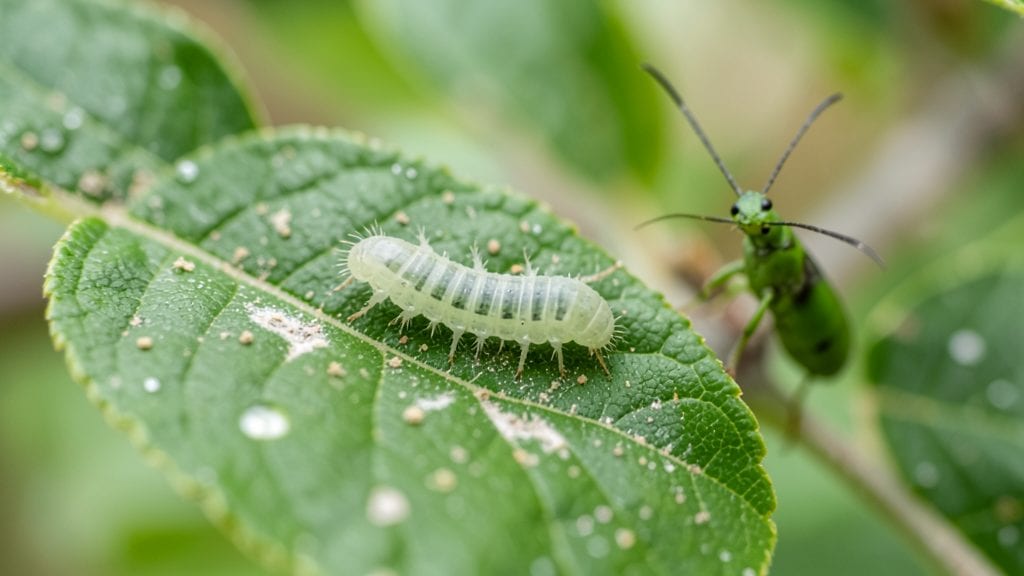
Noticing those pesky insects on apple tree leaves can turn your harvest into a battle.
That’s your cue to act fast before they turn your harvest into a loss. 🌿 I’ve spent years tracking down these pests—from sticky aphid trails to skeletonized leaves—and the key is catching them early with the right moves. The good news?
Most of these critters respond to simple, organic fixes before you even need to reach for harsh chemicals.
Common suspects include aphids (clusters of tiny green bugs), mites (barely visible but causing yellow speckles), and leafrollers (tied leaves with chewed edges). Each leaves distinct clues: aphids leave honeydew residue, mites create fine webbing, and caterpillars chew ragged holes.
The faster you ID them, the quicker you can stop the damage—often with just a spray of neem oil or a blast of water to knock them off.
You’ll walk away with a plan that protects your tree and the bees buzzing nearby. Prune out infested branches in early spring, introduce ladybugs as natural predators, and time your sprays for late afternoon when pollinators are less active.
Within weeks, your tree will bounce back with fresh, pest-free foliage—and you’ll save your apples for fresh eating, not just cider.
Works for backyard orchards, container-grown trees, and even urban yards with limited space. Let’s get those leaves clean before the pests win.
Root Causes of Leaf Invaders
Apple trees may seem like a lush, thriving paradise, but they’re actually a magnet for insects—especially their leaves. Understanding why these tiny troublemakers show up is the first step to kicking them out for good. Here’s the science behind the chaos:
When apple trees feel cramped or weak, they become prime real estate for pests.
Overcrowding (from too many trees too close together) or poor soil health (like compacted or nutrient-deficient soil) weakens a tree’s defenses. Stressed trees can’t produce enough sticky resins or strong leaves, making them easier targets for insects like aphids, mites, and leafhoppers.
Why it matters:
- Root-bound trees (growing in small pots or containers) struggle to absorb water and nutrients, signaling insects that "all-you-can-eat buffet" is open.
- Drought or overwatering throws off a tree’s natural chemical balance, reducing its ability to repel pests.
- Fungal or bacterial infections (like apple scab or fire blight) create entry points for insects that feed on weakened tissue.
Actionable fix: Test your soil’s pH and nutrient levels (aim for 6.0–7.0 pH and balanced NPK). Prune to improve airflow, and mulch with wood chips or compost to retain moisture without suffocating roots.
Apple tree leaves are like gourmet meals to insects—they’re soft, nutrient-rich, and often covered in sugars (especially after rain or when the tree is blooming).
Some pests, like apple maggots or tent caterpillars, are drawn to the tree’s scent, while others, like psylla, feed on sap and excrete honeydew (a sticky magnet for ants and sooty mold).
Why it matters:
- New growth is especially tender and packed with sugars, making it a favorite for aphids and spider mites.
- Honeydew buildup (from sap-sucking insects) creates a secondary problem: sooty mold, a black fungal growth that blocks sunlight and stunts growth.
- Variegated or diseased leaves (like those with yellowing or curling) are often more vulnerable to infestations.
Actionable fix:
- Remove fallen leaves (where eggs often overwinter) and prune suckers or water sprouts to reduce food sources.
- Spray leaves with neem oil or insecticidal soap (especially on new growth) to deter feeders before they establish colonies.
Many apple tree pests have synchronized life cycles that align with the tree’s growth stages.
For example: - Coddling moths lay eggs in summer, but their larvae emerge in late summer to fall, just as apples are ripening. - Scale insects hitch rides on birds or wind, landing on trees in spring when leaves are most vulnerable. - Japanese beetles swarm in July–August, targeting stressed trees first.
Why it matters:
- Overwintering eggs (laid in bark crevices or leaf litter) hatch when conditions are perfect—usually spring warmth + moisture.
- Migratory pests (like leafhoppers) arrive via wind or birds, often after rain or storms.
- Predator-prey imbalances (e.g., too many aphids and not enough ladybugs) create outbreaks.
Actionable fix:
- Monitor your tree’s growth stages and treat preventatively in early spring (before buds swell) with kaolin clay or horticultural oil.
- Disrupt life cycles by removing egg masses (e.g., scrape off overwintering scales with a brush) or installing pheromone traps for moths.
Your local ecosystem plays a huge role in which insects invade. Warm, humid climates favor soft-bodied pests (like mites), while dry, windy areas attract borers or leaf rollers. Even your neighbor’s trees can be a pest pipeline—some insects, like gypsy moths, travel miles on the wind.
Why it matters:
- Monoculture orchards (large plantations of the same tree species) create pest hotspots because insects thrive in dense, uniform environments.
- Urban heat islands (cities with higher temps) can accelerate insect development, leading to earlier and more aggressive infestations.
- Lack of natural predators (due to pesticides or habitat loss) removes the checks and balances that keep pest populations in control.
Actionable fix:
- Diversify your landscape with native plants that attract predator insects (like lacewings or parasitic wasps).
- Use row covers in early spring to block flying pests before they lay eggs.
- Check regional pest alerts from your local cooperative extension service for early warnings.
Sometimes, well-meaning gardeners accidentally create pest paradises.
Common culprits: - Over-fertilizing with nitrogen → Leads to soft, sugary leaves that aphids love. - Ignoring pruning → Dense foliage traps moisture and hides eggs. - Bringing in infested plants or firewood → Introduces pests like emerald ash borers or spotted lanternflies. - Using broad-spectrum pesticides → Kills beneficial insects first, leaving pests unchecked.
Actionable fix:
- Fertilize smartly: Use slow-release, organic options (like compost or worm castings) to avoid nitrogen spikes.
- Prune in late winter to remove mummified fruit, egg masses, and diseased wood.
- Quarantine new plants** for 2 weeks before introducing them to your orchard.
Quick Fixes for Leaf-Chewing Invaders
Discovering insects on your apple tree leaves can feel like a losing battle, but with the right approach, you can reclaim your tree’s health—naturally and effectively. Below, we’ve mapped out targeted solutions based on the most common pests, from quick fixes to long-term prevention. No harsh chemicals required!
**🔥 Cause: Clusters of sticky, curled leaves or black sooty mold (a fungal hitchhiker). 👨🍳 Fix:
- Blast them away: Use a strong spray of water (like a hose nozzle) to dislodge aphids from leaves and stems. Repeat every 3–4 days until gone.
- Introduce predators: Ladybugs, lacewings, and parasitic wasps are aphid’s worst nightmare. Buy them online or attract them with nectar-rich flowers nearby.
- Neem oil spray: Mix 1 tbsp neem oil + 1 tsp mild soap in 1 quart of water. Spray undersides of leaves (where aphids hide) in the evening to avoid harming bees.
💡 Prevention tip: Plant garlic, chives, or marigolds around your tree—aphids despise their scent! Also, prune your tree in late winter to remove overwintering eggs.
🔥 *Cause:*** Tiny white grubs burrowing into fruit and leaves, causing brown, papery spots. **🍳 Fix:
- Cover young fruit: Use floating row covers (lightweight fabric) over the tree in early spring to block adult flies from laying eggs.
- Traps with apple cider vinegar: Fill a jar with vinegar + a drop of dish soap. Hang it near the tree—flies are drawn in and drown.
- Remove fallen fruit:** Pick up all dropped apples from the ground (even rotten ones) to break the maggot life cycle.
**🌡️ *Prevention tip:** Plant herbs like mint or tansy near the base—their fragrance repels maggots. Also, thin fruit early to improve airflow (maggots love crowded branches).
🔥 Cause: Leaves turn yellow with tiny webs, especially in dry heat. 👨🍳 Fix:
- Spray with water: Mites hate humidity. Mist leaves daily during heatwaves to deter them.
- Horticultural oil: Apply dormant oil in early spring (before buds swell) or summer oil sprays to smother eggs and adults.
- Release predatory mites: Phytoseiulus persimilis mites feast on spider mites. Order them online for a biological boost.
✨ *Prevention tip:** Keep your tree well-watered—mites thrive in drought. Mulch the soil to retain moisture and reduce stress on the tree.
🔥 Cause: Leaves tied into tents or rolled up with chewed edges. 🔪 Fix:
- Handpick larvae: Wear gloves and squish or drop them into soapy water (especially tent caterpillars—they’re fuzzy but harmless to humans).
- Bacillus thuringiensis (Bt): A natural bacteria that kills caterpillars when ingested. Mix with water and spray on leaves (safe for bees if applied at dusk).
- Prune and burn: Cut off heavily infested branches in late winter and dispose of them in sealed bags.
🎯 *Prevention tip:** Encourage birds like blue jays or robins**—they love munching on caterpillars. Install a bird feeder or nest box nearby!
**🔥 Cause: Leaves with Swiss-cheese holes and a shiny, metallic beetle munching away. 🥘 Fix:
- Handpick & drown: Drop beetles into a bucket of soapy water (they’re slow fliers—easy to catch!).
- Neem oil or kaolin clay: Spray leaves with kaolin clay (a natural repellent) or neem oil to deter feeding.
- Milky spore: A natural bacteria that targets Japanese beetle grubs in the soil. Apply in early spring for long-term control.
💡 *Prevention tip:** Plant rosemary, garlic, or catnip—beetles avoid these scents. Also, remove grass clover** (their favorite food) from under the tree.
🌱 Pro Tip for All Pests: Always treat in the early morning or late evening to protect pollinators. Avoid spraying when bees are active (like midday on sunny days).
With these targeted fixes, your apple tree will bounce back healthier than ever—no pesticides needed! 🍏💚
Frequently asked questions
How do I tell if my apple tree leaves have aphids vs. mites?
Aphids cluster in sticky groups on leaf undersides and leave honeydew trails, while mites create fine webbing and cause yellow speckles. Check for tiny crawling insects (aphids) or barely visible dots with webbing (mites)—aphids are easier to spot with a magnifying glass.
Can I use dish soap to kill insects on apple tree leaves?
Yes, but dilute it properly! Mix 1 tablespoon mild dish soap with 1 quart water and spray directly on pests (aphids, mites, or soft-bodied insects). Reapply every 3-4 days for 3-5 days. Avoid harsh soaps—they can damage leaves. Test on a small branch first.
When is the best time of year to treat insect problems on apple trees?
Early spring (before buds swell) and late summer (after harvest) are ideal. Treat in early morning or evening to protect bees. For overwintering pests, focus on late winter pruning to remove egg masses. Avoid spraying during bloom when pollinators are active.
Will neem oil harm beneficial insects like ladybugs?
Neem oil is safest for beneficial insects if applied correctly. Use it in the evening when bees are inactive, and avoid spraying flowers directly. Ladybugs and lacewings are more tolerant than bees—just reapply every 7-10 days for persistent pests. Organic options like kaolin clay are even gentler.
What should I do if my apple tree leaves are already heavily damaged?
Prune out severely infested branches immediately and dispose of them in sealed bags. For remaining leaves, focus on water blasting (aphids) or Bacillus thuringiensis (Bt) (caterpillars). Apply compost tea to boost tree recovery. Expect new growth to replace damaged foliage within 4-6 weeks.