
Blooming
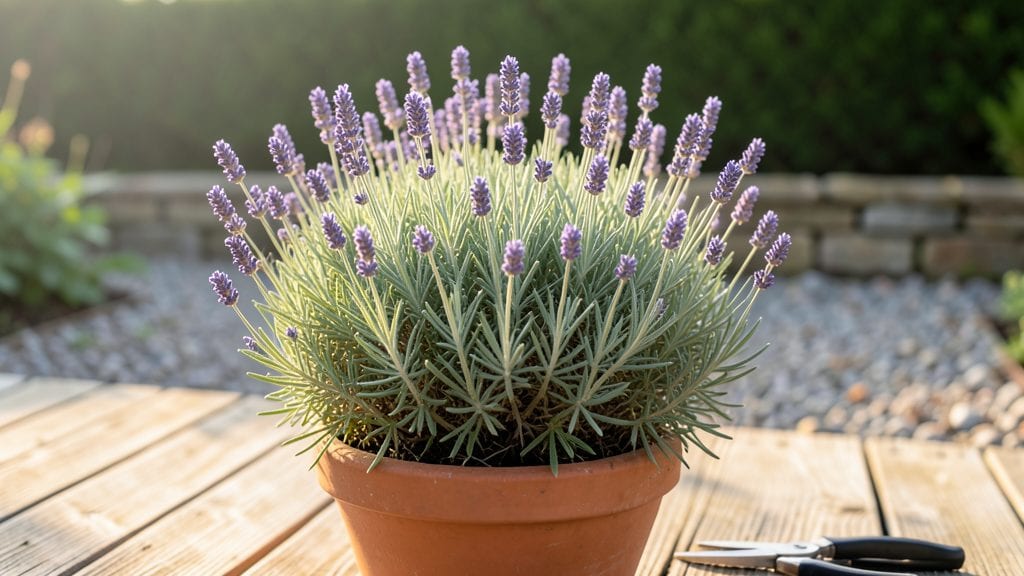
When you picture a lavender blossom tree, you’re likely thinking of the stunning purple blooms of a crape myrtle like Lagerstroemia indica—not a true lavender shrub. These ornamental trees create a fragrant, show-stopping canopy that thrives in the right conditions.
I’ve grown them in my Zone 7 garden for years, and their velvety petals never fail to draw neighbors in for a closer look.
Planting one starts with well-draining soil and full sun—at least 6 hours daily—to ensure those signature blooms. Most varieties, like ‘Tonto’ or ‘Natchez,’ handle heat and drought once established, making them perfect for low-maintenance gardens.
The best time to plant is early spring or fall, when temperatures are mild and roots can settle without stress.
Care is simple once you get the hang of it: water deeply but infrequently (about 1 inch per week), prune spent blooms in late winter, and feed with a balanced fertilizer in spring.
You’ll see that first flush of lavender-purple flowers by year 2, with a full, fragrant canopy by year 3. The scent alone makes it worth the wait.
Watch for aphids or powdery mildew—both are common but easily managed with neem oil or proper spacing. If you love lavender’s fragrance but want tree-sized drama, this is the plant for you. Let’s get yours growing!
📚 In This Guide
- What you need
- Instructions
- Tips and common mistakes
- Wrapping up and next steps
What you need
- ● Lavender plant: Start with a Lavandula variety (e.g., Lavandula angustifolia or Lavandula × intermedia) from a nursery or propagate from cuttings. Quantity: 1-2 plants (for spacing flexibility).
- ● Well-draining potting mix: 50% cactus/succulent soil + 50% perlite or pumice. Quantity: 2-3 gallons per plant.
- ● Pot or garden bed: For containers: 12-18" diameter pot with drainage holes (terracotta or fabric grow bags recommended).
- ● For in-ground planting: Full-sun location with 6+ hours of sunlight daily and well-draining soil (pH 6.5–7.5).
- ● Fertilizer: Low-nitrogen, phosphorus-rich fertilizer (e.g., 5-10-10 or organic bone meal). Quantity: 1 tbsp per plant, applied twice yearly (spring/fall).
- ● Pruning shears: Sharp, sterilized shears (for shaping and harvesting).
- ○ Mulch (optional but helpful): Gravel or coarse sand (1–2" layer) to retain moisture and deter weeds.
- ● Watering can or hose with a gentle nozzle: Lavender hates soggy roots!
- ○ Gloves (optional): Protect your hands from thorns (if using Lavandula dentata).
- ○ Sunlight meter (optional): Ensure your spot gets enough light (aim for 6000+ lux).
- ● Pest control (preventative): Neem oil or insecticidal soap (for aphids/spider mites).
- ● Harvesting basket or scissors: For clipping blooms (use one-third rule: never trim more than 1/3 of the plant at once!).
Step-by-Step instructions for cultivating a lavender blossom tree
Here's how to transform your garden into a fragrant purple paradise in just three seasons.
Select and Prepare the Right Location
The lavender blossom tree thrives in full sun, so choose a spot that receives at least 6-8 hours of direct sunlight daily. These trees despise soggy roots, so avoid low-lying areas where water pools after rain. I always test the drainage by digging a 12-inch deep hole—if water doesn’t drain within 30 minutes, amend the soil with 2-3 inches of coarse sand or gravel before planting.
Lavender blossom trees prefer well-draining, slightly alkaline soil with a pH between 7.0 and 8.0. If your soil is heavy clay, mix in composted pine bark or perlite to improve aeration. The key is mimicking their natural Mediterranean habitat—dry, rocky, and sunny. Mulch lightly with 1-2 inches of gravel (not organic mulch) to keep roots cool and prevent moisture retention.
Plant at the Correct Depth and Spacing
Dig a hole twice as wide as the root ball but only as deep. The top of the root ball should sit 1 inch above ground level—burying too deep suffocates the roots and causes rot. Gently loosen the roots if they’re circling tightly in the container, then place the tree in the hole and backfill with native soil, pressing lightly to eliminate air pockets.
Space trees 8-10 feet apart to allow for mature growth and airflow, which prevents fungal diseases. These trees grow 10-15 feet tall and wide, so plan accordingly if you’re planting near structures or other plants. Water deeply immediately after planting to settle the soil, then let the top 2 inches dry out before watering again. Overwatering at this stage is the fastest way to kill your tree.
Prune for Shape and Encourage Blooms
Prune your lavender blossom tree right after flowering in early summer to maintain its shape and encourage dense growth. Use clean, sharp pruners to trim back one-third of the current year’s growth, focusing on any leggy or overcrowded branches. Avoid heavy pruning in fall or winter—these trees bloom on new wood, and late cuts delay next year’s flowers.
Shape the tree into a rounded canopy by cutting just above a leaf node or bud. Never prune into old wood, as it won’t regenerate. After pruning, apply a balanced, slow-release fertilizer (10-10-10) sparingly—lavender blossom trees are light feeders and prefer lean soil. Water deeply once a month during the first growing season to establish roots, then reduce to once every 2-3 weeks in dry spells.
Protect and Maintain Through Seasons
In winter, lavender blossom trees need minimal care but benefit from a light mulch of straw or pine needles to insulate roots if temperatures drop below 20°F. Avoid heavy mulching, which can smother the tree. Prune lightly in late winter to remove dead or damaged branches before new growth begins in spring.
Watch for aphids or spider mites, common pests that thrive in dry conditions. Spray infested areas with neem oil or a soapy water solution (1 tablespoon mild dish soap per gallon of water) to deter them. If leaves yellow or drop, it’s often a sign of overwatering or poor drainage—cut back on irrigation and check the soil’s moisture level before reacting.
Harvest and Enjoy the Fragrance
Harvest blooms in early morning when essential oils are at their peak, using clean scissors to cut stems just above a leaf node. Bundle stems and hang them upside down in a dry, dark place for 1-2 weeks to dry completely. Once dry, strip the flowers from the stems and store them in an airtight jar for potpourri, sachets, or culinary uses (lavender blossoms are edible and add a delicate floral note to desserts).
With proper care, your lavender blossom tree will reward you with scented blooms for decades. The key is patience—these trees take 2-3 years to reach full maturity and fragrance potential. But once established, they’re nearly indestructible, thriving with minimal intervention and filling your garden with purple clouds of perfume.
Tips & tricks for perfect lavender blossom tree cultivation
Transforming your garden into a fragrant purple paradise takes more than just planting—it requires understanding the subtle nuances that make all the difference. Here are proven strategies to ensure your lavender blossom tree thrives for decades.
Soil Preparation Insight: The 30-minute drainage test in Step 1 is non-negotiable. If water lingers beyond this time, your lavender will suffer from root rot. I've seen gardeners skip this step and lose their trees within months. For heavy clay soils, mix in equal parts composted pine bark and perlite—this creates the ideal Mediterranean-inspired growing medium that lavender craves. The goal is to replicate the rocky, well-draining conditions of its native habitat.
Planting Depth Precision: That 1-inch elevation above ground level in Step 2 isn't arbitrary—it's about aeration. When roots sit too deep, they suffocate and develop fungal issues. I recommend using a level to verify this measurement, especially if you're planting on sloped terrain. Also, gently scoring the root ball with a knife before planting helps break up any circling roots that might have formed in the container.
Pruning Timing Strategy: The early summer pruning in Step 3 should always occur after the first flush of flowers has faded. This timing ensures you're cutting back on new growth that will produce next year's blooms. I've found that using sterilized pruners dipped in rubbing alcohol between cuts prevents bacterial infections. For the rounded canopy shape, visualize the tree as a clock—cut back branches that grow toward the center like spokes pointing inward.
Winter Protection Nuance: When temperatures approach 20°F in Step 4, the light mulch of straw or pine needles becomes crucial. Unlike organic mulches, these materials allow moisture to evaporate while insulating roots. I've seen lavender trees survive winter with just this protection, even in zones with harsh winters. The key is to apply the mulch after the ground freezes but before heavy snowfall—this creates a protective barrier without trapping moisture.
Pro Tips for Lavender Blossom Tree
- Transforming your garden into a fragrant purple paradise takes more than just planting—it requires understanding the subtle nuances that make all the difference.
- Soil Preparation Insight: The 30-minute drainage test in Step 1 is non-negotiable.
- Planting Depth Precision: That 1-inch elevation above ground level in Step 2 isn't arbitrary—it's about aeration.
Frequently asked questions
Got questions about growing your own fragrant lavender blossom tree? You’re not alone—this stunning plant has a few quirks! Here are answers to the most common ones to help you cultivate a thriving, purple canopy with ease.
How fast does a lavender blossom tree grow?
A healthy Lavandula tree typically grows 12–24 inches per year, reaching maturity (and full fragrance!) in 3–5 years. With proper care—like well-draining soil and full sun—you can even see faster growth in the first couple of years. Patience pays off with those iconic purple blooms!
When is the best time to plant a lavender blossom tree?
Plant in early spring or fall when temperatures are mild (ideally between 50–75°F). Avoid extreme heat or frost, as lavender is sensitive to both. If you’re in a warm climate, fall planting gives roots time to establish before summer’s intensity. Pro tip: Water deeply after planting but reduce frequency once established!
Can lavender blossom trees survive cold winters?
Most Lavandula varieties thrive in USDA Zones 7–10, but some hardier types (like Lavandula x intermedia) tolerate down to Zone 5 with protection. In colder areas, mulch heavily or wrap the base in burlap. If your winters dip below 10°F, consider container-growing for winter moves indoors.
What’s the best soil for a lavender blossom tree?
Lavender hates wet feet—use a fast-draining mix like 60% sandy soil + 30% gravel + 10% compost. Avoid clay or heavy soil, which causes root rot. If your yard is too dense, plant in raised beds or containers with drainage holes. A slightly alkaline pH (6.5–7.5) also helps!
What can I do if my lavender blossom tree isn’t flowering?
Lack of blooms often means too much nitrogen (use a low-fertility, phosphorus-rich fertilizer instead). Other culprits: overwatering, poor sunlight, or pruning at the wrong time. Prune right after blooming (never in fall) to encourage new growth. If it’s still struggling, check for pests like spider mites or aphids—neem oil can help!
Are there fragrant alternatives to lavender blossom trees?
If lavender’s not your vibe, try these fragrant, low-maintenance trees:
- Oleander – Sweetly scented but toxic (keep pets away!)
- Jasmine – Night-blooming and intoxicatingly fragrant
- Lemon Verbena – Citrusy aroma, great for teas
- Texas Sage (Cenizo) – Drought-tolerant with silvery foliage
Wrapping up and next steps
Growing a lavender blossom tree is a rewarding journey that brings beauty, fragrance, and tranquility to your space in just three years! 🌿 With the right soil, sunlight, and care, you’ll soon enjoy a stunning purple canopy that attracts pollinators and soothes the soul.
Whether you’re a seasoned gardener or a beginner, this fragrant tree is a perfect addition to your outdoor oasis.
Ready to transform your garden? Start by selecting your favorite variety and follow the steps outlined above. Before you know it, your lavender blossom tree will be thriving—spreading its signature scent and charm for years to come! 🌸