
Pests
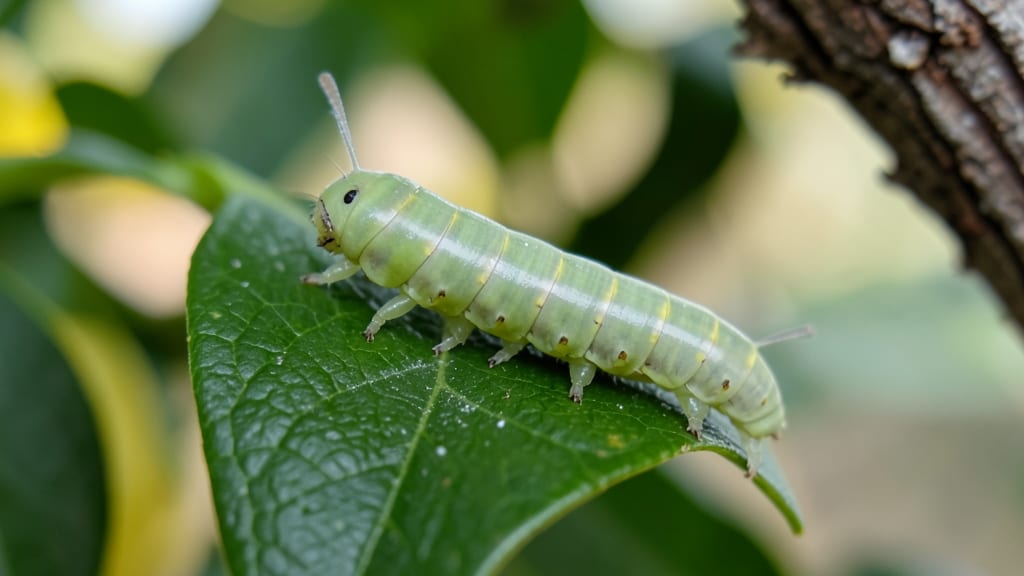
When caterpillars attack your lemon tree, the damage happens fast—skeletons of leaves, chewed fruit, and a tree that looks like it’s under siege. 🌿 I’ve seen citrus swallowtails and leafrollers turn a thriving tree into a sad shadow in weeks, but there’s a better way than reaching for harsh sprays that kill more than pests.
The key is understanding their lifecycle and hitting them at the right stage. Eggs hide on the undersides of leaves, so I check those weekly with a magnifying glass.
Once they hatch, caterpillars spin silky webs or chew through foliage, but neem oil or Bacillus thuringiensis (a natural bacteria) stops them cold without harming bees or butterflies.
By the time you spot the first caterpillars, your tree can bounce back in just a few weeks with consistent treatment. The leaves stay lush, the fruit ripens undamaged, and you avoid the chemical stink that lingers for months.
It’s not about wiping out every caterpillar—it’s about keeping the balance right.
Works for backyard trees, container citrus, or even patio-grown lemons. The secret is patience and timing—just like growing the tree itself. Let’s get your lemon tree back to thriving.
Root Causes Of Caterpillar Infestations
When caterpillars descend on your lemon tree, it’s rarely a random attack—there’s always a reason behind the feast. Understanding these triggers helps you prevent future outbreaks and protect your citrus harvest. Here are the key factors that turn your lemon tree into a caterpillar buffet:
Caterpillars, especially species like the Citrus Leafminer or Citrus Looper, are drawn to fruit that’s already weakened. Overripe, bruised, or disease-stressed lemons emit volatile organic compounds (VOCs) that signal "easy prey" to foraging pests. Here’s why this happens:
- Sugar spikes: As fruit ripens, its sugar content rises, making it more nutritious—and more appealing—to caterpillars.
- Thinner skins: Overripe lemons have softer, easier-to-penetrate rinds, inviting egg-laying females to deposit larvae directly on the fruit.
- Fungal entry points: Stress (from drought, poor soil, or disease) creates wounds where fungi thrive. Caterpillars follow, as fungi soften the fruit further.
Actionable fix: Harvest lemons at peak firmness (when they’re still slightly green) and remove any fallen or damaged fruit immediately. Prune branches with proper techniques to improve airflow and reduce stress.
Caterpillars don’t just appear—they hitch a ride on debris, wind, or migrating adults. A cluttered garden is an open invitation. Key hygiene-related causes:
| Problem | Why It Attracts Caterpillars |
|---|---|
| Leaf litter | Provides shelter for pupating caterpillars and a damp microclimate for egg-laying. |
| Weeds | Alternative host plants (like Citrus Aurantium) harbor caterpillar species that later migrate to your lemon tree. |
| Untreated mulch | Can trap moisture, creating ideal conditions for fungal growth—caterpillars’ "starter food." |
| Compost piles | Attract beneficial insects and pests; some caterpillars (like Orange Dog) use them as nurseries. |
Actionable fix:
- 🔥 Clear debris: Rake up fallen leaves, fruits, and weeds within a 10-foot radius of your tree.
- 🌡️ Use dry mulch: Opt for cedar chips or straw (not wood chips) to deter moisture-loving pests.
- 🎯 Inspect tools: Clean pruners and stakes with 70% isopropyl alcohol to avoid spreading eggs.
Caterpillars are weather-dependent. Warm, humid conditions accelerate their life cycle, turning a single infestation into a full-blown outbreak in weeks. Key climate triggers:
- Temperature: Most citrus caterpillars thrive between 75–90°F. Above 95°F, they seek shade (like your lemon tree’s canopy), while below 60°F, their growth stalls.
- Humidity: High humidity (>60%) keeps eggs moist, ensuring higher hatch rates. Dry conditions (<40%) often kill eggs before they develop.
- Rainfall: Light, frequent rains wash away natural predators (like ladybugs) but leave caterpillars unharmed in the canopy.
Actionable fix:
- 💡 Monitor microclimates: Use a soil thermometer to track leaf-surface temps; mist trees only at dawn to avoid prolonged humidity.
- ✨ Prune for airflow: Thin branches to reduce humidity pockets where caterpillars pupate.
- 🌿 Drip irrigation: Water at the base (not overhead) to minimize leaf dampness.
By addressing these root causes—fruit health, garden cleanliness, and climate control—you disrupt the caterpillar’s life cycle before it starts. The next section covers how to spot an infestation before it’s too late.
Quick Fixes for Leaf Munchers
Got hungry caterpillars turning your lemon tree into a snack bar? 🍃🐛 Don’t panic—these organic, chemical-free solutions will help you reclaim your tree without harming the environment (or your conscience). Below, we’ve matched common causes to easy, actionable fixes, plus prevention tips to keep your citrus tree thriving.
If you spot striped or fuzzy caterpillars feasting on leaves, act fast—they multiply quickly!
🍳 Step 1: Manual Removal (Best for Small Infestations)
- 👨🍳 Pick them off by hand (wear gloves!) and drop them in soapy water (1 tbsp dish soap per gallon).
- 🌿 Check undersides of leaves—they love hiding there.
- ⏰ Do this daily for 3–5 days to break their life cycle.
🥘 Homemade Sprays (Safe & Effective)
Mix 1 tbsp neem oil + 1 tsp mild castile soap in a gallon of water.
Spray early morning or late evening (avoid direct sun—it burns leaves). - 🌡️ Reapply every 5–7 days until no new caterpillars appear. - ✨ Pro tip: Add a few drops of garlic or chili pepper oil (½ tsp) for extra repellent power.
Stop caterpillars before they start with these low-effort habits:
💡 Attract Natural Predators
- 🐦 Ladybugs, lacewings, and parasitic wasps love munching caterpillars. Plant marigolds, dill, or fennel nearby to lure them in.
- 🌿 Avoid broad-spectrum pesticides—they kill helpful bugs too!
🎯 Keep Your Tree Healthy
- 💪 Prune damaged leaves (but don’t overdo it—stress attracts pests).
- 🍎 Water at the base (not overhead) to discourage egg-laying.
- 🌡️ Monitor young trees—they’re caterpillar magnets!
🔥 Early Warning Signs
- 🍃 Yellowing leaves? Check for eggs (tiny yellow dots) on the undersides.
- 🐛 Silky webbing? Tent caterpillars are nesting—act fast!
Remember: Patience is key—some methods take 1–2 weeks to show results. But with consistency, your lemon tree will be caterpillar-free and back to producing juicy fruit in no time! 🍋✨
Frequently asked questions
What do lemon tree caterpillars look like?
Citrus caterpillars vary, but common types include the citrus leafroller (green with brown stripes) and citrus swallowtail (black with yellow spots). Look for fuzzy or striped larvae on leaves or fruit—some leave silky webs or chewed leaf edges. Check undersides of leaves for tiny eggs too.
Are these caterpillars harmful to my lemon tree?
Yes, they can cause serious damage! Heavy infestations strip leaves, defoliate branches, and even eat fruit. Left unchecked, they weaken the tree, reduce yields, and make it vulnerable to disease. Act fast—manual removal or organic sprays work best before they spin webs or pupate.
Can I use neem oil on my lemon tree?
Neem oil is a safe, organic solution that disrupts caterpillar feeding and growth. Mix 1 tbsp neem oil + 1 tsp mild soap per gallon of water and spray leaves thoroughly. Reapply every 5-7 days until the infestation clears. Avoid spraying in direct sunlight to prevent leaf burn.
How do I prevent caterpillars from returning?
Focus on garden hygiene and natural predators. Remove fallen leaves/debris, prune for airflow, and plant companion flowers like marigolds to attract ladybugs. Use drip irrigation instead of overhead watering to discourage egg-laying. Regular inspections catch problems early!