
Tools
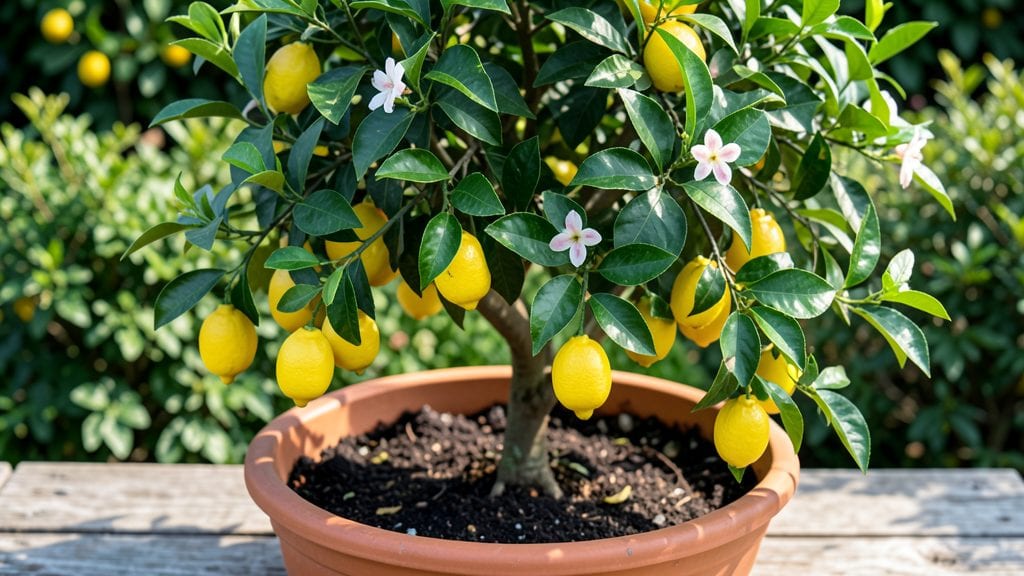
Creating a lemon tree garden that doubles as a fragrant privacy screen is one of the most rewarding garden designs I’ve ever tried. 🌿 The combination of glossy foliage, sweet citrus scent, and eventual harvest makes it a standout feature—plus, it matures into a living wall in just three years with the right care.
Start with dwarf or semi-dwarf varieties like ‘Meyer’ or ‘Improved Meyer’ for manageable growth, spacing them 8–10 feet apart in well-draining soil. These trees thrive in full sun (6+ hours daily) and need a sturdy trellis or espalier system to guide their growth upward.
Companion plants like rosemary, lavender, or marigolds add texture and repel pests while keeping the Mediterranean vibe alive.
By year three, your lemon tree privacy screen will be lush and fragrant, with branches heavy enough to block views while still letting light through. The scent alone—bright and zesty—will make your outdoor space feel like a hidden retreat.
Plus, you’ll have fresh lemons for cooking, gifts, or cocktails without leaving your yard.
This design works for patios, backyards, or even large containers on balconies. The key is patience—those first few years focus on establishing roots and structure, but the payoff is worth it. Ready to turn your garden into a citrus sanctuary?
📚 In This Guide
- What you need
- Instructions
- Tips and common mistakes
- Wrapping up and next steps
What you need
- ● Lemon tree sapling: 1 dwarf variety (e.g., Meyer lemon or Eureka lemon) for compact growth.
- ● Well-draining potting mix: 5+ gallons of a blend with perlite/vermiculite (avoid heavy clay soil).
- ● Large containers or raised beds: 15+ gallon pots (if container-grown) or 3’x3’ in-ground space per tree.
- ● Organic fertilizer: Citrus-specific 6-6-6 NPK blend (e.g., Espoma Citrus-Tone).
- ● Mulch: 2–3 inches of wood chips or straw to retain moisture.
- ● Drip irrigation or hose: For consistent watering (lemon trees hate soggy roots!).
- ● Pruning shears: Sharp, sterilized shears (bypass-style for clean cuts).
- ● Stakes & ties: 3–4 stakes per tree to support young growth.
- ● pH test kit: Ensure soil pH is 6.0–7.0 (lemon trees are picky!).
- ○ Epsom salt: 1 tbsp/month for magnesium boost (optional but helpful).
- ● Frost cloth: For winter protection in colder climates.
- ● Trellis or lattice: To train branches into a privacy screen shape.
- ● Gloves & knee pads: For comfortable planting and maintenance.
Step-by-Step instructions for planting a lemon tree privacy screen
Here's the method I use to establish a fragrant, fruit-bearing citrus hedge that matures into a lush privacy screen.
🌱 Step 1: Select and Prepare Planting Sites
Choose 4 young lemon tree saplings (Meyer lemons work best for cold tolerance) and space them 8-10 feet apart in a straight line. This spacing allows mature trees to develop a dense canopy while leaving room for maintenance. Test your site's drainage by digging a 12-inch deep hole—if water pools after 30 minutes, amend with 2 inches of coarse sand mixed into the native soil.
Lemon trees demand full sun exposure, so mark your layout where the area receives at least 6-8 hours of direct sunlight daily. If your site gets afternoon shade, position trees slightly farther apart to compensate for slower canopy development. I always plant in early spring when soil temperatures reach 65°F—this gives roots time to establish before summer heat.
🪴 Step 2: Dig Holes and Amend Soil
For each sapling, dig a hole twice as wide as the root ball but no deeper. Lemon trees hate sitting in soggy soil, so the top of the root ball should sit 1 inch above ground level after planting. Mix the excavated soil with 1 part compost and 1 part perlite to improve drainage and aeration.
Gently remove the sapling from its container and loosen any circling roots with your fingers. Place the tree in the hole so the graft union (visible bump near the base) remains 2-3 inches above soil level. This prevents root rot while allowing the tree to develop a strong trunk. Backfill with your amended soil mixture, tamping lightly every 2 inches to eliminate air pockets.
☀️ Step 3: Water and Mulch for Establishment
Water each newly planted tree with 5 gallons of water, soaking the root zone completely. You'll know you've watered enough when the soil 12 inches down feels uniformly moist. Lemon trees are shallow-rooted, so consistent moisture in the top 6 inches of soil is critical during the first year.
Spread 2-3 inches of wood chip mulch around the base, keeping it 6 inches away from the trunk to prevent rot. Mulch conserves moisture and regulates soil temperature, which is especially important in Mediterranean climates where lemon trees originate. Replenish mulch annually as it decomposes—never let it exceed 3 inches in depth.
✂️ Step 4: Prune for Structure and Airflow
Within the first month, prune each tree to establish a strong central leader. Remove any competing branches growing from the lower trunk or those crossing the main stem. Use clean, sharp pruners to make cuts at a 45-degree angle just above an outward-facing leaf bud. This encourages outward growth rather than inward density.
I also thin out any overly crowded branches in the canopy to improve airflow—lemons are prone to fungal issues when humidity lingers. Aim for 6-8 main scaffold branches per tree, spaced evenly around the trunk. You'll see new growth emerge from the pruned areas within 4-6 weeks, signaling the tree is recovering well.
💧 Step 5: Maintain Through First Season
Water deeply 2-3 times per week during the first growing season, providing 10 gallons per tree each time. Check moisture by sticking your finger 2 inches into the soil—water when it feels dry. Lemon trees are drought-tolerant once established, but young trees need consistent moisture to develop strong root systems.
Fertilize lightly in spring with ½ cup of 10-10-10 fertilizer spread around the drip line. Avoid high-nitrogen fertilizers, which promote leafy growth at the expense of fruit production. You'll notice new leaves emerging 3-4 weeks after fertilizing, and by late summer, you should see small flower buds forming—this is your first sign of successful establishment.
Tips & tricks for perfect lemon tree privacy screen planting
Creating a fragrant citrus hedge takes patience and precision—here's how to avoid common pitfalls and maximize success with your lemon trees.
Site Selection Secrets: The 6-8 hours of direct sunlight mentioned in Step 1 is non-negotiable for Meyer lemons. I've learned the hard way that even partial shade can lead to sparse foliage and poor fruit production. If your yard has afternoon shade, consider positioning trees slightly farther apart (up to 12 feet) to compensate for slower canopy development. Also, watch for microclimates—trees on the north side of buildings often get less sun than indicated by your general yard layout.
Drainage is Everything: That 30-minute water test in Step 1 is critical—don't skip it! If water pools after 30 minutes, you're not dealing with a minor drainage issue but a potential death sentence for your lemon trees. For severe cases, consider building raised beds with 100% amended soil (compost/perlite mix) rather than just adding sand. The 2 inches of coarse sand should be mixed thoroughly into the native soil, not just added as a layer at the bottom of the hole.
Root Ball Placement Precision: The 1-inch elevation above ground level for the root ball in Step 2 prevents root rot while allowing the graft union to stay at 2-3 inches above soil. Here's the thing: many gardeners bury the root ball too deeply, thinking it provides more stability. But this actually suffocates the roots and creates anaerobic conditions that lead to fungal diseases. After planting, gently press the soil around the base to secure the tree, but avoid compacting it heavily—this can create air pockets that hinder root growth.
Mulching Mastery: The 2-3 inches of wood chip mulch in Step 3 serves multiple purposes beyond moisture retention. Spread it in a donut shape, keeping it 6 inches away from the trunk to prevent moisture buildup that causes rot. I've found that mulch also helps regulate soil temperature swings, which is especially important in Mediterranean climates where lemon trees thrive. Replenish annually—decomposed mulch loses its effectiveness and can become compacted, reducing its benefits.
Pro Tips for Lemon Tree Garden
- Creating a fragrant citrus hedge takes patience and precision—here's how to avoid common pitfalls and maximize success with your lemon trees.
- Site Selection Secrets: The 6-8 hours of direct sunlight mentioned in Step 1 is non-negotiable for Meyer lemons.
- Drainage is Everything: That 30-minute water test in Step 1 is critical—don't skip it!
Frequently asked questions
Got questions about growing your own lemon tree privacy screen?
Here are answers to the most common queries—so you can confidently start your fragrant citrus garden!
How long does it really take for a lemon tree to grow into a privacy screen?
A well-cared-for lemon tree (like Citrus × limon ‘Meyer’) can reach 8–12 feet tall in 3–5 years with proper pruning and sunlight. Dwarf varieties may take slightly longer but stay under 6 feet. Pro tip: Plant in early spring for faster growth!
Can lemon trees survive winter in cold climates?
Most lemon trees are tender perennials (hardiness zones 9–11). In colder areas, grow them in containers** and move indoors during frost, or plant near a south-facing wall for extra warmth. Bonus: Mulch heavily in winter to protect roots!
Do lemon trees need full sun, or can they handle partial shade?
Ideally, 6–8 hours of direct sun daily for best fruit production and growth. However, they can tolerate 4 hours of sun in partial shade—just expect smaller leaves and fewer lemons. Watch for: Yellowing leaves if light is insufficient!
What pests or diseases should I watch for in a lemon tree garden?
Common issues include:
- Aphids/spider mites: Spray with neem oil or insecticidal soap.
- Root rot: Avoid overwatering; ensure well-draining soil.
- Citrus canker: Remove infected leaves and sterilize pruners.
Can I use other citrus trees (like lime or orange) for a privacy screen instead?
Lime trees
(e.g., ‘Bearss’ lime) and orange trees (e.g., ‘Calamondin’) also work well—though growth rates and hardiness vary. Key difference: Limes grow faster but may be less cold-hardy than lemons. Dwarf varieties of any citrus are great for smaller spaces!
What’s the best soil mix for a lemon tree in containers?
Use a well-draining mix like:
- 60% potting soil
- 30% perlite or coarse sand
- 10% compost or worm castings
Wrapping up and next steps
Growing a lemon tree garden as a fragrant privacy screen is a rewarding journey that blends beauty, functionality, and delicious rewards! 🌿 With the right soil, sunlight, and care, you’ll enjoy lush greenery, sweet-scented blooms, and homegrown lemons in just three years.
Whether you’re a beginner or a seasoned gardener, this project is totally doable—and the payoff is so worth it.
Ready to take the next step? Start by gathering your supplies, then plant those roots (literally!) and watch your citrus paradise flourish. Happy gardening! 🍋✨