
Trees
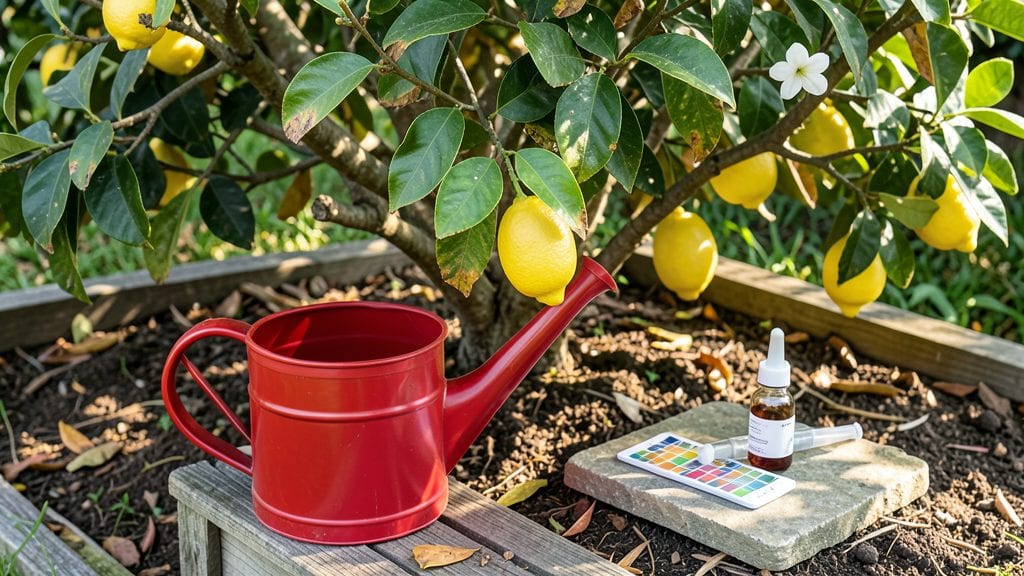
When your lemon tree leaves start drying up, panic isn’t the answer—revival is. 🌿 I’ve nursed back more than a few crispy citrus trees by tackling the real culprits: underwatering, overwatering, or hidden pests. The good news? Most cases turn around within weeks with the right fix.
First, check the soil—it’s either too dry or too soggy. Stick your finger in: if it’s bone-dry past 2 inches, you’re underwatering; if it’s muddy, you’re drowning the roots.
Then inspect the leaves for spider mites or scale insects, which suck moisture like vampires. A quick spray with soapy water or neem oil can save the day.
Once you’ve adjusted the watering schedule and treated pests, prune the damaged leaves to redirect energy to fresh growth. Within 2-3 weeks, you’ll see new, vibrant foliage pushing through. The key is acting fast—citrus trees bounce back quicker than you’d think.
This works for both container and in-ground lemon trees, whether you’re in a warm climate or struggling with winter dryness indoors. Let’s get those leaves plump and green again!
Root Causes Of Leaf Drying
Understanding why your lemon tree’s leaves are drying up starts with identifying the underlying stress factors. These issues often stem from environmental mismanagement, biological threats, or physiological imbalances. Below, we break down the most common culprits—each with a clear scientific explanation and actionable clues to spot them early.
Lemon trees (Citrus limon) are drought-tolerant but not waterproof. Both overwatering and underwatering disrupt the plant’s ability to transport nutrients and moisture through its vascular system (xylem and phloem), leading to crispy, brown edges or entire leaves wilting and drying.
- Underwatering: - Why it happens: Lemon trees thrive in well-draining soil with consistent moisture. When soil dries out, roots struggle to absorb water, causing transpiration stress (evaporation exceeds uptake).
Leaves lose turgor pressure, curl, and eventually dry from the edges inward. - Signs: Soil pulls away from the pot, leaves feel papery or brittle, and the tree appears "thirsty" with drooping foliage. - Fix: Water deeply until it drains from the bottom, then wait until the top 1–2 inches of soil are dry before watering again.
Use a moisture meter for precision.
- Overwatering: - Why it happens: Poor drainage or excessive watering leads to root asphyxiation (lack of oxygen) and fungal infections (like Phytophthora).
Roots rot, disrupting nutrient flow, and leaves yellow (chlorosis) before drying entirely. - Signs: Soggy soil, moldy mulch, and leaves that turn brown and mushy before crisping. - Fix: Repot in fast-draining soil (50% potting mix, 30% perlite, 20% sand).
Ensure pots have drainage holes and water only when the top 3 inches are dry.
Lemon trees are tropical and sensitive to extreme temperatures. Sudden shifts—whether scorching sun or frost—can cause cellular dehydration or freezing injury, leading to dried, necrotic leaf tissue.
- Heat Stress: - Why it happens: Temperatures above 90°F (32°C) for prolonged periods cause stomatal closure (leaf pores shut to conserve water), trapping heat and damaging chlorophyll.
Leaves scorch (brown patches) and dry prematurely. - Signs: Leaves bleach or crisp along edges, especially on the sun-exposed side. New growth may appear stunted. - Fix: Provide afternoon shade (use shade cloth) and mulch to retain soil moisture. Avoid fertilizing during heatwaves.
- Cold/Frost Damage: - Why it happens: Lemon trees cannot tolerate frost (below 28°F/-2°C). Ice crystals form in leaf cells, rupturing membranes and causing desiccation (drying from water loss). Even mild cold snaps (<40°F/4°C) weaken the tree. - Signs: Dark, water-soaked spots that turn brown and papery.
Buds may blacken or fail to open. - Fix: Move potted trees indoors or to a sheltered garage before frost. Use frost cloth for outdoor trees. Never place them near drafty windows or vents.
Pests like spider mites, aphids, and scale insects feed on leaf sap, disrupting nutrient flow and causing desiccation (drying from sap loss). Their saliva also triggers toxic reactions in the tree, accelerating leaf death.
- Spider Mites: - Why it happens: These microscopic pests thrive in dry, hot conditions and pierce cells to suck out moisture.
Their webbing traps humidity, worsening stress. - Signs: Tiny yellow stipples on leaves (early feeding), fine webbing on undersides, and leaves drying from the top down. - Fix: Spray leaves with neem oil (mix 1 tbsp/quart water) or introduce predatory mites.
Increase humidity with a pebble tray.
- Aphids/Scale: - Why it happens: These insects cluster on new growth, injecting toxins that cause curl and dry edges.
Heavy infestations lead to sooty mold (a black fungus from their honeydew), blocking sunlight. - Signs: Sticky residue on leaves, black mold, and leaves wilting and drying near infested areas. - Fix: Blast off pests with water spray, then apply insecticidal soap.
Prune heavily infested branches.
Lemon trees require balanced nutrients (N-P-K) for healthy foliage. Deficiencies—especially magnesium, nitrogen, or iron—disrupt photosynthesis, leading to chlorosis (yellowing) and eventual drying.
- Magnesium Deficiency: - Why it happens: Magnesium is central to chlorophyll production. Poor soil (sandy or alkaline) or over-fertilizing with nitrogen (without potassium) depletes it. - Signs: Yellow patches between leaf veins (interveinal chlorosis) that dry and crisp.
Older leaves are affected first. - Fix: Apply Epsom salt (1 tbsp/gallon water) every 2 weeks or use a citrus-specific fertilizer with magnesium.
- Iron Deficiency: - Why it happens: Iron is immobile in plants—when soil pH is above 7.0 (alkaline), iron becomes unavailable, causing chlorosis even if the soil contains it. - Signs: Young leaves turn pale yellow (not brown) and dry.
Veins stay green. - Fix: Lower soil pH with sulfur or use chelated iron (liquid fertilizer). Water with lemon juice (1 tbsp/cup water) monthly to acidify soil naturally.
- Nitrogen Deficiency: - Why it happens: Nitrogen fuels leaf growth. Over-pruning, poor soil, or leaching (from overwatering) depletes it. - Signs: Overall yellowing (not just veins), stunted growth, and leaves drying uniformly. - Fix: Use a balanced fertilizer (10-10-10) in spring and summer.
Add compost to improve soil health.
Pathogens like citrus canker or root rot thrive in wet, warm conditions, clogging vascular tissue and starving leaves of water/nutrients.
- Citrus Canker: - Why it happens: The bacterium Xanthomonas citri enters through leaf wounds, creating raised, oily lesions that disrupt water flow. - Signs: Circular brown spots with yellow halos, leaves dry and drop prematurely. - Fix: Prune infected leaves with sterilized tools, then spray with copper fungicide.
Avoid overhead watering.
- Root Rot: - Why it happens: Fungi like Phytophthora thrive in waterlogged soil, rotting roots and blocking nutrient uptake. - Signs: Mushy stems at the base, foul odor, and leaves drying even after watering. - Fix: Repot in sterile, fast-draining soil and treat roots with hydrogen peroxide (3%) to kill fungus.
Reduce watering frequency.
💡 Pro Tip: Keep a plant journal to track watering, pests, and leaf changes. Patterns (e.g., drying after watering = overwatering) reveal the root cause faster!
Quick fixes for reviving wilted lemon trees
Seeing your lemon tree’s leaves drying up can feel like a slow-motion disaster, but the good news is that most issues are fixable with targeted care. Below, we’ve mapped out practical solutions for the most common causes—from overwatering to pest invasions—along with prevention tips. Roll up your sleeves, and let’s bring that citrus queen back to life! 🌿✨
If your lemon tree is drowning in soggy soil, roots suffocate and leaves crisp up like autumn leaves. Here’s how to drain the drama:
🔥 Step 1: Check the Soil Moisture
Stick your finger 2 inches deep into the soil. If it’s damp (not bone-dry, not soggy), hold off on watering. For container trees, lift the pot—if it’s heavy, it’s overwatered.
🍳 Step 2: Improve Drainage Fast
- Repot if needed: If the soil stays wet for days, move your tree to a pot with drainage holes (or add a layer of pebbles at the bottom).
- Amend the soil: Mix in perlite or coarse sand (20% of the soil volume) to help water flow.
- Raise the pot: Place it on a saucer with feet to prevent water pooling.
👨🍳 Step 3: Adjust Your Watering Routine
Lemon trees hate “wet feet.” Water only when the top 1–2 inches of soil are dry, and use the “soak-and-dry” method:
- Water deeply until it drains from the bottom.
- Wait until the topsoil is dry before watering again.
- Pro tip: In winter, cut back to every 2–3 weeks—they need less water when dormant! 🌡️
💡 Prevention Tip:
Use a moisture meter ($10 at garden stores) to avoid guesswork. And never let your tree sit in a saucer of standing water!
Dry, crunchy leaves often mean your tree is thirsty—or fighting the heat. Here’s how to quench its thirst without drowning it:
🔥 Step 1: Water Deeply and Slowly
Give your tree a slow, thorough drink (10–15 minutes) until water runs out the drainage holes. Repeat every 5–7 days in summer, every 10–14 days in winter.
🍳 Step 2: Mulch to Lock in Moisture
Spread a 2-inch layer of mulch (wood chips or straw) around the base (but not touching the trunk). This keeps roots cool and soil moist longer.
👨🍳 Step 3: Shield from Scorching Sun
If your tree is in a hot, sunny spot, provide afternoon shade with a light cloth shade or move it to a spot with morning sun + afternoon shade.
💡 Prevention Tip:
Group plants together to create a microclimate—they’ll share moisture and protect each other from extreme heat! 🌿
Spider mites, aphids, and scale insects suck the life out of lemon leaves, leaving them dry and speckled. Act fast with these organic fixes:
🔥 Step 1: Inspect and Isolate
Check the undersides of leaves for tiny webs (mites), sticky residue (aphids), or white bumps (scale). If pests are present, quarantine the tree to stop the spread.
🍳 Step 2: Blast Them Away
- Spray with soapy water: Mix 1 tsp mild dish soap + 1 quart water in a spray bottle. Drench the tree (top and bottom of leaves) every 3–4 days for 2 weeks.
- Neem oil attack: Mix 1 tbsp neem oil + 1 tsp mild soap + 1 quart water. Spray at dusk to avoid burning leaves. Repeat weekly.
- Introduce predators: Ladybugs and lacewings eat aphids—buy them online or attract them with dill or fennel plants nearby.
💡 Prevention Tip:
Keep your tree stressed-free—healthy plants repel pests! Water consistently and fertilize every 2 months with citrus-specific food. 🎯
Powdery mildew or root rot can turn leaves brown and brittle. Stop the spread with these steps:
🔥 Step 1: Prune the Problem Areas
Cut off all affected leaves and branches with sterilized shears (wipe with rubbing alcohol). Dispose of them in the trash (not compost).
🍳 Step 2: Boost Airflow and Light
Fungus thrives in humid, shady spots. Move your tree to a bright, airy location (or trim nearby plants blocking airflow).
👨🍳 Step 3: Treat with Fungicide
- Baking soda spray: Mix 1 tbsp baking soda + 1 tsp soap + 1 gallon water. Spray every 7–10 days.
- Copper fungicide: Follow label instructions for organic copper-based sprays (e.g., Bonide Copper Fungicide).
💡 Prevention Tip:
Avoid overhead watering—water at the base of the tree to keep leaves dry. 🌧️
Yellowing or drying leaves can signal a hunger for nitrogen, iron, or magnesium. Here’s how to feed the fix:
🔥 Step 1: Test Your Soil
Use a DIY soil test kit (available at garden centers) to check pH and nutrient levels. Lemon trees prefer slightly acidic soil (pH 6.0–7.0).
🍳 Step 2: Fertilize Right
- Balanced fertilizer: Use a 10-10-10 or 8-3-9 formula every 2 months in spring/summer.
- Epsom salt for
Frequently asked questions
Why are my lemon tree leaves drying up from the edges first?
Edge browning usually signals underwatering or low humidity. Lemon trees need consistent moisture—check if the top 1-2 inches of soil are dry. Increase humidity with a pebble tray or group plants together to create a microclimate.
Can I save my lemon tree if most leaves are already crispy?
Yes! Prune the dried leaves immediately to redirect energy to healthy growth. Focus on fixing the root cause (watering, pests, or nutrients) and new leaves should emerge within 2-4 weeks. Severe cases may need repotting with fresh, well-draining soil.
How often should I water a lemon tree to prevent leaf drying?
Water when the top 1-2 inches of soil are dry—typically every 5-7 days in summer and every 2-3 weeks in winter. Always use pots with drainage holes and avoid soggy soil. A moisture meter helps track needs precisely.
What's the fastest way to tell if my lemon tree has spider mites?
Look for tiny yellow dots on leaves (early feeding) or fine webbing on undersides. Wipe a leaf with a damp cloth—mites will leave behind a dusty residue. Treat immediately with neem oil or soapy water to prevent leaf drying.
Will Epsom salt help my lemon tree's drying leaves?
Yes! Epsom salt provides magnesium, which prevents interveinal chlorosis (yellowing between veins). Mix 1 tablespoon per gallon of water and apply monthly during growing seasons. It also improves soil structure for better moisture retention.