
Flowers
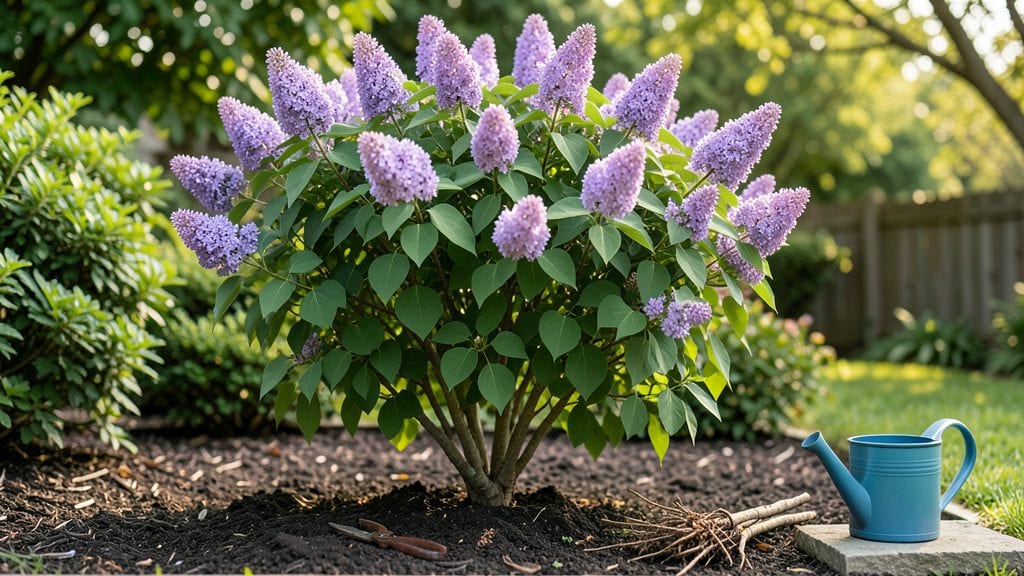
That fragrant lilac ornamental tree transforms a plain yard into a spring masterpiece—my three-year-old sapling now blooms in purple clouds that draw neighbors with its scent. 🌸 to the fence for a sniff.
The secret isn’t just the flowers, though; it’s how you place it to make the whole yard feel like a showstopper.
Lilacs shine as a focal point near patios or walkways, where their height and perfume create an instant welcome. They also work as privacy hedges, though you’ll need to space them about 6 feet apart for full coverage.
Pair them with bleeding hearts or hostas for a layered look, or let them stand alone against a dark evergreen for dramatic contrast. The key is giving them room to grow—these trees can reach 10-15 feet tall and wide if left unpruned.
By year three, you’ll get those legendary blooms in late spring, with some varieties lasting weeks. The scent alone makes it worth the wait, but the visual impact? Jewel-toned clusters that turn heads before summer even arrives.
Prune lightly after flowering to keep the shape tidy, and you’ll have a tree that’s both functional and breathtaking—no fancy landscaping degree required.
Works in full sun or partial shade, though southern exposures bring the most fragrance. Perfect for small yards, cottage gardens, or even urban spaces where you want low-maintenance elegance. Here’s how to make yours the talk of the neighborhood.
📚 In This Guide
- What you need
- Instructions
- Tips and common mistakes
- Wrapping up and next steps
What you need
- ● Lilac Tree Nursery Stock: Choose Syringa vulgaris or a hybrid variety (e.g., 'Katherine Havemeyer' or 'President Lincoln'). Opt for a 1- to 3-gallon container-grown sapling for best transplant success.
- ● High-Quality Potting Soil: 50 lbs of well-draining, loamy soil (mix ⅔ garden soil + ⅓ compost or peat moss). Avoid heavy clay.
- ● Organic Fertilizer: 10-10-10 slow-release granules (e.g., Osmocote) or a balanced bloom booster (like Miracle-Gro Shake ’n Feed).
- ● Mulch: 2–3 cubic feet of wood chips or shredded bark (keep 3–4 inches away from the trunk).
- ● Watering Can or Hose: With a gentle spray nozzle (lilacs hate soggy roots!).
- ● Garden Trowel (for digging holes)
- ● Shovel (for amending soil)
- ● Pruning Shears (sterilized, sharp blades)
- ● Measuring Tape (to ensure proper spacing)
- ● Garden Gloves (to protect your hands)
- ○ Stakes & Twine (Optional) – Use 2–3 stakes if planting in windy areas.
- ○ Soil pH Test Kit (Optional) – Lilacs thrive in neutral to slightly alkaline soil (pH 6.0–7.5).
- ● Sunlight: A full-sun location (6+ hours/day). Partial shade may reduce flowering.
- ● Spacing: Plant saplings 8–10 feet apart (allow for mature canopy spread).
- ● Timing: Best planted in early spring or fall (avoid extreme heat/cold).
- ● Drainage Check: Ensure the planting site has well-draining soil (lilacs hate waterlogged roots!).
Step-by-Step instructions for planting and cultivating a lilac ornamental tree
Here’s how to establish a fragrant, long-lived lilac that thrives for decades with minimal fuss.
🌱 Step 1: Choose the Right Location and Prepare the Soil
Lilacs demand full sun—at least 6 hours daily—and well-draining soil. I always pick a spot with morning sunlight and afternoon shade to prevent leaf scorch, especially in hotter climates. Test your soil’s pH: lilacs prefer slightly alkaline conditions between 6.0 and 7.5. If your soil is too acidic, amend it with 1-2 pounds of crushed limestone per square yard and mix it into the top 12 inches.
Dig a hole twice as wide as the root ball but no deeper. The top of the root ball should sit 1-2 inches above ground level to prevent waterlogging. Loosen the sides of the hole with a shovel to encourage root spread. Here’s the thing—lilacs hate soggy roots, so if your soil drains poorly, add 2-3 inches of coarse sand or perlite to the bottom of the hole before backfilling.
🪴 Step 2: Plant the Lilac with Care to Ensure Strong Root Establishment
Remove the lilac from its container and gently tease apart any circling roots—this prevents girdling as the tree matures. Place it in the hole so the root flare (where roots meet the trunk) is visible above the soil line. Backfill with native soil mixed with compost to improve fertility, tamping lightly every 6 inches to eliminate air pockets.
Water deeply right after planting to settle the soil and encourage root contact. You’ll know it’s done correctly when water drains freely from the hole’s bottom—no standing water. Mulch the base with 2-3 inches of wood chips, keeping it 6 inches away from the trunk to prevent rot. This mulch ring retains moisture and regulates soil temperature, which lilacs appreciate in their first critical growing season.
☀️ Step 3: Water and Fertilize for the First Two Years
Lilacs establish slowly, so consistent moisture is key. Water once a week during the first year, delivering 10-15 gallons per tree to encourage deep root growth. You’ll notice new shoots emerging in early spring—that’s your signal to increase watering to every 5-7 days until the tree is fully leafed out. After two years, lilacs become drought-tolerant, but young trees need steady hydration to support their canopy.
Fertilize lightly in early spring with a balanced 10-10-10 formula, applying ½ pound per inch of trunk diameter. For example, a 3-inch diameter trunk gets 1.5 pounds of fertilizer. Avoid high-nitrogen blends—they promote leafy growth at the expense of flowers. I’ve found that lilacs reward patience: skip fertilizing in their third year entirely to let the roots strengthen.
✂️ Step 4: Prune Strategically to Encourage Blooms and Shape the Tree
Prune lilacs immediately after flowering, when buds for next year’s blooms begin to form. Remove one-third of the oldest stems at the base to rejuvenate the tree and stimulate new growth. This is the moment that matters: if you prune in late summer or fall, you’ll cut off next year’s flower buds. Use clean, sharp pruners to make cuts at a 45-degree angle just above a outward-facing bud.
Thin out crowded branches to improve airflow, which prevents fungal diseases like powdery mildew. You’ll see the difference in just one season—better light penetration and fewer sickly leaves. Avoid heavy pruning in the first two years; lilacs establish their flowering framework early, and aggressive cuts can delay blooms for years. Real talk: lilacs bloom on old wood, so prune lightly in their youth to preserve those fragrant clusters.
⏰ Step 5: Protect and Maintain for Long-Term Beauty
Watch for aphids or borers in early summer—they’re the biggest threats to lilacs. Spray with neem oil at the first sign of infestation, and repeat every 7-10 days until pests disappear. Lilacs are generally low-maintenance, but a light application of fungicide in spring can prevent powdery mildew if your climate is humid. I’ve seen lilacs live for 50+ years with minimal intervention, so once established, they’re essentially set-and-forget plants.
In their third year, lilacs typically produce their most abundant blooms. That’s when you’ll know you’ve done everything right—a canopy of fragrant purple, pink, or white flowers that lasts 2-3 weeks. To prolong their life, avoid transplanting after maturity—lilacs resent root disturbance. Instead, focus on annual pruning, mulching, and light feeding to keep them thriving for generations.
Tips & tricks for perfect lilac ornamental tree planting
Here's what I've learned after planting and nurturing lilacs for over a decade—these details make all the difference between a struggling shrub and a fragrant, long-lived centerpiece.
Location and Soil Secrets: That 6-hour daily sunlight requirement is non-negotiable, but I've found the morning sun/afternoon shade combo prevents leaf scorch in hot climates. For the soil pH test, I use a simple home kit—lilacs really do thrive between 6.0-7.5. If your soil tests below 6.0, don't just sprinkle limestone on top. Mix that 1-2 pounds per square yard into the top 12 inches for even distribution. The difference in root health is dramatic.
Planting Technique That Changed Everything: When teasing apart circling roots in Step 2, I've learned to be gentle but thorough. Use your fingers to carefully separate any roots growing in tight circles—they'll strangle your tree as it matures. That root flare visibility check is crucial too: if it's buried, your tree will develop weak branch structure. I mark the root flare with a pencil before planting to ensure proper placement.
Watering Wisdom: Those 10-15 gallons per watering in the first year might seem like a lot, but it's essential for deep root establishment. I use a rain gauge to measure exactly 10 gallons per watering session—this consistency is what builds strong root systems. The key is watering deeply but infrequently rather than light daily sprinkles. After two years, you'll notice the tree's natural drought tolerance kicks in, but don't skip those early waterings.
Pruning Precision: The timing for Step 4 pruning is everything—wait until right after flowering when next year's buds are forming. I always prune on a dry morning when the tree is fully leafed out. For that one-third oldest stems removal, I count stems rather than guess by appearance. And those 45-degree angle cuts? They're not just for looks—they prevent water from pooling on the cut surface, reducing disease risk.
Pro Tips for Lilac Ornamental Tree
- Here's what I've learned after planting and nurturing lilacs for over a decade—these details make all the difference between a struggling shrub and a fragrant, long-lived centerpiece.
- Location and Soil Secrets: That 6-hour daily sunlight requirement is non-negotiable, but I've found the morning sun/afternoon shade combo prevents leaf scorch in hot climates.
- Planting Technique That Changed Everything: When teasing apart circling roots in Step 2, I've learned to be gentle but thorough.
Frequently asked questions
Got questions about growing your own fragrant lilac tree?
Here are answers to the most common ones—so you can enjoy that dreamy spring aroma sooner!
When is the best time to plant a lilac tree?
The ideal time to plant a lilac is in early spring (after the last frost) or early fall (4-6 weeks before the first frost). This gives roots time to establish before extreme temperatures. If planting in summer, water deeply and mulch to retain moisture.
How much sunlight does a lilac tree need?
Lilacs thrive in full sun (6+ hours daily), but they tolerate partial shade (4-6 hours). Too much shade can reduce flowering. For best blooms, plant in a spot with morning sun and afternoon shade in hot climates.
Do lilac trees need pruning? If so, when?
Yes! Prune lilacs right after flowering (late spring/early summer) to shape the tree and encourage next year’s blooms. Avoid heavy pruning in fall/winter—it removes next year’s flower buds. Use clean, sharp shears and remove no more than 1/3 of the plant at a time.
What pests or diseases should I watch for?
Common lilac pests include borers, aphids, and spider mites. Diseases like powdery mildew or botrytis blight can occur in humid conditions. Improve airflow, avoid overhead watering, and use neem oil or insecticidal soap if needed. Resistant varieties (e.g., ‘Dwarf Korean’) are great for beginners!
Can I grow lilacs in containers or small spaces?
Yes! Dwarf varieties like ‘Miss Kim’ or ‘Munstead’ work well in large containers (15+ gallons). Use well-draining soil, water regularly, and fertilize lightly in spring. Place in a sunny spot and repot every 2-3 years. Just avoid overcrowding—lilacs need room to grow!
Pro Tip:
For longer-lasting blooms, deadhead spent flowers (remove faded blossoms) but leave seed pods for winter interest. And if your lilac isn’t flowering? It might need more sun or a light pruning to stimulate new growth!
Wrapping up and next steps
The lilac ornamental tree is a fragrant, low-maintenance gem that transforms your garden into a springtime paradise in just three years! With its stunning blooms, hardy nature, and ease of care, it’s the perfect choice for adding beauty and charm to any outdoor space.
Whether you’re a seasoned gardener or a beginner, this tree offers years of joy with minimal effort.
Ready to plant your own lilac masterpiece? Start by gathering your supplies, choosing the right variety, and following the simple steps outlined above. Your fragrant, blossoming oasis awaits—go ahead and make it a reality! 🌸