
Planting
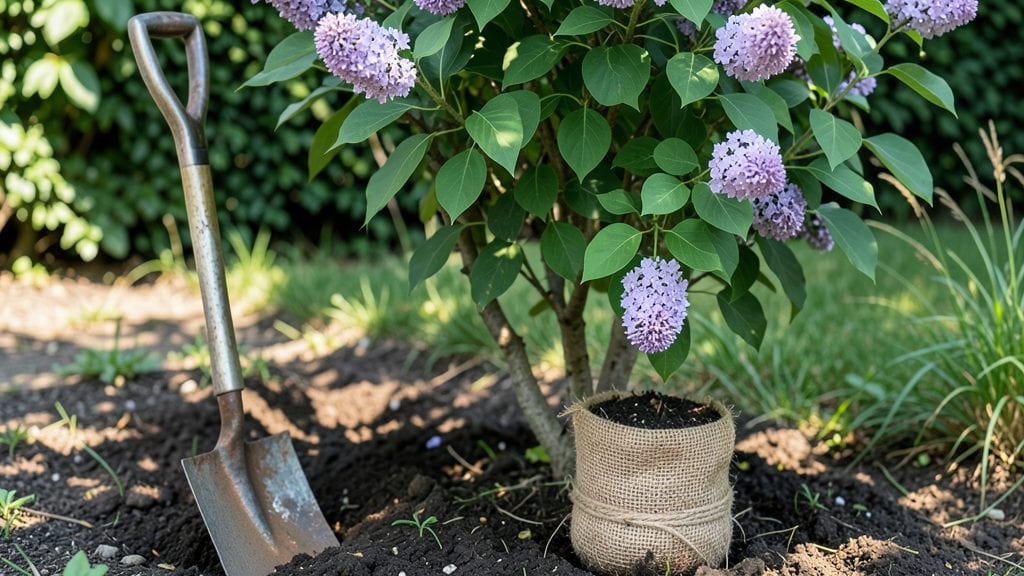
A lilac tree transplant doesn't have to mean losing those showstopping spring blooms. I've moved three mature lilacs myself, and the secret lies in timing, root care, and a little extra patience—none of the drama you might expect.
The right approach turns what feels like a risky gamble into a smooth process that keeps your tree thriving for decades.
Most people rush transplanting in early spring when they see buds forming, but that's when the tree is already stressed from dormancy breaking. Instead, aim for late fall when the leaves have dropped and the ground is cool but not frozen.
You'll need basic tools—a sharp shovel, burlap, stakes, and a wheelbarrow—but the real magic happens with how you handle the roots. Prune any dead branches first, then dig a wide hole twice as big as the root ball to give roots room to stretch out.
After transplanting, the first few weeks are critical. Keep the soil consistently moist but never soggy—think of it like giving your lilac a drink of water every 3-4 days until new growth appears. Mulch around the base to lock in moisture and protect roots from temperature swings.
Within a year, your tree will bounce back with even more vigorous blooms than before, proving that a little care during transplant pays off in spectacular fragrance for years to come.
This method works for both young lilacs and mature trees, though larger specimens need extra support with stakes during their first growing season. The key is treating the transplant like a fresh start—not a punishment.
Your neighbors will be jealous when their lilacs struggle while yours rebound with bold purple clusters that smell like spring in a bottle.
📚 In This Guide
- What you need
- Instructions
- Tips and common mistakes
- Wrapping up and next steps
What you need
- ● Pruning shears or sharp bypass pruners – For trimming roots and branches (clean, sterilized blades preferred).
- ● Shovel or digging spade – A heavy-duty 12- to 14-inch spade for digging the root ball (borrow one if needed!).
- ○ Garden fork or root pruner – To gently loosen compacted soil around roots (optional but helpful for mature trees).
- ● Burlap or landscape fabric – 3–4 feet wide and long enough to wrap the root ball (avoid plastic—it can strangle roots!).
- ● Twine or garden tape – To secure the burlap (jute twine works best for biodegradability).
- ● Wheelbarrow or tarp – For transporting the tree (a damp tarp prevents soil loss).
- ● Compost or aged manure – 2–3 gallons to amend the new planting hole (boosts nutrients!).
- ● Mulch (wood chips or shredded bark) – 2–3 inches thick, kept away from the trunk (preserves moisture).
- ● Watering can or hose with a gentle nozzle – For post-transplant hydration (aim for deep watering).
- ● Root stimulator or mycorrhizal fungi – Sprinkle in the hole to encourage root growth (follow package instructions).
- ● Tree staking kit (stakes + straps) – Only if your lilac is very tall or top-heavy (use sparingly to avoid girdling).
- ● Soil tester kit – To check pH (lilacs prefer 6.0–7.0; amend with lime or sulfur if needed).
- ● Plant-based fertilizer (balanced 10-10-10) – Light application 4–6 weeks post-transplant (avoid heavy feeding!).
Step-by-step instructions for transplanting a lilac tree
Move your lilac tree with confidence—these steps minimize shock and keep those fragrant blooms coming.
Choose the Right Time and New Location
Transplant lilacs in early spring or fall when temperatures are mild—4-6 weeks before the first hard frost or after blooming ends. Avoid extreme heat or cold, which stresses plants. Pick a spot with full sun (at least 6 hours daily) and well-draining soil. Lilacs hate soggy roots, so avoid low areas where water pools.
Measure the tree’s current root zone—it should be at least 2 feet wider than the existing hole. Mark the new planting spot with stakes to visualize the space. Test the soil by digging a 6-inch hole—if water sits for more than 30 minutes, amend with 2 inches of compost to improve drainage.
Dig the New Hole and Prepare the Tree
Dig the new hole twice as wide as the root ball but no deeper—lilacs prefer sitting 1-2 inches higher than the original soil line to prevent root rot. Loosen the sides of the hole with a shovel to encourage root spread. Mix 1 part compost into the native soil removed from the hole to enrich it.
Water the tree 24 hours before transplanting to hydrate roots. On moving day, prune any dead or damaged branches and trim 1/3 of the oldest stems at the base to reduce stress. Wrap the root ball in burlap if moving a large specimen, but remove it immediately after planting.
Lift and Transport the Lilac Tree
Dig a clean, vertical edge around the root ball, stepping back 12-18 inches from the trunk. Use a shovel or transplant spade to lift the tree gently, keeping the root ball intact. If the tree is large, slide a wide tarp under the root ball to support it while lifting. Transport immediately—never let roots dry out.
Keep the root ball moist but not soggy during transport. For long distances, place the tree in a wheelbarrow or truck bed and cover the root ball with a damp towel to retain moisture. Avoid bending branches or letting the root ball tip over—lilacs are sturdy but sensitive to rough handling.
Plant and Secure the Transplanted Lilac
Lower the tree into the new hole, centering it so the trunk is straight and upright. Fill the hole with the amended soil mix, tamping gently every 2 inches to remove air pockets. Water deeply to settle the soil, then add more if the hole isn’t fully filled. The top of the root ball should sit 1-2 inches above the surrounding soil.
Stake the tree only if necessary—lilacs rarely need support unless the site is windy. If staking, use 2-3 stakes tied loosely to the trunk with soft fabric strips (never wire). Mulch the base with 2-3 inches of organic mulch, keeping it 6 inches away from the trunk to prevent rot. Water deeply once a week for the first month to help roots establish.
Care for the Lilac After Transplanting
Prune lightly in early spring to shape the tree, but avoid heavy pruning for at least 1 year—new growth takes energy away from root establishment. Monitor for yellowing leaves or wilting, which signals overwatering or stress. Lilacs are drought-tolerant once established, so water only when the top 2 inches of soil feel dry.
Fertilize lightly in spring with a balanced 10-10-10 formula (follow package rates). Avoid high-nitrogen fertilizers, which encourage leafy growth over blooms. By next spring, your lilac should rebound with full, fragrant blooms—proof the transplant was a success.
Tips & tricks for stress-free lilac tree transplanting
Relocating a lilac tree doesn't have to be stressful—these practical tips will help you avoid common pitfalls and ensure your fragrant beauty thrives in its new home.
Timing is Everything: The 24-hour hydration period before transplanting is crucial—it ensures roots are plump with water, making them more resilient during the move. I've seen roots dry out quickly when skipped, leading to transplant shock. If you're working with a large tree, consider hydrating for 48 hours in extreme heat to compensate for evaporation. The 4-6 week window before frost is non-negotiable; lilacs need time to establish roots before winter sets in.
Root Ball Protection: When lifting the tree in Step 3, maintain that clean vertical edge around the root ball—this prevents tearing roots that take years to develop. For mature trees, use a wide tarp to support the root ball while lifting, especially if the tree is heavy. I've made the mistake of lifting by the trunk alone, which caused root damage that took years to recover from. Keep the root ball moist but not soggy during transport by covering it with a damp towel—this simple step prevents dehydration stress.
Soil Preparation Matters: The 2-inch compost amendment in Step 1 isn't optional—it provides essential nutrients while improving drainage. Test your soil thoroughly before planting; if water sits beyond 30 minutes in your test hole, you'll need more compost or consider raised beds. I've seen lilacs struggle in heavy clay soil, so don't skip this diagnostic step. The 6-inch mulch layer after planting creates a perfect microclimate for root growth while preventing soil compaction.
Post-Transplant Care: That first month of weekly deep watering is critical—it establishes the root system before the tree has to fend for itself. I've noticed lilacs wither when watered lightly but frequently, so focus on deep saturation. The 1-year pruning restriction prevents energy drain from new growth; resist the urge to shape your tree immediately. By next spring, you'll see why patience pays off with those signature fragrant blooms.
Pro Tips for Lilac Tree Transplant
- Relocating a lilac tree doesn't have to be stressful—these practical tips will help you avoid common pitfalls and ensure your fragrant beauty thrives in its new home.
- Timing is Everything: The 24-hour hydration period before transplanting is crucial—it ensures roots are plump with water, making them more resilient during the move.
- Root Ball Protection: When lifting the tree in Step 3, maintain that clean vertical edge around the root ball—this prevents tearing roots that take years to develop.
Frequently asked questions
Got questions about transplanting your lilac tree? You’re not alone! Here are some of the most common concerns—and their solutions—to help you tackle this project with confidence.
When is the best time to transplant a lilac tree?
The ideal window is late fall or early spring (before buds swell or after blooming). Avoid transplanting in summer heat or winter frost—both stress the tree. Pro tip: If you must move it in summer, water deeply 2–3 days beforehand to reduce shock.
How do I prepare my lilac tree for transplanting to minimize stress?
Start by pruning 1/3 of the branches 6–8 weeks before moving to reduce foliage load. Water the tree thoroughly 1–2 days before transplanting to keep roots hydrated. On moving day, dig a wide, shallow trench around the root ball (not deeper than the roots) to avoid damaging the taproot.
What size root ball should I dig for my lilac tree?
Aim for a root ball 12–18 inches in diameter (or twice the width of the trunk). Larger root balls (up to 24 inches) work for mature trees but require more effort. Warning: Avoid circling roots—cut them gently with pruners to encourage outward growth.
Can I transplant a lilac tree in containers, or is it better in the ground?
Lilacs thrive in ground planting due to their deep root systems, but young trees (under 3 years old) can adapt to large containers (15+ gallons) if drained well. For containers, use well-draining potting mix and repot every 2–3 years. Ground planting offers better long-term stability and fragrance!
What should I do if my lilac tree looks wilted after transplanting?
Wilted leaves are normal—your tree is adjusting! Water deeply daily for 1–2 weeks (until soil is moist 6 inches down), then taper to weekly watering. Mulch the base (2–3 inches) to retain moisture, and avoid fertilizing for 6–8 weeks to reduce stress. Most lilacs bounce back within 3–4 weeks.
How can I ensure my transplanted lilac blooms next year?
Blooms rely on last year’s growth, so prune only after flowering. Avoid heavy pruning the first year to preserve energy. Ensure full sun (6+ hours daily) and well-draining soil—lilacs hate soggy roots. A balanced fertilizer (10-10-10) in early spring (after blooming) can boost health.
Wrapping up and next steps
Transplanting your lilac tree doesn’t have to be a stressful task—with the right timing, tools, and care, you can give your fragrant blooms a fresh start! 🌸 Remember, patience and preparation are key: choose the ideal season, prepare the new site thoroughly, and handle the roots with gentleness.
Your lilac will reward you with vibrant blooms for years to come.
Ready to take the next step? Mark your calendar for early spring or fall, gather your supplies, and roll up your sleeves. Your lilac’s new home is waiting—let’s make it a success! 🌱