
Diseases
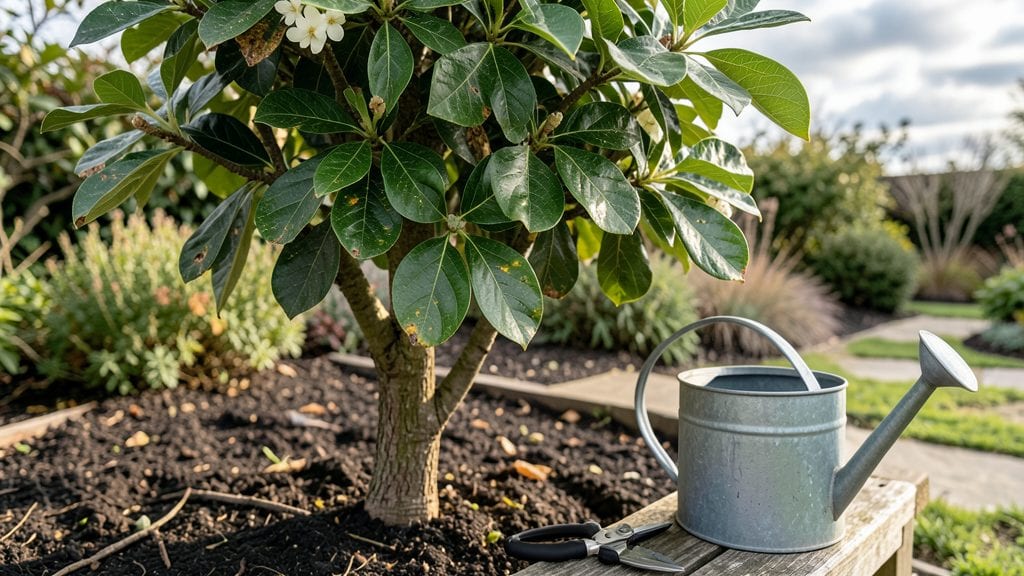
Loquat tree diseases can turn your lush harvest into a disappointment faster than you think. 🌿 I’ve seen anthracnose blacken fruit within weeks and root rot collapse trees before they even bloom—early detection is the only way to save them.
The good news? Most issues start with visible signs: dark spots on leaves, oozing cankers, or wilting branches that don’t bounce back. Spotting them early means you can act before the tree’s health spirals.
Fungal threats like anthracnose and leaf spot love warm, wet conditions, while bacterial infections often sneak in through wounds or poor pruning practices. My loquat tree nearly died from root rot last summer—turns out, the drip irrigation was pooling water at the base.
The fix? Adjusting water flow and applying a copper fungicide mix. Even chemical treatments work best when paired with preventive care: pruning for airflow, mulching to keep roots dry, and choosing disease-resistant varieties when replanting.
You’ll learn to recognize the early warning signs—like yellowing leaves or sticky residue on fruit—and how to treat them without harsh chemicals. Organic options like neem oil or baking soda sprays can work for mild cases, but stubborn infections might need targeted fungicides.
The key is acting fast: once the disease moves from leaves to branches, recovery gets a lot harder. By the end, you’ll have a checklist to keep your tree thriving year after year.
This guide covers everything from soil health to seasonal care, so you’re not caught off guard. Whether you’re dealing with a young sapling or a mature tree, the same principles apply—just adjust the scale. Let’s get your loquat back to its best before the next harvest season rolls around.
Root Causes of Loquat Tree Decline
Loquat trees (Eriobotrya japonica) are prized for their sweet fruit and glossy foliage, but they’re not immune to disease. Understanding why these issues arise is the first step to prevention.
Below, we break down the key factors that create the perfect storm for fungal and bacterial infections in loquat trees.
Fungal pathogens thrive in humid, warm environments—think of them as the uninvited guests who love a steamy, damp party. Loquat trees are especially vulnerable when:
- Summer heat + high humidity: Fungi like Phomopsis (which causes twig blight) and Gloeosporium (linked to fruit rot) spread rapidly when temperatures hover between 77–86°F (25–30°C) and moisture lingers on leaves or bark.
- Poor air circulation: Dense foliage or overcrowded trees trap moisture, creating a microclimate that fungi adore. 💡 Pro Tip: Prune strategically to improve airflow—aim for 20–30% sunlight penetration through the canopy.
- Overhead irrigation: Watering from above keeps leaves wet for extended periods, giving fungi a 24-hour buffet. ✨ Fix: Switch to drip irrigation or soaker hoses to keep foliage dry.
Even mild winters can worsen the problem—fungi survive in leaf litter or bark crevices, ready to pounce when conditions turn favorable.
Bacterial diseases, like Xanthomonas campestris (which causes bacterial leaf spot), exploit weakened defenses. Here’s how they gain entry:
- Physical injuries: Pruning cuts, hail damage, or insect bites create open doors for bacteria. 🔪⏰ Action Step: Sterilize pruning tools with 70% isopropyl alcohol before and after use to prevent cross-contamination.
- Nutritional stress: Loquat trees deficient in nitrogen, potassium, or zinc are 3x more susceptible to bacterial infections. 📊 Soil Test Tip: Check pH (ideal: 5.5–6.5) and amend with compost or balanced fertilizer (e.g., 10-10-10) if levels are off.
- Excessive nitrogen: While nitrogen fuels growth, too much makes leaves soft and watery, inviting bacterial entry. 🌱 Balance: Use slow-release fertilizers and avoid late-season applications.
Rain splashing from contaminated soil or infected tools can also spread bacteria across the tree.
Unhealthy soil and improper watering set the stage for disease. Key culprits include:
| Problem | Why It Matters | Solution |
|---|---|---|
| Compacted or waterlogged soil | Poor drainage drowns roots, weakening the tree’s immunity. Fungi like Phytophthora thrive in soggy conditions. | Amend soil with perlite or sand and ensure 1–2 inches of drainage in containers. |
| Salinity buildup | Over-fertilization or poor-quality water leaves salt deposits, stressing roots and inviting disease. | Flush soil with 3–4 inches of water monthly and use rainwater or filtered tap water. |
| Sudden drought stress | Drought weakens the tree, making it more vulnerable to opportunistic pathogens. | Water deeply 1–2 times per week (adjust for climate) and mulch to retain moisture. |
💡 Key Insight: Most diseases start with stress. A healthy tree with good airflow, balanced nutrients, and proper hydration is far less likely to fall prey to fungal or bacterial attackers.
How to Fix Loquat Tree Ailments
Now that you’ve identified the issue plaguing your loquat tree, it’s time to take action. Early intervention is key to saving your tree and ensuring a bountiful harvest.
Below are practical, step-by-step solutions tailored to the most common fungal and bacterial diseases, along with prevention tips to keep your tree thriving.
1. Fixing Anthracnose (Dark Spots & Blight)
Cause: Colletotrichum fungus thrives in warm, humid conditions. Solution: 🔥 Prune Infected Branches – Use sterilized pruners (wipe with rubbing alcohol between cuts) to remove all affected leaves, twigs, and fruit. Dispose of them in a sealed bag or burn them.
🍳 Apply Fungicide – Spray a copper-based fungicide (like Bordeaux mixture) or a neem oil solution (2 tbsp neem oil + 1 tsp mild soap per gallon of water) every 7–10 days during wet seasons.
👨🍳 Improve Airflow – Thin out dense foliage to reduce humidity. Space trees 8–10 feet apart for better airflow.
🌡️ Prevention Tips: ✔ Water at the base (avoid overhead sprinkling). ✔ Mulch with straw (not wood chips) to deter fungal spores. ✔ Remove fallen leaves regularly to eliminate spores.
2. Treating Powdery Mildew (White Dusty Coating)
Cause: Oidium fungus spreads rapidly in shady, damp areas. Solution: 🔥 Clean the Tree – Spray off mildew with a hose (gentle pressure) or wipe leaves with a damp cloth.
🍳 Use Baking Soda Spray – Mix 1 tsp baking soda + 1 tbsp oil + 1 tsp soap per gallon of water. Spray every 7 days until gone.
👨🍳 Boost Sunlight & Airflow – Prune to open the canopy and ensure 6+ hours of sunlight daily.
🎯 Prevention Tips: ✔ Avoid overhead watering—use drip irrigation. ✔ Space trees properly to prevent overcrowding. ✔ Plant mildew-resistant varieties (e.g., ‘Algerie’ loquat).
3. Combating Root Rot (Mushrooms at the Base)
Cause: Phytophthora or Fusarium fungi from overwatering or poor drainage. Solution: 🔪 Drain the Soil – If the soil is waterlogged, amend with perlite or sand to improve drainage.
⏰ Adjust Watering – Water only when the top 2 inches of soil are dry. Use a moisture meter if needed.
💡 Fungal Treatment – Apply hydrogen peroxide (3%) to the soil (1 part peroxide to 10 parts water) to kill fungi.
🌱 Prevention Tips: ✔ Plant on a slight mound to encourage runoff. ✔ Avoid compacted soil—loosen with a garden fork. ✔ Use raised beds if drainage is poor.
1. Eradicating Bacterial Leaf Spot (Water-Soaked Spots)
Cause: Xanthomonas bacteria spread via rain splashes and infected tools. Solution: 🔥 Remove & Destroy Infected Parts – Cut out all spotted leaves and branches. Do not compost them—burn or trash them.
🍳 Copper Fungicide Spray – Use a copper-based bactericide (like Copper Sulfate) every 2 weeks during wet periods.
👨🍳 Sterilize Tools – Clean pruners with bleach (1:10 ratio) or rubbing alcohol after each use.
🎯 Prevention Tips: ✔ Water in the morning so leaves dry quickly. ✔ Avoid wetting foliage—use drip irrigation. ✔ Rotate copper treatments to prevent resistance.
2. Fixing Canker Disease (Sunken, Oozing Wounds)
Cause: Pseudomonas syringae bacteria infect through wounds or pruning cuts. Solution: 🔪 Prune Out Cankers – Cut 6 inches below the infected area with sterilized tools. Burn or trash the removed wood.
🍳 Apply Wound Dressing – Coat pruning cuts with pruning sealant or copper-based paste to prevent reinfection.
💡 Strengthen the Tree – Fertilize with balanced NPK (10-10-10) to boost immunity.
🌱 Prevention Tips: ✔ Prune during dry weather to minimize bacterial spread. ✔ Avoid heavy pruning—only remove necessary branches. ✔ Disinfect tools between cuts (even on the same tree!).
To prevent future outbreaks, follow these year-round habits: ✅ Monitor regularly – Check leaves weekly for early signs. ✅ Rotate treatments – Avoid using the same fungicide repeatedly. ✅ Test soil pH – Loquats prefer 6.0–7.0; amend if needed. ✅ Encourage beneficial insects – Ladybugs and lacewings naturally control pests.
Final Reminder: 🚨 Act fast! The sooner you treat, the better the chances of saving your loquat tree. With consistent care, your tree can bounce back stronger and reward you with sweet, golden fruit for years to come. 🍊✨
Frequently asked questions
What are the first signs of fungal infections on loquat trees?
Look for dark brown or black spots on leaves (anthracnose) or white powdery coatings (mildew). Fruit may develop sunken lesions or oozing cankers—these are clear red flags. Early detection is critical, so inspect leaves weekly during humid seasons.
Can I use household items like baking soda to treat loquat tree diseases?
Yes! A baking soda spray (1 tsp baking soda + 1 tbsp oil + 1 tsp soap per gallon of water) works well for powdery mildew. For bacterial spots, mix 1 part hydrogen peroxide (3%) with 10 parts water and apply as a soil drench. Always test on a small area first.
How often should I prune to prevent diseases?
Prune 2–3 times per year: once in late winter (before buds swell), again after harvest, and lightly in summer to improve airflow. Remove dead/diseased branches immediately and sterilize tools between cuts with 70% isopropyl alcohol.
When should I call a professional for loquat tree diseases?
If you see mushrooms at the base (root rot), large cankers oozing sap, or widespread leaf drop, consult an arborist. Severe cases may require systemic fungicides or soil amendments beyond DIY fixes. Don’t wait—act fast to avoid tree loss.
Are there disease-resistant loquat varieties?
Yes! Varieties like 'Algerie' and 'Mogán' show better resistance to fungal diseases. If your area has a history of anthracnose, opt for these when replanting. Healthy rootstock also helps—ask nurseries about grafted trees for added protection.