
Blooming
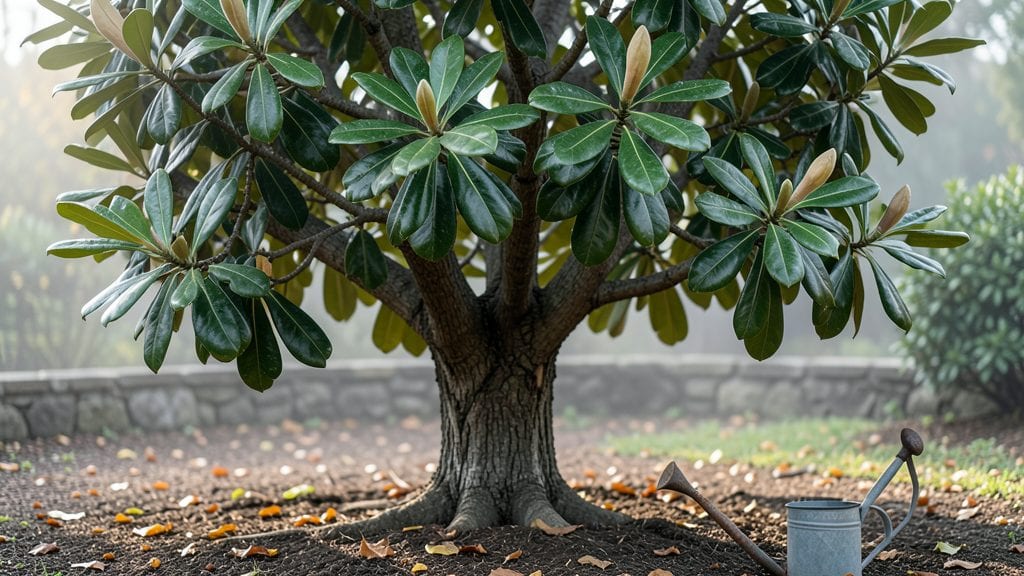
The magnolia tree before bloom is all about patience and preparation—those gnarled branches and bare limbs hold the secret to next spring’s showstopper flowers. 🌱 I’ve learned that the real work happens in winter, when the tree’s energy shifts underground, storing up for the spectacular display ahead.
Look for those signature candle-like buds along the branches—thick, waxy, and often purple-tinged before they burst into bloom. Unlike other trees that drop leaves or lose structure in winter, magnolias keep their architectural form, making them easy to spot even when dormant.
Pruning now is a game-changer, but only if you time it right after the final frost.
With the right layered chill—a mix of cold winter nights and warm days—you’ll see those buds swell by early spring. The foliage might still be sparse, but the tree’s resilience is unmistakable. A little mulch now keeps roots happy, and you’ll thank yourself when those massive blooms arrive.
This stage is where you set the stage for drama. Whether you’re a first-time grower or a seasoned gardener, understanding what’s happening beneath the surface makes all the difference. Let’s get into the details—your magnolia’s grand entrance starts now.
📚 In This Guide
- What you need
- Instructions
- Tips and common mistakes
- Wrapping up and next steps
What you need
- ● Magnolia tree: A healthy, mature tree (species like Magnolia grandiflora or Magnolia stellata work best). Ensure it’s planted in well-draining soil with partial shade.
- ● Thermometer (digital or maximum-minimum): To monitor temperatures accurately (range: -10°F to 50°F / -23°C to 10°C).
- ● Frost cloth or burlap: Breathable fabric (10–20 ft length, depending on tree size) to protect buds without trapping heat.
- ● Twine or clothespins: For securing frost cloth loosely around the tree (avoid tight wrapping!).
- ● Mulch (straw or wood chips): 2–3 inches deep around the base (keep 6+ inches away from the trunk).
- ● Watering can or hose with gentle nozzle: For deep watering (1–2 gallons per week, depending on weather).
- ○ Pruning shears (sterilized): For trimming dead or damaged branches post-chill (optional but helpful).
- ● Heating mat or string lights: For small potted magnolias (wrapped loosely around the pot to simulate mild cold snaps).
- ● Soil thermometer: To check root-zone temps (ideal: 35–45°F / 2–7°C for dormancy).
- ● Bud protectant spray: A light coating of horticultural oil to shield buds from early frost (apply sparingly!).
- ● Journal or app: To log temperature data, watering schedules, and bud development (e.g., Gardenize or a simple notebook).
Layered chill blueprint for predictable magnolia bloom timing
Here's how to manipulate your magnolia's winter dormancy for reliable spring blooms.
🌱 Step 1: Verify Your Magnolia's Chill Requirements
Magnolias need 600-1,000 hours below 45°F to trigger blooming. Check your local climate records or use a chill hour calculator to determine if your region naturally meets this threshold. Southern magnolias typically need 300-500 hours, while northern varieties like 'Annabel' require 800-1,000 hours. If your area falls short, you'll need to supplement with artificial chilling.
Look for bud swell in late winter—this is your first visual cue that chilling requirements are being met. Healthy buds should appear plump and green, not shriveled or brown. If buds remain dormant past your region's usual bloom window, your tree likely needs more chilling hours.
☀️ Step 2: Optimize Light Exposure During Dormancy
Position your magnolia to receive full sun exposure (6+ hours daily) even during winter months. While dormancy reduces active growth, adequate light ensures the tree stores enough energy for spring blooms. Prune any overhanging branches that block winter sunlight, especially on the south or west sides of the tree.
Use a reflective mulch (like white gravel or aluminum foil) around the base to bounce extra light onto the trunk and lower branches. This helps stimulate bud break in smaller, shaded branches that might otherwise remain dormant. Avoid heavy mulch piles—keep it 2-3 inches deep to prevent moisture buildup that can cause root rot.
💧 Step 3: Adjust Watering for Winter Dormancy
Reduce watering to once every 3-4 weeks during dormancy unless your region experiences freezing temperatures below 20°F. Deep watering encourages root development without promoting new growth that could be damaged by late frosts. Check soil moisture by pushing a 6-inch probe into the ground—if it comes out dry, water thoroughly.
If your magnolia is in a container, reduce watering to every 4-6 weeks and ensure the pot has drainage holes to prevent waterlogging. Container-grown magnolias dry out faster in winter, and overwatering can lead to root suffocation during dormancy. Use a moisture meter for accuracy—aim for 30-40% soil moisture at 6-inch depth.
⏰ Step 4: Time Artificial Chill Supplementation
If your region lacks sufficient natural chill hours, create artificial conditions by placing the tree in a cool, unheated garage or basement for 4-6 weeks during winter. Maintain temperatures between 35-45°F and monitor humidity—50-60% is ideal to prevent bud desiccation. For container-grown magnolias, move them to a shaded outdoor area where temperatures naturally drop but don't freeze.
Rotate the pot quarter-turn weekly to ensure even exposure to cold temperatures. Avoid sudden temperature swings—gradually acclimate the tree to outdoor conditions by moving it back outside for 2-3 hours daily in the final week of artificial chilling. This mimics natural temperature fluctuations and reduces shock.
🌿 Step 5: Monitor Bud Development in Late Winter
Starting in February, inspect buds for color changes—they should shift from brown to green or pink. Healthy buds will feel firm but slightly pliable, like a ripe peach. If buds remain hard and shriveled, your tree needs more chill hours or protection from winter sunburn (common in southern climates).
Apply a light layer of anti-desiccant spray (like Wilt-Pruf) to buds if your area experiences dry winter winds. This prevents moisture loss and helps buds swell properly. Avoid fertilizing at this stage—new growth before bloom can deplete energy needed for flowering. Instead, focus on pruning dead or crossing branches to redirect energy to remaining buds.
Tips & tricks for perfect magnolia bloom timing
Here's what nobody tells you about getting your magnolia to bloom reliably—these are the secrets that separate a frustrated gardener from one who enjoys spring splendor year after year.
Chill Hour Precision: When tracking your magnolia's chill hours, focus on consistent cold exposure rather than just total hours. Temperatures between 32-45°F are most effective—avoid counting hours above 45°F since they don't trigger dormancy properly. For container-grown magnolias, place a temperature logger near the pot to get accurate readings, especially if you're using artificial chilling methods.
Light Optimization Strategy: In Step 2, when positioning your tree for winter sunlight, pay special attention to the east side of the tree. Morning sun is particularly beneficial because it gently warms the buds without the intensity of afternoon heat. If you notice buds on the west side swelling earlier than others, consider pruning some branches to balance light exposure across the canopy.
Watering Science: The 3-4 week watering interval in Step 3 is a guideline, not a rule. In regions with freezing temperatures below 20°F, reduce watering to every 6-8 weeks—the soil naturally stays moist longer when frozen. Use the 6-inch probe test consistently: if the soil feels damp at this depth, wait another week before watering again. Overwatering during dormancy is the #1 cause of root issues that prevent blooming.
Artificial Chill Hack: For container-grown magnolias needing artificial chilling, create a DIY cold chamber using a large cooler with a small refrigerator freezer unit. Set it to 38°F and place a humidity tray inside to maintain 50-60% humidity. This gives you precise control over the 4-6 week chilling period without the space requirements of a garage or basement. Rotate the pot weekly as instructed to prevent one-sided exposure.
Pro Tips for Magnolia Tree Before Bloom
- Here's what nobody tells you about getting your magnolia to bloom reliably—these are the secrets that separate a frustrated gardener from one who enjoys spring splendor year after year.
- Chill Hour Precision: When tracking your magnolia's chill hours, focus on consistent cold exposure rather than just total hours.
- Light Optimization Strategy: In Step 2, when positioning your tree for winter sunlight, pay special attention to the east side of the tree.
Frequently asked questions
Got questions about your magnolia tree before bloom? You’re not alone! Here are some of the most common queries—and their answers—to help you prep for that stunning spring display.
How do I know if my magnolia needs layered chilling?
If your magnolia blooms sporadically or fails to flower reliably, it’s likely not getting enough layered chilling. Native to temperate climates, magnolias need 400–800 hours below 45°F (7°C) over winter. Track your local chill hours—if you’re under 400, you may need artificial chilling or a colder microclimate.
When is the best time to start layered chilling?
Start late fall to early winter (after leaf drop but before hard frost). For potted magnolias, move them to a garage or shaded outdoor spot with temps between 32–45°F (0–7°C). Avoid extreme cold (<32°F/0°C) or heat (>50°F/10°C), which can stress the tree. Consistency is key—aim for 8–12 weeks of steady chilling.
What if my magnolia isn’t blooming after layered chilling?
Try these troubleshooting steps:
- Check for pests/disease: Look for aphids, scale, or fungal spots on buds.
- Prune dead wood: Remove any blackened or brittle branches in late winter.
- Verify sunlight: Magnolias need 6+ hours of sun—shade can delay blooms.
- Test soil pH: Ideal range is 5.0–6.0; amend with sulfur if needed.
Can I use a substitute for natural layered chilling?
Yes! For potted magnolias or warm climates, try:
- Refrigerator chilling: Wrap roots in damp paper towels and store buds at 35–40°F (2–4°C) for 6–8 weeks.
- Cold frame/garage: Place pots in a shaded, unheated space with temps below 50°F (10°C).
- Chill sprays: Commercial products like Dormex can mimic cold exposure (follow label instructions).
How do I know if my magnolia is a spring or summer bloomer?
Spring bloomers (like Magnolia grandiflora) need layered chilling to trigger buds, while summer bloomers (e.g., Magnolia liliiflora) may bloom with minimal chill. Check your species:
- Spring: Large, fragrant blooms (e.g., saucer magnolia).
- Summer: Smaller, tropical-looking flowers (e.g., cucumbertree).
Wrapping up and next steps
Watching your magnolia tree before bloom transform into a stunning spring spectacle is pure magic—made even sweeter when you’ve mastered the layered chill technique! 🌸 By understanding dormancy, temperature thresholds, and seasonal cues, you’re not just waiting for blooms; you’re orchestrating them.
Trust your preparation, stay patient, and soon, your garden will reward you with fragrant, show-stopping flowers.
Ready to take the next step? Document your tree’s progress in a garden journal or snap photos each week to track its journey. Share your blooming triumphs with fellow gardeners—inspiration spreads like pollen! 🌿