
Light Requirements
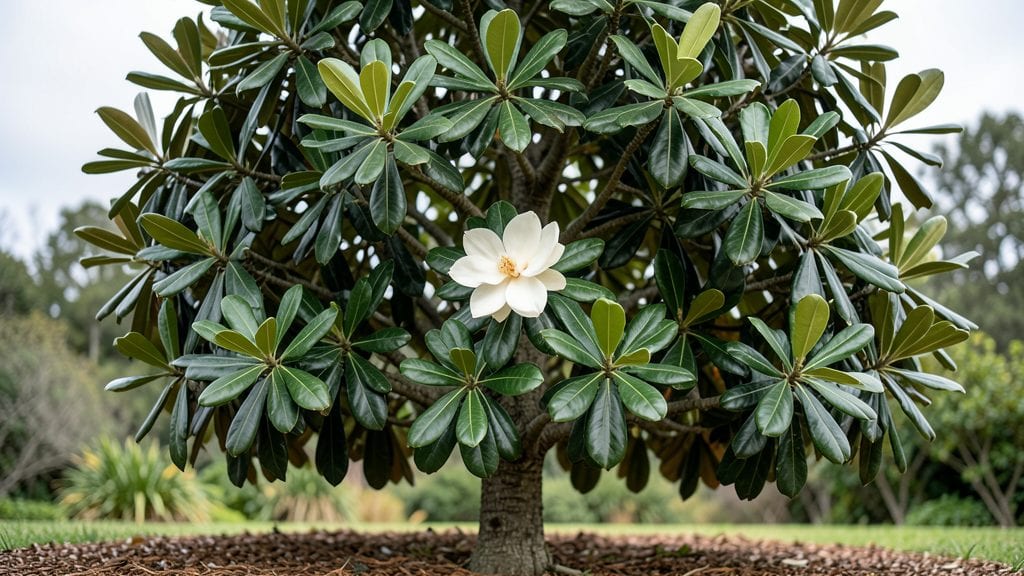
A magnolia tree in full sun isn’t just possible—it’s stunning when you choose the right variety and care for it properly. 🌿 I’ve watched these majestic trees thrive in my own yard after years of trial and error, and the secret lies in matching sunlight needs with the right soil, water, and shade protection during peak heat.
The key is starting with dappled sunlight for young trees—think morning sun with afternoon shade—before gradually introducing them to full sun over two to three years. Southern climates demand extra caution, as magnolias can suffer from sunburn, while Northern growers might need to extend their growing season with mulch.
Varieties like ‘Little Gem’ or ‘Southern Magnolia’ handle full sun better than others, but all need well-draining soil to prevent root rot.
Once established, your magnolia will reward you with glossy, dark green leaves and fragrant blooms that last for weeks. Pruning in late winter keeps the tree healthy, and a thick layer of mulch retains moisture while protecting roots from temperature swings.
The payoff? A tree that becomes the centerpiece of your landscape with minimal fuss.
Regional adjustments matter—Southern gardeners should water deeply but less frequently, while Northern growers may need to water more consistently during dry spells. With the right approach, your magnolia will flourish in full sun, proving that even sun-loving trees can be low-maintenance showstoppers.
📚 In This Guide
- What you need
- Instructions
- Tips and common mistakes
- Wrapping up and next steps
What you need
- ● Magnolia Tree: Choose a full-sun-tolerant variety like Magnolia grandiflora (Southern Magnolia) or Magnolia stellata (Star Magnolia). Size depends on age—3-5 gallon container for young trees or bare-root for dormant-season planting.
- ● Well-Draining Soil: 50 lbs of garden soil mixed with 20 lbs of compost or peat moss to improve aeration. Magnolias hate soggy roots!
- ● Mulch: 3-4 inches of organic mulch (pine straw, wood chips, or shredded bark) to retain moisture and regulate temperature.
- ● Fertilizer: Balanced, slow-release fertilizer (10-10-10 or 8-3-9) 1 lb per 100 sq ft of planting area. Apply in early spring before new growth.
- ● Watering Can or Hose: 5-gallon capacity for deep watering (aim for 1-2 gallons per watering for young trees).
- ● Staking Supplies (if needed): 3-4 wooden stakes (1-inch diameter, 6 feet tall) + soft tree ties to support young or top-heavy trees.
- ● Shovel or Trenching Tool: For digging a hole twice as wide as the root ball but no deeper.
- ● Garden Gloves: Heavy-duty to protect your hands from thorns (especially on Magnolia grandiflora!).
- ● Pruning Shears: Bypass pruners (for clean cuts) and loppers (for thicker branches) to shape or remove dead wood.
- ● Wheelbarrow: For hauling soil, mulch, or tools to your planting site.
- ● Measuring Tape: To ensure proper spacing (15-25 feet apart for mature trees).
- ● Root Stimulator: A mycorrhizal fungus powder to boost root growth during planting.
- ● Tree Guard: Plastic or metal tree wrap to protect young bark from sun scorch or pests.
- ● Drip Irrigation System: For automated watering (especially in hot, dry climates).
- ● Soil pH Test Kit: Magnolias prefer slightly acidic soil (pH 5.0-6.0)—adjust with sulfur or lime if needed.
- ● Decorative Stones: For a polished look around the base (keep 3-4 inches away from the trunk).
Step-by-Step instructions for planting a magnolia tree in full sun
Here’s how to establish a magnolia tree that thrives in bold sunlight while staying resilient.
🌱 Step 1: Select and Prepare the Planting Site
Magnolias adore full sun—choose a location with at least 6-8 hours of direct sunlight daily. Avoid spots where afternoon shade lingers, as this can weaken growth. Test the soil by digging a 12-inch hole—ideal soil should drain well but retain moisture, with a slightly acidic pH between 5.0 and 6.5. If your soil is heavy clay, amend it with 2-3 inches of organic matter (like compost) mixed into the top 6 inches of the hole.
I always check drainage first by filling the hole with water and waiting to see how quickly it drains. If it pools after 15 minutes, the site needs extra sand or gravel mixed into the soil. Poor drainage is the #1 reason magnolias fail in full sun—roots rot faster than the tree can handle heat stress.
☀️ Step 2: Plant at the Right Depth and Stake for Support
Dig a hole twice as wide as the root ball but no deeper—magnolias hate being buried too deeply, which suffocates roots. Place the tree in the center, ensuring the top of the root ball sits 1-2 inches above ground level. This prevents waterlogging while keeping the trunk stable as it matures.
Backfill with native soil mixed with 1 part compost to encourage root expansion. Tamp gently around the edges to remove air pockets but avoid compacting the soil. Install 2 stakes on opposite sides of the tree, tied loosely with soft fabric strips (never wire—it cuts bark as the tree grows). The goal is to support the tree for 1-2 years until its root system stabilizes.
💧 Step 3: Water Deeply and Mulch for Retention
Water the tree immediately after planting with 5 gallons to settle the soil and eliminate air gaps. Over the next 2 weeks, water 2-3 times weekly until the soil is 6 inches deep and moist. After that, reduce to once weekly unless rainfall provides 1 inch of moisture. Magnolias are drought-tolerant once established, but young trees need consistent moisture to avoid stress.
Spread 2-3 inches of mulch (like pine straw or shredded bark) in a 3-foot diameter ring around the base, keeping it 6 inches away from the trunk. Mulch conserves moisture, regulates soil temperature, and suppresses weeds—critical for full-sun sites where evaporation is rapid. Refresh the mulch annually to maintain its protective layer.
✂️ Step 4: Prune Strategically for Airflow and Light
Skip pruning the first year—let the tree focus on root establishment. In year two, remove any dead, crossing, or inward-growing branches using clean, sharp pruners. Cut just outside the branch collar (the swollen area where the branch meets the trunk) to prevent damage. Avoid heavy pruning—magnolias bloom on old wood, so aggressive cuts reduce next year’s flowers.
Thin the canopy slightly if branches block sunlight from reaching the lower trunk. You’ll know you’ve done enough when light filters through the outer branches and the tree’s center stays open. This airflow prevents fungal issues common in humid full-sun climates. Prune in late winter or early spring before new growth begins.
🪴 Step 5: Fertilize Lightly and Monitor for Stress
Magnolias in full sun need minimal fertilizer—too much encourages weak growth prone to sun scorch. In early spring, apply a slow-release, balanced fertilizer (like 10-10-10) at half the recommended rate spread over the root zone. Water deeply afterward to prevent root burn. Skip fertilizer entirely if the tree shows signs of stress, like yellowing leaves or stunted growth—this often means the soil needs more organic matter, not nutrients.
Watch for sunburn on young leaves—it appears as brown, crispy patches on edges. If this happens, provide afternoon shade with a temporary shade cloth until the tree acclimates. Mature magnolias develop thicker bark and tolerate full sun better, but young trees need time to adjust. With proper care, your magnolia will reward you with fragrant blooms and lush foliage for decades.**
Tips & tricks for perfect magnolia tree planting in full sun
Planting a magnolia in full sun is all about balancing exposure with care—here's how to ensure your tree thrives from day one.
Soil Preparation Secret: The 15-minute drainage test in Step 1 is non-negotiable. Fill that 12-inch hole completely and wait patiently—if water remains after 15 minutes, mix in coarse sand or perlite to create drainage channels. I've seen magnolias fail spectacularly in clay soil because roots suffocate, so don't skip this critical test. The goal is for water to disappear like it's being absorbed by a sponge, not sitting like a puddle.
Staking Strategy: Those 2 stakes in Step 2 should be installed at a 45-degree angle, not straight up. This creates a more stable support system that mimics natural wind resistance. Use soft fabric ties (like old T-shirts cut into strips) instead of wire—they won't cut into the bark as the tree grows. Between us, I've seen too many magnolias with girdled trunks from improper staking, so take the extra 5 minutes to do this right.
Watering Wisdom: The 5-gallon initial watering in Step 3 is just the beginning. For the first two weeks, water at the same time each morning to establish consistent moisture patterns. Use a rain gauge or tuna can to measure your 1-inch weekly rainfall—this helps you adjust your watering schedule precisely. Overwatering is just as damaging as underwatering, especially in full sun where evaporation rates are higher.
Mulch Mastery: That 2-3 inch mulch ring in Step 3 should be refreshed annually, but here's the pro tip: pull back the old mulch completely before adding new. Piling mulch against the trunk creates a moisture trap that invites rot. Keep it 6 inches away from the trunk and rake it into a slight mound around the outer edge to direct water toward the roots where it's needed most.
Pro Tips for Magnolia Tree Full Sun
- Planting a magnolia in full sun is all about balancing exposure with care—here's how to ensure your tree thrives from day one.
- Soil Preparation Secret: The 15-minute drainage test in Step 1 is non-negotiable.
- Staking Strategy: Those 2 stakes in Step 2 should be installed at a 45-degree angle, not straight up.
Frequently asked questions
Got questions about growing magnolias in full sun? You’re not alone!
Here are answers to the most common concerns—so your magnolia thrives with confidence and ease.
Can magnolia trees really handle full sun exposure?
Yes! While some magnolias prefer partial shade, sun-loving varieties like Southern Magnolia (Magnolia grandiflora) or Sweetbay Magnolia (Magnolia virginiana) thrive in full sun—especially in warmer climates. Just ensure they get well-draining soil to prevent root stress. In hotter zones, afternoon shade can help avoid leaf scorch.
How long does it take for a magnolia to mature in full sun?
Patience is key! Most magnolias grow 6–12 inches per year in ideal conditions. A full-sized tree (20–40 feet tall) may take 10–20 years to mature, but you’ll see blooms as early as year 3–5 in optimal full-sun spots. Dwarf varieties (like ‘Little Gem’) reach maturity faster—often in 5–10 years.
What’s the best soil mix for full-sun magnolias?
Magnolias love rich, acidic soil (pH 4.5–6.0) with good drainage. Mix 2 parts native soil, 1 part compost, and 1 part peat moss or pine bark for ideal growth. Avoid heavy clay—amend with organic matter to keep roots happy. Mulch annually (3–4 inches) to retain moisture and regulate temperature.
Why are my magnolia leaves turning yellow in full sun?
Yellowing leaves often signal overwatering, nutrient deficiency, or root stress. Check these fixes:
- Water deeply but less often—magnolias hate soggy roots.
- Test soil pH—yellowing can mean alkaline soil (aim for acidic).
- Fertilize in early spring with an acid-loving plant formula (like 8-3-9).
- Watch for fungal issues (like powdery mildew)—prune for airflow.
Are there full-sun magnolia alternatives if mine struggles?
If your magnolia wilts in full sun, try these sun-tolerant, low-maintenance swaps:
- Crapemyrtle (Lagerstroemia) – Drought-resistant, vibrant blooms, loves heat.
- Crepe Myrtle (Lagerstroemia indica) – Similar care, longer bloom season.
- Japanese Zelkova (Zelkova serrata) – Handles full sun, disease-resistant.
- Oakleaf Hydrangea (Hydrangea quercifolia) – Thrives in sun with moist, acidic soil.
Wrapping up and next steps
Growing a magnolia tree in full sun is a rewarding journey that combines beauty with minimal effort—once you’ve got the basics down! With the right soil, spacing, and a little patience, you’ll enjoy fragrant blooms and lush foliage for years to come. 🌸
Now that you’re armed with the knowledge, take the next step: pick your favorite magnolia variety, prep your sunny spot, and watch your garden transform! Whether you’re a seasoned gardener or a beginner, your magnolia’s future is bright—and so is yours. Happy planting! 🌿