
Flowers
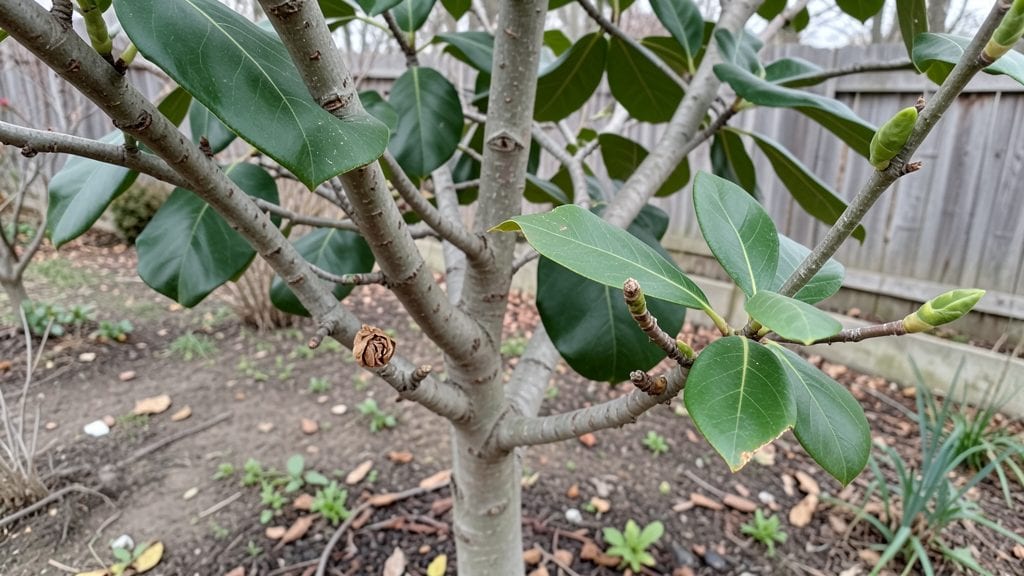
Your magnolia tree isn’t flowering because it’s either too young, stressed, or missing key care basics. 🌿 I’ve seen magnolias bloom at 5 years old and others wait 15—patience is part of the deal, but the right adjustments can speed things up.
The good news? Most issues fix with simple tweaks like light, water, or pruning.
First, check its age—young trees focus on roots and growth, not blooms. Then look for signs of stress: yellow leaves mean overwatering, while crispy edges signal drought. Magnolias need 6+ hours of sunlight daily and well-draining soil; if yours is in shade or soggy ground, that’s your first fix.
Pruning mistakes are another common culprit—cutting back too much or at the wrong time (spring instead of late winter) delays blooms. And here’s the kicker: magnolias bloom on old wood, so aggressive pruning removes next year’s flowers. A light trim after blooming is all they need.
With the right care, you’ll see buds forming within 2-3 years, and the first big bloom show is worth the wait. Let’s troubleshoot step by step—your tree’s hidden potential is closer than you think.
Root Causes Behind Missing Blooms
When your magnolia tree refuses to flower, it’s often a sign that something fundamental isn’t quite right—whether it’s the tree’s age, its environment, or its internal health. Understanding these underlying factors is the first step to coaxing those stunning blooms back to life.
Let’s break down the most common reasons why your magnolia might be sitting pretty but not producing flowers.
Magnolias are patient trees, and some varieties take years—even decades—to reach full maturity and start flowering. Here’s the science behind it: - Young Trees Need Time: Most magnolias require 5–10 years of growth before they produce their first flowers.
Dwarf varieties may bloom sooner (3–5 years), while large species like Magnolia grandiflora can take 15+ years. - Root System Development: Flowers require a robust root system to support their energy demands.
If your tree is still establishing roots, it’ll prioritize foliage and trunk growth over blooms. - How to Tell: Check the tree’s height, trunk thickness, and overall vigor. If it’s still slender with sparse branches, it’s likely too young.
Pro Tip: 💡 If your tree is under 5 years old, resist the urge to prune aggressively—let it grow! Focus on providing ideal care to speed up maturity.
Magnolias are finicky about their surroundings, and even minor disruptions can halt flowering. Here’s what’s likely throwing them off:
| Stress Factor | How It Affects Flowers | Fix It With |
|---|---|---|
| Insufficient Sunlight | Magnolias need 6–8 hours of direct sun daily. Too little light = no energy for blooms. | Prune nearby trees, relocate (if possible), or choose a sunnier spot. |
| Poor Soil Drainage | Waterlogged roots starve the tree of oxygen, stunting growth and flower production. | Amend soil with compost or plant in raised beds. |
| Extreme Temperatures | Late frosts or heatwaves can shock buds before they open. Southern magnolias (M. grandiflora) are especially frost-sensitive. | Plant in microclimates sheltered from wind, or choose cold-hardy varieties like Magnolia stellata. |
| Drought or Overwatering | Both extremes disrupt nutrient uptake. Flowers are the first to suffer when the tree is stressed. | Water deeply 1–2 times per week (adjust for climate); mulch to retain moisture. |
Pro Tip: 🌡️ If your area has harsh winters, consider wrapping young trees in burlap to protect buds from late frosts.
Flowers are energy-intensive, and a magnolia that’s malnourished will skip them entirely. Key deficiencies to watch for:
- Nitrogen (N): While too much nitrogen can reduce flowering (pushing leafy growth instead), a moderate deficiency weakens the tree’s ability to produce buds. Look for yellowing lower leaves—a classic sign. - Phosphorus (P): Critical for root and flower development.
A lack of phosphorus leads to dark green, dull leaves and poor bud formation. Test your soil—ideal levels are 15–30 ppm. - Potassium (K): Helps regulate water and nutrient movement. Deficient trees may show brown leaf edges or weak stems. Aim for 100–200 ppm in soil tests.
Actionable Fix: 🔥 Fertilize in early spring with a balanced, slow-release fertilizer (e.g., 10-10-10 or 12-4-8). Avoid high-nitrogen fertilizers in late summer—they encourage leaf growth at the expense of flowers.
Magnolias flower on old wood, meaning their buds form the previous year (or even two years prior!). If you prune at the wrong time or too aggressively, you’re essentially snipping off next season’s blooms.
- When NOT to Prune: Never prune after mid-summer. Buds for the following year develop in late summer/fall.
Pruning in winter or early spring risks removing flower buds before they open. - How to Prune Correctly: - Remove only dead, diseased, or crossing branches (🔪 use clean, sharp shears). - Avoid “heading back” (cutting stems to encourage bushiness)—this stresses the tree. - Shape lightly if needed, but prioritize airflow and light penetration to the center.
Pro Tip: ✨ If you’ve over-pruned in the past, don’t panic! Magnolias are resilient. Focus on reducing stress (water, soil, sunlight) and give it a few seasons to recover.
Unseen invaders can drain your magnolia’s energy, leaving it too weak to bloom. Common culprits: - Magnolia Scale: These sap-sucking insects (🐜) coat branches, causing sticky residue (“honeydew”) and stunted growth.
Severe infestations lead to leaf drop and no flowers. - Root Rot: Fungal infections from overwatering or poor drainage rot roots, cutting off nutrient flow.
Symptoms include wilting, yellow leaves, and no new growth. - Bacterial Leaf Spot: Causes dark spots on leaves, which can weaken the tree enough to prevent flowering.
How to Fight Back:
- Scale: Spray with horticultural oil in early spring (before buds swell) or introduce beneficial insects like ladybugs.
- Root Rot: Improve drainage immediately—raise the tree if needed and avoid waterlogging.
- Leaf Spot: Remove infected leaves, apply copper fungicide, and ensure good airflow.
Not all magnolias are created equal—and some varieties are simply less likely to flower under standard conditions: - Male vs. Female Trees: Some magnolias (like Magnolia denudata) have separate male and female trees.
If yours is male, it won’t produce flowers in the traditional sense (though it may have showy male blossoms). - Sterile Cultivars: A few hybrid magnolias (e.g., Magnolia ‘Black Tulip’) are bred for foliage or size rather than flowers.
Check your tree’s tag or consult a local nursery. - Climate Mismatch: Some magnolias (e.g., Magnolia campbellii) need specific temperature cues to trigger flowering. If your region is too hot or cold, buds may fail to develop.
What to Do: 🎯 If genetics are the issue, consider replacing the tree with a flowering variety suited to your climate (e.g., Magnolia stellata for cold zones or Magnolia liliiflora for heat tolerance).
Revive Your Magnolia’s Blooms Now
If your magnolia tree is skipping its floral show, don’t panic—there’s almost always a fix! Below, we’ve mapped the most common causes of no flowers to practical solutions, so you can diagnose the issue and take action fast.
Whether it’s age, sunlight, or soil issues, these steps will help your tree bounce back to its stunning, fragrant best.
Cause: Magnolias often take 3–10 years to mature enough for flowers. Some varieties (like Magnolia stellata) bloom earlier, while others (like Magnolia grandiflora) may wait longer.
How to Solve: ✅ Patience is key—if your tree is under 5 years old, give it time! Focus on healthy growth (strong branches, lush leaves) as a sign it’s on the right track. ✅ Boost growth with:
- Balanced fertilizer (10-10-10 or 20-20-20) in early spring—follow label instructions to avoid overfeeding.
- Mulch (2–4 inches of organic mulch like wood chips) to retain moisture and nutrients.
- Prune lightly in late winter to encourage new, vigorous shoots.
💡 Pro Tip: If your tree is over 10 years old and still no flowers, it may need a growth reset—see Fix #3 for pruning advice.
Cause: Magnolias love sunlight but can get stressed in too much heat or too little light. Most need 6+ hours of sun daily, but some varieties (like Magnolia ‘Ann’) tolerate partial shade.
How to Solve: 🔥 Check your tree’s sunlight:
- Too little sun? Move it to a sunnier spot gradually (over weeks) to avoid shock.
- Too much harsh sun? Provide afternoon shade (use a sheer cloth or plant nearby trees for filter).
- Wrong variety? Some magnolias (like Magnolia ‘Jane’) thrive in shade—consider swapping for a shade-tolerant type.
🍳 Adjust the environment:
- Morning sun + afternoon shade is ideal for most magnolias.
- Avoid reflected heat (like from walls or pavement) that can scorch leaves.
🌡️ Pro Tip: If leaves are yellowing or crispy, it’s a sunburn sign—trim affected branches and relocate if needed.
Cause: Magnolias hate aggressive pruning—cutting back too much (especially in spring) can remove next year’s flower buds.
How to Solve: 🔪 Prune correctly:
- Best time: Late winter to early spring (before buds swell) or right after blooming.
- What to cut:
- Remove dead, diseased, or crossing branches.
- Thin out overcrowded areas for better airflow.
- Never top or shear—this stresses the tree.
- Avoid cutting flower buds (they look like fat, plump knobs at branch ends).
⏰ Timing matters:
- Never prune in fall—new growth won’t harden off before winter.
- Wait until after blooms drop if your tree flowers early in the season.
✨ Pro Tip: If your tree is overgrown, do light pruning over 2–3 years instead of one heavy cut.
Cause: Too much or too little water, compacted soil, or poor drainage can stress a magnolia, leading to skipped blooms.
How to Solve: 💦 Watering fixes:
- Drought stress? Water deeply 1–2 times per week (1 inch total) during dry spells.
- Overwatering? Ensure soil drains well—amend clay soil with compost or sand.
- Mulch properly: Keep mulch 2–3 inches away from the trunk to prevent rot.
📊 Soil & nutrients:
- Test your soil (pH 5.0–6.5 is ideal for magnolias).
- Amend soil with compost or peat moss if it’s too sandy or clay-heavy.
- Fertilize in spring with acid-loving plant fertilizer (like for azaleas).
🥗 Pro Tip: If leaves are yellow with brown edges, it’s often overwatering or nutrient deficiency—cut back and fertilize with iron chelate if needed.
Cause: Scale insects, spider mites, or fungal diseases (like powdery mildew) weaken trees, reducing energy for flowers.
How to Solve: 🐞 Pest control:
- Scale insects? Scrape off with a plastic scraper or spray with neem oil (repeat every 2 weeks).
- Spider mites? Blast off with a strong hose spray, then treat with insecticidal soap.
- Aphids? Use a soapy water spray (1 tsp mild soap per quart of water).
🍎 Disease prevention:
- Prune out infected branches (look for black spots, mold, or oozing sap).
- Improve airflow by thinning foliage.
- Avoid overhead watering—water at the base to keep leaves dry.
🎯 Pro Tip: Healthy trees resist pests better—focus on proper watering, mulching, and sunlight first.
Once your magnolia is back on track, keep these habits to ensure yearly flowers: ✅ Fertilize annually in early spring with acid-loving plant food. ✅ Mulch every spring to protect roots and retain moisture. ✅ Monitor sunlight—adjust if nearby structures cast new shadows. ✅ Inspect for pests monthly during growing season. ✅ Avoid transplant shock—only move young trees if necessary.
With the right care, your magnolia will reward you with stunning blooms year after year! Try one fix at a time, and don’t hesitate to experiment—every tree is unique. 🌸💚
Frequently asked questions
Why isn’t my mature magnolia tree producing flowers?
Even mature trees (over 10 years old) may skip blooms due to stress from poor sunlight, nutrient deficiencies, or aggressive pruning. Check for 6+ hours of sun daily and test soil pH—magnolias thrive in acidic soil (5.0–6.5). If buds form but drop, it could signal late frost damage or pest infestations like scale insects.
Can I force my magnolia to bloom earlier?
No—magnolias bloom based on internal maturity and seasonal cues. Forcing blooms (like with ethylene gas) rarely works and stresses the tree. Instead, focus on ideal growing conditions: full sun, well-draining soil, and balanced fertilization in spring. Patience is key; most varieties bloom between 5–15 years.
What’s the difference between male and female magnolia flowers?
Male magnolias produce showy, pollen-heavy blooms (like Magnolia denudata), while female trees develop larger, fruit-bearing flowers that turn into cones. Some hybrids (like Magnolia ‘Jane’) are self-fertile and produce both. If your tree has no flowers, check if it’s a sterile cultivar or male-only variety.
How do I tell if my magnolia is overpruned?
Overpruned magnolias show stunted growth, bare branches, or no flower buds (fat knobs at branch tips). If you’ve cut back more than 20% of foliage or pruned in spring/summer, you may have removed next year’s blooms. Solution: Light pruning only in late winter—focus on removing dead wood, not shaping.
Will moving my magnolia help it bloom?
Yes, but only if the new location has better sunlight and drainage. Transplant in late winter/early spring to minimize stress. Avoid moving trees over 10 years old—they’re sensitive to root disruption. If relocating, amend soil with compost and mulch heavily to protect roots.