
Diseases
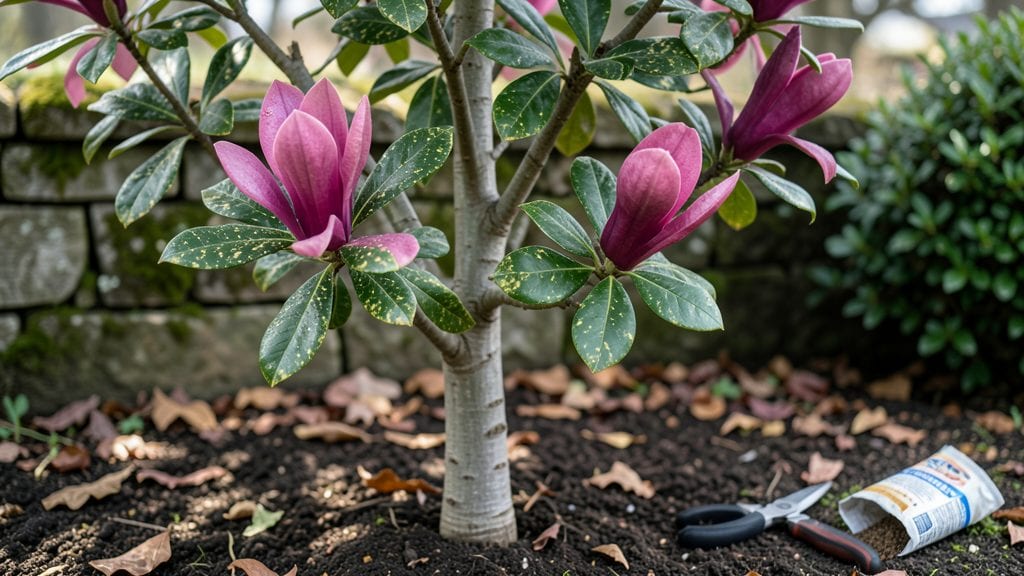
The magnolia tree’s once-glossy leaves now bear frustrating white spots, turning my 15-year-old Southern beauty into a flour-dusted shadow. 🌿 The culprit is usually powdery mildew, but it could also be a nutrient deficiency or even scorch from too much sun.
The good news? You can diagnose and fix it without losing the tree.
First, check the spots: powdery mildew feels like talcum powder and spreads on the leaf’s underside, while nutrient issues often show as yellowing between veins.
Overhead watering or poor airflow between branches makes magnolias especially vulnerable—my tree’s problem started after I pruned too late in the season and left branches too close together. The fix begins with better spacing and watering at the base, not the leaves.
For existing spots, a mix of neem oil and baking soda (1 tablespoon each per gallon of water) sprayed every 7–10 days clears up powdery mildew fast. If it’s nutrient-related, a slow-release 10-10-10 fertilizer in early spring revives the tree’s vigor.
Within weeks, those white spots fade, and the leaves return to their rich, healthy green—exactly how they should look.
Prevention is easier than cure: prune in late winter for better airflow, water deeply but infrequently, and avoid overhead sprinklers. If your magnolia’s leaves start looking like confetti, act fast—this disease spreads quicker than you’d think. Your tree’s comeback is just a few adjustments away.
Why it happens
When your magnolia tree’s leaves start showing up with white or grayish spots, it’s usually a sign of stress—often from fungal invaders or environmental factors. These spots can range from powdery coatings to irregular patches, each with a distinct cause.
Below, we break down the most common reasons why your magnolia’s leaves develop these unsightly marks, along with the science behind them.
🍄 Fungal Infections: The #1 Offender
Fungi are the most frequent culprits behind white spots on magnolia leaves. These microscopic organisms thrive in humid, warm conditions and can spread rapidly if left unchecked. Here are the top fungal diseases to watch for:
- Powdery Mildew – This fungus creates a white, powdery coating on leaves, often appearing on the upper surfaces. It feeds on plant sugars and weakens the tree by blocking sunlight. Why it happens: Powdery mildew spores germinate when humidity exceeds 75% for prolonged periods, especially in shady or poorly ventilated areas.
- Anthracnose – While anthracnose typically causes dark, sunken spots, some strains produce white or grayish fuzzy growth around the edges. This fungus thrives in wet conditions and can overwinter in fallen leaves or bark. Why it happens: Splashing water (from rain or irrigation) spreads spores, and wounds on leaves (like from hail or pests) create entry points.
- Leaf Spot Fungi (e.g., Cercospora or Septoria) – These pathogens produce small, white-centered spots with darker borders. They thrive in high humidity and stagnant air, often appearing after prolonged leaf wetness. Why it happens: Poor air circulation (common in dense plantings) and overhead watering create the perfect breeding ground.
🌡️ Environmental Stressors: When Conditions Turn Hostile
Not all white spots are fungal—sometimes, your magnolia’s leaves react to environmental abuse. Here’s how external factors contribute:
- Excessive Moisture or Poor Drainage – Magnolias hate wet feet. When roots sit in soggy soil, leaves develop white or yellowish patches due to oxygen deprivation. Why it happens: Overwatering, compacted soil, or clay-heavy ground prevents roots from absorbing water efficiently, leading to nutrient deficiencies and cellular damage.
- Sunburn or Heat Stress – While magnolias tolerate shade, sudden exposure to intense sunlight (like after pruning) can cause white or bleached patches on leaves. Why it happens: Chlorophyll breaks down when leaves aren’t acclimated, leading to photoxidative damage—a process where excess light energy destroys cells.
- Mineral Deficiencies or Toxicity –
- Magnesium Deficiency – Causes interveinal chlorosis (white patches between veins), especially on older leaves. Why it happens: Acidic soil or over-fertilization with nitrogen (without potassium) locks out magnesium.
- Chlorosis from Iron or Manganese Deficiency – Leaves may develop white or pale areas due to poor nutrient uptake, common in alkaline soils. Why it happens: High pH levels make these micronutrients unavailable, even if they’re present in the soil.
🐛 Pests and Secondary Damage
Sometimes, white spots are a side effect of pest activity. While the pests themselves may not cause the spots, their feeding weakens leaves, making them susceptible to fungal infections or nutrient loss.
- Spider Mites – These tiny pests suck sap from leaves, causing white stippling or speckling as cells die. Why it happens: Dry, hot conditions stress the tree, and mites thrive in low-humidity environments, exacerbating water loss.
- Scale Insects or Mealybugs – Their sticky honeydew attracts sooty mold, a black or gray fungus that can appear alongside white spots. Why it happens: Honeydew provides a food source for mold spores, which then colonize the leaves.
💡 Pro Tip: How to Tell Them Apart
Not sure if those white spots are fungal, environmental, or pest-related? Here’s a quick diagnostic table to help:
| Symptom | Likely Cause | Key Clues |
|---|---|---|
| Powdery white coating | Powdery Mildew | Appears on upper leaf surfaces; worsens in shade/humidity |
| White spots with dark borders | Leaf Spot Fungi | Often has irregular edges; may drop leaves prematurely |
| White/yellow patches between veins | Magnesium Deficiency | Starts on older leaves; soil test confirms low Mg |
| White speckling (like pepper) | Spider Mites | Fine webbing on undersides; dry, crunchy leaves |
| White + black sooty mold | Scale/Mealybugs + Secondary Fungus | Sticky residue on leaves; pests visible on stems |
🔥 Actionable Insight: If you suspect a fungal issue, act fast—fungi spread quickly. For environmental causes, adjust care routines (e.g., improve drainage, mulch properly). And if pests are the culprit? Isolate the tree and treat with neem oil or insecticidal soap before the problem escalates.
Quick Fixes for Leaf Spots on Magnolias
White spots on your magnolia leaves can be frustrating, but with the right approach, you can restore your tree’s health and prevent future outbreaks. Below, we’ve mapped out targeted solutions based on the most common causes—fungal infections, environmental stress, or pests—and provided actionable steps to treat and prevent them.
If white spots are fuzzy, powdery, or spreading rapidly, a fungal disease like powdery mildew or anthracnose is likely the culprit. Here’s how to combat it:
🔥 Step 1: Prune Infected Leaves
- Remove heavily spotted leaves with clean, sharp pruners.
- Dispose of them in the trash (not compost)—fungal spores can survive in yard waste.
- Aim for 6–12 inches below the infected area to ensure you’re cutting out hidden spores.
🍳 Step 2: Apply Fungicide
- Neem oil (organic option): Mix 1–2 tbsp per gallon of water, spray undersides of leaves (where spores hide), and repeat every 7–10 days.
- Baking soda spray (DIY): Combine 1 tbsp baking soda, 1 tbsp vegetable oil, and a drop of dish soap in 1 gallon of water.
Spray in the early morning or evening to avoid leaf burn. - Chemical fungicides (for severe cases): Use copper fungicide or propiconazole (follow label instructions). Reapply after rain.
🌡️ Step 3: Improve Airflow & Light
- Thin out dense branches to allow sunlight and air to circulate.
- Avoid overhead watering—use drip irrigation or water at the base.
- Space out young magnolias (3–5 feet apart) to prevent future fungal spread.
If white spots appear after drought, extreme heat, or nutrient deficiency, your magnolia may be struggling. Here’s how to help it recover:
💡 Step 1: Water Deeply & Consistently
- Check soil moisture 2–3 inches below the surface—if dry, water slowly until it drains 6–8 inches deep.
- Mulch with 2–3 inches of organic mulch (wood chips or pine straw) to retain moisture and regulate temperature.
- Water in the morning to reduce evaporation and fungal risk.
📊 Step 2: Fertilize for Resilience
- Test soil pH (ideal range: 5.0–6.5 for magnolias). Adjust with sulfur (to lower pH) or lime (to raise it).
- Apply a balanced fertilizer (10-10-10 or 8-3-9) in early spring.
Follow package rates to avoid overfeeding. - Use compost tea (homemade or store-bought) for a gentle nutrient boost and beneficial microbes.
✨ Step 3: Shield from Harsh Conditions
- Provide afternoon shade if your magnolia is in a hot, sunny spot (use shade cloth if needed).
- Group plants with similar water needs to create a microclimate that retains humidity.
- Avoid pruning during drought—wait until the tree is well-watered to minimize stress.
If white spots are actually sap-sucking pests (like spider mites or scale insects), you’ll need a different approach:
🔪 Step 1: Blast Off Pests with Water
- Hose down leaves with a strong stream of water to dislodge mites and soft-bodied insects.
- Focus on undersides—this is where pests hide.
👨🍳 Step 2: Introduce Beneficial Predators
- Ladybugs or lacewings (available at garden centers) eat spider mites and aphids.
- Release them in the evening when they’re most active.
🎯 Step 3: Use Targeted Sprays
- Insecticidal soap: Mix 1 tbsp mild soap (like Castile) with 1 quart of water.
Spray directly on pests (test on a small leaf first). - Horticultural oil: Apply in late fall or early spring (when pests are dormant) to smother eggs and adults. - Systemic insecticide (last resort): Use imidacloprid (follow label carefully) if infestations persist.
Once your magnolia recovers, keep these habits to prevent white spots from returning:
- Sanitize tools after pruning with rubbing alcohol to avoid spreading disease.
- Rotate fungicides if you use them regularly to prevent resistance.
- Monitor leaves weekly—catch issues early before they spread.
- Plant resistant varieties like Magnolia grandiflora ‘Little Gem’ (less prone to fungal diseases).
- Avoid wounding bark—use sharp tools and make clean cuts to prevent entry points for pests.
By addressing the root cause—whether it’s fungus, stress, or pests—your magnolia can bounce back with lush, spot-free foliage. Act fast, stay consistent, and your tree will thank you with vibrant blooms for years to come! 🌿💚
Frequently asked questions about magnolia tree leaf spots
Are white spots on magnolia leaves always a sign of disease?
Not always! While fungal infections like powdery mildew are common causes, white spots can also result from environmental stress like nutrient deficiencies (especially magnesium) or even pest damage from spider mites. Check the leaf texture—powdery spots suggest fungus, while yellow patches between veins often indicate mineral deficiencies.
How do I know if my magnolia has powdery mildew vs. another issue?
Powdery mildew appears as a white, dusty coating that wipes off easily and often starts on the leaf undersides. It thrives in humid conditions. For comparison, leaf spot fungi create irregular white spots with darker borders, while nutrient deficiencies cause yellowing between veins rather than white powder.
Can I save my magnolia if the white spots have spread to most leaves?
Yes, but act quickly! Start by pruning heavily infected leaves (dispose of them in the trash) and applying a fungicide like neem oil or baking soda spray. Improve airflow by thinning branches and watering at the base. Severe cases may require systemic fungicides, but most magnolias recover with consistent care within 4-6 weeks.
Is it safe to use homemade sprays on magnolia trees?
A baking soda spray (1 tbsp baking soda + 1 tbsp oil + 1 drop dish soap per gallon of water) is effective for powdery mildew. For pests, insecticidal soap (1 tbsp mild soap per quart of water) works well. Always test sprays on a small leaf first and apply in the early morning or evening to avoid leaf burn from sunlight.
Will pruning help prevent future white spots?
Yes! Prune in late winter to improve airflow and sunlight penetration. Remove crossing branches and any dead/diseased wood. Always sterilize pruners with rubbing alcohol between cuts to prevent spreading spores. Proper spacing (3-5 feet between young trees) also reduces humidity buildup that fuels fungal growth.