Pests and Diseases
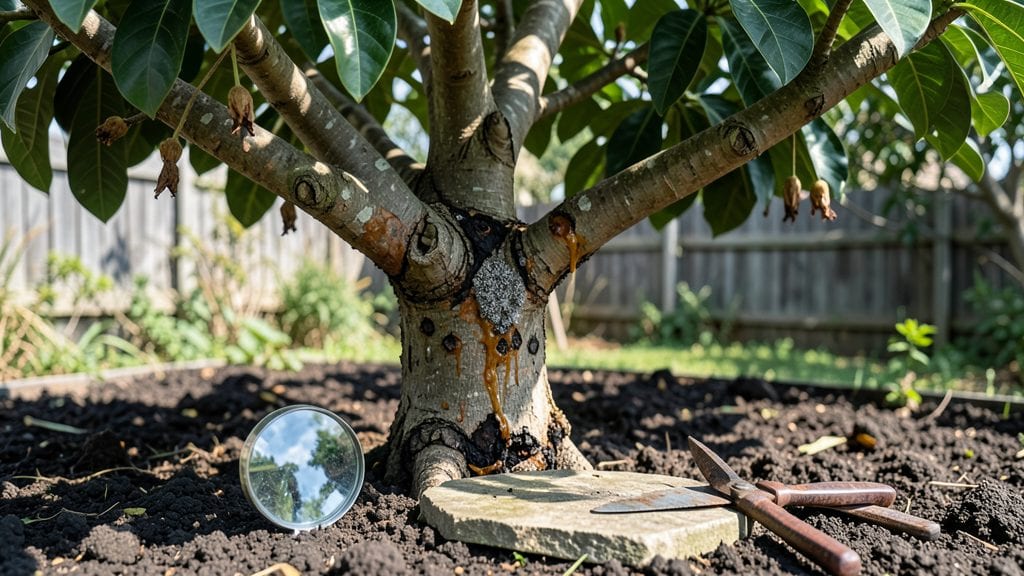
Mango tree bark disease turns your golden harvest into a nightmare—cracked bark, oozing sap, and fungal growth that spreads like wildfire. 🌿 I’ve seen it ruin fruit production in just one season, but early action can save your tree.
The key is spotting the signs before the disease takes hold: dark streaks under the bark, sticky residue, or mushrooms sprouting at the base.
This isn’t just a cosmetic issue—it’s a battle between your tree and pathogens like anthracnose or bacteria. Poor drainage, wounds from pruning, or even storm damage create entry points.
The good news? You can fight back with organic sprays, proper pruning techniques, and soil fixes that strengthen your tree’s defenses. I’ll show you exactly how.
By the time you finish this, you’ll know how to clean infected areas, apply the right treatments, and prevent future outbreaks. Your tree’s bark will heal, new growth will emerge, and next year’s mango crop won’t be at risk. Let’s get your tree back to thriving.
Works for home gardeners in warm climates, whether you’re dealing with a young sapling or a mature tree. The steps are simple but effective—no fancy tools required. Here’s how to turn things around before it’s too late.
Root Causes Of Bark Damage
Understanding why your mango tree’s bark develops disease is the first step to preventing or treating it. Bark issues in mango trees often stem from a mix of biological stressors, environmental factors, and poor cultural practices.
Below, we break down the key culprits—so you can address them before they escalate.
Fungi and bacteria are the #1 culprits behind mango tree bark disease. These pathogens thrive in warm, humid conditions and exploit weak spots in the bark to invade deeper tissues.
- **Anthracnose (Colletotrichum gloeosporioides) – This fungus attacks young bark and wounds, causing dark, sunken lesions that ooze gum.
It spreads rapidly in wet seasons, especially after heavy rain or overhead irrigation. - Bacterial Canker (Pseudomonas syringae) – Bacteria enter through pruning cuts or storm damage, leading to oily, water-soaked spots that harden into cracked, sunken cankers.
Infected bark often exudes a foul-smelling gum. - Fusarium Wilt (Fusarium oxysporum) – While primarily a vascular disease, it can also weaken bark integrity, making trees more susceptible to secondary infections.
💡 Pro Tip:** Prune during dry weather and sterilize tools with 70% rubbing alcohol to prevent spreading spores.
Not all bark problems come from microbes—mechanical injury and extreme conditions can trigger disease by creating entry points for pathogens.
- Pruning Wounds – Poorly made cuts leave jagged edges that fail to heal properly, inviting fungal or bacterial invasion.
Always use sharp, clean tools and make cuts at a 45-degree angle just outside the branch collar. - Hail, Wind, Or Animal Scratches – Physical trauma disrupts the bark’s protective layer, exposing the tree to infections.
Inspect your tree after storms for fresh wounds. - Sun Scorch & Heat Stress – Intense sunlight can dry out and crack the bark, especially on young or thin-barked trees.
Provide light shade during peak sun hours (10 AM–2 PM) in hot climates. - Frost Or Cold Damage – Sudden temperature drops (below 40°F/4°C) can cause bark splitting, making trees vulnerable to frost cracks and subsequent infections.
✨ Expert Hack: Apply a thin layer of tree wound sealant (like Tanglefoot or pruning seal) to fresh cuts to deter pathogens.
A weakened immune system in your mango tree makes it an easy target for bark diseases. Nutritional imbalances and poor care practices set the stage for infections.
- Nitrogen Deficiency – While nitrogen fuels growth, excessive use can lead to soft, sappy bark that’s prone to splitting and disease. Test soil pH (ideal: 6.0–7.5) and balance fertilizers. - Potassium & Calcium Shortages – These minerals strengthen cell wall integrity.
A deficiency can cause bark to become brittle, cracking easily under stress. Use potassium sulfate or crushed eggshells as organic amendments. - Water Stress (Over/Under) – Overwatering leads to root rot, which weakens the tree’s ability to fight off bark pathogens. Underwatering causes bark to dry out and crack.
Aim for deep, infrequent watering (1–2 inches per week). - Compaction & Poor Drainage – Waterlogged soil suffocates roots, reducing nutrient uptake and making the tree susceptible to Phytophthora (a soil-borne pathogen that attacks bark at the soil line).
🔥 Quick Fix: Mulch with wood chips or compost (3–4 inches deep) to improve moisture retention and root health.
Some pests don’t just feed on bark—they damage it in ways that invite disease. Here’s how:
- **Mango Stem Borer (Batocera rufomaculata) – Larvae burrow into the bark, creating tunnels that weaken structural integrity.
Their frass (sawdust-like waste) clogs wounds, trapping moisture and promoting fungal growth. - Scale Insects & Mealybugs – These sap-suckers excrete honeydew, a sticky substance that fosters sooty mold—a black fungal growth that smothers bark and blocks sunlight. - Termites & Bark Beetles – They create extensive galleries under the bark, killing cambium tissue and leaving the tree open to secondary infections.
🎯 Prevention Tip:** Apply neem oil or insecticidal soap early in the season to deter pests before they cause damage.
Cross-contamination is a silent spreader of bark diseases. If you’re not careful, one infected tree can doom your entire orchard.
- Dirty Pruning Tools – Fungal spores and bacteria cling to blades, spreading from tree to tree.
Always sterilize tools between cuts with bleach (1 part bleach to 9 parts water) or isopropyl alcohol. - Infected Nursery Stock – Buying trees with pre-existing bark damage (like cankers or lesions) introduces pathogens to your garden. Inspect new trees thoroughly before planting. - Windborne Spores – Fungal spores (like those from anthracnose) can travel miles in wind or rain.
Planting resistant varieties (e.g., ‘Keitt’ or ‘Cogshall’) reduces risk.
🚫 Avoid This Mistake: Never prune when the bark is wet—wait for dry conditions to minimize spore spread.
Quick Fixes for Damaged Tree Bark
When your mango tree’s bark shows signs of discoloration, peeling, or oozing sap, acting fast can save the tree—and your harvest! Below are practical, step-by-step solutions tailored to the most common causes of bark disease, from fungal infections to pest infestations.
Each fix includes prevention tips to keep your tree healthy long-term.
Signs: Dark spots, moldy growth, or sunken lesions on the bark.
🔥 Remove Infected Areas
- Prune with sterilized tools 🔪—Use a sharp knife or pruners disinfected with rubbing alcohol.
- Cut ½ inch beyond the affected area to ensure all infected tissue is gone.
- Dispose of debris in a sealed bag (not compost) to prevent spread.
🍳 Apply Fungicide
- Best options:
- Copper-based fungicides (e.g., Bordeaux mixture) for severe rot.
- Neem oil (1 tsp per liter of water + a drop of dish soap) for mildew.
- Spray thoroughly on bark, crevices, and undersides of branches. Reapply every 7–10 days until symptoms fade.
🌡️ Improve Airflow & Moisture Control
- Thin out dense foliage to reduce humidity near the trunk.
- Water at the base (not overhead) to keep bark dry.
- Mulch with straw or wood chips (3–4 inches deep) to stabilize soil moisture.
💡 Pro Tip: Fungal spores thrive in wet conditions—avoid watering in the evening!
Signs: Tiny holes, sawdust-like frass, or sticky residue (honeydew).
👨🍳 Manual Pest Removal
- Scrape off scale insects with a stiff brush or your fingers (wear gloves!).
- For borers: Insert a wire or screwdriver into exit holes to kill larvae inside.
- Dispose of pests in soapy water to prevent reinfestation.
🥘 Natural & Chemical Treatments
| Pest | Solution | Frequency |
|---|---|---|
| Scale | Horticultural oil spray (1%) | Every 5–7 days for 2 weeks |
| Bark Beetles | Permethrin-based insecticide | Apply at dusk (beetles are active) |
| Borers | Beneficial nematodes (for larvae) | Soil drench every 4 weeks |
✨ Pro Tip: Attract predator insects like ladybugs by planting marigolds nearby!
Signs: Cracked, dry, or white/brown patches on sun-exposed bark.
🔪 Protect & Repair Damaged Bark
- Wrap the trunk with burlap or tree wrap during extreme heat (especially for young trees).
- Seal minor cracks with pruning sealant (not paint!) to prevent moisture loss.
- Avoid over-pruning—thin branches gradually to reduce stress.
🌱 Boost Tree Resilience
- Water deeply 2–3 times per week during dry spells.
- Apply a balanced fertilizer (10-10-10) in spring to strengthen bark.
- Plant shade trees (e.g., citrus or avocado) nearby to reduce direct sun exposure.
🎯 Pro Tip: Mulch with coconut coir—it retains moisture better than straw in hot climates!
To stop bark disease before it starts: ✅ Inspect trees monthly for early signs (use a flashlight to check crevices). ✅ Keep tools clean—sterilize pruners after each use. ✅ Avoid wounding bark—use proper pruning techniques (cut at a 45° angle). ✅ Monitor soil pH—test annually (ideal: 6.0–7.0 for mangoes). ✅ Encourage beneficial microbes with compost tea (spray on bark 2x/year).
Frequently asked questions
What are the first signs of bark disease in a mango tree?
Look for dark streaks under the bark, oozing sap, or small cracks that weep sticky residue. Early fungal infections often appear as fuzzy mold growth at the base of the trunk, while bacterial cankers create sunken, oily spots that exude foul-smelling gum. Check the branch collars and trunk crevices first—these are common entry points.
Can I save a mango tree if the bark disease has already spread?
Yes, but you’ll need to act fast. Prune out all infected areas (cut ½ inch beyond visible damage) with sterilized tools, then apply copper fungicide or neem oil. For severe cases, consult an arborist—some advanced infections (like Fusarium wilt) may require systemic treatments or tree removal to prevent spread.
How do I tell if my mango tree’s bark damage is from disease or just normal aging?
Normal bark shedding appears as smooth, flaky patches without discoloration or oozing. Disease-related damage shows dark lesions, cracks with gum, or fungal growth. If you see white, powdery mold or black sooty residue (from pests), that’s a clear sign of infection—not just aging. Always check for these key differences before treating.
Are chemical treatments necessary, or can I use organic methods?
Organic methods work well for early-stage infections! Start with neem oil spray (1 tsp per liter of water) or copper soap (like CuPro). For pests, horticultural oil or insecticidal soap effectively controls scale and borers. Reserve chemical fungicides (like Bordeaux mixture) for severe cases—organic solutions prevent soil and fruit contamination.
Will pruning help prevent bark disease in my mango tree?
Proper pruning reduces stress and removes diseased branches. Always prune during dry weather with sterilized tools, cutting at a 45-degree angle just outside the branch collar. Avoid heavy pruning in wet seasons—this creates open wounds that attract pathogens. Thin out dense foliage to improve airflow around the trunk.