Diseases
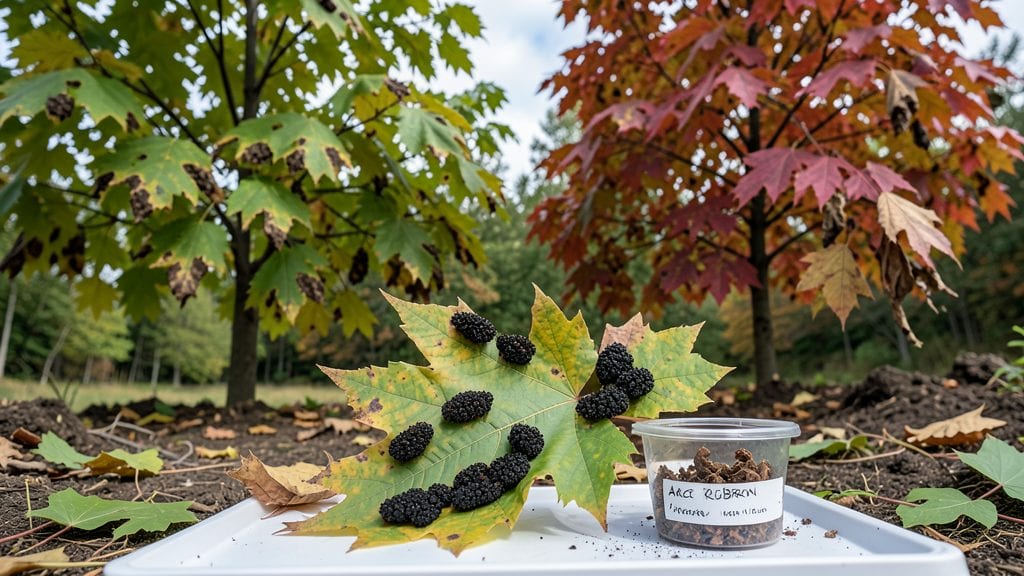
Your maple tree’s diseases—especially anthracnose—are far more destructive than you might realize, as those spreading brown leaf spots refuse to fade without intervention. tree is acting now, before the spores spread. The good news? Organic control works, but timing and technique matter more than sprays alone.
Anthracnose thrives in wet, shady conditions, so the first step is understanding why your tree got infected—was it last spring’s endless rain, or maybe those overcrowded branches blocking airflow? Pruning to improve circulation and removing infected leaves before they fall cuts the fungus’s food supply.
I’ve seen trees rebound completely when treated early, but once the spores settle into the soil, the battle gets harder.
You’ll start with a 3-step organic defense: copper fungicide sprays (applied at bud swell), raking up fallen leaves, and mulching with wood chips to keep the base dry. The results?
Fewer spots by mid-summer, and a canopy that stays lush instead of patchy. This isn’t a quick fix—it’s a season-long game of patience and prevention—but your tree can recover.
Works for sugar maples, silver maples, and red maples alike, though shade-tolerant varieties need extra vigilance. The secret weapon? Catching it early. Let’s turn those brown spots into a thing of the past.
Understanding Anthracnose Triggers
Anthracnose in maple trees isn’t just random bad luck—it’s the result of specific conditions that create the perfect storm for fungal infection. Let’s break down the key culprits behind this common disease and why your maple trees might be under siege.
Anthracnose thrives in damp, humid environments, making prolonged wetness its favorite breeding ground. Here’s why:
- Fungal spores love water. The pathogen Gloeosporium (or related species) spreads via rain-splashed droplets, infecting leaves, twigs, and even bark. Heavy rainfall or frequent misting keeps spores active and encourages germination.
- Poor drainage worsens the problem. If your maple’s roots sit in soggy soil, the tree weakens, making it easier for anthracnose to take hold. Compacted or clay-heavy soils trap moisture, creating ideal conditions.
- Morning dew and overhead watering. Even light dew or sprinklers that wet foliage for extended periods can trigger outbreaks. The fungus needs just 12–24 hours of leaf wetness to infect.
Pro Tip: 💡 If your area gets frequent rain, choose resistant maple varieties like Norway maple or Freeman maple, which handle humidity better.
A maple tree under stress is like an open invitation for anthracnose. Stress factors include:
- Poor air circulation. Dense foliage traps moisture, creating a humid microclimate where spores flourish. Prune to open the canopy and improve airflow—aim for 20–30% light penetration to the lower branches.
- Nutrient deficiencies. Trees lacking nitrogen, phosphorus, or potassium are weaker and more susceptible. Yellowing leaves (a sign of deficiency) signal vulnerability to fungal attacks.
- Physical damage. Broken branches or wounds from storms or pruning create entry points for spores. Always sterilize pruning tools with rubbing alcohol to avoid spreading pathogens.
Pro Tip: 🌡️ Monitor your tree’s health year-round. Healthy leaves = fewer anthracnose hotspots.
Anthracnose doesn’t just appear out of nowhere—it’s often already in your yard, waiting for the right moment to strike. Here’s how spores spread:
- Infected leaves and debris. Spores survive in fallen leaves, twigs, and mulch over winter. If you don’t clean up debris in autumn, spores reinfect the tree the next spring.
- Wind and splashing water. Spores hitch rides on wind currents or rain splashes, landing on new leaves. This is why early spring outbreaks are so common—fresh foliage is tender and unprotected.
- Contaminated tools or clothing. Moving from an infected tree to a healthy one can transfer spores. Always disinfect tools between trees.
Pro Tip: ✨ Preventative cleanup is key: Remove and dispose of (not compost) fallen leaves and prunings from infected trees in late fall.
Anthracnose isn’t just a wet-weather problem—it’s also a temperature-sensitive one. The fungus peaks in activity when:
- Temperatures hover between 60–80°F (15–27°C). Cooler springs (below 50°F) slow spore release, but once warmth arrives, the fungus explodes in growth.
- Humidity stays high. Relative humidity above 75% for prolonged periods keeps spores active. This is why spring and fall are high-risk seasons.
- Rapid leaf growth confuses defenses. Young, tender leaves in spring are more permeable to fungal invasion, making early outbreaks more severe.
Pro Tip: 🎯 If your region has hot, humid summers, consider mulching with wood chips (not leaves) to moderate soil moisture and reduce stress.
Quick Fixes for Maple Tree Anthracnose
Anthracnose may sound intimidating, but with the right approach, you can restore your maple tree’s health—naturally and effectively. Below are targeted solutions for each cause, paired with prevention tips to keep your tree thriving long-term. Let’s tackle this fungal foe step by step!
Problem: Excess moisture creates the perfect breeding ground for anthracnose spores.
Solution: 🔥 Improve Drainage
- 🔨 Dig a shallow trench (6–12 inches deep) around the tree’s drip line to redirect excess water away from the roots.
- 🪴 Add organic mulch (3–4 inches thick) like wood chips or shredded bark, keeping it 6 inches away from the trunk to prevent rot.
🍳 Adjust Watering Habits
- ⏰ Water deeply but infrequently—aim for 1–1.5 inches per week (including rain), and avoid overhead sprinklers.
- 🌧️ Use a soaker hose or drip irrigation to deliver water at the base, reducing leaf wetness.
💡 Pro Tip: Test your soil’s drainage by digging a 12-inch hole, filling it with water, and timing how long it takes to drain. If it’s slower than 4–6 hours, amend with compost or sand.
Problem: Dark, greasy spots on leaves signal active anthracnose infection.
Solution: 👨🍳 Prune Strategically
- ✂️ Remove infected leaves and branches (up to 12 inches below the damage) using sterilized pruners (wipe with 70% isopropyl alcohol).
- 🗑️ Bag and dispose of debris in the trash (not compost)—do not shred infected leaves, as spores can spread.
🌡️ Apply Organic Fungicides
- 🍄 Use a baking soda spray (1 tbsp baking soda + 1 tsp horticultural oil + 1 gallon water + a drop of dish soap) every 7–10 days during wet seasons.
- 🌿 Try neem oil (2 tbsp per gallon of water) as a preventative spray—reapply after rain.
🎯 Boost Tree Resilience
- 💪 Fertilize with compost or a balanced organic fertilizer (10-10-10) in early spring to strengthen the tree’s defenses.
- 🌳 Avoid heavy nitrogen fertilizers, which promote lush growth (and more fungal food).
Problem: Anthracnose often returns if environmental conditions stay favorable.
Solution: ✨ Year-Round Prevention Checklist
- 🍂 Clean up fallen leaves in late fall—pile them in a sealed bag for trash pickup.
- 🌿 Space trees properly (15–20 feet apart) to improve airflow and reduce humidity around foliage.
- 🌡️ Monitor weather forecasts—apply fungicides before rain if spores are likely to spread.
🔥 Spring Readiness (Critical!)
- 🌱 Prune in late winter/early spring (before buds swell) to remove weak branches.
- 🍄 Spray with copper fungicide (organic option) or potassium bicarbonate at bud break for early protection.
🌡️ Summer Care
- 💦 Avoid late-season watering—stop 4–6 weeks before fall to let the tree harden off.
- 🍃 Inspect leaves weekly—catch early signs with a handheld magnifying glass if needed.
Final Note: Consistency is key! Anthracnose thrives on neglect, but a proactive approach—combining cultural fixes, organic treatments, and smart timing—will keep your maple tree lush, healthy, and disease-free. 🌳💚
Frequently asked questions about maple tree anthracnose
What do anthracnose spots look like on maple leaves?
Anthracnose spots start as tiny, dark brown or black specks with yellow halos around them. As they grow, they develop a greasy, velvety texture and may merge into larger patches. Look for irregular shapes with ragged edges—these are classic signs of the fungus at work. Early detection is key to stopping its spread.
Can anthracnose kill my maple tree?
While anthracnose rarely kills mature maple trees outright, severe infections can weaken the tree over time, making it more vulnerable to other diseases or pests. Young trees or stressed specimens are at higher risk. The real danger comes from repeated infections that prevent proper leaf production, leading to decline. Act fast with fungicides and pruning to protect your tree’s health.
How often should I spray fungicide for anthracnose?
For organic control, apply fungicides like copper spray or neem oil every 7–14 days during high-risk periods (spring and fall). Start at bud break and continue until new growth hardens off. Chemical fungicides may require fewer applications (every 2–3 weeks), but always follow label instructions. Consistency matters more than frequency—missed sprays let spores regain the upper hand.
Why does anthracnose keep coming back every year?
Anthracnose spores survive winter in fallen leaves and mulch, so if you don’t remove infected debris, they’ll reinfect your tree the next spring. Poor airflow, overwatering, or weak tree health also create ideal conditions. Break the cycle by cleaning up leaves in late fall, improving drainage, and applying preventive sprays before symptoms appear.
Are some maple varieties more resistant to anthracnose?
Yes! Norway maples and Freeman maples show better natural resistance than sugar or silver maples. Even within varieties, healthier trees (well-pruned, properly fertilized) fight infections better. While no maple is immune, choosing resistant types and practicing good sanitation reduces your risk significantly.