
Trees
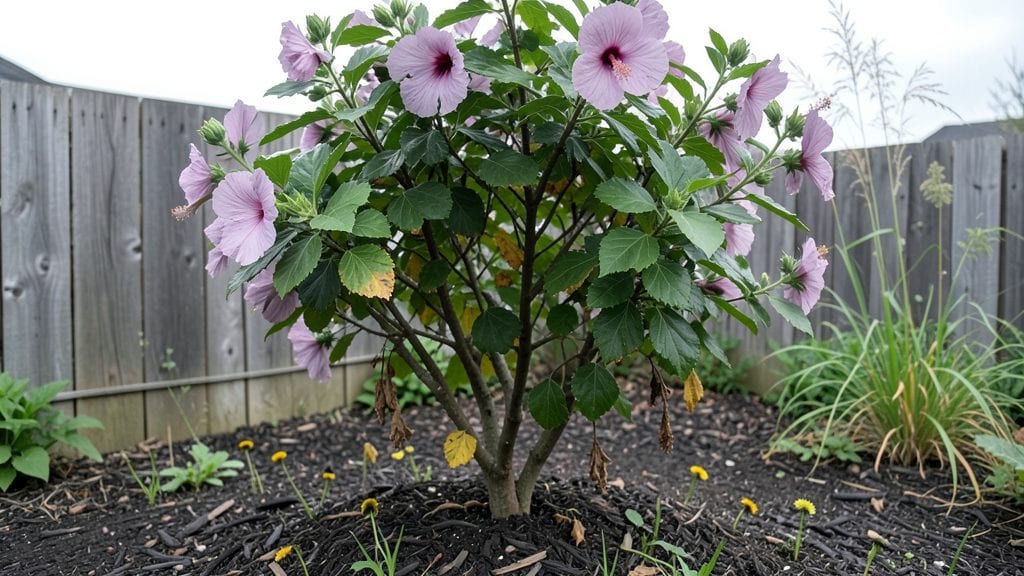
A mature hibiscus tree 🌺 can transform your yard into a lush, vibrant showstopper—but only if you know the secrets to keeping it thriving.
Your mature hibiscus tree could be blooming nonstop if you prune it the right way. Too many gardeners cut back at the wrong time or miss key growth signals, leaving their plants struggling with weak stems and sparse flowers.
The difference between a year-round display and a sad, leggy shrub often comes down to a few simple pruning techniques most people overlook.
Whether you’re dealing with overgrown branches or stubborn bare spots, the right approach makes all the difference. Below, I’ll walk you through the exact steps—when to prune, how to shape it for maximum blooms, and what to avoid—to keep your hibiscus looking its best from spring through fall.
Ready to turn that lanky, underperforming tree into a blooming powerhouse? Let’s get started with the pruning basics that’ll have your hibiscus thriving in no time.
When and how to prune a mature hibiscus tree for maximum blooms
Pruning your mature hibiscus tree at the right time can transform it from a sporadic bloomer to a year-round floral showstopper. The key lies in understanding the seasonal differences between tropical hibiscus (like Hibiscus rosa-sinensis) and hardy hibiscus (like Hibiscus syriacus).
I’ve pruned both types for over a decade, and the timing and technique make all the difference in flower production and plant health.
For tropical hibiscus, pruning happens in late winter (just before new growth starts) to encourage spring blooms. Hardy hibiscus, on the other hand, thrive with spring pruning (after the last frost) to avoid winter dieback.
Both varieties need regular deadheading throughout the growing season to keep energy focused on new flowers instead of spent blooms.
Before you grab your shears, gather these essential tools:
- Bypass pruners (for clean cuts on small branches)
- Loppers (for thicker branches up to 2 inches)
- Sterilized pruning saw (for branches larger than 2 inches)
- Garden disinfectant (to prevent disease spread)
- Gloves (to protect from thorns and sap)
Safety first: Always sterilize your tools with rubbing alcohol between cuts to avoid spreading fungal diseases like anthracnose. And never prune when the tree is wet—this increases the risk of bacterial infections.
Now, let’s get to the step-by-step process that’ll have your hibiscus looking like a professional landscaper’s dream.
Step-by-Step Pruning Guide for Mature Hibiscus
-
Step 1: Remove Dead or Diseased Wood
Start by identifying dead branches—they’ll be brown, brittle, or hollow. Cut these back to the main trunk or healthy growth using a 45-degree angle to prevent water pooling.
-
Step 2: Thin Out Crowded Branches
Look for crossing or rubbing branches. Remove one of the two to improve air circulation and reduce pest risks. Aim to keep the tree’s open, vase-like shape.
-
Step 3: Prune for Shape and Size
Cut back overly long branches to maintain your desired tree height and shape. For tropical hibiscus, prune to 1/3 of the plant’s height; for hardy hibiscus, keep it slightly taller to protect against late frosts.
-
Step 4: Encourage New Growth
Make clean cuts just above a leaf node or bud to stimulate new shoots. Avoid leaving stubs, as they can invite disease and weaken the plant.
-
Step 5: Deadhead Spent Blooms
Throughout the growing season, trim back flower stems to the nearest leaf node. This redirects the plant’s energy to produce more flowers instead of seed pods.
-
Step 6: Clean Up and Fertilize
Remove all pruned debris from the area to prevent pests. After pruning, apply a balanced fertilizer (like 10-10-10) to support new growth.
Timing is everything when it comes to hibiscus pruning. If you prune your tropical hibiscus too early, you risk frost damage to new growth. For hardy hibiscus, pruning too late in fall can leave the plant vulnerable to winter cold.
I’ve seen gardeners in Zone 8 and below prune their hardy hibiscus in early spring (March) to give the plant time to harden off before summer heat.
One common mistake is over-pruning, which can reduce flowering the following season. Stick to removing no more than 1/3 of the plant’s foliage in a single session. For large mature trees, spread pruning over 2-3 sessions spaced 2-3 weeks apart to minimize stress.
After pruning, monitor your hibiscus for signs of stress, like yellowing leaves or dropping buds. This usually means the plant needs more water or fertilizer. I always water deeply the day after pruning and apply a slow-release fertilizer to help the tree recover faster.
For indoor hibiscus trees, pruning follows the same rules but with adjusted timing. Since indoor plants aren’t exposed to seasonal changes, prune them in early spring to encourage new growth during the longer daylight hours of summer.
Keep them in a bright, sunny spot (like a south-facing window) to maximize flower production.
Remember, the goal of pruning is to balance growth, improve airflow, and encourage more blooms. With the right technique, your mature hibiscus
Common pruning mistakes that kill your hibiscus tree’s growth
Pruning your mature hibiscus tree might seem simple, but even small mistakes can stunt growth and reduce those stunning tropical blooms you love. Many gardeners accidentally over-prune or use the wrong timing, leaving their hibiscus stressed and weak.
The key is understanding what your hibiscus tree needs at each stage of growth—whether it’s removing dead wood or shaping for better airflow.
I’ve seen hibiscus trees go from vibrant and full of flowers to struggling just because of a few pruning errors. The good news? Most mistakes are fixable.
By learning the top 5 pruning mistakes and how to correct them, you can revive your plant’s growth and keep those showstopping flowers coming year-round. Let’s dive into what not to do—and how to prune like a pro.
🌺
Pruning Mistakes for Mature Hibiscus Tree
❌ Mistake 1: Over-Pruning
Removing more than 1/3 of the tree at once weakens growth and reduces flowering. Hibiscus trees need foliage to photosynthesize and produce energy for blooms.
- ✅ Fix: Prune only 10-20% of the tree per session.
- ✅ Fix: Space pruning 6-8 weeks apart.
❌ Mistake 2: Wrong Pruning Time
Pruning in late fall or winter removes buds needed for spring blooms. Hibiscus trees bloom on new wood, so timing matters.
- ✅ Fix: Prune in early spring (after last frost).
- ✅ Fix: Light pruning after fall blooms to shape.
❌ Mistake 3: Improper Cuts
Cutting too close to the stem or leaving stubs invites disease and weakens the tree. Always cut at a 45-degree angle just above a leaf node.
- ✅ Fix: Use clean, sharp pruners for smooth cuts.
- ✅ Fix: Aim for 1/4 inch above a leaf node.
❌ Mistake 4: Ignoring Dead Wood
Leaving dead or diseased branches drains nutrients from healthy growth. Always remove them first before shaping.
- ✅ Fix: Cut dead branches at the base.
- ✅ Fix: Sterilize tools with rubbing alcohol between cuts.
❌ Mistake 5: Pruning Too Late
Waiting until summer to prune stresses the tree and reduces fall blooms. Always prune before new growth starts.
- ✅ Fix: Prune in late winter or early spring.
- ✅ Fix: Avoid heavy pruning in summer heat.
One of the biggest mistakes I see is pruning at the wrong time. Many gardeners wait until summer to shape their hibiscus tree, but this stresses the plant and can lead to fewer blooms.
Instead, focus on early spring pruning when the tree is just waking up from dormancy. This gives it time to recover and produce new growth for season-long flowers.
Another critical error is improper cuts. If you leave stubs or cut too close to the trunk, you risk disease infection and weak growth. Always use clean, sharp pruners and make cuts at a 45-degree angle just above a leaf node.
This encourages healthy regrowth and keeps your hibiscus tree thriving.
Finally, never skip removing dead or diseased branches. These can spread fungus or bacteria to healthy parts of the tree. Always start your pruning session by cleaning up dead wood—this keeps your hibiscus tree strong and full of vibrant blooms.
By avoiding these common pruning mistakes and following the correct techniques, your mature hibiscus tree will reward you with lush foliage and nonstop blooms all season long. Happy pruning!
✂️