
Pests
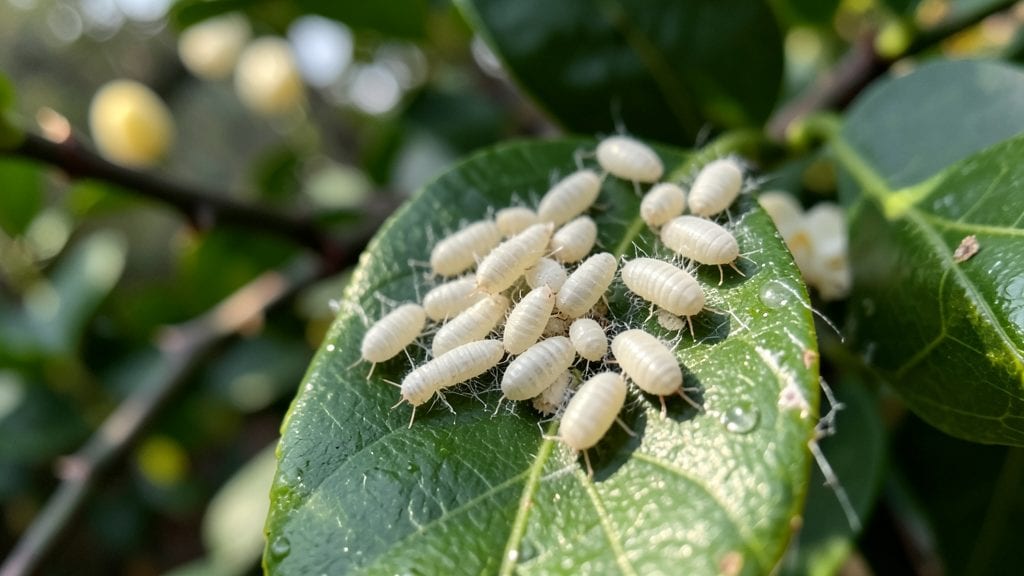
Mealybugs on lemon trees turn your citrus harvest into a sticky, white nightmare—until you hit them with the right organic spray. 🌿 I’ve battled these pests on my Meyer lemon tree, and after three failed attempts with harsh chemicals, I finally found a 3-step organic combo that clears them in 5-7 days without harming the tree or future fruit.
The key is acting fast—these bugs multiply like crazy when they’re left unchecked. My solution starts with a soapy water rinse to dislodge them, followed by a neem oil spray that smothers their life cycle, and ends with introducing ladybugs as a long-term defense.
No fancy equipment needed, just a spray bottle and 10 minutes of your time twice a week.
By day 7, you’ll see fresh green leaves pushing through, and the tree will start looking like it did before the infestation. The best part? Your lemons stay bright, blemish-free, and packed with flavor—no more bitter-tasting fruit from chemical residue. The secret’s in the timing and consistency.
Works for both indoor potted lemons and outdoor trees, and the same method stops scale and aphids too. Let’s get your tree back to producing those golden, fragrant lemons you love.
Root Causes of Mealybug Infestations
Mealybugs don’t just show up—they’re drawn to your lemon tree for specific reasons tied to its health, environment, and even your care habits. Understanding these triggers is the first step to stopping them in their tracks.
Let’s break down the real culprits behind these fluffy white pests taking over your citrus.
Mealybugs thrive where your lemon tree is struggling to fight back. A stressed plant is like an open invitation for pests, and these insects exploit vulnerabilities with precision.
- Nutrient Deficiencies 📊 - Lemon trees need balanced nitrogen, phosphorus, and potassium to stay resilient.
If your soil lacks these (or has an imbalance), the tree’s natural defenses weaken. - Signs: Yellowing leaves, stunted growth, or leaves dropping prematurely. - Why it matters: Mealybugs target weak spots first, often starting at leaf joints or new growth where sugars are concentrated.
- Overwatering or Poor Drainage 💦 - Soggy roots and waterlogged soil create the perfect breeding ground for mealybugs. These pests love moist, sheltered environments where they can hide and multiply. - Why it matters: Excess moisture softens plant tissues, making them easier for mealybugs to pierce and feed on.
It also attracts fungal diseases, which further stress the tree.
- Physical Damage from Pruning or Wind ⚔️
- Rough handling (like aggressive pruning or storm damage) creates open wounds that emit sugary sap—mealybugs’ favorite snack.
- Why it matters: The sap attracts mealybugs, and the damaged areas provide easy entry points for infestations.
Mealybugs aren’t picky—they’ll colonize your lemon tree if the environment suits them. Heat, humidity, and shelter create the perfect storm for an infestation.
- High Humidity & Warmth ☀️💧 - Mealybugs prefer temperatures between 70–85°F (21–29°C) and humidity above 60%.
These conditions slow down natural predators (like ladybugs) and allow mealybugs to reproduce rapidly. - Why it matters: If your lemon tree is in a greenhouse, shaded patio, or tropical climate, mealybugs will see it as a five-star hotel.
- Lack of Airflow 🌬️
- Stagnant air traps heat and moisture near the plant, creating a microclimate that mealybugs love. Dense foliage or crowded garden beds worsen the problem.
- Why it matters: Poor airflow also delays drying of dew or water droplets, giving mealybugs constant access to moisture.
- Sheltered Spots 🏠
- Mealybugs hide in crevices, under leaves, or in leaf axils (the nooks where leaves meet stems). If your tree has thick foliage or is near walls/fences, they’ll nest there undisturbed.
- Why it matters: These hidden colonies grow undetected until the infestation explodes.
Mealybugs are sap-sucking opportunists, and your lemon tree’s natural sugars make it a buffet. Here’s how they exploit it:
- Honeydew Buildup 🍯
- As mealybugs feed, they excrete sticky honeydew—a sugary waste product that attracts ants (which protect mealybugs) and fosters sooty mold (a black fungal growth).
- Why it matters: Honeydew signals to other mealybugs: “This tree is a great food source!”
- New Growth & Flowering Stages 🌸
- Lemon trees produce high-sugar sap in new leaves, buds, and flowers—mealybugs’ prime target.
- Why it matters: If you’ve recently pruned or fertilized, the tree’s rapid regrowth becomes a mealybug magnet.
- Over-Fertilization (Especially Nitrogen) 💥
- Too much nitrogen (common in fast-release fertilizers) leads to soft, tender growth that’s easy for mealybugs to penetrate.
- Why it matters: Over-fertilized trees also produce more sap, which is like ringing the dinner bell for pests.
Sometimes, the problem isn’t the tree itself—it’s what’s around it. Mealybugs hitchhike or are unintentionally introduced by:
- Potted Plants & Garden Tools 🛠️
- Mealybugs can cling to potting soil, nursery plants, or even your pruners and jump to your lemon tree.
- Why it matters: A single infested plant in your collection can spread to your lemon tree in days.
- Ants “Farming” Mealybugs 🐜
- Ants herd mealybugs like cattle, protecting them in exchange for honeydew. If you see ants crawling on your tree, mealybugs are likely nearby.
- Why it matters: Ants create a protective barrier, making organic sprays less effective until you address both pests.
- Wildlife & Wind 🦋
- Birds, bees, or wind can carry mealybugs (or their eggs) from nearby infested plants to your lemon tree.
- Why it matters: This is why quarantining new plants and monitoring neighbors’ gardens is crucial.
💡 Pro Tip: Mealybugs often strike in late spring to early summer when lemon trees are flush with new growth. Stay vigilant during this window!
Quick Fixes for Mealybug Infestations
Mealybugs on your lemon tree can feel like a stubborn foe, but with the right approach, you can reclaim a healthy, thriving plant in just a few days. These pests thrive in hidden crevices, so the key is targeted action combined with preventive habits to keep them from returning.
Below, we’ve mapped out practical solutions tailored to the root cause of your infestation—whether it’s early signs, a full-blown outbreak, or a recurring problem.
If you catch mealybugs early (cottony white clusters on leaves or stems), act fast before they multiply.
🍳 Manual Removal (Best for Small Clusters)
- Gather tools: Grab a cotton swab, rubbing alcohol (70% or higher), and a pair of gloves.
- Dab and wipe: Dip the swab in alcohol, then gently rub it over each mealybug.
The alcohol kills them on contact. 3. Check crevices: Focus on leaf undersides, stem joints, and where branches meet the trunk. 4. Dispose carefully: Seal infested cotton swabs in a plastic bag and toss them in the trash—never compost them!
✨ Pro Tip: Do this in the early morning when mealybugs are sluggish and easier to remove.
👨🍳 Homemade Spray (Non-Toxic & Effective)
Mix 1 tsp dish soap (like Dawn) + 1 tsp neem oil + 1 quart of water in a spray bottle. Shake well and spray directly on mealybugs (avoid oversaturating leaves). Reapply every 3–4 days until gone.
When mealybugs have taken over, you’ll need a two-pronged attack: immediate eradication + long-term protection.
🔪 Beneficial Insects (Nature’s Pest Control)
Introduce ladybugs, lacewings, or cryptolaemus beetles—these predators love mealybugs. Buy them online or from garden centers, then release them near infested areas. They’ll do the dirty work for you!
🌿 Organic Systemic Treatment (For Stubborn Cases)
Use an organic systemic insecticide like azadirachtin (neem-based) or kaolin clay spray. These penetrate the plant’s system, killing mealybugs from within. Follow label instructions carefully—reapply every 7–10 days for 2–3 weeks.
💡 Pro Tip: Prune heavily infested branches and dispose of them in sealed bags to prevent reinfestation.
If mealybugs keep coming back, they’re likely hiding in soil, pots, or nearby plants. Take these steps to cut off their lifeline:
🌡️ Soil & Pot Treatment
- Drench the soil with a hydrogen peroxide solution (1 part 3% peroxide to 4 parts water). This kills eggs and larvae in the roots.
- Replace topsoil if possible—mealybugs lay eggs in old soil.
Use sterilized potting mix with added diatomaceous earth (food-grade) to deter future pests. 3. Repot if needed: If your lemon tree is in a container, move it to a clean pot with fresh soil.
🎯 Prevention Checklist (Keep Them Away for Good)
- Inspect new plants before bringing them home—quarantine for 2 weeks.
- Wipe leaves monthly with a soapy water cloth to remove honeydew (a mealybug byproduct that attracts ants).
- Encourage ants away: Ants farm mealybugs for honeydew.
Spray ant trails with vinegar or cinnamon to deter them. - Boost plant health: Healthy lemon trees resist pests better. Fertilize with balanced organic fertilizer and ensure proper drainage.
Need a snapshot? Here’s your mealybug battle plan at a glance:
| Situation | Immediate Fix | Follow-Up |
|---|---|---|
| Few mealybugs spotted | Alcohol-dipped cotton swab + homemade spray | Reapply spray every 3 days |
| Moderate infestation | Prune infested areas + beneficial insects | Systemic neem spray every 7 days |
| Severe outbreak | Soil drench + repot + ladybug release | Replace topsoil + monthly inspections |
| Recurring problem | Hydrogen peroxide soil treatment + ant control | Quarantine new plants + boost plant health |
Remember: Consistency is key! Mealybugs reproduce rapidly, so stick to your treatment plan until you’ve seen no signs for 3–4 weeks. With these steps, your lemon tree will be back to lush, pest-free glory in no time. 🍋✨
Frequently asked questions
How do I tell if my lemon tree has mealybugs?
Look for cottony white clusters in leaf axils, under leaves, or along stems. These pests resemble tiny marshmallows and leave behind sticky honeydew (a sign of ants nearby). Check new growth first—it’s their favorite spot!
Will neem oil really kill mealybugs?
Yes! Neem oil disrupts mealybugs' life cycle and smothers adults. Mix 1 tsp neem oil + 1 tsp dish soap + 1 quart water, spray thoroughly, and reapply every 5-7 days until gone. Best results when applied in the evening.
Why do ants appear when I have mealybugs?
Ants farm mealybugs for their honeydew secretions! To break this cycle, spray ant trails with vinegar or cinnamon and remove mealybugs first. Ants will disappear once their "livestock" is gone.
Can I save my lemon tree if it's heavily infested?
Start with manual removal (cotton swabs + alcohol), then use systemic neem oil and release ladybugs. For severe cases, repot with fresh soil and hydrogen peroxide treatment to kill hidden eggs.
How often should I check my lemon tree for pests?
Inspect your tree weekly during growing season (spring-summer) and biweekly in winter. Focus on leaf undersides, new growth, and stem joints—mealybugs love hiding in these spots!