
Trees
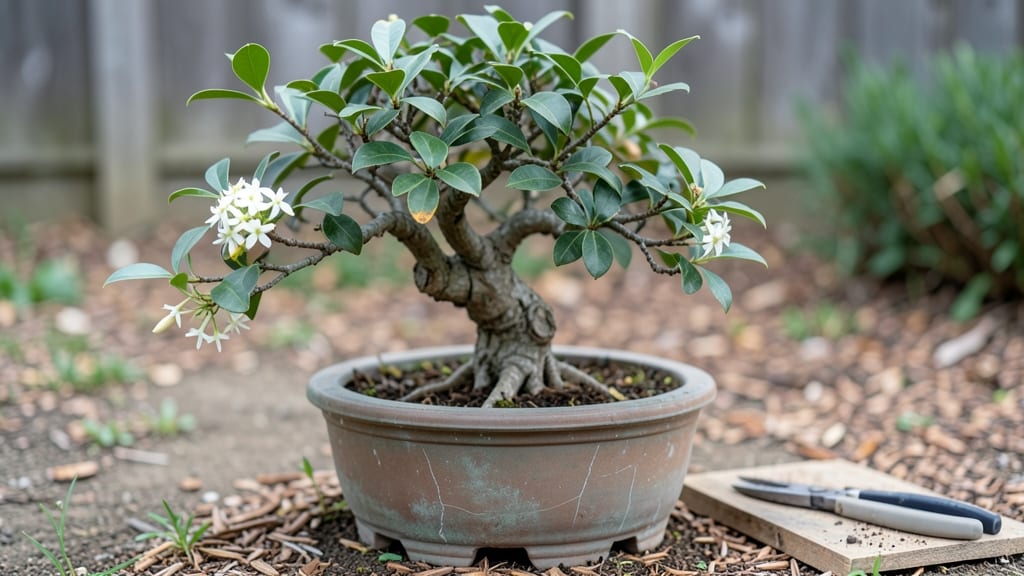
Miniature ornamental trees bring refined beauty to even the smallest spaces—no yard required. 🌿 I discovered them after struggling to fit trees in my tiny urban patio, and they’ve become my secret weapon for adding sophistication without sacrificing space.
These pint-sized powerhouses thrive in containers, offering year-round interest with their delicate foliage, striking bark, and seasonal blooms.
The best part? They’re surprisingly versatile. Place them as standalone statement pieces near entryways, cluster them in mixed container gardens, or create a mini grove with different varieties for layered texture.
Popular picks like Japanese maples, dwarf fruit trees, and ornamental cherries deliver drama in 5-gallon pots or less—no bonsai skills needed. Their slow growth means you’ll enjoy their charm for years without constant pruning.
With the right care, these trees stay lush and healthy through all four seasons. Prune lightly in early spring, water when the top inch of soil feels dry, and give them bright but indirect light.
The payoff? A living centerpiece that evolves with the seasons—spring blossoms, summer shade, fiery fall foliage, and even winter interest with textured bark. Your patio or porch will feel like a curated gallery.
They adapt to nearly any style, from zen-inspired Japanese gardens to modern minimalist spaces. Pair a dwarf Japanese maple with moss and pebbles for a tranquil retreat, or contrast a bold dwarf fruit tree against sleek containers for a contemporary look.
The possibilities are endless, and the results are undeniably elegant. Ready to transform your space?
📚 In This Guide
- What you need
- Instructions
- Tips and common mistakes
- Wrapping up and next steps
What you need
- ● Miniature ornamental tree varieties: Choose dwarf or slow-growing species like Japanese maples (Acer palmatum), bonsai-friendly pines (Pinus mugo), or dwarf fruit trees (e.g., apple or citrus). (1–3 plants per container, depending on size.)
- ● Containers: Well-draining pots (5–15 gallons) with drainage holes. Terracotta or ceramic works best for aesthetic appeal.
- ● High-quality potting mix: A blend of 60% inorganic material (perlite, pumice) and 40% organic (peat moss, compost) for drainage and aeration.
- ● Slow-release fertilizer: Granular or spike form (look for balanced NPK, 10-10-10 or 20-20-20) to feed roots gradually.
- ● Pruning tools: Bypass pruners (for clean cuts)
- ● Concave cutter (for shaping)
- ● Small hand saw (for thicker branches)
- ○ Support structures (optional but helpful): Bonsai wire (copper or aluminum, 1–2mm thickness)
- ● Miniature stakes or clips for training
- ● Decorative accents: Miniature garden flags, pebbles, or moss for a whimsical touch.
- ● Mulch: Organic (bark) or inorganic (gravel) to retain moisture and suppress weeds.
- ● Humidity tray: A shallow tray with pebbles and water to boost humidity for tropical varieties.
- ● Growth regulators: Like florel or paclobutrazol to control height (use sparingly!).
- ● Seasonal care items: Frost cloth (for winter protection)
- ● Anti-desiccant spray (for dry climates)
Step-by-Step instructions for cultivating miniature ornamental trees
Here’s how to nurture these delicate beauties into thriving, year-round centerpieces.
🌱 Step 1: Select and Prepare the Right Containers
Miniature ornamental trees need containers with drainage—no exceptions. I use 6-8 inch pots with at least three drainage holes to prevent root rot, which is their #1 enemy. Terra cotta works best because it breathes, but ceramic with drainage will do. Line the bottom with 1 inch of small pebbles or perlite to create an air pocket that keeps roots dry.
Fill the pot 2/3 full with a well-draining cactus/succulent mix (never regular potting soil—it holds too much moisture). Tap the pot gently to settle the mix, then add a 1-inch layer of coarse sand on top. This mimics their natural rocky habitat and prevents compaction. Skip this step, and you’ll end up with soggy roots and yellowing leaves.
🪴 Step 2: Plant with Precision and Support
Remove the tree from its nursery pot and loosen the roots if they’re circling. Place it in the center of the container so the base of the trunk sits 1 inch above the soil line—this prevents rot at the stem. Gently backfill with the remaining cactus/succulent mix, pressing lightly to eliminate air pockets but not compacting too tightly.
Stake the tree immediately with a 2-3 inch bamboo stake inserted at a 45-degree angle near the trunk. Secure it loosely with soft twine—you don’t want to strangle the stem as it grows. Water lightly after planting, but don’t soak the soil. These trees hate wet feet, and overwatering at this stage will drown them before they even take hold.
☀️ Step 3: Position for Light and Temperature
Place your miniature tree in bright, indirect light for the first 2 weeks to acclimate. Direct sun can scorch delicate new leaves, so a south-facing window with sheer curtains is ideal. After that, move it to 4-6 hours of morning sun—afternoon sun is too intense and can bleach the foliage.
Keep temperatures between 60-75°F during the day and no lower than 55°F at night. Drafts from windows or vents will shock the tree, causing leaves to drop. If you’re growing these indoors, avoid placing them near heating vents or air conditioning units. A consistent microclimate is key to their survival.
💧 Step 4: Water and Fertilize with Care
Water only when the top inch of soil feels completely dry—stick your finger in the soil to check. When you water, do it thoroughly but slowly until water drains from the bottom holes. Empty the saucer afterward to prevent the roots from sitting in water. Overwatering is the fastest way to kill these trees, so err on the side of underwatering.
Fertilize once a month during spring and summer with a diluted 10-10-10 fertilizer (half-strength). Skip fertilizing in fall and winter—they’re dormant, and feeding them will encourage weak growth. You’ll see new growth within 2-3 weeks of fertilizing if the conditions are right. If the leaves turn yellow or brown, you’re overdoing it.
✂️ Step 5: Prune and Maintain Year-Round
Prune only in late winter or early spring before new growth begins. Use clean, sharp scissors to trim back any leggy branches to encourage bushier growth. Never cut into old wood—focus on the new, flexible growth. Remove any dead or diseased branches immediately to keep the tree healthy.
Rotate the pot a quarter turn every 2 weeks so the tree grows evenly toward the light. Dust the leaves gently with a soft brush every few months to keep them breathing properly. In winter, reduce watering to once every 3-4 weeks and move the tree away from cold drafts. With this care, your miniature ornamental tree will stay lush and elegant for years.
Tips & tricks for perfect miniature ornamental trees
Real talk: These tiny trees might look delicate, but they’re tougher than they appear once you get the basics right. Here’s what I’ve learned from years of trial and error to keep them thriving.
Container Selection Matters: In Step 1, don’t just grab any pot—opt for terra cotta or ceramic with drainage holes. The 1-inch layer of pebbles or perlite at the bottom isn’t just decoration; it’s what prevents root rot by keeping excess moisture away from delicate roots. I’ve seen soggy roots turn yellow within days when this step is skipped. Pro tip: If your pot doesn’t have holes, drill them yourself—these trees won’t survive without proper drainage.
Staking Technique: That 2-3 inch bamboo stake in Step 2 isn’t optional. Miniature trees grow top-heavy, and without support, they’ll lean or even topple. Insert it at a 45-degree angle near the trunk, but don’t cinch the twine too tight—you want room for growth. I’ve had trees snap at the base when staked too aggressively. The key is gentle but secure, like a supportive hug.
Light Transition is Critical: The 2-week acclimation period in bright, indirect light in Step 3 is non-negotiable. I’ve seen new leaves scorch within hours when moved straight to direct sun. After those 2 weeks, those 4-6 hours of morning sun become essential—afternoon sun will bleach the foliage faster than you can blink. Think of it like sunbathing: gradual exposure is key.
Fertilizer Timing: That monthly feeding during spring and summer? It’s not just about the fertilizer—it’s about the timing. Apply it when you see new growth starting, usually in late winter or early spring. I’ve made the mistake of fertilizing in winter when the tree is dormant, and it led to weak, leggy growth. Also, always dilute that 10-10-10 to half-strength—concentrated fertilizer will burn those delicate roots.
Pro Tips for Miniature Ornamental Trees
- Real talk: These tiny trees might look delicate, but they’re tougher than they appear once you get the basics right.
- Container Selection Matters: In Step 1, don’t just grab any pot—opt for terra cotta or ceramic with drainage holes.
- Staking Technique: That 2-3 inch bamboo stake in Step 2 isn’t optional.
Frequently asked questions
Got questions about keeping your miniature ornamental trees thriving? Here are some of the most common ones—plus expert answers to help you grow with confidence!
How do I keep my miniature ornamental tree alive year-round?
Miniature trees need consistent care! Place them near a bright, indirect light source (like an east or west-facing window) and avoid drafts. In winter, reduce watering slightly—let the top inch of soil dry out between waterings. Pro tip: Use a humidity tray or mist leaves occasionally to mimic their natural habitat.
When should I prune my miniature ornamental tree?
Prune after flowering (usually spring or early summer) to encourage bushier growth. Use clean, sharp scissors to trim back leggy branches or overgrown foliage. Avoid heavy pruning in fall/winter—it stresses the tree. Bonus: Shape it lightly every few months to maintain its compact form!
Can I grow miniature ornamental trees indoors without sunlight?
Most need at least 4–6 hours of light daily. If natural light is lacking, supplement with a grow light (LED or fluorescent) 12–14 hours/day. Low-light varieties like Ficus microcarpa (miniature fig) tolerate dimmer spots better, but expect slower growth.
Why are the leaves on my miniature tree turning yellow or dropping?
Yellowing leaves often signal overwatering or underwatering. Check the soil moisture—it should be slightly damp but not soggy. Other culprits: pests (like spider mites), nutrient deficiencies, or sudden temperature changes. Isolate the tree while troubleshooting and adjust care accordingly.
Are there low-maintenance alternatives to traditional bonsai?
Try dwarf citrus trees (like ‘Calamondin’), juniper shrubs, or olive trees—they’re hardier and more forgiving. Air plants (tillandsias) are another zero-maintenance option if you love the aesthetic but want less upkeep.
| Quick Fixes | When to Use |
|---|---|
| Mist leaves daily | Low humidity or dry air |
| Repot in well-draining soil | Root-bound or waterlogged soil |
| Fertilize lightly in spring/summer | Slow growth or pale leaves |
Wrapping up and next steps
Miniature ornamental trees bring a touch of nature’s elegance to any space, offering year-round charm with minimal effort. Whether you’re a seasoned gardener or just starting out, these tiny powerhouses of beauty prove that great things truly come in small packages. 🌿✨
Ready to transform your home or garden? Start by choosing the perfect variety—whether it’s a bonsai masterpiece or a low-maintenance dwarf tree—and gather your supplies. Then, dive in with confidence!
Plant your tree, care for it with love, and watch as it grows into a stunning centerpiece. The only limit is your creativity.
Now, go ahead—make your space bloom! 🌱💚