
Trees
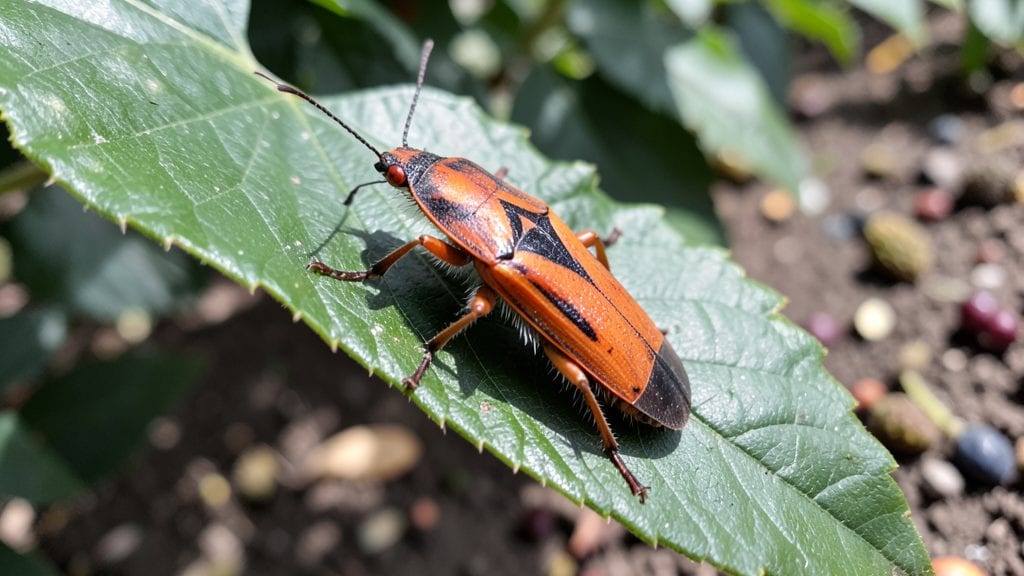
Mulberry trees attract bugs like aphids, scale, and spider mites because their sweet sap is irresistible—but I’ve learned how to fight them without toxic sprays. 🌿 The key is catching infestations early, when a quick spray of soapy water or neem oil can save your tree before the bugs spread.
Most problems start with tiny webs on leaves or sticky residue on branches. I’ve seen mulberry leaf tiers roll leaves into nests, while scale insects cling like little bumps.
The good news? Nature has solutions: ladybugs eat aphids, parasitic wasps attack caterpillars, and a strong blast of water knocks off spider mites.
By pruning damaged branches and applying organic treatments at the first sign of trouble, you’ll keep your tree thriving. The results? Fewer pests, healthier foliage, and fruit that stays clean and sweet. Let’s get your mulberry back to its best—naturally.
This works for both young trees and mature ones, though larger trees may need more frequent checks. The secret is consistency: treat early, monitor often, and you’ll outsmart the bugs before they take over.
Root Causes Of Tree Pests
Understanding why mulberry trees attract pests—like aphids, scale insects, or spider mites—starts with recognizing their natural appeal. These trees are a buffet for bugs because of their nutrient-rich leaves, tender new growth, and weak defenses when stressed.
Let’s break down the key reasons why your mulberry tree might be a magnet for unwanted visitors.
Mulberry trees produce high-sugar sap and tender, young leaves that are a feast for sap-sucking insects.
Unlike hardier trees, mulberries grow quickly, making their foliage a prime target for: - Aphids (they love the sweet sap and excrete sticky honeydew) - Scale insects (they pierce bark and leaves to feed) - Spider mites (they thrive in dry, dusty conditions on soft leaves)
Why it matters: Fast-growing trees with thin bark and delicate leaves are essentially low-hanging fruit for pests. If your tree isn’t pruned or fertilized properly, it becomes even more vulnerable.
Pests don’t just show up randomly—they’re drawn to stressed trees.
Common stressors that weaken mulberry trees and invite bugs include: - Drought or Overwatering 💦 - Too little water → Leaves become crispy and brittle, attracting mites. - Too much water → Root rot weakens the tree, making it easier for pests to invade. - Poor Soil Nutrition 🌿 - Lack of nitrogen or potassium makes leaves less resilient, signaling to pests that the tree is an easy target. - Extreme Heat or Cold ❄️☀️ - Sudden temperature swings (like late frosts or heatwaves) shock the tree, reducing its ability to fight off invaders.
Pro tip: 💡 Healthy trees resist pests better. Regularly check soil moisture, mulch properly (2–4 inches around the base), and avoid compacting the soil near roots.
In a balanced ecosystem, beneficial insects (like ladybugs, lacewings, and parasitic wasps) keep pest populations in check.
But if your mulberry tree is isolated or lacks biodiversity, pests thrive because: - No competition for food (fewer predators = more bugs). - Monoculture plantings (if you have only mulberry trees nearby, pests have a "safe zone" to multiply). - Overuse of broad-spectrum pesticides 🚫💊 - Chemicals kill both pests and their natural enemies, creating a vacuum that pests rush to fill.
Actionable fix: 🌿 Plant companion flowers (like marigolds, dill, or yarrow) near your mulberry tree to attract predator insects. Even a small patch of clover or wildflowers helps!
Sometimes, pests hitch a ride or take advantage of physical weaknesses caused by humans.
Common culprits: - Pruning wounds ⚔️ - Rough cuts or improper pruning leave open entry points for bark beetles and scale insects. - Transplant shock 🌱💨 - Recently moved mulberry trees are stressed and more susceptible to aphids and mites. - Birds & Wind 🐦💨 - Aphids and spider mite eggs can hitch rides on wind currents or birds, landing on your tree unexpectedly.
Prevention tip: ✨ Sanitize pruning tools with rubbing alcohol between cuts to avoid spreading diseases or pest eggs. Also, avoid pruning during peak pest seasons (spring and early summer).
Mulberry trees (Morus spp.) are particularly prone to certain pests due to their genetic makeup and growth habits:
- White mulberry trees (often used for silk production) are more susceptible to aphids because their leaves are softer and higher in sugars.
- Black mulberry trees may attract scale insects more frequently due to their thicker bark, which some pests prefer for egg-laying.
- Weak root systems in young or container-grown mulberries make them easier targets for root-feeding grubs.
Key takeaway: 🔍 If you’re dealing with recurring pest issues, consider the specific type of mulberry tree you have—it might influence which bugs are most attracted to it.
Pests don’t attack mulberry trees year-round—they time their invasions based on the tree’s life cycle:
- Spring 🌸 → Aphids and mites arrive as new leaves emerge (their favorite snack!).
- Summer 🌞 → Spider mites and scale insects multiply in heat and dry conditions.
- Fall 🍂 → Some pests (like stink bugs) seek shelter in tree bark before winter.
Smart strategy: 🎯 Monitor your tree closely in spring and early summer—this is when pests are most active and easiest to control before they establish colonies.
Natural Ways to Treat Tree Pests
When those pesky mulberry tree bugs start wreaking havoc on your beloved tree, it’s time to act—but not with harsh chemicals! 🌿🚫💥 The good news is that many effective, eco-friendly solutions exist to restore balance.
Below, we break down the most common causes of mulberry tree infestations and the best ways to tackle them, from quick fixes to long-term prevention.
Cause: Tiny, sap-sucking pests like aphids and scale insects cluster on leaves and stems, leaving behind sticky residue (honeydew) and stunted growth.
How to Fix It: 🔥 Blast Them Away Use a strong stream of water from a hose to dislodge aphids and scale insects. Repeat every few days for severe infestations.
🍳 Soap Up a Solution Mix 1 tablespoon of mild liquid soap (like Castile soap) with 1 quart of water in a spray bottle. Apply directly to infested areas, focusing on the undersides of leaves where pests hide.
👨🍳 Introduce Beneficial Insects Ladybugs, lacewings, and parasitic wasps are natural predators of aphids. Purchase them online or attract them by planting companion flowers like marigolds and dill.
🥘 Neem Oil Spray (For Stubborn Cases) Combine 1 teaspoon of neem oil, ½ teaspoon of dish soap, and 1 quart of water. Spray thoroughly on affected areas. Reapply every 5–7 days until pests disappear.
⏰ Best Time to Act: Early morning or late evening when pests are least active.
Cause: The larvae of these moths burrow into mulberry fruit and leaves, causing unsightly damage and reducing yield.
How to Fix It: 🔥 Handpick Larvae Inspect fruit and leaves regularly. Remove any visible larvae by hand and drop them into soapy water.
🍳 Bacillus Thuringiensis (Bt) Spray A natural bacterial treatment, Bt (Bacillus thuringiensis var. kurstaki), is safe for humans and pets but deadly to caterpillars. Mix according to package instructions and spray during the larval stage.
👨🍳 Row Covers for Young Trees If moths are a recurring issue, cover young trees with fine mesh netting during the egg-laying season (usually spring) to prevent adults from reaching the leaves.
🥘 Prune & Destroy Damaged Fruit Remove heavily infested fruit and leaves, then dispose of them in sealed bags to prevent larvae from pupating.
⏰ Best Time to Act: Late spring to early summer when larvae are most active.
Cause: These microscopic pests thrive in dry conditions, sucking juices from leaves and causing yellowing or webbing.
How to Fix It: 🔥 Increase Humidity Spider mites hate moisture. Mist your mulberry tree regularly or install a drip irrigation system to keep leaves damp.
🍳 Horticultural Oil Spray Mix 2 tablespoons of horticultural oil with 1 quart of water and spray thoroughly. This smothers mites without harming the tree. Reapply every 5–7 days.
👨🍳 Predatory Mites Release Introduce phytoseiulus persimilis (a beneficial mite) to your tree. These tiny hunters devour spider mites naturally.
🥘 Neem Oil or Diatomaceous Earth For severe infestations, apply neem oil (as above) or food-grade diatomaceous earth (sprinkle lightly on leaves). Avoid overapplying—it can harm beneficial insects too.
⏰ Best Time to Act: Early morning when mites are less active.
💡 Encourage Biodiversity Plant companion plants like basil, mint, or lavender near your mulberry tree to repel pests naturally.
🔥 Maintain Tree Health Healthy trees resist pests better! Ensure proper watering, pruning, and fertilization (use organic options).
🌡️ Monitor Regularly Check your tree weekly for early signs of infestation. Catching problems early makes treatment easier.
✨ Use Mulch Wisely Apply organic mulch (like wood chips) around the base to improve soil health and deter some pests.
By combining these targeted treatments with preventive care, you can keep your mulberry tree thriving—without a single chemical in sight! 🌱💚 Whether you’re dealing with sap-suckers, leaf-chewers, or tiny mites, nature has the solution.
Frequently asked questions
What are the most common bugs that attack mulberry trees?
The most frequent pests include aphids (tiny green/black insects), scale insects (brown bumps on branches), mulberry leaf tier larvae (rolled leaves), and spider mites (tiny webs on undersides of leaves). These bugs target the tree’s sweet sap and tender growth.
How do I know if my mulberry tree has an infestation?
Look for sticky residue (honeydew) on leaves, yellowing or curled leaves, tiny webs, or visible bugs like aphids or scale. Check the undersides of leaves and branch crevices first—these are prime hiding spots. Early detection makes treatment much easier!
Are there organic ways to control mulberry tree pests?
Yes! Try neem oil spray (mix 1 teaspoon with 1 quart of water), soapy water (1 tablespoon mild soap per quart), or horticultural oil for scale insects. Introduce beneficial insects like ladybugs or lacewings, and blast pests off with water. Always treat in the early morning or evening for best results.
Can mulberry tree bugs harm my fruit?
Mulberry leaf tier larvae burrow into fruit, causing rot and deformities, while aphids and scale weaken the tree, reducing yield. Spider mites can also damage leaves, limiting photosynthesis. Regular monitoring and early treatment (like handpicking larvae or using Bt spray) will protect your harvest.
How often should I check my mulberry tree for pests?
Inspect your tree weekly during spring and summer (peak pest seasons), and monthly in fall/winter. Focus on new growth, undersides of leaves, and branch crevices. Early detection lets you act before pests establish colonies—saving time and effort!