
Trees
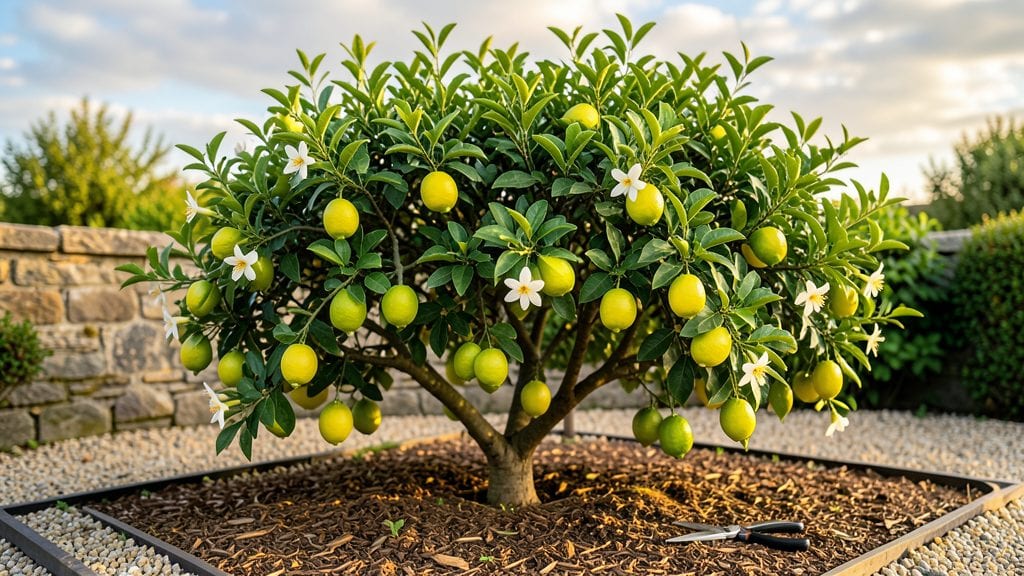
Meyer lemon tree care: essential growing conditions for optimal fruit
Meyer lemon trees thrive when you replicate their natural Mediterranean climate in your garden. These trees need full sun exposure, well-draining soil, and consistent moisture to produce sweet, juicy fruit year-round.
Unlike regular lemons, Meyer varieties are more adaptable but still demand specific conditions to flourish—especially in USDA Zones 9-11 where they’re most commonly grown.
The key to a productive Meyer lemon tree lies in understanding its sunlight needs, soil requirements, watering schedule, and temperature tolerance.
Even in ideal climates like Phoenix (Zone 9b) or California’s coastal areas (Zone 10), small mistakes in care can lead to stunted growth or poor fruit quality. Let’s break down the essentials so you can grow a tree that bears lemons continuously.
Your Meyer lemon tree’s sunlight needs are non-negotiable—it craves at least 6 hours of direct sun daily. In Zone 10 climates, like coastal California, trees can handle afternoon shade, but Phoenix gardeners (Zone 9b) should place theirs in full morning sun to avoid heat stress.
If growing in containers, a south-facing window or patio spot with reflected sunlight works, but expect slower growth and fewer lemons.
For soil conditions, Meyer lemons despise soggy roots, so well-draining soil is a must. Amend heavy clay with organic matter like compost or sand to create a loose, airy medium.
A slightly acidic pH (6.0-7.0) mimics their native Mediterranean habitat—test your soil and adjust with lime or sulfur if needed. Raised beds are ideal for urban gardeners, as they offer better drainage and temperature control.
Watering your Meyer lemon tree requires a balanced approach: too little causes fruit drop, while overwatering leads to root rot. Aim for deep, infrequent waterings—about 1-2 gallons weekly in Zone 9b and every 3-5 days in Zone 10 heat.
Always water at the base of the tree and avoid wetting leaves to prevent fungal diseases. Mulching with wood chips helps retain moisture and regulate soil temperature.
Temperature swings are the biggest threat to Meyer lemon trees, especially in Zone 9b. These trees cannot tolerate frost—even a light freeze will damage leaves and fruit. If you live in Phoenix or similar areas, protect your tree with frost cloth during winter’s rare cold snaps.
In Zone 10, where frost is rare, focus on shielding your tree from extreme heat by providing afternoon shade during summer’s peak. A lightweight shade cloth (30-50%) can work wonders.
One of the most common mistakes gardeners make is over-fertilizing Meyer lemon trees. While they need regular nutrients, too much fertilizer burns roots and reduces fruit quality. Use a balanced citrus fertilizer (6-6-6 or 8-3-9) and feed every 4-6 weeks during spring and fall.
In summer’s heat, reduce feeding to every 8-10 weeks and always water thoroughly before applying fertilizer. Organic options like fish emulsion or seaweed extract are excellent for potted trees.
If you’re growing your Meyer lemon tree in a container, choose a pot at least 18 inches wide with drainage holes—citrus trees hate soggy feet. Use a well-draining potting mix blended with perlite or sand, and move the pot to a shaded area during summer’s hottest months.
Container-grown trees need more frequent watering—check soil moisture daily in Zone 10 heat and water when the top inch feels dry. Dwarf varieties are perfect for patios but still require full sun exposure.
For year-round fruit production, pay attention to your tree’s harvest signals.
Step-by-step guide to pruning and harvesting Meyer lemons
Pruning your Meyer lemon tree isn’t just about shaping—it’s about boosting fruit production and keeping your tree healthy for years. When done right, pruning encourages airflow and sunlight penetration, reducing disease risk while maximizing those sweet, juicy lemons.
I’ve pruned my own tree for over five years, and I’ve learned that timing and technique make all the difference.
Harvesting is equally rewarding but requires patience. You’ll know your lemons are ready when they turn bright yellow and yield slightly to gentle pressure. But before you start picking, let’s walk through the seasonal pruning schedule and harvesting tips that’ll keep your tree thriving—and your kitchen stocked with fresh lemons.
Remove dead or diseased branches first. Then, trim back overly dense growth to improve sunlight exposure. Focus on water sprouts (shoots growing straight up) and crossing branches.
Trim new growth to encourage fruit-bearing branches. Avoid heavy pruning—just shape and thin out crowded areas. This keeps energy focused on lemon production rather than foliage.
Pick lemons when they’re bright yellow and slightly soft. Use clean pruners to avoid damaging the tree. Harvest every 2-3 weeks to encourage continuous production.
Only remove dead wood or branches that block sunlight. Avoid heavy pruning—your tree needs energy to recover from dormancy in cooler months (Zone 9b).
After pruning, sterilize your tools with rubbing alcohol to prevent disease spread. Check for pests or signs of stress regularly—early action keeps your tree healthy.
Proper pruning also extends your tree’s lifespan. I’ve seen Meyer lemon trees live for decades with consistent care—mine is now in its eighth year and still producing hundreds of lemons annually. The key is balancing fruit production with tree health, and seasonal adjustments make all the difference.
For harvesting, I recommend using a sharp pair of pruners to cut lemons from the stem. This prevents damage to the branch and makes future harvests easier.
Store lemons in a cool, dry place (like a pantry) to keep them fresh for weeks—though nothing beats the taste of a just-picked Meyer lemon!
Remember, patience is key. Your first harvest might be modest, but with each pruning cycle, your tree will reward you with bigger yields and healthier growth. Happy pruning—and enjoy those homegrown lemons! 🍋