
Blooming
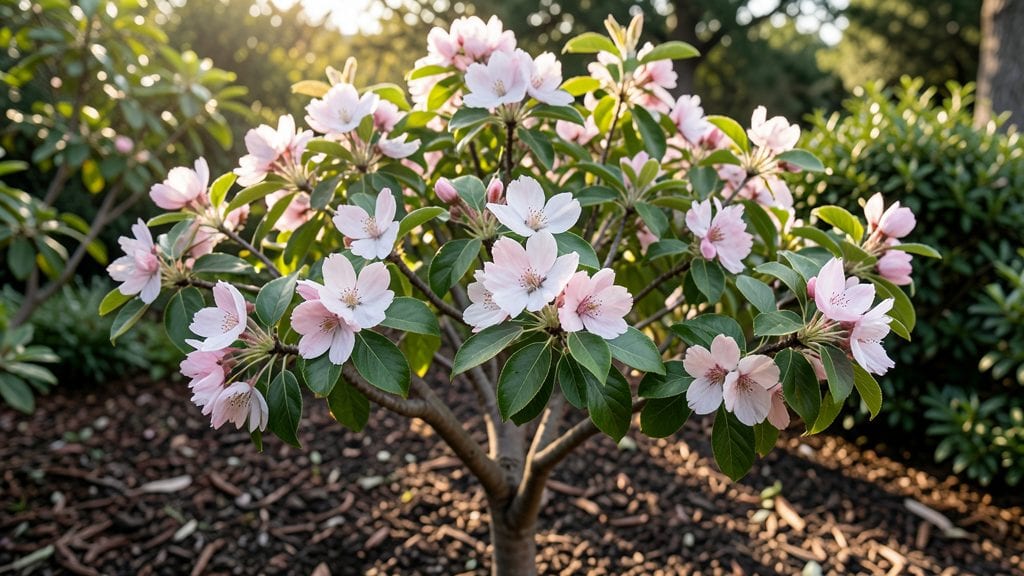
The nectarine tree bloom isn’t just about pretty pink flowers—it’s the moment your tree decides whether it’ll bear fruit this year. I’ve watched my nectarine go from bare branches to a blaze of blossoms in just three weeks, and the secret lies in understanding its chill hours.
Too little winter cold, and the buds stay stubbornly closed. Too much, and they burst all at once, leaving some vulnerable to late frosts. Getting that balance right means waking up to branches heavy with delicate petals—and eventually, sweet fruit.
Most nectarines need 200-600 chill hours below 45°F to bloom properly, but your local climate dictates the exact timing. In Zone 7, blooms typically arrive in early April, while colder regions might see them a month later.
Pruning in late winter also plays a role—cutting back too late can delay flowering, while heavy pruning too early might shock the tree into dropping buds. The goal is to shape the tree without disrupting its natural rhythm.
When those first blossoms appear, your work isn’t done. Frost protection becomes critical—cover young flowers with frost cloth if nighttime temps dip below 32°F, or you’ll risk losing them entirely. Even a single frost can wipe out an entire bloom cycle.
Once the flowers fade, thin the fruit to 6-8 inches apart to ensure the remaining nectarines grow large and juicy. The payoff? A tree so lush with blossoms it looks like a painting, followed by fruit so sweet it tastes like summer.
This process works for both backyard growers and commercial orchards, though container-grown nectarines may need extra chill hours in warmer climates. The key is patience—observing your tree’s cues year after year to fine-tune care.
Next spring, you’ll know exactly when to protect those blooms and when to let nature take its course.
📚 In This Guide
- What you need
- Instructions
- Tips and common mistakes
- Wrapping up and next steps
What you need
- ● Nectarine tree: Choose a cold-hardy variety (e.g., ‘Redhaven’ or ‘Fantasia’) suited to your USDA zone (5–9). 1 tree per yard or container (15–20 gal).
- ● Well-draining soil: Mix of 60% native soil, 30% compost, and 10% perlite/sand (pH 6.0–7.0). Test soil with a kit if unsure!
- ● Fertilizer: 10-10-10 balanced fertilizer (1 lb per tree) or organic options like alfalfa meal (5 lbs per 100 sq ft).
- ● Mulch: 3–4 inches of wood chips or straw (keep 6 inches away from trunk).
- ● Watering supplies: Drip irrigation system or soaker hose (1–2 gallons per watering, 2–3x/week).
- ● Shovel & spade (for planting/digging).
- ● Pruning shears (sterilized with rubbing alcohol).
- ● Thermometer (for tracking chill hours; digital soil/air thermometer preferred).
- ● Garden gloves (heavy-duty for soil work).
- ○ Trellis or stakes (optional, for young trees in windy areas).
- ● Chill hour tracking: Verify your region’s 300–1,000 chill hours (below 45°F/7°C) via local agricultural extensions. Nectarines need this to bloom!
- ● Planting timing: Dormant season (late fall/winter) for bare-root trees; early spring (before buds swell) for container-grown.
- ● Sunlight access: 6–8+ hours of full sun daily (no shade from buildings/trees).
- ● Pest control: Neem oil or horticultural oil (for overwintering pests like aphids).
- ● Growth regulator: Paclobutrazol (Bonzi) (follow label for dwarf varieties).
- ● Bloom-enhancing spray: Fish emulsion or seaweed extract (post-chill season).
- ● Frost cloth (for late-spring frosts; 30–50 ft wide).
- ● Smart irrigation controller (to automate watering cycles).
Instructions for timing nectarine tree blooms with layered chill
Here’s how to ensure your nectarine tree wakes up just right for vibrant spring blooms.
Track Temperature and Chill Hours
Nectarine trees need 200 to 600 chill hours below 45°F to break dormancy properly. Start monitoring temperatures in late fall—use a thermometer in the tree’s location. Record every hour below 45°F until winter’s end. If your region gets inconsistent cold snaps, aim for the mid-range (400 hours) to balance bloom reliability.
Real talk: If you’re in a mild winter zone, you might need to supplement chill hours later. Watch for bud swell in early spring—that’s your signal the tree has absorbed enough cold. If buds swell too early (before 300 hours), they may drop off later.
Apply Supplemental Chill if Needed
If your tree hasn’t hit its chill requirement by late winter, create a DIY chill chamber using a cool garage or shaded patio. Wrap the tree’s roots in burlap and move the container (if potted) or a small section of the tree into the cooler space for 2-3 weeks. Keep temperatures steady between 35°F and 45°F—any warmer, and the tree won’t respond.
For larger trees, focus on the root zone by piling 4-6 inches of mulch (like straw or wood chips) around the base. This mimics natural ground chill. Avoid plastic—it traps heat and defeats the purpose. Check mulch weekly to ensure it stays dry but not compacted.
Time Spring Warm-Up for Blooms
Once your tree has met its chill requirement, wait until three consecutive days above 50°F before pruning or fertilizing. This triggers the tree to shift from dormancy to bloom mode. Prune only dead or crossing branches—never trim flower buds, as they form in late winter. Use clean, sharp shears to make cuts at a 45° angle just above a bud.
Watch for pink bud stage—this is when flowers are about to open. If a late frost threatens, drape frost cloth over the tree at dusk. Remove it by 9 AM to let sunlight warm the blooms. Never use plastic sheets; they trap heat and can scorch delicate petals.
Support Blooms with Water and Light
Blooming nectarine trees need deep watering every 7-10 days—soak the soil to 12 inches deep to encourage root growth. Shallow watering stresses the tree and weakens flowers. Use a soaker hose to avoid wetting leaves, which can invite fungal diseases like powdery mildew. Water in the early morning to let foliage dry before evening.
Ensure the tree gets full sun (6+ hours daily). Partial shade delays blooming and reduces fruit set. If your tree is in a new location, move it gradually over 2-3 weeks to adjust to sunlight changes. Sudden shifts shock the tree and can cause bud drop.
Monitor for Pest and Disease Signs
Inspect blooms daily for aphids, mites, or fungal spots—these pests thrive on tender new growth. Spray with neem oil (mixed per label) if you spot clusters of insects on buds or leaves. For fungal issues like brown rot, remove infected blossoms immediately and apply copper fungicide as a preventative measure.
If buds fail to open or drop prematurely, it’s often a sign of inadequate chill hours or nutrient stress. Test soil pH—nectarines prefer 6.0 to 7.0. Amend with lime if pH is too low or sulfur if it’s too high. Over-fertilizing now can also cause bud drop, so hold off until after harvest.
Tips & tricks for perfect nectarine tree bloom timing
Mastering the chill hours and spring timing for your nectarine tree can make all the difference between sparse blooms and a spectacular spring display.
Chill Hour Tracking: The 400-hour target in Step 1 is your sweet spot for reliable blooms, but don't stress if you're in a borderline zone. I recommend setting up a simple thermometer near the tree trunk in late fall—just place it where it'll catch the same microclimate as the tree. If you notice temperatures fluctuating above 45°F during cold snaps, those hours don't count toward your total. For extra accuracy, consider a data logger that automatically records hourly temperatures.
Supplemental Chill Strategy: When creating your DIY chill chamber in Step 2, focus on maintaining that 35°F to 45°F range consistently. I've found that placing a small fan on low circulation helps prevent hot spots from forming near the tree. For potted trees, move them to the coolest spot in your garage—often near exterior doors where cold air naturally sinks. Remember, the 2-3 week timeline assumes steady temperatures; if your garage warms up unexpectedly, extend the time by another week to compensate.
Spring Warm-Up Cues: The three consecutive days above 50°F in Step 3 is your green light, but I've learned to watch for additional visual cues. Look for the tree's leaves to begin a slight green tint along the edges—this happens before buds visibly swell. This subtle change indicates the tree's internal processes are already shifting. For frost protection in Step 3, I've had success with lightweight row covers instead of frost cloth—they're more breathable and allow better airflow to prevent moisture buildup on delicate petals.
Watering Wisdom: When you're deep watering every 7-10 days in Step 4, pay attention to the soil's texture after watering. It should feel moist but not soggy down to 12 inches. I've seen many gardeners overwater during bloom time, thinking more is better. Too much moisture can actually stress the tree and lead to bud drop. Consider installing a moisture meter to track soil conditions—it's especially helpful in areas with unpredictable rainfall patterns.
Pro Tips for Nectarine Tree Bloom
- Mastering the chill hours and spring timing for your nectarine tree can make all the difference between sparse blooms and a spectacular spring display.
- Chill Hour Tracking: The 400-hour target in Step 1 is your sweet spot for reliable blooms, but don't stress if you're in a borderline zone.
- Supplemental Chill Strategy: When creating your DIY chill chamber in Step 2, focus on maintaining that 35°F to 45°F range consistently.
Frequently asked questions
What does "layered chill" mean for nectarine trees?
Layered chill refers to the tree’s need for consistent cold temperatures (below 45°F) over time—not just a single cold snap. Nectarines typically require 400–800 hours of chill, depending on the variety. Think of it like a "cold bank account": the more steady deposits (chill hours), the better the bloom!
How do I know if my nectarine tree has enough chill hours?
Track temps with a weather station or local ag extension records. If blooms are sparse or late, your tree may need more chill. Some varieties (like ‘Summer Grand’) thrive in low-chill zones (300–400 hours), while others (like ‘Fantasia’) need 600+ hours. Pro tip: Plant chill-hardy varieties if you live in warm climates!
My nectarine tree bloomed but no fruit formed—what went wrong?
Missing fruit often means pollination issues or late frost. Nectarines need cross-pollination (plant two trees!) or hand-pollinate with a brush. Late frosts (<32°F) can also kill blossoms. Fix it: Cover trees with frost cloth or spray water to lower temps gradually.
Can I force a nectarine tree to bloom earlier?
Nope—not safely! Blooming too early risks frost damage. Instead, choose early-blooming varieties (like ‘Redglow’) or plant in microclimates (south-facing slopes) for warmer spring starts. Warning: Avoid chemical bloom inducers; they’re unreliable and can harm trees.
Are there nectarine alternatives for low-chill areas?
Yes! Try peach-nectarine hybrids (like ‘Contender’) or low-chill plums (e.g., ‘Methley’). Some nectarines (e.g., ‘Andross’) need only 200–300 hours of chill. For zero-chill options, consider tropical fruit trees like loquats—but they won’t be true nectarines!
How do I protect blooms from pests or animals?
Use floating row covers for early blooms or apply organic sprays (neem oil) to deter aphids. Hang bird netting if squirrels or birds are snacking on buds. Bonus: Plant companion flowers (like daffodils) to repel pests naturally!
Wrapping up and next steps
Watching your nectarine tree burst into bloom is a rewarding experience, and with the right layered chill timing, you can unlock its full springtime beauty! 🌸 Remember, patience and precision—like tracking cold hours, soil prep, and seasonal cues—are key to ensuring vibrant flowers and future fruit.
Now that you’re equipped with the know-how, it’s time to roll up your sleeves and give your tree the care it deserves.
Ready to take the next step? Start by monitoring your tree’s progress—note the bud swell, adjust watering as needed, and protect it from unexpected frost. Before you know it, you’ll be enjoying a stunning nectarine tree in full bloom! 🌿