Pruning
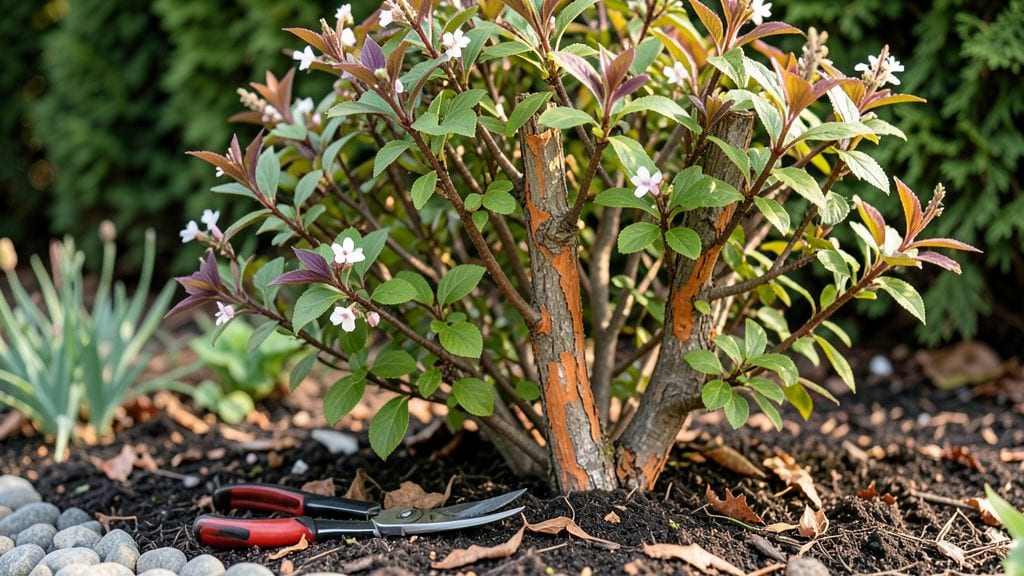
Pruning ninebark trees year-round keeps them looking sharp and growing strong—here’s how to do it right. 🌿 I’ve learned that skipping pruning turns those beautiful peeling bark stems into a tangled mess, but with the right timing and cuts, ninebark stays lush and healthy for decades.
The key is understanding when to prune for shape, when to refresh growth, and how to avoid overdoing it.
You’ll need just a few tools: sharp pruning shears for small branches, loppers for thicker stems, and gloves to handle the occasional thorn. Late winter or early spring is the best time to prune for shape, while summer cuts encourage bushier growth.
Ninebark is forgiving, but dead or crossing branches should go first—this keeps air flowing and prevents disease.
Start by removing any dead, damaged, or diseased branches at the base. Then shape the tree by cutting back to an outward-facing bud or branch.
For rejuvenation, you can trim up to a third of the oldest stems back to the ground—this tricks the tree into sending up fresh, vigorous growth. The result? A ninebark that stays compact, blooms more, and keeps its signature peeling bark looking stunning.
Here’s the secret: don’t wait until the tree looks unruly. A little maintenance every season prevents major cuts later. Whether you’re pruning for shape, health, or rejuvenation, ninebark responds well—just keep it clean and open. Ready to transform your tree?
📚 In This Guide
- What you need
- Instructions
- Tips and common mistakes
- Wrapping up and next steps
What you need
- ● Bypass pruners (sharp, 6-8 inch blades) – for clean cuts on small branches (up to ½ inch thick).
- ● Loppers (bypass or anvil, 10-12 inch handles) – for medium branches (½ to 1½ inches thick).
- ● Pruning saw (curved blade, 16-20 inch) – for thick branches (1½+ inches thick).
- ○ Extension pole pruners (optional) – for high branches without a ladder.
- ● Disposable gloves – to protect hands from thorns and sap.
- ○ Pruning sealant (optional) – for large cuts to prevent disease.
- ● Safety glasses – to shield eyes from debris.
- ● Work boots or sturdy shoes – for stability on uneven ground.
- ● Ladder or sturdy stool (if needed) – for reaching higher branches safely.
- ● Trash bags or bucket – for collecting pruned branches.
- ● Hand sanitizer or wipes – to clean up after handling sap or thorns.
- ● Check the weather – prune on a dry, calm day to avoid spreading disease.
- ● Identify dead, diseased, or crossing branches – mark them for removal first.
- ● Have a plan – sketch or visualize your ninebark’s desired shape before cutting.
Step-by-Step instructions for pruning your ninebark tree
Here's how I keep my ninebark looking vibrant and healthy year-round—no overcomplicating.
✂️ Step 1: Prune in Late Winter or Early Spring
This is the best time to tackle your ninebark. Wait until just before new growth begins—usually February to March in most climates. You'll know it's time when buds start swelling but haven't broken open yet. Pruning at this stage encourages fresh, vigorous growth while removing dead wood from winter.
Start by removing any branches that are dead, diseased, or crossing. Cut these back to the main trunk or to a healthy lateral branch. Use clean, sharp pruning shears to make smooth cuts at a 45-degree angle just outside the branch collar. This prevents water from pooling and reduces the risk of infection.
✂️ Step 2: Thin Out Overcrowded Branches
Ninebark trees can get dense, especially as they mature. Look for branches that are growing inward or rubbing against each other—these are the ones to remove. You want to create an open, airy structure that allows sunlight and air to circulate through the center. Aim to thin out about 20-30% of the branches to maintain a balanced shape.
Focus on removing branches that are thinner than a pencil or those that aren't contributing to the overall shape. Cut these back to a strong lateral branch or the main trunk. Avoid leaving stubs—always cut just outside the branch collar to promote faster healing.
✂️ Step 3: Shape the Tree for Balance
Ninebark trees have a natural, rounded shape, but they can get leggy or uneven over time. Step back and assess the tree from all sides. Look for branches that are growing too long or out of proportion. You want to maintain a rounded, multi-stemmed form that's both functional and attractive.
To shape the tree, start by removing any branches that are growing straight up or downward—these create a weak structure. Instead, encourage horizontal growth by pruning branches that are growing too upright. Cut back these branches to a lateral branch or bud that's growing in the direction you want. This helps create a more natural, layered look.
✂️ Step 4: Light Pruning in Summer or Fall
After the initial spring pruning, you can do light maintenance in summer or early fall to keep your ninebark looking its best. This is the time to remove any suckers, water sprouts, or weak growth that appears throughout the season. Suckers are those fast-growing, upright shoots that pop up at the base of the tree—remove these as soon as you see them to prevent them from stealing energy from the main structure.
You can also trim back any branches that have grown too long or are spoiling the shape. Just make small cuts to encourage bushier growth. Avoid heavy pruning in late summer or fall, as this can stimulate new growth that won't have time to harden off before winter.
✂️ Step 5: Clean Up and Sanitize Tools
Once you've finished pruning, don't just toss your tools aside. Clean them thoroughly with rubbing alcohol or a 10% bleach solution to prevent the spread of disease. This is especially important if you've been pruning any diseased branches. Sharp, clean tools make a big difference in how well your ninebark heals and recovers.
Remove all pruned branches and debris from the area around the tree. This helps prevent pests and diseases from taking hold. You can also apply a layer of mulch around the base to keep the soil moist and protect the roots as the tree enters its growing season.
Tips & tricks for perfect ninebark tree pruning
Here's what nobody tells you about keeping your ninebark thriving—these tricks make all the difference between a healthy shrub and one struggling to keep up.
The Timing Factor: I learned this the hard way after pruning too early—wait until those buds are just starting to swell in February or March. You want to catch the tree right before it bursts into growth, not when it's already pushing new shoots. This timing ensures you're removing last year's dead wood while still encouraging fresh, vigorous growth. If you're in a warmer climate, watch for bud swell and adjust your schedule accordingly.
Branch Selection Strategy: When thinning out those overcrowded branches in Step 2, focus on creating that open, airy structure by removing branches thinner than a pencil first. These smaller branches are often competing for nutrients with the main structure. Look for branches that cross or rub against others—they'll eventually damage each other and create entry points for disease. Remember, you're aiming to remove about 20-30% of the branches, so don't go overboard in one session.
Shape with Purpose: In Step 3, when shaping your ninebark, think about encouraging horizontal growth rather than vertical. Those upright branches might look like they're growing fast, but they create weak structures. Cut them back to lateral branches or buds that grow outward. This creates that beautiful rounded, multi-stemmed form while making the tree more resilient to wind and snow. Step back frequently to check your progress—you'll notice the difference immediately when you see sunlight reaching the center of the tree.
Seasonal Maintenance: Don't let summer and fall maintenance become an afterthought. Those suckers and water sprouts might seem harmless, but they steal energy from your main tree structure. Remove them as soon as you spot them—especially those fast-growing upright shoots at the base. For light trimming, small cuts work best to encourage bushier growth without stressing the tree before winter. Think of this as your tree's seasonal tune-up rather than major surgery.
Pro Tips for Ninebark Tree Pruning
- Here's what nobody tells you about keeping your ninebark thriving—these tricks make all the difference between a healthy shrub and one struggling to keep up.
- The Timing Factor: I learned this the hard way after pruning too early—wait until those buds are just starting to swell in February or March.
- Branch Selection Strategy: When thinning out those overcrowded branches in Step 2, focus on creating that open, airy structure by removing branches thinner than a pencil first.
Frequently asked questions
Got questions about keeping your ninebark tree looking its best? You’re not alone! Here are some of the most common concerns—and straightforward answers—to help you prune like a pro.
When is the best time to prune a ninebark tree?
The ideal time to prune ninebark is late winter or early spring (just before new growth starts). This encourages fresh, vibrant foliage and prevents disease. Light trimming to shape can also happen in summer or fall, but avoid heavy cuts then—it may stress the tree.
How much can I trim back my ninebark without harming it?
Ninebark is highly resilient—you can safely remove up to one-third of the plant’s growth in a single pruning session. For overgrown shrubs, thin out older, woody stems at the base to rejuvenate the center. Avoid cutting into the bark or leaving stubs (always prune just above a leaf node or bud).
Why is my ninebark not blooming after pruning?
Ninebark blooms on old wood, so heavy pruning in late winter or spring can reduce flowers. To encourage blooms, avoid drastic cuts and focus on shaping instead. If your tree isn’t blooming at all, check for over-fertilization (too much nitrogen) or poor sunlight—these can also stunt flowering.
Can I prune a ninebark tree in summer?
Yes! Light pruning in summer is fine for shaping or removing dead or diseased branches. However, avoid heavy cuts—this can stress the tree and reduce winter hardiness. If you must prune heavily, wait until late fall (after leaves drop) for the best results.
What if I prune my ninebark at the wrong time?
Don’t panic! Ninebark is forgiving. If you prune too late (e.g., fall or winter), the tree may bleed sap or produce fewer blooms the next year. To recover, water deeply and avoid fertilizing until spring. Focus on removing dead wood and shaping lightly in the following growing season.
Still unsure? Start small—even a single branch trimmed correctly makes a difference! For stubborn issues, consult a local arborist or extension service.
Wrapping up and next steps
Pruning your ninebark tree isn’t just about keeping it tidy—it’s a year-round ritual that boosts health, encourages vibrant blooms, and shapes its growth for years to come. 🌿 From late winter’s dormant cuts to summer’s shape-up sessions, each step is a small investment in a thriving, picturesque landscape star.
Now that you’re armed with the when, how, and why, there’s no better time to grab those shears and get hands-on!
Ready to transform your ninebark into a showstopper? Start small—pick one season’s task this week, observe your tree’s response, and build confidence with each prune. Happy trimming! 🌟