
Trees
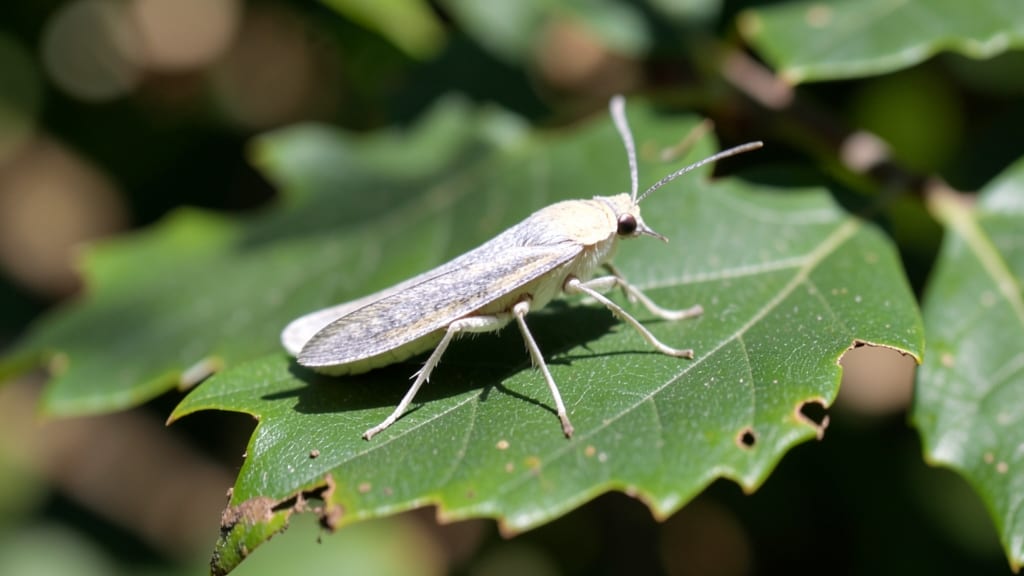
When oak tree moths strip your trees bare in weeks, time is the only thing more precious than the leaves they’re devouring. 🌿 I’ve watched entire oaks go from lush green to skeletal in just three weeks—until I learned these fast-acting, nature-backed tricks that stop the damage before it’s permanent.
The worst offenders—gypsy moths, oak leaf rollers, and their hungry cousins—don’t just target oaks. They’ll feast on maples, birches, even fruit trees if given the chance.
The key to beating them lies in early detection: look for webbing between branches, skeletonized leaves, or tiny brown caterpillars clinging to trunks by day, then migrating to feed at night.
You can turn the tide within days with a mix of Bt spray (safe for kids and pets), neem oil for larvae, and strategic pruning to remove heavily infested branches. The results? Trees that bounce back with fresh foliage by midsummer, and moth populations that collapse faster than you’d expect.
Works for both small backyard oaks and large landscape specimens, and the methods scale from 5-gallon sprayers to hose-end applicators. No more helplessly watching your trees surrender—here’s how to fight back before the next wave arrives.
Natural Triggers Behind Tree Stress
When you spot an unexpected infestation on your oak trees—especially one linked to moths—it’s rarely a random event. These pests thrive when specific conditions align, often tied to the tree’s health or environmental stress.
Understanding these triggers helps you prevent future outbreaks and act faster when they occur. Here’s why these moths target your trees in the first place.
Healthy trees naturally repel pests through strong bark, resin production, and robust foliage. But when oaks are stressed, their defenses weaken, making them prime targets for moth larvae and adults.
- Drought or poor soil: Oak trees need consistent moisture and nutrient-rich soil. Prolonged dry spells or compacted soil reduce their ability to fend off insects. Moths detect these vulnerabilities through chemical cues released by struggling trees.
- Nutrient deficiencies: A lack of nitrogen, phosphorus, or micronutrients (like magnesium) leads to yellowing leaves or stunted growth—clear signals to moths that the tree is easily exploitable.
- Prior pest damage: If your oak has already battled borers, beetles, or fungal infections, the structural damage compromises its resilience. Moths exploit these weakened areas to lay eggs.
Actionable fix: Conduct a soil test and amend with compost or organic fertilizer. Deep watering (1–2 inches per week) during dry spells restores vitality.
Moth populations surge when temperature and humidity create the perfect breeding conditions. Oak tree moths (like the gypsy moth or oak leafroller) are particularly sensitive to these factors.
- Warm winters: Traditional cold snaps kill moth eggs and larvae. But milder winters allow more survivors to repopulate, leading to explosive outbreaks in spring.
- Humid summers: High moisture levels help moth eggs hatch faster and larvae thrive. Rain also washes away natural predators (like birds or parasitic wasps), giving moths an advantage.
- Early springs: When buds open earlier than usual, moths emerge ahead of schedule, catching trees off-guard with synchronized feeding.
Actionable fix: Monitor local weather patterns. If your area experiences unusually warm winters, proactively inspect trees in early spring for egg masses.
Moths don’t just attack any oak—they target trees with abundant, tender leaves. Overgrowth or physical damage creates the ideal environment for infestation.
- Thick canopies: Dense foliage traps heat and moisture, creating a microclimate that moths love. Eggs laid in these areas stay protected from predators and hatch more successfully.
- Pruning wounds: Fresh cuts or broken branches expose raw wood, which moths use as landing sites for egg-laying. The sap from wounds also attracts feeding larvae.
- Fungal or bacterial infections: Diseases like oak wilt or anthracnose create soft, decaying tissue that moth larvae prefer to consume.
Actionable fix: Thin out crowded branches to improve airflow and reduce humidity. Seal pruning cuts with pruning paint to deter egg-laying.
Moths thrive when their natural predators are scarce. Human activity—like pesticide overuse or habitat destruction—can tip the balance in their favor.
- Loss of bird populations: Birds like robins or woodpeckers eat moth eggs and larvae. Reduced bird habitats (from deforestation or urbanization) mean fewer mouths to control moth numbers.
- Overuse of broad-spectrum pesticides: Chemicals that kill beneficial insects (like ladybugs or parasitic wasps) also remove moth predators, leaving trees unprotected.
- Monoculture landscaping: Planting only oaks (or other host trees) creates a moth buffet. Diverse ecosystems dilute pest populations by offering alternative food sources for predators.
Actionable fix: Plant native flowering shrubs to attract predator insects. Avoid chemical pesticides; opt for targeted biological controls instead.
Practical steps to stop tree damage
If you’ve spotted signs of oak tree moth infestation—sawdust-like frass, chewed leaves, or tiny exit holes—don’t panic. These pests are manageable with the right approach. Below, we break down cause-specific solutions to protect your oak trees, from immediate fixes to long-term prevention.
Follow these steps to restore your trees’ health and keep them thriving.
When oak tree moth larvae strip leaves, the tree weakens and becomes vulnerable to disease. Act fast to reduce damage and encourage recovery.
How to Fix It:
- 🔪 Trim Infested Branches: Use clean, sharp pruning shears to remove heavily damaged branches (focus on 30–50% defoliation or more). Dispose of clippings in sealed bags—do not compost them, as larvae may survive.
- 🌿 Boost Tree Health: Fertilize with a balanced, slow-release fertilizer (like 10-10-10) in early spring to strengthen the tree’s immune system. Water deeply but avoid over-saturating the soil.
- 🛡️ Apply Physical Barriers: Wrap young trees with fine mesh netting (like tulle or insect barrier fabric) to block adult moths from laying eggs. Secure it tightly around the trunk and branches.
💡 Pro Tip: Prune in late winter or early spring (before moths emerge) to minimize stress on the tree. Avoid heavy pruning in summer when pests are active.
If you see small, round exit holes or sticky sap, larvae are likely tunneling into the bark. This weakens the tree’s structure and invites secondary pests like woodpeckers or beetles.
How to Fix It:
- 🕵️♂️ Set Up Pheromone Traps: Place oak tree moth-specific traps (available at garden centers) near infested trees in early spring (March–April). These disrupt mating and reduce egg-laying by up to 70%.
- 🪲 Hand-Remove Larvae: Use a wooden skewer or soft brush to gently pry larvae from tunnels. Drop them into soapy water to kill them instantly. Focus on newly formed holes (fresh sawdust indicates active larvae).
- 🧴 Seal Entry Points: Fill larger holes with pruning sealant or tree wound dressing to prevent future infestations. Avoid over-sealing—let the tree heal naturally where possible.
⚠️ Warning: Avoid using pesticide sprays directly on the trunk, as they can harm beneficial insects and may not reach larvae deep in the wood.
If oak tree moths return year after year, your tree’s natural defenses may be compromised. A holistic approach—combining biological controls and habitat improvements—can break the cycle.
How to Fix It:
- 🐝 Encourage Natural Predators: Plant native flowering shrubs (like serviceberry or elderberry) near your oak to attract parasitic wasps and ladybugs, which prey on moth larvae.
- 🌱 Improve Soil Health: Conduct a soil test and amend with compost or mycorrhizal fungi to enhance root strength. Healthy roots = a tree better equipped to fight pests.
- 🌳 Diversify Your Landscape: Oak tree moths target stressed monocultures. Add variety to your yard with pine, maple, or fruit trees to dilute their focus on your oaks.
🎯 Long-Term Strategy: Consider professional arborist consultation if infestations persist. They can assess tree vigor, pest thresholds, and integrated pest management (IPM) plans.
An ounce of prevention is worth a pound of cure! Follow these easy, low-maintenance steps to deter oak tree moths before they become a problem.
- 🌱 Water Deeply but Less Often: Overwatering stresses trees.
Instead, water deeply 1–2 times per week (depending on climate) to encourage strong root growth. - 🍃 Mulch Properly: Apply 2–4 inches of organic mulch (wood chips or bark) around the base of the tree, keeping it 6 inches away from the trunk.
This retains moisture and deters moths seeking damp bark. - 🔍 Monitor Early: Inspect your trees monthly (especially in April–June) for frass, egg masses, or chewed leaves. Early detection = easier treatment. - 🚫 Avoid Over-Fertilizing: Too much nitrogen attracts pests.
Stick to balanced fertilizers and follow package instructions.
Final Note: Oak tree moths are a manageable nuisance, not a death sentence for your trees. With prompt action and preventive care, you can restore your oaks’ health and enjoy their beauty for decades.
Start with one or two solutions that fit your situation, then expand as needed. Your trees will thank you! 🌳✨
Frequently asked questions
What do oak tree moth larvae look like, and how can I tell them apart from other caterpillars?
Oak tree moth larvae (like gypsy moth caterpillars) are fuzzy, hairy, and typically 1–2 inches long when fully grown. They’re usually pale green, brown, or black with five pairs of blue or red spots along their backs. Unlike smooth-bodied caterpillars, they have fine hairs that can irritate skin—wear gloves when handling them!
Are oak tree moths harmful to humans or pets?
While oak tree moth larvae can cause skin irritation or mild allergic reactions in sensitive individuals, they’re not venomous. Their tiny hairs may trigger itching or rashes if touched. Pets are generally safe unless they ingest large quantities, which could cause stomach upset. Focus on removing the larvae to protect both your trees and household members.
How soon after I see damage should I treat my oak tree?
Act immediately if you spot 20–30% defoliation or egg masses (tan, fuzzy clusters on bark). Early intervention with Bt spray (Bacillus thuringiensis) or neem oil can stop larvae before they cause severe harm. Delaying treatment risks tree stress, disease, or even death in extreme cases. Time is critical!
Can I use homemade sprays to control oak tree moths?
Yes! Mix 1 tablespoon of dish soap with 1 quart of water and spray directly on larvae (they’ll suffocate). For a stronger option, blend 1 part neem oil + 1 part water + 1 teaspoon mild soap—this disrupts their feeding and growth. Reapply every 5–7 days during outbreaks. Always test sprays on a small branch first.
Will my oak tree recover if it loses all its leaves?
Oaks are resilient! A single year of full defoliation won’t kill a healthy tree, but repeated attacks weaken it. Prune damaged branches, fertilize, and monitor for new growth by midsummer. If the tree is young or already stressed, expect slower recovery. Severe cases may need professional arborist care to assess long-term health.