
Trees
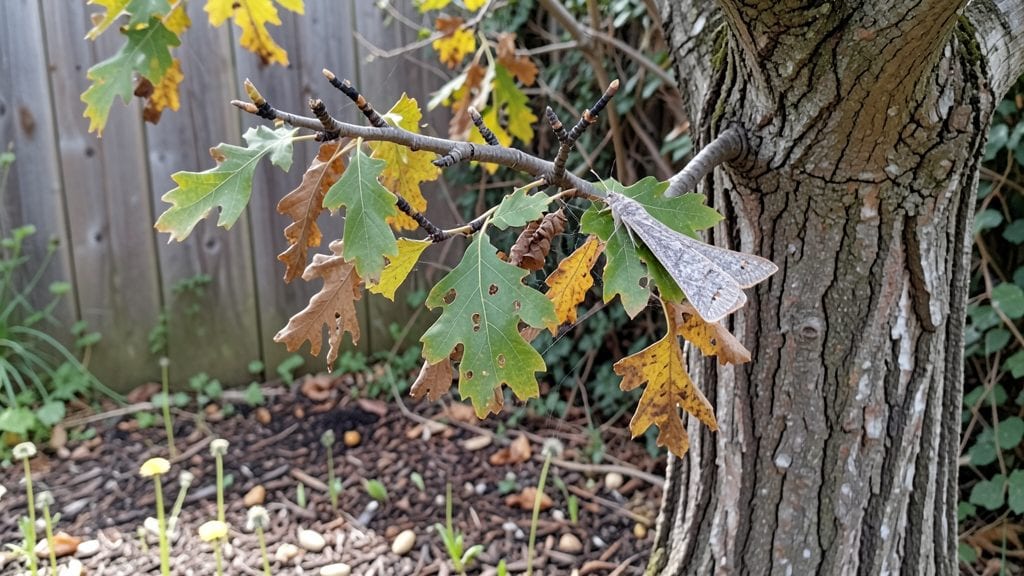
Oak tree parasites can turn a sturdy giant into a struggling shadow in just a few seasons. I’ve watched oak wilt creep up the trunk of a neighbor’s 50-year-old tree, and the telltale wilting branches were my first clue something was seriously wrong.
The good news? Most of these pests leave distinctive signs—yellowing leaves, sawdust-like frass, or weeping sap—if you know what to look for.
Common culprits include gypsy moth caterpillars that skeletonize leaves overnight, scale insects that smother branches with sticky honeydew, and borers tunneling beneath the bark. The key to stopping them is acting fast: prune infected limbs immediately, apply horticultural oil for soft-bodied pests, or use systemic treatments for deeper infestations.
My oak’s health turned around after I targeted scale with neem oil and removed borer-damaged branches before they spread.
You’ll notice healthier foliage within weeks if you catch the problem early. The trick is regular inspections—especially after rain when pests are most active—and removing debris where they hide. For severe cases like oak wilt, professional help is worth the call before the tree declines beyond saving.
Prevention is easier than cure, and a few minutes now could save years of heartache.
This works for red, white, or live oaks in any climate zone. Start with the simplest fixes—soapy water sprays for aphids, for example—and escalate only if needed. Your oak’s longevity depends on it, and the payoff is worth the effort.
📚 In This Guide
- What you need
- Instructions
- Tips and common mistakes
- Wrapping up and next steps
What you need
- ● Handheld magnifying glass (10x magnification) – For inspecting small parasites like mites or borers.
- ● Pruning shears or loppers (bypass blades, 6–8"–10") – For trimming infested branches (sterilize with rubbing alcohol between cuts!).
- ● Heavy-duty gloves (nitrile or leather, size medium/large) – Protects against sap, thorns, and parasites like oak gall wasps.
- ● Sharp pocketknife or grafting knife – For scraping off bark or inspecting cracks where borers hide.
- ● Disposable plastic bags (gallon-sized, 5–10) – For collecting samples (e.g., frass, larvae, or galls) to confirm ID.
- ● Hose with adjustable nozzle (gentle spray setting) – For rinsing off soft-bodied pests like aphids or scale.
- ● Neem oil (100% pure, 16 oz bottle) or horticultural oil (24 oz) – Natural pesticide for smothering parasites (follow label rates!).
- ● Spray bottle (16 oz, with fine mist nozzle) – For targeted applications of oils or insecticidal soap.
- ● Trash bags (heavy-duty, 30–50 gallon) – For disposing of heavily infested branches or debris.
- ● Ladder (extension or step ladder, 10–14 ft) – Safe access to higher branches (ensure it’s rated for your weight!).
- ● Digital camera or smartphone – Capture close-ups of parasites for expert ID (apps like iNaturalist can help!).
- ● Insecticidal soap (32 oz spray bottle) – For soft-bodied pests like spider mites or aphids.
- ● Beneficial nematodes (1–5 million per application) – Targets grubs and larvae in the soil (best for early detection).
- ● Tree wound dressing (pruning sealant, 16 oz) – Only use if pruning large branches (controversial—some arborists skip it!).
- ● Field guide or oak parasite ID app (e.g., PictureThis) – Quick reference for on-the-spot diagnosis.
How to identify and remove oak tree parasites naturally
Here's how to spot common oak tree pests and restore your tree's health without harsh chemicals.
Inspect the Tree for Common Parasite Signs
Start by examining the oak tree's leaves, bark, and branches for visible damage. Look for holes in leaves—this often signals caterpillars or beetles. Check the bark for webbing, which indicates spider mites or tent caterpillars. I also scan for sawdust-like frass (insect droppings) around branches, a sure sign of boring beetles.
Don't forget to inspect the tree's roots if you notice wilting leaves or yellowing foliage. Gently pull back mulch to check for grubs or larvae in the soil. Early detection is key—waiting too long allows pests to spread and weaken the tree further.
Identify the Specific Parasite Type
Compare your findings to common oak tree pests. Gypsy moth caterpillars leave skeletonized leaves, while oak leaf rollers create rolled-up leaves. Tent caterpillars build silk tents in branch forks, and borers create small exit holes in the bark. I keep a small magnifying glass handy for close inspections—it helps distinguish between similar pests.
If you're unsure, take clear photos of the damage and compare them to online resources or consult a local extension office. Misidentification can lead to ineffective treatments. For example, treating for borers with the wrong method won't help if the issue is actually spider mites.
Apply Natural Removal Methods Based on Pest Type
For leaf-eating pests like caterpillars, I use a strong spray of water to dislodge them from the leaves. A mixture of 1 tablespoon of mild liquid soap per gallon of water works well for spider mites—spray thoroughly on both leaf surfaces. For borers, I drill small holes into the infested areas and inject a beneficial nematode solution to kill larvae inside the wood.
Encourage natural predators like birds and ladybugs by planting nearby shrubs and flowers they favor. Avoid overwatering, as excess moisture attracts fungus gnats and other pests. I also apply neem oil spray as a preventive measure every 4-6 weeks during active growing seasons.
Monitor and Maintain Tree Health
After treatment, keep a close watch on the tree for 4-6 weeks to ensure the parasites are gone. New damage indicates the need for additional treatments. Healthy trees resist pests better, so I focus on proper watering—deep watering once a week during dry periods—and mulching with 2-3 inches of organic mulch to retain moisture and regulate soil temperature.
Prune any dead or heavily infested branches immediately, sterilizing pruning tools with 70% isopropyl alcohol between cuts. This prevents spreading diseases or pests to other parts of the tree. I also recommend fertilizing in early spring with a balanced, slow-release fertilizer to boost the tree's natural defenses.
Tips & tricks for identifying and removing oak tree parasites
These practical tips will help you tackle oak tree pests with confidence and precision, ensuring you address the problem effectively without harming your tree.
Timing is Everything: Begin your inspection in early spring when pests are most active and damage is easiest to spot. This is when caterpillars and beetles start feeding voraciously, leaving clear signs like holes in leaves or sawdust-like frass. I always schedule my first inspection right after the first warm spell, usually around early April in my region. This early detection gives you the best chance to catch infestations before they spread.
Tool Prep Matters: Before you start inspecting, gather a few essential tools: a small magnifying glass for close-up examinations, a flashlight to inspect hard-to-see areas like the undersides of branches, and a notebook to record your findings. I also keep a small spray bottle with water handy to test for pests on leaves—simply spray and watch for movement. Sterilizing your tools with 70% isopropyl alcohol between inspections prevents cross-contamination of diseases or pests.
Natural Remedy Application: When applying natural treatments, focus on timing and thoroughness. For spider mites, spray the soap solution in the early morning or late evening when temperatures are cooler and humidity is higher—this helps the solution adhere better to the leaves. For borers, make sure to inject the nematode solution into the holes you drill, then seal the holes with a small amount of tree sealant to prevent secondary infections. I always apply neem oil in the late afternoon to avoid burning the leaves in direct sunlight.
Monitoring Strategy: After treating your tree, establish a monitoring schedule to track progress. I recommend checking the tree every 2-3 weeks during the growing season, noting any new damage or pest activity. Keep a simple log with dates and observations—this helps you identify patterns and determine if additional treatments are needed. Healthy trees are more resilient, so combining treatments with regular monitoring gives you the best chance of long-term success.
Pro Tips for Oak Tree Parasites
- These practical tips will help you tackle oak tree pests with confidence and precision, ensuring you address the problem effectively without harming your tree.
- Timing is Everything: Begin your inspection in early spring when pests are most active and damage is easiest to spot.
- I also keep a small spray bottle with water handy to test for pests on leaves—simply spray and watch for movement.
Frequently asked questions
Got questions about oak tree parasites?
You’re not alone! Here are some of the most common concerns—plus straightforward answers to help you protect your trees naturally.
What are the most common oak tree parasites I should watch for?
Oak trees often face threats like oak wilt fungus, gypsy moth caterpillars, oak bark beetles, and sudden oak death disease. Each targets different parts of the tree—roots, bark, or leaves—so early identification is key. Look for wilting leaves, sawdust-like frass, or dark streaks under the bark.
When is the best time to treat oak tree parasites?
Timing depends on the parasite! For oak wilt, act immediately if you spot symptoms (like leaf scorch). Gypsy moths are most vulnerable in late spring/early summer, while bark beetles are active in summer. Prune infected branches during dormancy (winter) to prevent spread. Always treat at the first sign of trouble!
Are there natural ways to remove oak tree parasites without chemicals?
Try these eco-friendly methods:
- Prune infected branches 6+ inches below the damage and sterilize tools with rubbing alcohol.
- Encourage beneficial insects (like ladybugs) by planting native flowers nearby.
- Apply neem oil or kaolin clay to deter pests like gypsy moths.
- Improve tree health with deep watering and mulch to boost resilience.
For fungal issues, copper fungicide sprays (organic-certified) can help.
My oak tree has parasites—how do I know if it’s too late to save it?
If the tree shows massive canopy dieback, oozing sap, or cracked bark from beetle galleries, it may be beyond saving. However, partial recovery is possible if you remove the parasite source and nurture the tree. Consult an arborist for a professional assessment—they can confirm if pruning or removal is the best option.
Can I use the same treatment for all oak tree parasites?
No—each parasite requires a targeted approach. For example:
Parasite
Recommended Action
Oak wilt fungus
Remove infected wood immediately and avoid pruning during active season (April–June).
Gypsy moth larvae
Apply Bt (Bacillus thuringiensis) or kaolin clay to foliage.
Bark beetles
Use pheromone traps or beneficial nematodes in soil.
Pro tip: Mixing methods (like pruning + natural repellents) often works best!
Wrapping up and next steps
Oak trees are resilient, but parasites like Phytophthora ramorum, oak wilt fungus, or gypsy moth larvae can take a toll if left unchecked.
By identifying early signs—such as wilting leaves, discolored bark, or unusual holes—and using natural removal methods like pruning, neem oil, or beneficial insects, you can protect your tree’s health. 🌳✨
Don’t wait until damage is severe—start with proactive care today! Check your oak trees regularly, remove infected branches promptly, and consider consulting a local arborist for severe cases. With the right approach, your oak can thrive for decades to come.