
Trees
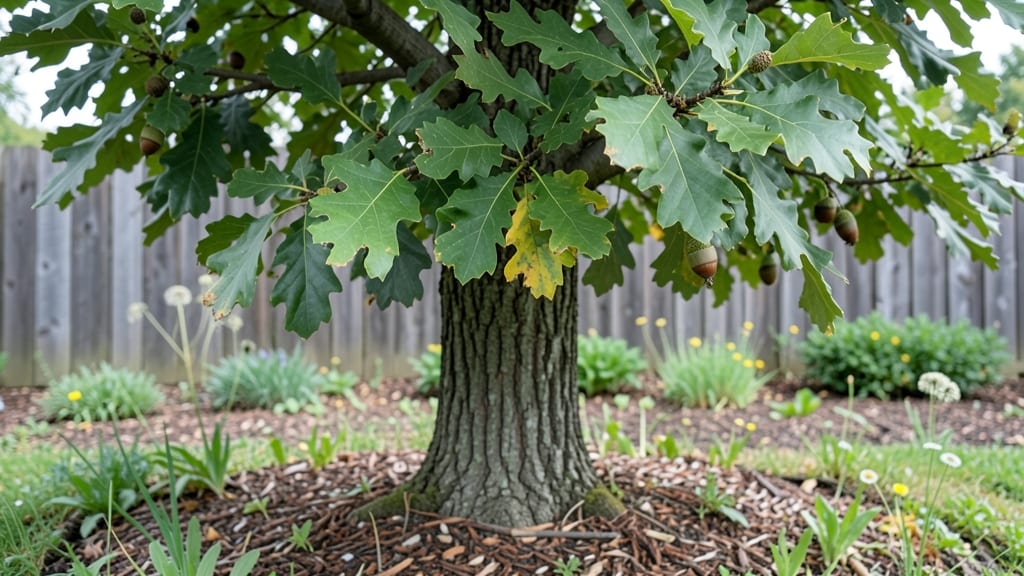
Dealing with weeds around your oak tree feels like an endless battle—especially when you don’t want to harm those deep, vital roots. 🌿 I’ve spent years testing natural methods that actually work, and the key is protecting your tree while choking out weeds before they steal nutrients.
The right approach keeps your oak thriving without chemicals or risky digging.
Most gardeners make one big mistake: they pull weeds too aggressively near the trunk, damaging roots or exposing them to disease. Instead, focus on mulching with 3-4 inches of wood chips right at the drip line (not piled against the trunk) to smother weeds while locking in moisture.
This creates a weed-blocking barrier that lasts all season without harming your tree.
By spring, you’ll notice fewer weeds creeping in, and your oak’s roots will stay undisturbed. The mulch breaks down slowly, feeding the soil while keeping the area clean—no more backbreaking weeding sessions. For stubborn patches, a quick vinegar spray (1:1 ratio with water) targets weeds without touching the tree.
This method works year-round, but spring and fall are the best times to refresh mulch and spot-treat weeds before they spread. Your oak will thank you with stronger growth, and your lawn will look effortlessly maintained. Let’s get those weeds under control the right way.
Root Causes Of Weed Growth
Understanding why weeds thrive around oak trees is the first step to tackling them effectively. Oak trees, with their sprawling canopies and deep root systems, create unique microclimates that unintentionally encourage weed proliferation.
Let’s break down the key reasons why these persistent plants take hold near your oak trees—and how their biology plays into the problem.
Oak trees cast dense shade, which might seem like it would suppress weeds. However, their broad canopies actually create ideal conditions for shade-tolerant weeds like clover, moss, and wild violets.
Here’s why: - Reduced competition: Without direct sunlight, fast-growing grasses and sun-loving weeds struggle, but shade-adapted species thrive in the dim light. - Moisture retention: Oak leaves act like a natural mulch, trapping humidity near the soil.
Weeds like ground ivy (Glechoma hederacea) and henbit (Lamium amplexicaule) love damp, shaded environments. - Slow decomposition: Oak leaves break down slowly, creating a thick, acidic layer that some weeds (like oxalis) actually prefer.
Pro Tip: 💡 If your oak’s canopy is too dense, consider selective pruning to let more sunlight reach the base—just avoid over-trimming, as oak trees need their leaves for energy!
Oak trees have aggressive root systems that spread widely and deeply, often disrupting the soil structure as they grow.
This disturbance creates gaps where weeds can establish themselves: - Root expansion cracks: As roots push through the soil, they create tiny fissures that act as entry points for weed seeds. - Compaction relief: Heavy foot traffic or machinery around the tree can compact soil, but oak roots naturally loosen it over time—a weed’s dream for seed germination. - Mulch breakdown: If you’ve used organic mulch (like wood chips), oak roots can break it down unevenly, leaving patches where weeds sprout.
Actionable Fix: 🔥 Mulch properly—use a 2–4 inch layer of coarse mulch (like pine straw or shredded bark) and keep it 6 inches away from the tree trunk to prevent moisture buys for weeds.
Some oak trees release natural chemicals (a process called allelopathy) that suppress certain plants—but they don’t stop all weeds.
In fact, these chemicals can: - Weaken competitive plants (like lawn grasses), leaving space for weeds to dominate. - Create acidic soil conditions, which favor weeds like sorrel (Rumex acetosella) and dandelions (Taraxacum officinale) that thrive in lower pH environments. - Disrupt beneficial microbes, reducing soil health and making it harder for desirable plants to outcompete weeds.
Science Note: 📊 While allelopathy is real, it’s not a silver bullet—some weeds (like blackberry brambles) are resistant to these effects and will still take over.
Weeds don’t just sprout from the ground—they hitchhike on animals that visit oak trees:
- Birds and squirrels drop seeds from berries (like multiflora rose or bittersweet) while foraging.
- Deer and rabbits spread seeds through their droppings, especially in acorn-rich seasons.
- Wind and water carry lightweight seeds (e.g., cheatgrass) into the tree’s dappled shade.
Prevention Tip: ✨ Remove fallen fruit and acorns regularly, and consider wildlife-friendly barriers (like fencing) if invasive weeds are a recurring issue.
Oak trees are heavy feeders, depleting nitrogen and other nutrients from the soil.
This creates a nutrient-poor zone where weeds—especially nitrogen-loving species like crabgrass—take advantage: - Low nitrogen = Weak grass, but weeds like chickweed flourish in these conditions. - High organic matter (from fallen leaves) can create a carbon-rich but nitrogen-deficient soil, favoring weeds over slow-growing perennials. - Imbalanced pH (often acidic under oaks) discourages some plants but encourages others, like woad (Isatis tinctoria).
Soil Solution: 🌡️ Test your soil—if it’s too acidic (pH < 6.0), amend with lime (sparingly) to create a more balanced environment for desirable plants.
Even well-intentioned gardening can accidentally invite weeds:
- Over-watering the base of the tree creates perfectly moist conditions for weeds like nutsedge (Cyperus esculentus).
- Skipping regular inspections allows weeds to go to seed before they’re noticed.
- Using broadleaf herbicides can kill off competitors, leaving bare soil for weeds to colonize.
Maintenance Hack: ⏰ Set a seasonal schedule—check the tree’s base every 4–6 weeks in growing seasons and pull weeds before they seed.
Weeds around oak trees aren’t just random—they’re opportunists exploiting the tree’s natural habits (shade, roots, chemicals) and human behaviors (watering, mulching, neglect). By addressing these root causes—soil health, moisture control, and proactive maintenance—you can naturally reduce weed pressure without harming your oak’s roots.
Natural Ways to Remove Weeds Near Oak Trees
Weeds may seem like a minor annoyance, but when they crowd around your oak tree, they can steal nutrients, compete for water, and even weaken the tree’s health over time. The good news? You can eliminate them without harming your oak’s roots—using safe, eco-friendly methods that work.
Below, we’ll break down the best solutions based on the cause of your weed problem, along with easy prevention tips to keep your oak thriving.
Cause: Dense weed growth often happens when soil is bare, allowing sunlight to reach weed seeds. Fix:
- Apply Organic Mulch 🍂
- Spread 3–4 inches of wood chips, straw, or shredded bark around the tree’s base (but keep it 6 inches away from the trunk to prevent rot).
- Mulch blocks sunlight, smothering weeds while retaining moisture for the oak’s roots.
- Use Cardboard or Newspaper 📰
- Lay down unbleached cardboard or layers of newspaper under mulch to create a weed-blocking barrier.
- Wet it down to help it decompose slowly without harming the tree.
💡 Pro Tip: Refresh mulch annually—it breaks down and loses effectiveness over time.
Cause: Stubborn weeds like dandelions or clover spread quickly and regrow if roots aren’t fully removed. Fix:
- Pull by Hand 👩🌾 (Best for small patches)
- Wait for damp soil (after rain) to make pulling easier.
- Grab weeds at the base and tug firmly—aim for the root to prevent regrowth.
- Use a Weeding Tool 🔪 (For tougher weeds)
- A hula hoe or dandelion digger slices through roots without disturbing the oak’s shallow feeder roots.
- Work in small sections to avoid missing any weeds.
⚠️ Warning: Avoid tilling—it can bring buried weed seeds to the surface, making the problem worse!
Cause: Many weeds thrive in full sun, while oak trees prefer partial shade. Fix:
- Plant Ground Cover 🌿
- Choose shade-tolerant plants like creeping thyme, clover, or wild strawberries to outcompete weeds naturally.
- These plants suppress weeds while adding beauty to your landscape.
- Use a Weed Barrier Fabric 🏗️ (Temporary solution)
- Lay landscape fabric under mulch to block light—just ensure it’s perforated to allow water drainage.
- Secure edges with rocks or pins to prevent shifting.
🎯 Best For: Areas where weeds keep returning despite mulching.
Cause: Overwatering or inconsistent watering can encourage weed growth while stressing your oak. Fix:
- Water Deeply but Infrequently 💦
- Give your oak 1–2 inches of water per week (including rain) and soak the soil deeply to encourage deep root growth.
- Weeds often die off when they don’t get frequent shallow water.
- Use a Soaker Hose 🌱 (Targeted watering)
- Direct water only to the oak’s root zone (avoid wetting the entire area).
- This keeps weeds dry while giving your tree the moisture it needs.
🔥 Hot Tip: Early morning watering reduces evaporation and fungal risks.
Cause: Some weeds (like crabgrass or chickweed) resist manual removal and mulch. Fix:
- Make a Homemade Vinegar Spray 🍶
- Mix 1 gallon of white vinegar + 1 cup salt + 1 tbsp dish soap in a spray bottle.
- Spray directly on weeds (avoid oak leaves—vinegar can burn them).
- Reapply every 2–3 days until weeds die (usually 1–2 weeks).
- Boiling Water Treatment 🔥
- Pour boiling water directly on weeds (works well for driveways or sidewalks near trees).
- Best for small, isolated weeds—not ideal for large areas.
✨ Bonus: Add a few drops of citrus oil to vinegar for extra weed-killing power.
Once you’ve cleared the weeds, stop them from coming back with these habits:
- Mulch regularly (renew every 6–12 months).
- Inspect soil for weeds monthly—catch them young!
- Avoid over-fertilizing—weeds thrive in nutrient-rich soil.
- Encourage beneficial insects (like ladybugs) that eat weed seeds.
- Plant native grasses around the oak’s drip line to crowd out weeds naturally.
By tackling weeds with the right method for your oak’s specific issues, you’ll protect its health without harsh chemicals. Start with one or two solutions, monitor progress, and adjust as needed—your oak (and your lawn) will thank you! 🌳💚
Frequently asked questions
Can I use herbicides around my oak tree without damaging it?
Only use targeted, natural herbicides like vinegar or citrus oil sprays—never glyphosate-based products. These chemicals can harm the tree’s roots and soil microbes. For spot treatment, apply vinegar (1:1 with water) directly to weeds on sunny days, avoiding oak leaves. Always test a small area first.
Why do weeds keep coming back even after I pull them?
Weeds often return because their roots or seeds remain in the soil. Pulling weeds too shallowly leaves fragments that regrow. For stubborn types like dandelions, use a dandelion digger to remove the entire root. Mulching with 3-4 inches of wood chips blocks sunlight and prevents new seeds from sprouting.
Is mulching really effective for oak tree weed control?
A 3-4 inch layer of organic mulch (like pine straw or shredded bark) smothers weeds by blocking sunlight while improving soil moisture. The key is keeping mulch 6 inches from the trunk to prevent rot. Refresh it annually as it breaks down—this creates a long-term weed barrier without chemicals.
What’s the best time of year to tackle weeds around oak trees?
Spring and fall are ideal—weeds are young and easier to remove before they spread. In spring, pull weeds when soil is damp (after rain). In fall, focus on preventive mulching before winter rains bring new weed seeds. Avoid treating in summer heat, which stresses both weeds and your oak.
Will removing weeds actually help my oak tree grow better?
Yes! Weeds compete for water, nutrients, and sunlight that your oak needs. By eliminating them, you reduce stress on the tree and improve root health. A weed-free base also makes it easier to spot pests or diseases early. Just remember: focus on the drip line (where most feeder roots are) for maximum impact.