
Trees
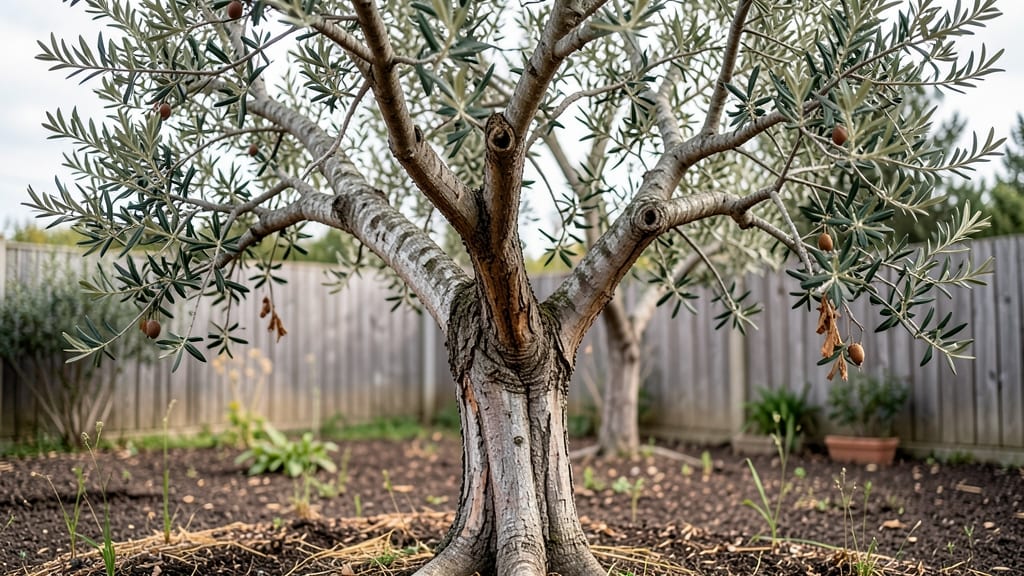
Old olive trees aren't just survivors—they're living history. 🌿 My first encounter with a century-old olive tree in a Tuscan garden changed how I saw these trees forever. They don't just produce fruit; they tell stories of generations, droughts, and careful hands shaping their gnarled branches.
The key to keeping them thriving lies in understanding their rhythm. Unlike younger trees, old olives need pollarding—a precise, almost artistic pruning method—to maintain their shape and productivity. I learned the hard way that cutting back too much stresses them, while the right cuts encourage new growth and fruit.
The secret? Timing matters—spring is ideal, but never prune after harvest.
You'll end up with a tree that looks like it belongs in a sun-drenched Mediterranean landscape, not just your backyard. The fruit stays abundant, the wood becomes even more resilient, and the tree's character deepens with each passing season.
Plus, pollarded olives resist disease better and produce fruit closer to the trunk, making harvests easier.
Works for heritage groves, urban yards, or even large containers if you're working with smaller varieties. The techniques I've perfected over years of trial and error will have you handling old olives like a pro—whether you're restoring a family tree or starting your own legacy grove.
📚 In This Guide
- What you need
- Instructions
- Tips and common mistakes
- Wrapping up and next steps
What you need
- ● Olive tree saplings (heritage varieties): 3–5 trees (e.g., Arbequina, Frantoio, or Mission—choose cold-hardy or Mediterranean climates based on your zone).
- ● Age: 1–3 years old (younger trees adapt faster; older trees offer instant character).
- ● Soil amendments: Well-draining soil mix (50% native soil, 30% compost, 20% coarse sand or perlite).
- ● Lime (if soil pH is <6.0; test kit required).
- ● Mulch: 2–3 inches of wood chips or straw (retains moisture, mimics Mediterranean conditions).
- ● Drip irrigation system: 10–15 ft of tubing + emitters (olives hate soggy roots!).
- ● Planting: Trench shovel, garden gloves, wheelbarrow, and a stake + 6-inch tie per tree.
- ● Pollarding: Pruning saw (for thick branches), loppers, sharp bypass pruners, and a ladder (if trees exceed 12 ft).
- ● Safety: Heavy-duty pruning shears (sterilized with rubbing alcohol), ear protection (pollarding creates debris!).
- ● Climate: USDA Zones 7–10 (or microclimates with frost protection for colder regions).
- ● Space: 15–25 ft between trees (account for mature spread).
- ● Legal: Check local ordinances (some areas restrict pollarding due to fire risks).
- ○ Optional but helpful: Soil pH test kit ($10–$15).
- ● Tree support cages (for young, wind-prone trees).
- ● Olive tree fertilizer (low-nitrogen, high-phosphorus blend).
Step-by-Step guide for cultivating and pruning heritage olive trees
Reviving old olive trees brings timeless beauty and edible rewards—here's how to nurture them through pollarding and seasonal care.
🌱 Step 1: Select and Prepare the Right Variety
Choose heritage varieties like Arbequina or Frantoio—both thrive in Mediterranean climates and tolerate drought once established. I always verify the tree's age and rootstock before planting, as older trees need well-draining soil with a pH between 6.0 and 8.0. Test your soil first; amending with sand or crushed granite helps if it's too dense.
Plant in full sun (at least 6 hours daily) and space trees 15-20 feet apart to allow airflow. Dig a hole twice as wide as the root ball but no deeper—this prevents root suffocation. Gently loosen the roots if they’re circling before placing the tree in the hole.
💧 Step 2: Establish a Watering Routine for Mature Trees
Older olive trees hate soggy roots, so water deeply once every 2-3 weeks during dry spells. You’ll know it’s enough when water reaches 18-24 inches deep—use a soil probe to check. I mulch around the base with 3-4 inches of wood chips to retain moisture and regulate temperature.
During the first year, water weekly until the tree shows new growth. After that, reduce frequency—overwatering causes root rot, and olives are surprisingly drought-tolerant once mature. Watch for yellowing leaves or wilting branches as signs of stress.
☀️ Step 3: Master Pollarding for Structure and Fruit
Pollarding (cutting back hard) shapes the tree and boosts fruit production. I start in late winter or early spring before new growth begins. Use clean, sharp pruners to make cuts just above a bud or branch collar—never leave stubs. Remove 1/3 of the canopy in the first year, then gradually reduce by 10% annually to avoid shock.
Focus on removing suckers (vigorous shoots at the base) and crossing branches that rub together. Thin out crowded areas to improve airflow and sunlight penetration. You’ll see new shoots emerge within 4-6 weeks—these become your future framework.
✂️ Step 4: Prune for Health and Harvest
Prune again in late summer after harvest to remove dead or diseased wood. Sterilize tools with rubbing alcohol between cuts to prevent bacterial spread. Look for blackened leaves or oozing cankers—these are red flags for fungal issues like peacock spot or verticillium wilt. Remove infected branches 6 inches below the damage to contain it.
Harvest olives when they turn deep purple-black (usually October-November). Shake branches gently over a tarp to collect fruit—never pull branches, as olives are fragile. Cure them in brine or dry salt for 2-4 weeks before eating or storing.
🌿 Step 5: Protect Against Pests and Winter Chill
Older trees need winter protection if temperatures drop below 20°F. Wrap the trunk with burlap or tree wrap and mound 6 inches of mulch around the base. Olive bark is thin—frost cracks can kill the tree. I also install frost cloth over young branches in extreme cold snaps.
Watch for olive fruit fly (tiny white eggs on fruit) or scale insects (white, waxy bumps on branches). Spray with neem oil in early spring if you spot them. Healthy trees resist pests better—soil nutrients and proper pruning are your best defenses.
Tips & tricks for perfectly cultivating heritage olive trees
Reviving heritage olive trees takes patience and precision—here are the key tricks to ensure your trees thrive for decades.
The Soil Factor: Don't just guess at soil pH—test it first! Olive trees prefer a neutral to slightly alkaline soil (6.0-8.0). If your soil is too dense, mix in sand or crushed granite when planting to improve drainage. I've seen roots rot when planted in heavy clay, even with the right watering routine. Pro tip: Use a soil probe to check moisture depth—water should penetrate 18-24 inches after each deep watering.
Pollarding Precision: When you're removing 1/3 of the canopy in Step 3, focus on creating an open center. This isn't about cutting randomly—look for branches that cross or grow inward. Make your cuts just above a bud or branch collar, and never leave stubs. I learned this the hard way: leaving stubs invites disease and weakens the tree's structure. After pollarding, you'll see new shoots emerge within 4-6 weeks—these are your future framework.
Winter Protection Strategy: Olive bark is surprisingly delicate—temperatures below 20°F can cause fatal frost cracks. Wrap the trunk with burlap or tree wrap and mound 6 inches of mulch around the base before winter. For extreme cold snaps, add frost cloth over young branches. I've seen trees survive -10°F with this protection, though heritage varieties like Arbequina still prefer milder climates.
Harvest Timing: Wait until olives turn deep purple-black before harvesting—this usually happens in October-November. Shake branches gently over a tarp rather than pulling fruit directly, as olives are fragile. After harvesting, cure them in brine or dry salt for 2-4 weeks—this preserves their flavor and texture. I've found that curing in brine gives a more traditional table olive taste, while dry curing concentrates the flavor for oil production.
Pro Tips for Olive Trees Old
- Reviving heritage olive trees takes patience and precision—here are the key tricks to ensure your trees thrive for decades.
- The Soil Factor: Don't just guess at soil pH—test it first!
- Pollarding Precision: When you're removing 1/3 of the canopy in Step 3, focus on creating an open center.
Frequently asked questions
Got questions about ancient olive trees and their care?
Here are the most common queries—plus practical answers to keep your heritage grove thriving.
How old can olive trees realistically live, and what makes them so long-lived?
Olive trees (Olea europaea) can live 1,000–2,000+ years with proper care! Their longevity stems from deep root systems, drought resistance, and the ability to regenerate from old wood. Pollarding (pruning back to stubs) also extends their lifespan by promoting new growth. Fun fact: Some Mediterranean trees date back to Roman times!
What’s the best time of year to plant or prune ancient olive trees?
Plant in late fall or early spring (avoid summer heat). For pruning, winter or early spring is ideal—before new growth starts. Pollard young trees in late winter to shape them early. Pro tip: Never prune in extreme heat or drought; stress weakens old wood.
Can I grow an olive tree from a cutting of an old tree? How successful is this?
Yes! Take semi-hardwood cuttings (6–12 inches) in late summer/early fall, dip in rooting hormone, and plant in moist sand/perlite. Success rates vary—30–70% for heirloom varieties. Alternative: Graft scions onto a young rootstock for faster results.
Why does my old olive tree have sparse leaves or dead branches? Is it dying?
Not necessarily! Common causes:
- Overwatering (olives hate soggy roots—drought is normal in summer).
- Fungal issues (e.g., Peacock Spot) from wet foliage. Prune infected branches and apply copper fungicide.
- Nutrient deficiency (yellow leaves = nitrogen; brown edges = potassium). Test soil and amend as needed.
Are there dwarf olive tree varieties suitable for containers or small gardens?
Yes! Consider these heritage-friendly dwarfs:
Variety
Mature Height
Notes
Arbequina
10–15 ft
Cold-hardy, great for oil; prune aggressively to keep small.
Little Ollie
8–10 ft
Disease-resistant; ideal for pots (15+ gallon).
Frantoio (grafted)
12–15 ft
Classic Italian type; needs winter chilling.
Wrapping up and next steps
Old olive trees aren’t just relics of the past—they’re living works of art, blending history, resilience, and beauty into your garden. Whether you’re drawn to their centuries-old varieties or mastering the art of pollarding, these trees offer timeless charm and practical wisdom.
Embrace their legacy by planting one today and watch your landscape transform into a heritage haven!
🌱 Next step: Start small—research a local nursery for heirloom varieties or sketch a pollarding plan for an existing tree. Your garden’s legacy begins with a single root! 🌿