
Pruning
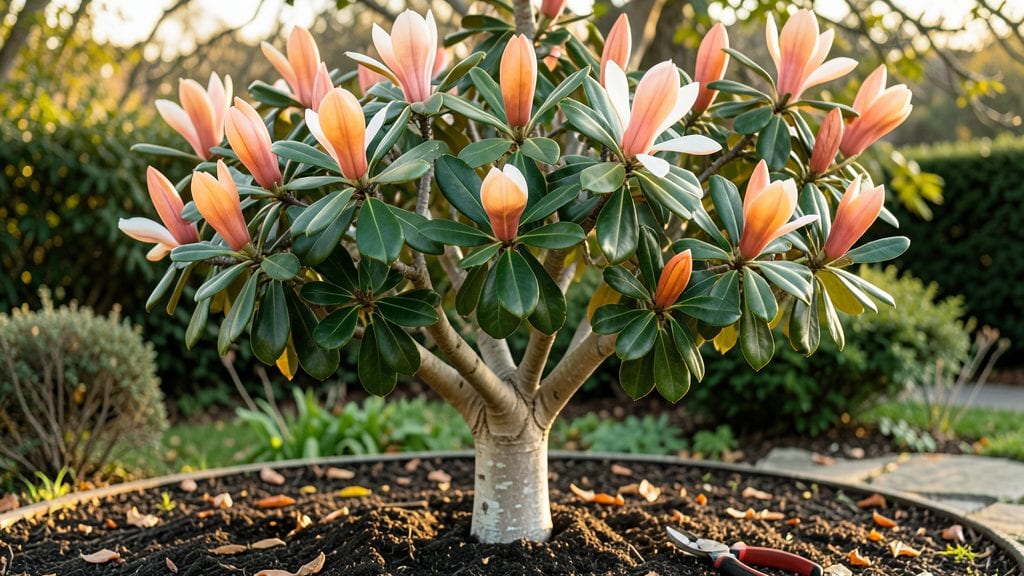
Pruning an orange magnolia tree reveals its true potential—those stunning orange blooms and graceful branches need just the right touch to shine. ✨ I’ve learned that timing and technique make all the difference, whether you’re shaping a young tree or maintaining a mature one.
The key is working with the tree’s natural rhythm, not against it.
You’ll need basic pruning tools—a sharp pair of shears, gloves, and maybe a small ladder for taller branches. The best time to prune is right after the blooms fade in late spring, but light shaping can happen year-round if needed.
Just avoid heavy cuts in winter when the tree is dormant.
With the right approach, your magnolia will burst into vibrant blooms year after year, and its shape will stay elegant without sacrificing those showstopping flowers. The secret is patience—each cut should serve a purpose, whether it’s opening up the canopy or removing dead growth.
Works for both small yards and large landscapes, and pairs beautifully with azaleas or camellias for a cohesive spring display. Let’s get those branches looking their best!
📚 In This Guide
- What you need
- Instructions
- Tips and common mistakes
- Wrapping up and next steps
What you need
- ● Pruning shears: Bypass pruners (for small branches, ¼"–¾" thick) – 1 pair (sharp, high-quality, like blank">Felco or Fiskars).
- ● Loppers: For medium branches (¾"–2" thick) – 1 pair (extendable handles recommended for tall trees).
- ● Pruning saw: For thick branches (2"+) – 1 heavy-duty saw (bow or pruning saw with a fine-tooth blade).
- ● Gloves: Heavy-duty gardening gloves (cut-resistant, like blank">Mechanix) – 1 pair (protects from thorns and sap).
- ● Disinfectant: 70% isopropyl alcohol or blank">pruning sealant (to prevent disease spread) – small bottle.
- ● Ladder: Sturdy, extendable ladder (20–30 ft, with stabilizers) – 1 (if tree exceeds 10 ft).
- ○ Tarp or drop cloth: 10x10 ft (to catch debris) – 1_ (optional but helpful).
- ● Twine or zip ties: For supporting heavy branches – small roll.
- ● Hand pruners: Compact bypass pruners for precision cuts – 1 pair (great for detail work).
- ● Tree wound dressing: (Controversial—skip if your tree is healthy!)
- ● Safety glasses: To shield eyes from debris – 1 pair.
- ● Work boots: Sturdy, ankle-supportive footwear (for stability on uneven ground).
- ● Extension pole saw: For high branches (if no ladder is available).
Step-by-Step guide to pruning your orange magnolia tree
Here’s how to keep your tree healthy, blooming, and beautifully shaped all year long.
✂️ Step 1: Prune After the First Bloom Season
Wait until late spring or early summer—after the orange magnolia’s first flush of flowers has faded. This timing ensures you don’t cut off next year’s blooms, which form on old wood. Use sharp, clean pruning shears to make cuts just above a leaf node or bud, angled slightly away from the branch.
Remove any dead, damaged, or crossing branches first—they’re the easiest to spot and won’t affect blooming. Thin out crowded branches to improve airflow and sunlight penetration. I always start at the bottom and work my way up, so I don’t miss any hidden issues.
✂️ Step 2: Lightly Shape in Late Summer
In August or early September, give your tree a light shaping trim to maintain its natural form. Focus on filling in gaps and opening up the center for better light exposure. Avoid heavy pruning now—you don’t want to stimulate new growth that won’t harden off before winter.
Look for branches growing inward or rubbing against others. These are prime candidates for removal. A good rule of thumb: If a branch is thinner than a pencil, it’s probably not strong enough to support future blooms. Cut it back to a stronger branch or bud.
🌿 Step 3: Clean Up in Late Winter
In late February or early March, just before new growth begins, do a final cleanup. Remove any deadwood, weak growth, or branches that didn’t bloom well the previous year. This is also the time to thin out overly dense areas to prevent disease.
I always sterilize my pruning tools with rubbing alcohol between cuts to prevent spreading fungal spores. If you see any mushrooms growing at the base or peeling bark, these are signs of rot—remove those branches immediately. After pruning, rake up and dispose of all debris to keep your tree’s base clean.
⏰ Step 4: Monitor and Adjust Year-Round
Check your tree monthly for any branches that look stressed, diseased, or out of place. Orange magnolias grow slowly, so they don’t need heavy pruning often—but a little maintenance keeps them looking their best. If you notice yellowing leaves or stunted growth, it might be a sign of over-pruning or poor health.
Real talk: If you accidentally cut into a branch that’s thicker than 1 inch in diameter, seal the wound with pruning sealant to prevent disease. For larger cuts, make a clean, angled cut just outside the branch collar (the swollen area where the branch meets the trunk).
Tips & tricks for pruning your orange magnolia tree
Mastering the art of pruning your orange magnolia takes patience and precision—here’s how to avoid common mistakes and keep your tree thriving.
Timing is Everything: The late spring/early summer pruning window after blooms fade is non-negotiable. I learned this the hard way after accidentally cutting off next year’s flower buds by pruning too early. Remember, orange magnolias bloom on old wood, so wait until those first flowers have completely dropped before making any cuts. This timing ensures you preserve next season’s spectacular display while still maintaining shape.
Branch Selection Strategy: When thinning in Step 2, prioritize branches that are growing inward or crossing others—these are the biggest culprits for rubbing and creating wounds. I always look for the "pencil test": if a branch is thinner than a pencil, it’s likely too weak to support future blooms. Cutting these back to stronger branches creates a more open canopy that lets sunlight reach all parts of the tree. This simple rule has saved me from over-pruning mistakes that could stress the tree.
Tool Maintenance Matters: Sterilizing your pruning shears with rubbing alcohol between cuts (as mentioned in Step 3) isn’t just about cleanliness—it’s about disease prevention. I keep a small bottle of alcohol in my pruning bucket and wipe down blades after every 3-4 cuts, especially when dealing with diseased branches. Sharp tools also make cleaner cuts that heal faster, reducing the risk of infections. A dull pair of shears can crush branches instead of making clean incisions, which stresses the tree.
Wound Care for Larger Cuts: That 1-inch diameter rule about sealing wounds is crucial for preventing disease entry points. I always keep pruning sealant handy, especially when working with mature trees where larger branches are more common. For cuts bigger than 1 inch, make your angled cut just outside the branch collar—the swollen area where the branch meets the trunk. This natural barrier helps the tree heal more effectively. Don’t skip this step—it’s the difference between a healthy tree and one that develops fungal infections.
Pro Tips for Orange Magnolia Tree
- Mastering the art of pruning your orange magnolia takes patience and precision—here’s how to avoid common mistakes and keep your tree thriving.
- Timing is Everything: The late spring/early summer pruning window after blooms fade is non-negotiable.
- Branch Selection Strategy: When thinning in Step 2, prioritize branches that are growing inward or crossing others—these are the biggest culprits for rubbing and creating wounds.
Frequently asked questions
When is the best time to prune an orange magnolia?
Prune your orange magnolia immediately after flowering (late spring to early summer). This ensures you don’t cut off next year’s blooms, which form on old wood. Avoid heavy pruning in fall or winter, as the tree needs energy to recover before spring growth.
Can I prune my orange magnolia in winter?
Light shaping is fine in late winter (before buds swell), but avoid heavy pruning—it stresses the tree and may reduce spring blooms. Focus on removing dead or crossing branches. If you must prune more, do it in early spring (before leaves emerge) to minimize damage.
Why aren’t my orange magnolia flowers as vibrant?
Duller blooms often signal over-pruning, poor nutrition, or shade stress. Ensure your tree gets 6+ hours of sunlight, fertilize in early spring with acid-loving plant food, and avoid cutting back more than 1/3 of the canopy at once. Yellow leaves? Check for iron deficiency (common in alkaline soils).
How do I protect my orange magnolia from pests or disease?
Prevent issues with proper spacing (15–20 ft apart) for airflow. Watch for magnolia scale (white bumps on branches) or powdery mildew (white dust on leaves). Treat scale with horticultural oil in early spring, and mildew with neem oil. Prune infected branches 1–2 inches below affected areas.
What’s a good alternative if my orange magnolia struggles in my climate?
If your zone is USDA 5 or colder, consider ‘Black Tulip’ magnolia (hardy to Zone 4) or ‘Jane’ magnolia (Zone 5). For warmer areas (Zone 8+), ‘Elizabeth’ magnolia thrives with similar care. All offer stunning blooms but with better cold/humidity tolerance.
Pro Tip:
Use sterilized tools when pruning to prevent disease spread. Dip shears in rubbing alcohol or a 10% bleach solution between cuts. Store pruners in a dry place to avoid rust!
Wrapping up and next steps
The orange magnolia tree is a stunning addition to any landscape, and with the right pruning techniques, you can keep it thriving year-round! 🌸 Whether you're trimming for shape, encouraging vibrant blooms, or maintaining health, consistency is key.
Remember to use sharp tools, time your cuts wisely, and always prioritize safety.
Now that you’re armed with expert tips, go ahead and give your magnolia the care it deserves—your garden will thank you! Ready to take the next step? Schedule a seasonal check-up or explore more pruning projects to keep your outdoor space flourishing.