
Trees
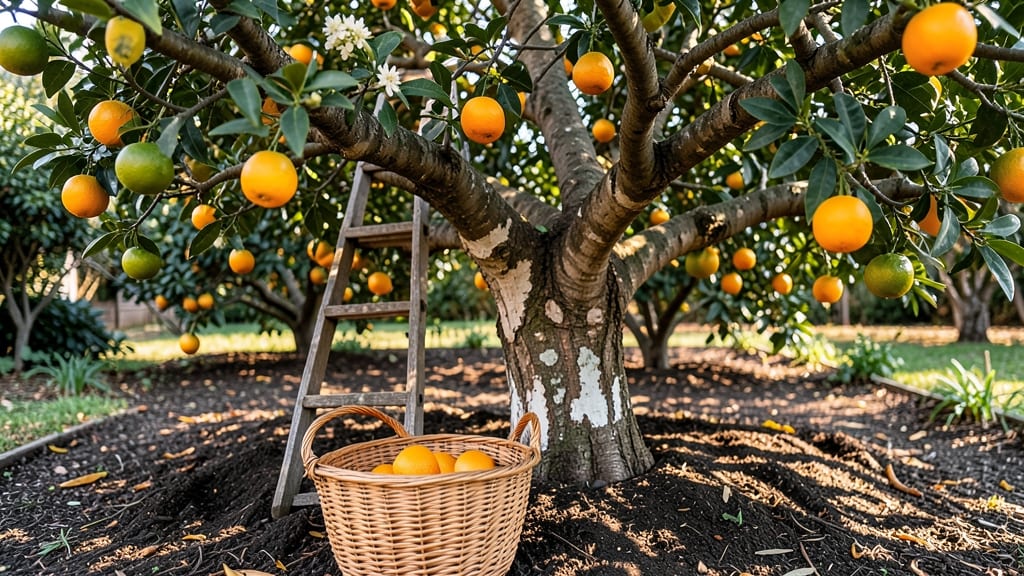
Harvesting your orange tree at the right time turns tart fruit into a sweet, juicy treasure 🍊—and missing the window can leave you with a bitter disappointment.
There’s nothing quite like biting into a homegrown orange plucked at the perfect moment—juicy, sweet, and bursting with flavor. But knowing when to harvest your orange tree can mean the difference between a disappointing tart fruit and a sun-ripened delicacy.
Most varieties ripen between October and December, but the exact timing depends on your climate, the tree’s age, and even the specific orange type.
A Valencia might be ready earlier than a Navel, and a tree in USDA Zone 9b could yield fruit months before one in a cooler region.
In this guide, I’ll walk you through the key signs of ripeness—color, texture, and that unmistakable citrus scent—plus the best techniques for picking without damaging the fruit. You’ll also learn how to store your harvest and avoid common mistakes that waste your hard work.
How to determine orange tree ripeness: color, texture, and taste tests
Harvesting oranges at the perfect ripeness ensures maximum flavor and sweetness. Unlike store-bought fruit, homegrown oranges ripen on the tree, so timing is everything. The key lies in three simple tests: color, texture, and taste.
Each orange variety (like Valencia or Navel) has subtle differences, but these universal cues apply across the board.
First, focus on the peel color—this is your biggest clue. Most oranges transition from green to deep orange or yellow as they ripen. However, some varieties like Blood oranges stay reddish-purple, while Navel oranges develop a golden hue.
Never rely solely on color—some oranges may look ripe but taste bland or overly tart.
Next, perform the gentle squeeze test. A ripe orange should yield slightly to firm but gentle pressure—think of pressing a ripe avocado. If the skin feels too soft or mushy, it’s overripe.
If it’s rock-hard, it’s underripe. This test helps avoid the bitter aftertaste of unripe fruit or the fermented flavor of overripe oranges.
The squeeze-and-smell method is my favorite trick. After squeezing, bring the orange to your nose. A ripe orange releases a sweet, citrusy aroma. If it smells sour or flat, it’s not ready.
This scent test works even for green-skinned varieties like Meyer lemons, which can ripen off the tree.
Now, let’s talk seasonal timing. Most orange trees produce fruit in late summer to fall, but exact timing depends on your USDA zone and variety. For example, Valencia oranges ripen in winter (Dec-Feb), while Navel oranges peak in late fall (Oct-Nov).
In colder zones (7–9), harvest earlier to avoid frost damage.
Here’s a quick reference for harvest readiness by variety:
| Variety | Peel Color | Texture Test | Aroma Test | Best Harvest Month |
|---|---|---|---|---|
| Valencia | Deep orange | Yields slightly | Sweet, citrusy | December–February |
| Navel | Golden-yellow | Firm but soft | Bright, floral | October–November |
| Meyer Lemon | Yellow (no green) | Slightly soft | Sweet, tangy | December–January |
| Blood Orange | Reddish-purple | Firm with give | Berry-like | November–December |
For indoor-grown orange trees, ripening can take longer due to lower light levels. If your tree is in a pot, move it to a sunniest spot (like a south-facing window) and supplement with a grow light if needed.
Patience is key—indoor oranges may need 2–4 extra weeks to ripen compared to outdoor trees.
Once you’ve confirmed ripeness, harvest carefully to avoid damaging the fruit. Use a sharp pruning shear or your hands to twist the orange gently until it detaches cleanly from the stem.
Never pull—this can tear the fruit or harm the tree. After picking, let oranges cure (ripen further) at room temperature for 1–2 weeks if they’re not fully ripe.
Pro tip: Taste test a few oranges before committing to a full harvest. Some trees produce asymmetrical ripening, meaning one branch may be ready while another isn’t. This is especially true for older trees or those with uneven sunlight exposure.
If you’re unsure, harvest a small batch first and wait a week before picking the rest.
Finally, store your freshly harvested oranges in a cool, dry place (like a paper bag) to extend their shelf life. Avoid refrigerating them until they’re fully ripe—cold temperatures can kill the flavor
The best time of year to harvest oranges by climate zone
Timing your orange tree harvest depends heavily on your USDA climate zone and the specific orange variety you’re growing. In warmer zones like 9–11, fruit ripens year-round, while cooler zones 7–8 see seasonal peaks.
Daylight hours and temperature shifts also play a critical role in developing that peak sweetness we all crave. For example, Valencia oranges thrive in longer daylight periods, while Navel varieties prefer cooler fall temperatures to sweeten up.
Indoor-grown orange trees (common in containers) often ripen 2–4 weeks later than outdoor trees due to reduced sunlight exposure. If you’re growing in a greenhouse or bright windowsill, monitor fruit color and scent closely—these cues matter more than calendar dates.
Outdoor trees in southern states like Florida or California may produce year-round harvests, but northern growers in zones 7–8 should expect a fall-to-winter window (October–December).
comparison-table
| Climate Zone | Best Harvest Window | Key Varieties | Sweetness Trigger |
|---|---|---|---|
| Zones 9–11 | Year-round (peaks Oct–Feb) | Valencia, Navel, Blood Orange | 10+ hours daylight + 70°F+ temps |
| Zones 7–8 | October–December | Navel, Temple, Cara Cara | Cooler nights (60–70°F) after summer heat |
| Indoor/Containers | Late fall–winter (2–4 wks delayed) | Dwarf Navel, Calamondin | Fruit color + sweet aroma (not calendar) |
For early varieties like Navel oranges, aim to harvest in late fall (November) when the peel turns a deep orange hue and yields slightly to gentle pressure. Late varieties, such as Valencia oranges, ripen in winter (December–February) and often need a frost-free environment to develop full sweetness.
In USDA zone 10, you might even see two harvests per year—one in fall and another in spring—thanks to mild winters.
Temperature swings are your friend here. A cool snap (50–60°F) after a hot summer signals the tree to stop growing and shift energy to sweetening the fruit. If you’re in a warmer zone with consistent heat, your oranges may stay tart longer.
To boost sweetness, reduce watering slightly in late summer—this stress response triggers sugar production. Just don’t let the soil dry out completely, or you’ll risk fruit drop.
If you’re growing oranges indoors, extend daylight with a grow light for 12–14 hours/day to mimic outdoor conditions. Without enough light, your fruit may stay green and seedy longer.
For container-grown trees, harvest when the fruit’s stem detaches easily—this is your best cue, since color can be misleading under artificial light. Outdoor trees, meanwhile, benefit from natural temperature fluctuations, so avoid moving potted trees between hot and cold spots mid-season.
Pro tip: Taste-test a few oranges before full harvest. If they’re still acidic, wait another 1–2 weeks. Overripe oranges (soft, fermented smell) are best for juicing or compost, not eating fresh.
Store harvested oranges at room temperature for 1–2 weeks or refrigerate to extend shelf life to 2–3 months. With the right timing, your homegrown oranges will outshine store-bought every time! 🍊