
Tools
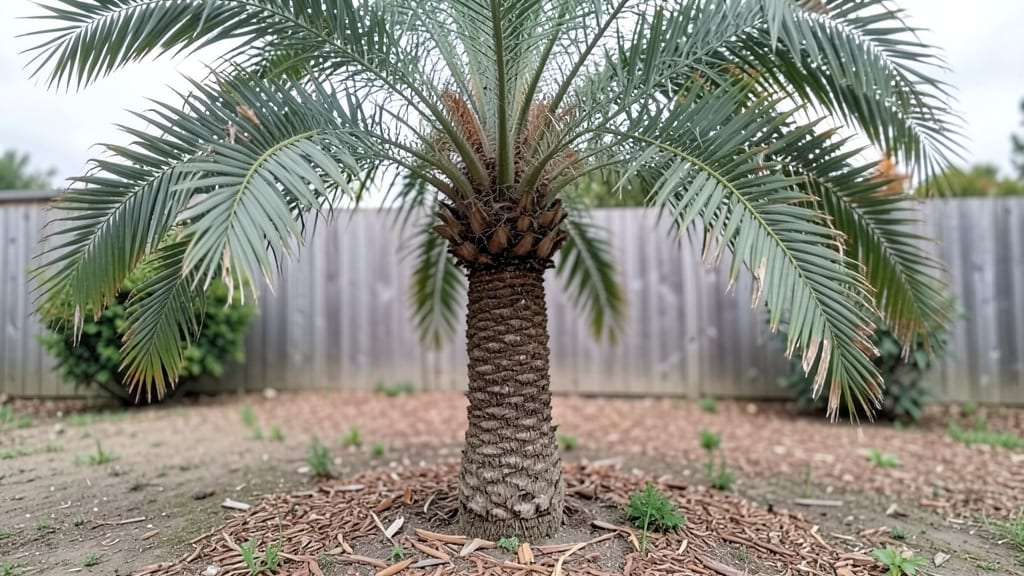
Creating a palm tree garden that feels like a true escape starts with a single bold statement—whether it's a towering Mexican fan palm or a graceful windmill palm swaying in your backyard.
I’ve designed tropical oases in everything from suburban yards to urban balconies, and the secret isn’t just the palms themselves but how you layer them with rocks, lighting, and the right companion plants.
The first time I saw a palm’s fronds catching golden-hour light against a stucco wall, I knew this wasn’t just gardening—it was creating a mood.
You don’t need a beachfront property to pull this off. Start with 3-5 palms of varying heights—tall ones like the California fan palm for drama, shorter ones like the pygmy date palm for texture—and group them with drought-tolerant plants like bougainvillea or bird-of-paradise.
Add volcanic rock mulch or smooth river stones to ground the scene, and string lights or solar-powered lanterns to extend the ambiance into evening. The key is balance: too many palms feels crowded; too few loses that "vacation vibe" you’re chasing.
By summer’s end, your garden will hum with life—rustling fronds, the scent of citrus blossoms from nearby trees, and the occasional hummingbird darting between flowers.
The maintenance is simpler than you’d think: palms thrive on neglect once established, and a monthly deep watering keeps them lush without the fuss of daily upkeep. I’ve had clients in Zone 8 swear their Mediterranean-style gardens need less water than their lawns ever did.
Here’s the twist: your palm garden can shift with the seasons. Swap out annuals for seasonal blooms, add a fire pit for cooler evenings, or let vines climb the trunks in summer for extra shade.
The beauty of this design is that it grows with you—whether you’re dreaming of a backyard tiki bar or just a quiet corner to unwind under swaying fronds. Let’s make it happen.
📚 In This Guide
- What you need
- Instructions
- Tips and common mistakes
- Wrapping up and next steps
What you need
- ● Palm Trees: 3–5 mature trees (species like Kentia, Areca, or Majesty for versatility; ensure they’re container-friendly if space is limited).
- ● Large Containers or Planters: 1–2 per tree, 18–24" in diameter with drainage holes (terracotta or fiberglass for aesthetics).
- ● High-Quality Potting Soil: 1–2 cubic yards of well-draining, organic-rich mix (avoid garden soil—it compacts!).
- ● Mulch: 2–3 bags of pine bark or coconut coir to retain moisture and suppress weeds.
- ● Fertilizer: Slow-release palm-specific fertilizer (e.g., 8-2-12 NPK ratio) or liquid seaweed extract.
- ● Drip Irrigation or Hose: For consistent watering (palms hate soggy roots!).
- ● Pruning Tools: Sharp bypass pruners and sterilized shears for trimming fronds.
- ● Gloves & Safety Gear: Heavy-duty gloves and eye protection (palm fronds can scratch!).
- ● Wheelbarrow or Tote: For hauling soil and mulch.
- ● Level & Measuring Tape: To ensure even spacing and container stability.
- ○ Optional Upgrades: Decorative Stones or Gravel: For a polished, tropical look.
- ● Outdoor String Lights: To highlight your garden at night.
- ● Windbreaks: If your area gets gusty (palms love breeze but hate snapping!).
- ● 🌡️ Check Hardiness Zones: Ensure your palm species thrives in your climate (e.g., USDA Zones 9–11 for most tropical palms).
- ● ✨ Pre-Treat Containers: Soak planters in vinegar or bleach solution to kill bacteria before planting.
- ● 🎯 Group by Size: Plant taller palms behind shorter ones to create depth.
Step-by-Step instructions for creating a palm tree garden
Here's how to craft a lush tropical escape using just a few key elements.
Choose and Prepare Planting Sites
Palms thrive in well-draining soil with plenty of space for their roots to spread. Select spots that receive at least 6 hours of sunlight daily—most varieties need full sun to develop properly. If your yard has partial shade, opt for shade-tolerant types like the Majesty Palm or Chinese Fan Palm, which handle 4-6 hours of sun better than others.
Test soil drainage by digging a 6-inch deep hole and filling it with water. If it drains within 30 minutes, your soil is suitable. If water pools after an hour, amend the area with 3 inches of coarse sand or gravel mixed into the top 12 inches of soil. This prevents root rot, which is a common killer of newly planted palms.
Plant Palms at the Right Depth and Spacing
Dig a hole twice as wide as the palm’s root ball but only as deep as the container it came in. This ensures the palm sits at the same depth it grew in the nursery, preventing stress. Gently remove the palm from its container and loosen any circling roots with your fingers—this encourages outward growth instead of tangled roots.
Place the palm in the hole and backfill with native soil, tamping lightly every 2 inches to remove air pockets. Space palms 10-15 feet apart for medium-sized varieties like the Mexican Fan Palm, or 20 feet apart for larger types like the Canary Island Date Palm. Mulch the base with 2-3 inches of organic mulch, keeping it 6 inches away from the trunk to prevent rot.
Water Deeply and Establish a Care Routine
Water the newly planted palm deeply until moisture reaches 12 inches down, then let the top 2 inches of soil dry out before watering again. Overwatering is the fastest way to kill a palm—you’ll know it’s time when the soil feels dry to the touch. For the first 30 days, water 2-3 times per week unless rainfall provides 1 inch of water. After that, reduce to once every 10-14 days, adjusting for heat or drought.
Fertilize once a month during the growing season (spring through fall) with a balanced palm fertilizer (8-2-12 or similar). Apply it 6 inches away from the trunk and water it in immediately. Avoid high-nitrogen fertilizers—they promote leaf growth at the expense of root strength, making palms more vulnerable to wind damage.
Protect and Prune for Long-Term Health
Palms are surprisingly resilient, but young fronds are prone to wind burn or freeze damage. If temperatures drop below 30°F, drape burlap or frost cloth around the fronds to shield them. In coastal areas, monitor for salt spray damage—rinse leaves with fresh water once a month during dry seasons to remove accumulated salt.
Prune only when necessary: remove brown or dead fronds at the base with clean, sharp pruners, cutting them off 1 inch above the trunk. Never prune more than one-third of the fronds at a time—this disrupts the palm’s energy balance. I also recommend inspecting the trunk annually for signs of pests like palm weevils, which bore into the center and can kill a tree in weeks.
Enhance the Tropical Vibe with Companion Plants
To create that authentic tropical feel, pair palms with drought-tolerant ground covers like Mondo Grass or Liriope, which thrive in the same well-draining conditions. Add brightly colored annuals like Bird of Paradise or Hibiscus near the base for a pop of color, but keep them at least 3 feet away from palm trunks to avoid competing for water.
Consider adding a small water feature, like a bubbling rock fountain, within 10 feet of the palms. The sound of water enhances the tropical ambiance, and the humidity helps palms in dry climates. Just ensure the feature doesn’t create standing water near the roots—palms despise soggy soil as much as they love humidity in the air.
Tips & tricks for perfect palm tree garden design
Creating a thriving palm tree garden takes more than just planting—these key strategies will help you avoid common pitfalls and ensure your tropical oasis flourishes for years.
Soil Drainage is Non-Negotiable: That 30-minute drainage test in Step 1 is crucial—if water lingers beyond that, your palms will develop root rot. I've seen too many beautiful palms lost because of soggy soil. For heavy clay soils, mix in 3 inches of coarse sand or gravel into the top 12 inches of soil before planting. This creates the perfect well-draining environment palms crave, especially in the first 30 days when they're establishing roots.
Root Ball Handling Makes All the Difference: When you remove palms from their containers in Step 2, be gentle with those circling roots—don't just pull them apart. Use your fingers to carefully tease them outward. I learned this the hard way after watching a palm struggle for years with tangled roots. This simple step encourages outward growth and prevents girdling, which can strangle your palm over time. Also, that 2-inch tamping when backfilling isn't just about compacting soil—it's about eliminating air pockets that could suffocate young roots.
Watering Wisdom for Long-Term Health: The 2-3 inches of soil drying out rule in Step 3 is your best friend, but timing matters too. Water in the early morning so leaves have time to dry before evening. This prevents fungal diseases that thrive in damp foliage. And remember—those 10-14 day intervals after the initial 30 days can stretch longer in cooler months. Always check soil moisture before watering; palms are far more forgiving of underwatering than overwatering.
Fertilizer Timing and Placement: That monthly fertilizer application in Step 3 should always be 6 inches from the trunk—never right against it. I've seen fertilizer burns create unsightly scars on palm trunks. Also, save the high-nitrogen fertilizers for other plants. Palms need balanced nutrition (like that 8-2-12 formula) to develop strong roots that can anchor them against wind and storms. Think of it as building their foundation from the ground up.
Pro Tips for Palm Tree Garden
- Creating a thriving palm tree garden takes more than just planting—these key strategies will help you avoid common pitfalls and ensure your tropical oasis flourishes for years.
- Soil Drainage is Non-Negotiable: That 30-minute drainage test in Step 1 is crucial—if water lingers beyond that, your palms will develop root rot.
- Root Ball Handling Makes All the Difference: When you remove palms from their containers in Step 2, be gentle with those circling roots—don't just pull them apart.
Frequently asked questions
Got questions about creating your dream palm tree garden? We’ve got answers!
Here are some of the most common queries to help you plan like a pro.
What’s the best climate for a palm tree garden?
A tropical oasis thrives in USDA Hardiness Zones 9-11, but many palms (like windmill or Mexican fan palms) tolerate zones 8-10 with winter protection. For colder climates, opt for cold-hardy species or container-grown palms you can move indoors during frost. Pro tip: Check your local palm nurseries for region-specific recommendations!
How long does it take for a palm tree garden to mature?
Most palm trees grow 1-3 feet per year, so a 10-foot-tall palm could take 3-5 years to reach maturity. Dwarf varieties (like pygmy date palms) mature faster—often in 2-3 years. Patience pays off, but strategic planting (mixing fast and slow growers) creates instant tropical vibes!
Is a palm tree garden expensive to maintain?
Initial costs (soil prep, palms, irrigation) can be $500–$5,000+, but long-term upkeep is manageable. Palms are drought-tolerant once established, and pruning (every 2–3 years) is minimal. Budget hack: Start small with 2–3 palms and expand as you go!
Can I mix palm trees with other plants?
Pair palms with drought-resistant plants like succulents, bougainvillea, or hibiscus for a lush look. Avoid heavy feeders (like roses) that compete for water. Design tip: Use palms as focal points with trailing vines or ground covers (e.g., mondograss) for texture.
Do palm trees attract pests or wildlife?
Palms are generally pest-free, but palm weevils or spider mites can appear in stressed trees. Keep trees healthy with proper watering and mulch. Wildlife? Birds and squirrels love the seeds, but they’re harmless. Prevention tip: Inspect new palms for bugs before planting!
Wrapping up and next steps
Creating your own palm tree garden is a rewarding way to bring a slice of paradise into your backyard—no tropical location required! 🌴 With the right plants, soil, and a little creativity, you can transform your space into a serene oasis that thrives year-round.
Whether you're a seasoned gardener or a beginner, the key is to start small, stay consistent, and enjoy the process.
Ready to turn your vision into reality? Sketch your design, gather your materials, and plant with confidence! Your future tropical retreat awaits—what’s stopping you from digging in? 🌱