
Blooming
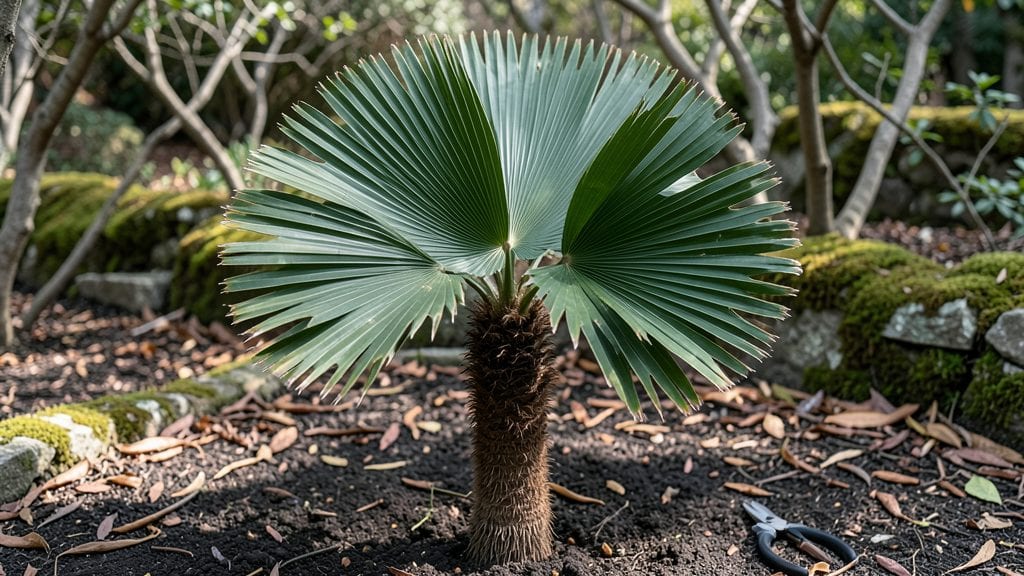
Understanding how long palm trees take to grow tall depends on their natural lifecycle and environmental conditions. Tropical palms like the Coconut Palm can shoot up 6 to 10 feet per year in ideal climates, while desert-adapted species might only gain a few inches annually.
The key factor is temperature—most palms stall growth below 50°F, which is why Needle Palms thrive in Mediterranean regions but struggle in colder zones. 🌿 I’ve seen dramatic differences even between palms in the same yard: the one near the south-facing wall hit 20 feet in 8 years, while its neighbor in shade barely cracked 10 feet.
What many gardeners overlook is that palm trees allocate energy differently based on their stage. Seedlings focus on root development for the first 2-3 years, which is why they appear slow to grow upward. Once they reach juvenile height (5-10 feet), vertical growth accelerates—if given the right care.
For example, a Mexican Blue Palm might only grow 1 foot per year as a seedling but double that rate once it reaches maturity. This two-phase growth pattern explains why some palms seem "stuck" for years before suddenly shooting upward.
💡 In This Article
- Palm Tree Growth Stages by Species
- Tips to Speed Up Palm Tree Height Growth
Palm tree growth stages by species
Palm trees progress through three distinct growth phases, each with unique characteristics that determine how quickly they reach their full height. The first stage is the seedling phase, lasting 1-3 years, where the focus is on developing a robust root system rather than vertical growth.
During this time, you'll notice delicate fronds emerging, but the trunk remains slender—often just 1-3 inches in diameter. For example, a Coconut Palm seedling might only grow 6 inches per year during this foundational period.
The juvenile phase begins when the palm reaches 5-10 feet in height and typically lasts 3-7 years, depending on the species.
This is when you'll see the most dramatic height increases—some tropical palms like the Mexican Fan Palm can grow 2-3 feet annually during this stage, while temperate varieties like the Windmill Palm might only add 6-12 inches per year.
The key difference here is the palm's ability to photosynthesize efficiently; tropical palms with larger fronds capture more sunlight, fueling rapid vertical expansion.
Climate plays a critical role in determining how long each stage lasts. In USDA Zone 10-11 (tropical climates), palms like the Coconut Palm can reach maturity in 5-7 years, while in Zone 8-9 (temperate), the same species might take 10-12 years due to slower metabolic rates during cooler months.
What's fascinating is how palms adapt: the Sago Palm, native to Australia, grows at a glacial pace—only 1-2 feet per decade—because it's evolved to conserve energy in nutrient-poor soils.
Meanwhile, the Palmetto Palm thrives in swampy conditions, growing 3-5 feet per year thanks to abundant moisture and organic matter.
Here's what happens during the mature phase, which can last decades or even centuries for some species: the palm shifts its energy from height to width, producing broader fronds and thicker trunks.
A mature Royal Palm might add just 1 foot per year in height but increase its trunk diameter by 1/4 inch annually. The Needle Palm, however, remains stunted below 30 feet even after 50 years because its growth is genetically limited by its cold-hardy adaptations.
This phase is where you'll see the most dramatic differences between species—some tropical palms continue growing vertically for 50+ years, while others plateau after reaching reproductive maturity.
What most gardeners don't realize is that palm trees have a built-in growth regulator: their apical meristem (the growth tip). In tropical palms, this meristem remains active year-round, allowing continuous upward growth. In contrast, temperate palms like the Dwarf Palmetto have a dormant period during winter when growth halts completely.
This biological difference explains why a Coconut Palm in Hawaii can reach 100 feet in 20 years, while the same species in Florida might take 30 years due to occasional cold snaps that temporarily stall development. 🌴
To visualize these differences, consider these height milestones for common species:
- Coconut Palm: 50 feet in 10 years (tropical climate)
- Mexican Fan Palm: 20 feet in 15 years (arid regions)
- Needle Palm: 30 feet in 50 years (Mediterranean climate)
- Sago Palm: 10 feet in 30 years (slowest-growing)