
Lawn
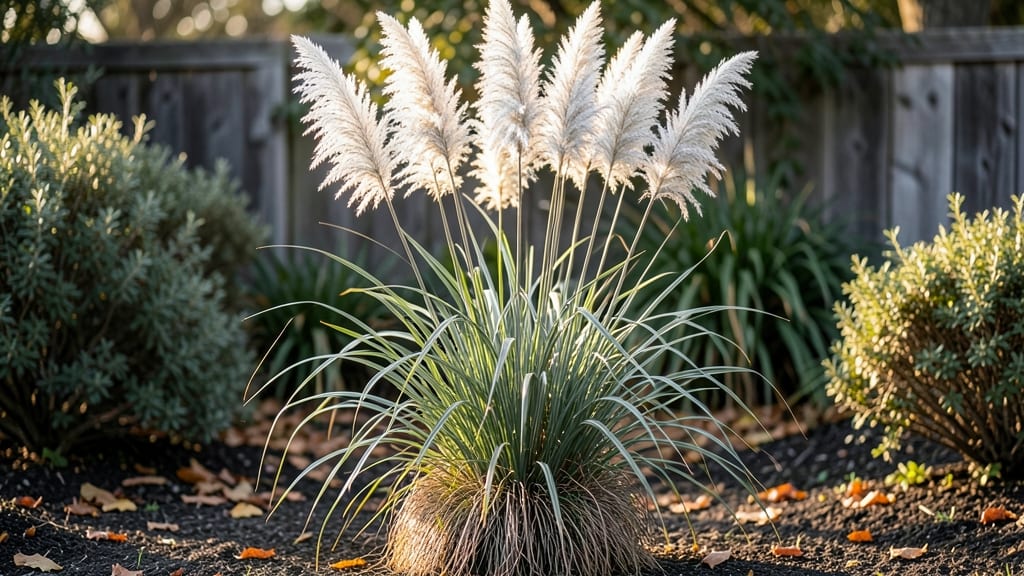
Growing a pampas grass tree transforms any yard into a wind-swept, textured masterpiece—those feathery plumes swaying year-round create privacy that’s as beautiful as it is functional. 🌿 I’ve planted mine in full sun where nothing else survives, and after three years, it’s the star of the landscape, not just a screen.
The key? Understanding its quirks before committing to its dramatic growth habit.
This isn’t a true tree—it’s a grass, but it grows like one, reaching 10-15 feet tall with a 6-10 foot spread. It thrives in well-draining soil and full sun, though it tolerates drought once established.
Plant it in fall or early spring when roots can settle before summer heat, and space plants 8-10 feet apart for that lush, natural privacy barrier. The first year is all about root growth, so don’t expect instant drama.
By summer, you’ll see those signature silver-white plumes emerging, each one a 3-4 foot showstopper that lasts from late summer through winter. The texture contrasts perfectly with smooth-leaved plants, and the seed heads provide winter interest when most gardens go dormant.
Prune back dead fronds in early spring to keep it looking tidy—just don’t cut into the new growth.
It’s not for small yards or areas with strong winds (those plumes can get literal in storms), but for the right spot, it’s a low-maintenance, high-impact plant that pays dividends for decades. Ready to add some drama to your landscape?
📚 In This Guide
- What you need
- Instructions
- Tips and common mistakes
- Wrapping up and next steps
What you need
- ● Pampas grass tree (Cortaderia selloana) – 1-3 plants (depending on desired coverage; spacing 4-6 feet apart for mature plants). Choose hardy varieties (e.g., ‘Sunburst’ or ‘Silver Comet’) for your climate zone.
- ● Well-draining soil – Amend heavy clay or sandy soil with 2-3 inches of compost or organic matter (e.g., peat moss, coconut coir). Test soil pH (ideal range: 6.0-7.0).
- ● Sunlight access – Full sun (6+ hours daily) for optimal plume growth and health.
- ● Watering can or hose – With a gentle spray nozzle for deep watering (avoid overhead sprinklers to prevent fungal issues).
- ○ Mulch (optional but recommended) – 2-3 inches of wood chips or pine straw to retain moisture and suppress weeds.
- ● Pruning shears or hedge clippers – Sharp, bypass-style blades (size: 6-8 inches) for trimming dead plumes or overgrowth.
- ● Gloves and long sleeves – Pampas grass has sharp edges; wear gardening gloves and protective clothing to avoid scratches.
- ● Soil pH test kit – To adjust acidity/alkalinity if needed.
- ● Fertilizer (balanced or low-nitrogen) – 5-10-5 or 10-10-10 formula (apply in early spring).
- ● Staking or support ties – For young plants in windy areas (use bamboo stakes or soft garden twine).
- ● Post-hole digger or auger – If planting in clay-heavy soil to improve drainage.
- ● Fungicide spray (copper-based) – For prevention of rust or powdery mildew in humid climates.
Step-by-Step instructions for planting a pampas grass tree privacy screen
Here's the method I rely on to create a stunning, low-maintenance screen that thrives year-round.
🌱 Step 1: Select and Prepare the Planting Site
Pampas grass (Cortaderia selloana) thrives in full sun with at least 6 hours of direct light daily. Choose a location sheltered from strong winds, which can damage the delicate plumes. Clear the area of weeds and rocks, then loosen the soil to a depth of 12 inches—this grass has deep roots and needs room to establish.
Test the soil pH with a kit; pampas grass prefers slightly acidic to neutral soil (pH 6.0-7.5). If your soil is heavy clay, amend it with 2-3 inches of compost mixed into the top 12 inches. This improves drainage and aeration, which are critical for preventing root rot. Avoid planting in low-lying areas where water pools after rain.
🪴 Step 2: Plant at the Correct Depth and Spacing
Dig a hole twice as wide as the root ball but no deeper—planting too deep suffocates the roots and causes stress. Gently remove the plant from its container and tease the roots outward if they’re circling. Position the crown (where the roots meet the stem) 1 inch above the surrounding soil line to prevent rot.
Space plants 8-10 feet apart for a dense screen that fills in quickly. For a taller barrier, stagger rows to create a staggered visual effect. Backfill the hole with native soil, pressing lightly to eliminate air pockets. Water deeply to settle the soil and encourage root contact. You’ll see the first signs of establishment when new growth emerges within 4-6 weeks.
☀️ Step 3: Water and Mulch for Establishment
Keep the soil consistently moist but never soggy for the first 3 months. Water deeply 2-3 times per week until the top 6 inches of soil feels damp. Overwatering is the fastest way to kill pampas grass—it’s drought-tolerant once established but hates wet feet. After watering, apply a 3-inch layer of mulch (like pine bark or shredded leaves) around the base, keeping it 6 inches away from the stem.
Mulch conserves moisture, regulates soil temperature, and suppresses weeds. Replenish the mulch layer annually in early spring. Avoid heavy mulch piles, which can smother the crown. You’ll know your watering is right when the soil stays crumbly and the grass shows steady, upright growth without yellowing.
✂️ Step 4: Prune and Maintain for Year-Round Appeal
Cut back old plumes in late winter or early spring before new growth begins. Use clean, sharp pruners to trim the stems down to 6-12 inches above the ground. This encourages fresh, vibrant plumes and prevents the plant from looking leggy. Wear gloves—pampas grass fibers can irritate skin.
Fertilize lightly in early spring with a balanced, slow-release fertilizer (10-10-10). Over-fertilizing leads to weak, floppy growth. Prune again in mid-summer if plumes become ragged, cutting back one-third of the oldest stems to maintain shape. By autumn, your screen will be lush and full, providing both privacy and texture.
⏰ Step 5: Monitor for Pests and Seasonal Care
Pampas grass is generally pest-resistant, but watch for aphids or spider mites, which thrive in dry conditions. Treat infestations early with a strong spray of water or insecticidal soap. In colder climates, protect young plants with burlap wraps during the first winter to shield them from harsh winds and frost.
Mature pampas grass is hardy down to USDA Zone 8, but in colder areas, cut back plumes before winter and mulch heavily to insulate the roots. With proper care, your screen will grow 10-12 feet tall within 3-5 years, offering year-round privacy and striking seasonal interest.
Tips & tricks for perfect pampas grass privacy screens
Creating a lush, long-lasting pampas grass screen takes strategic planning—and these pro tips will help you avoid common pitfalls while maximizing that dramatic plume appeal.
Site Selection is Everything: That 6 hours of direct sunlight requirement isn't just about growth—it's about plume development. I've seen pampas grass planted in partial shade that grew tall but produced sparse, weak plumes. Scout your location throughout the day, especially in winter when sun patterns shift. South-facing locations get the most consistent light, but east or west exposures work too if they receive full sun for most of the day.
Root Ball Rescue: When transplanting, you'll often find roots circling tightly in the container. This "root-bound" condition stresses new plants. Gently tease those roots outward with your fingers before planting—it takes about 30 seconds but makes all the difference in establishment. I learned this the hard way after losing two plants that struggled for months because their roots couldn't spread properly.
Watering Wisdom: The 3-month moist-but-not-soggy window is your critical period. I use a moisture meter to check that top 6 inches—if it's dry, water; if it's damp, wait. One year, I overwatered because I relied on memory rather than checking, and my plants developed root rot within weeks. The key is consistency: think of it like giving your grass a daily shower rather than occasional baths.
Pruning Precision: That 6-12 inch cut-back recommendation in Step 4 isn't arbitrary—it balances regrowth with energy reserves. Cut too low, and you'll stimulate weak, leggy growth. Cut too high, and you'll miss the fresh plume development. I mark my pruners with tape at the 8-inch level as a visual guide. And always prune in late winter when old growth is dormant but before new shoots appear—this timing ensures you're not cutting back potential spring growth.
Pro Tips for Pampas Grass Tree
- Creating a lush, long-lasting pampas grass screen takes strategic planning—and these pro tips will help you avoid common pitfalls while maximizing that dramatic plume appeal.
- Site Selection is Everything: That 6 hours of direct sunlight requirement isn't just about growth—it's about plume development.
- Root Ball Rescue: When transplanting, you'll often find roots circling tightly in the container.
Frequently asked questions
Got questions about pampas grass trees?
Here are answers to the most common ones—from planting to maintenance—to help you grow a stunning, low-maintenance privacy screen with ease!
How fast does pampas grass grow?
Pampas grass grows fast—expect 3 to 5 feet per year under ideal conditions (full sun, well-draining soil). In just 2–3 years, it can reach 10+ feet tall, making it a quick privacy solution! For faster results, plant multiple clumps close together.
Does pampas grass need a lot of water?
Nope! Once established, pampas grass is drought-tolerant and thrives on deep but infrequent watering (about once a week in dry spells). Overwatering can cause root rot, so let the soil dry out between waterings. Pro tip: Mulch around the base to retain moisture and suppress weeds!
Can pampas grass survive winter?
Yes! Pampas grass is hardy in USDA zones 7–11 and handles frost well. In colder zones (< zone 7), the foliage may brown but regrows in spring. Cut back dead plumes in late winter to encourage fresh growth. Bonus: The seed heads add winter interest!
How and when should I prune pampas grass?
Prune in late winter or early spring (before new growth starts) to remove dead plumes and shape the plant. Use clean, sharp shears to cut back to 1/3 of the plant’s height. Avoid heavy pruning in fall—it can stress the plant. Warning: Wear gloves; the seed heads can be prickly!
Are there alternatives to pampas grass for privacy?
If you want a similar look but with less maintenance, try:
- Miscanthus (Maiden Grass) – Tall, feathery, and cold-hardy.
- Cortaderia selloana ‘Pumila’ – A dwarf pampas grass variety (3–5 ft tall).
- Bamboo (e.g., Fargesia) – Fast-growing but clumping (won’t spread invasively).
- Russian Olive – A woody shrub with silvery foliage for year-round privacy.
Choose based on your climate and space needs!
Is pampas grass invasive?
It can be in warm climates (zones 9–11) due to its aggressive root system. To prevent spreading, plant in containers or install a root barrier (buried 2–3 feet deep). Regular pruning also helps control growth. Always check local regulations—some areas classify it as invasive!
Wrapping up and next steps
The pampas grass tree isn’t just a stunning addition to your landscape—it’s a year-round privacy powerhouse that brings texture, movement, and drama to any outdoor space. 🌿 Whether you’re drawn to its feathery plumes, drought tolerance, or low-maintenance charm, this plant proves that beauty and functionality can go hand in hand.
Ready to transform your yard? Start by choosing the perfect spot, gathering your supplies, and diving into planting with confidence!
Next steps:
- Sketch a rough layout of where you’ll place your pampas grass trees for maximum impact.
- Check your local nursery for healthy plants or seeds—spring or early fall is ideal!
- Grab your gardening gloves and get ready to create a show-stopping privacy screen.