
Tools
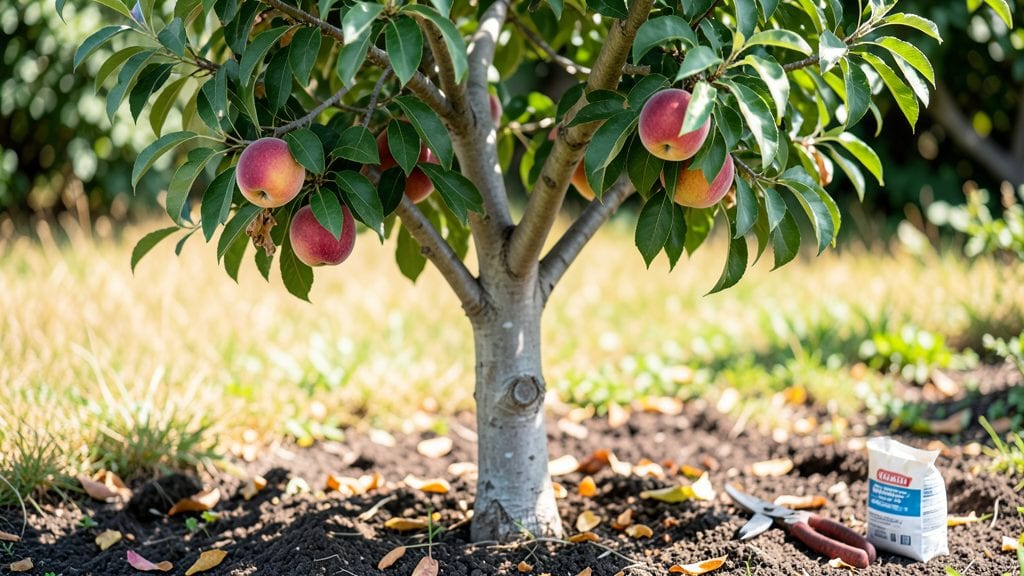
A peach tree garden turns your backyard into a fragrant, edible privacy screen that outshines any fence. 🌿 I planted mine along the property line after realizing how much I missed the scent of peach blossoms—and now it’s the centerpiece of my garden.
The dappled shade in summer and winter interest from the bark make it functional year-round, not just during harvest season.
The key is spacing them 12-15 feet apart in full sun, with companion plants like lavender or rosemary at their feet to repel pests and add texture. I paired mine with a low hedge of boxwood for a clean, modern look, but cottage gardens thrive with climbing roses intertwined.
The tree’s lush foliage blocks nosy neighbors while its spring blooms attract pollinators—it’s the ultimate multi-tasker.
By late summer, you’ll be picking sweet peaches while enjoying the rustic charm of a fruit-laden branch. The tree’s mature height creates natural privacy, and the harvest makes it pay for itself.
Plus, the scent of ripe fruit in August is something store-bought just can’t match. Ready to design your own edible living wall?
Works for small urban lots (dwarf varieties) or spacious rural plots—just adjust spacing and support. The secret is choosing the right variety for your climate and giving it room to grow. Here’s how to make it work in your space without sacrificing beauty or productivity.
📚 In This Guide
- What you need
- Instructions
- Tips and common mistakes
- Wrapping up and next steps
What you need
- ● Peach tree seedlings or bare-root saplings: 1–3 trees (depending on desired coverage; dwarf varieties like Bonanza or Redhaven work well for smaller spaces).
- ● High-quality potting soil or garden loam: 2–3 cubic yards (mix with compost for nutrient-rich soil).
- ● Organic compost or aged manure: 1–2 bags (50 lbs each) to enrich soil.
- ● Slow-release fertilizer (10-10-10 or balanced organic): 1 bag (covering 50 sq ft).
- ● Mulch (wood chips or straw): 2–3 cubic feet to retain moisture and suppress weeds.
- ● Drip irrigation system or soaker hoses: 50–100 ft (adjust based on garden size).
- ● Pruning shears: 1 pair (bypass pruners for clean cuts).
- ● Grafting tape or wound dressing: 1 roll (for healing pruning wounds).
- ● Stakes and tree ties: 3–6 stakes (4–6 ft tall) + 6–12 ties (for young trees).
- ● Pest control: Neem oil (1–2 bottles) and copper spray (for fungal issues).
- ● Soil pH test kit: Ensure your soil is slightly acidic (pH 6.0–6.5).
- ● Tree guards or protective netting: To deter pests like deer or rabbits.
- ● Post-hole digger: For planting stakes or support structures.
- ● Wheelbarrow or garden cart: For hauling soil and mulch.
- ● Garden gloves: Heavy-duty pair to protect your hands.
- ● Lime or sulfur: To adjust soil pH if needed.
- ● Decorative stakes or labels: For marking varieties (e.g., Elberta or Jubilee).
Step-by-step instructions for planting a peach tree privacy screen
Here's how to create a fragrant, seasonal screen that thrives year after year with minimal fuss.
🌱 Step 1: Select and Prepare the Planting Site
Choose a location with full sun exposure (6-8 hours daily) and well-draining soil. Peach trees need room to spread—space your 4 trees 20-25 feet apart in a straight line. I always test soil drainage first by digging a 12-inch deep hole and filling it with water; if it drains within 2 hours, the site is perfect.
Amend heavy clay soil with 3 inches of compost mixed into the top 12 inches of soil. This improves drainage and provides nutrients. Avoid low spots where water pools—peach trees hate "wet feet" and will develop root rot. Mark your planting spots with stakes to maintain proper spacing.
🪴 Step 2: Plant Bare-Root Trees at the Right Time
Plant your peach trees in late winter or early spring while they're still dormant. Soak the bare roots in lukewarm water for 2-3 hours before planting to rehydrate them. Dig holes twice as wide as the root ball but no deeper—peach trees need to sit at the same level they were in the nursery.
Place each tree in its hole, spreading roots outward gently. Fill the hole halfway with soil, then water deeply to settle it. Top with 2-3 inches of mulch (keeping it 6 inches away from the trunk to prevent rot). The mulch locks in moisture and regulates soil temperature. Stake only if necessary—young peach trees rarely need support unless in windy areas.
☀️ Step 3: Water and Fertilize for Strong Establishment
Water each tree deeply once a week for the first 2 months, then taper to every 10-14 days once established. You'll know you're watering right when the soil 6 inches down feels moist but not soggy. Overwatering is the #1 killer of young peach trees—always check before adding more.
Apply a balanced 10-10-10 fertilizer at ¼ cup per tree in early spring and again after harvest. Scratch it into the soil 6 inches out from the trunk and water thoroughly. Avoid high-nitrogen fertilizers—they promote leafy growth at the expense of fruit production. Prune out any crossing branches now to improve airflow and reduce disease risk.
✂️ Step 4: Maintain Through the Growing Season
Prune your privacy screen in late winter before buds swell, removing any dead, diseased, or crossing branches. Thin out crowded branches to let light reach the center—this prevents fungal issues and encourages stronger growth. You'll see new growth emerge within 4-6 weeks after pruning, signaling the tree is recovering well.
Watch for peach tree borers or aphids in summer. Treat infestations immediately with neem oil—I spray the undersides of leaves first, where pests hide. Thin fruit in early summer to 6-8 inches apart on each branch; this ensures larger, sweeter peaches and prevents limb breakage. Harvest when fruit yields slightly to thumb pressure (usually late summer to early fall).
⏰ Step 5: Prepare for Winter Dormancy
In late fall, apply a 3-inch layer of mulch around the base (again, keeping it clear of the trunk). This insulates roots from freezing temperatures. Water deeply before the first hard frost to ensure the tree has enough moisture to survive winter. Prune out any remaining dead wood and rake up fallen leaves to reduce disease pressure.
Peach trees need 7-8 hours of winter sunlight to break dormancy properly. If your screen blocks too much light in winter, thin out a few branches on the north side. You'll know your trees are healthy when they burst with pink blossoms in early spring—that's your cue to fertilize again and prepare for another productive season.
Tips & tricks for perfect peach tree privacy screens
Creating a fragrant peach tree privacy screen takes patience and precision—but these insider tips will help you avoid common pitfalls and ensure your trees thrive for years.
Sunlight Secret: That 6-8 hours of daily sun is non-negotiable for peach trees. If your yard gets afternoon shade, consider planting on the east side of your property where morning sun is strongest. I've seen trees struggle in partial shade—leaves turn yellow and fruit production drops dramatically. Trust me, the blooms and peaches are worth the sunlight commitment!
Soil Test Tip: Before planting, grab a handful of your native soil and squeeze it tightly. If it holds its shape like a rock when wet, you've got heavy clay that needs amending with that 3 inches of compost. For sandy soil, mix in 1 part peat moss to 3 parts native soil to improve moisture retention. This simple test saves you from planting and watching your trees struggle.
Root Rehydration Hack: When you soak those bare roots for 2-3 hours, use lukewarm water—not cold tap water that can shock the roots. I like to add a handful of my 10-10-10 fertilizer to the soaking water for an instant nutrient boost. This pre-planting soak makes all the difference in helping roots establish quickly after transplanting.
Mulch Mastery: That 2-3 inch layer of mulch you apply after planting isn't just for looks—it's a living insulation system. For the first year, I top up the mulch in late winter to maintain that 3-inch depth. Just remember to keep it 6 inches away from the trunk to prevent rot. Organic mulches like wood chips also slowly break down and improve soil quality over time.
Pro Tips for Peach Tree Garden
- Creating a fragrant peach tree privacy screen takes patience and precision—but these insider tips will help you avoid common pitfalls and ensure your trees thrive for years.
- Sunlight Secret: That 6-8 hours of daily sun is non-negotiable for peach trees.
- Soil Test Tip: Before planting, grab a handful of your native soil and squeeze it tightly.
Frequently asked questions
Got questions about creating your own peach tree garden? You’re not alone! Here are some of the most common queries—plus expert answers to help you grow a thriving, fragrant privacy screen with ease.
How long does it take for a peach tree to grow into a privacy screen?
A peach tree typically reaches 8–12 feet tall within 3–5 years with proper care. For faster results, plant multiple trees in a staggered row or choose dwarf varieties (like ‘Bonanza’ or ‘Redhaven’) that mature sooner. Patience pays off—your fragrant blooms and lush foliage will create a stunning, natural screen in no time!
When is the best time to plant a peach tree for a privacy screen?
Plant your peach tree in early spring (just as buds swell) or late fall (before the first frost). Avoid extreme heat or cold—root systems need time to establish before stress. Pro tip: Amend the soil with compost and mulch heavily to retain moisture and protect roots during the first critical year.
What pests or diseases should I watch for in a peach tree garden?
Peach trees are resilient but can attract peach tree borers, aphids, or powdery mildew. Prevent issues with:
- Neem oil sprays (for pests)
- Pruning for airflow (to reduce mildew)
- Regular inspections (check undersides of leaves!)
Can I grow peach trees in containers for a small garden?
Yes! Dwarf varieties like ‘Bonanza’ or ‘Sanguinole’ thrive in large containers (at least 20+ gallons). Use well-draining soil and repot every 2–3 years. Place containers in full sun and water deeply when the top inch of soil dries. Just remember: Container trees may need extra winter protection in cold climates.
Will my peach tree produce fruit if I plant it for privacy?
Absolutely—but focus on ornamental varieties if fruit isn’t your goal! Trees like ‘Redhaven’ or ‘Elberta’ yield delicious peaches, while ‘Bonanza’ or ‘Flavor Grenade’ are bred for both beauty and fruit. If you want a low-maintenance screen, choose non-fruiting cultivars like Prunus persica ‘Bonanza’ (still fragrant and lush!).
Wrapping up and next steps
A peach tree garden isn’t just a dream—it’s a fragrant, year-round privacy screen that brings beauty, shade, and delicious rewards to your backyard. 🌸 From selecting the right variety to nurturing your trees through every season, you now have the tools to create a thriving, low-maintenance oasis.
The best part? Your hard work will pay off in sweet harvests and a space that feels like a private retreat.
Ready to roll up your sleeves? Start by planting your first sapling this spring—or sketch out your garden layout today!
Whether you’re a seasoned gardener or a curious beginner, every step you take brings you closer to that lush, peach-scented paradise. Your future self (and your neighbors) will thank you! 🍑✨