Trees
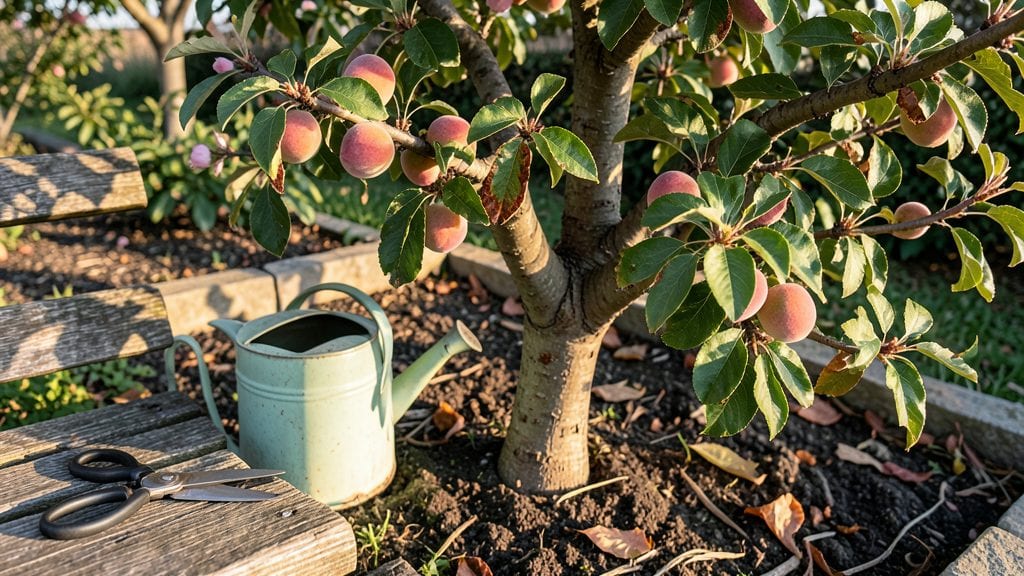
Peach tree rust turns your fruit tree into a rust-colored mess if you don’t catch it early. 🌿 I’ve seen this fungal infection spread like wildfire—one year, half my peach tree leaves looked like they’d been dipped in orange paint, and the fruit never ripened properly.
The good news? This isn’t a death sentence, but it does require quick action to save your harvest.
The culprit is a fungus called Tranzschelia discolor, which thrives in wet, humid conditions. You’ll spot it as tiny orange pustules on the undersides of leaves, often appearing in spring when rains linger.
Left unchecked, it weakens the tree, reduces fruit quality, and can even kill branches over time. The key to stopping it? A mix of pruning, sanitation, and organic sprays before the spores take over.
With the right approach, you can restore your tree to full health—think deep green leaves, heavy fruit set, and no more rusty surprises. I’ll walk you through how to identify the problem, prune infected areas, and use copper-based sprays or neem oil to knock out the fungus for good.
The best part? These methods work without harsh chemicals, so your peaches stay safe to eat.
Whether you’re dealing with a first-time outbreak or a recurring battle, this guide covers everything from early signs to long-term prevention. Resistant varieties and proper spacing can even help future-proof your orchard. Let’s get your peach tree back in fighting shape!
The Hidden Triggers Behind Tree Spots
Peach tree rust isn’t just a random misfortune—it’s a fungal party crashing your orchard, and understanding its why is the first step to kicking it out for good. This sneaky pathogen thrives when conditions align like a perfect storm, turning your lush peach tree into a buffet of infection.
Let’s break down the real culprits behind those ugly orange spots.
The fungus responsible for peach tree rust—Tranzschelia discolor—lives for moisture. When leaves stay damp for more than 9 hours, spores germinate like popcorn, spreading rapidly.
Heavy rain, fog, or even morning dew can create the ideal breeding ground. Why? The fungus needs water to release its spores and penetrate leaf tissue, turning your tree into a soggy, spotty mess.
Actionable insight: If your area is prone to prolonged dampness, prioritize organic fungicides or proactive pruning to limit damage.
Peach trees under stress—whether from nutrient deficiencies, poor drainage, or competing plants—become easy targets. Weak trees can’t mount a strong defense, making them prime real estate for fungal invaders. Common stressors:
- Compacted soil (restricts root growth)
- Imbalanced pH (too acidic or alkaline)
- Waterlogging (roots suffocate)
- Pests (aphids, mites weaken leaves)
The fungus spots these vulnerabilities and moves in, exploiting the tree’s weakened state.
Actionable insight: Test your soil’s pH and nutrients—aim for a 6.0–7.0 pH and well-draining soil to keep your tree fighting fit.
Rust spores are lightweight and airborne, but they also hitch rides on wind, water, or even garden tools. If nearby trees or fallen leaves harbor the fungus, your peach tree is at risk. Overwintering spores on dead leaves or debris can reinfect your tree the next season. How?
- Wind carries spores up to 100+ feet.
- Rain splashes spores onto healthy leaves.
- Pruning tools can transfer spores between trees.
Without intervention, the cycle repeats yearly.
Actionable insight: Remove and destroy infected leaves before they drop—burn them or compost in a sealed bin away from your orchard.
While rust loves moisture, it also needs moderate warmth (60–80°F) to thrive. If your peach tree’s leaves dry slowly—thanks to thick foliage or shade—the fungus gets extra time to colonize. Why? Warm, humid conditions accelerate spore germination and growth.
Actionable insight: Improve air circulation with strategic pruning and avoid overwatering. If your tree is in a low-light area, consider copper-based sprays as a preventive measure.
Next up: How to fight back with natural remedies that actually work.
Quick Fixes for Tree Spots
Fungal infections like peach tree rust can feel overwhelming, but with the right approach, you can restore your tree’s health—naturally and effectively. Below, we’ve mapped out practical solutions tailored to the root causes (overwatering, poor airflow, or weak immunity) so you can act fast.
Prevention tips are woven in to keep future outbreaks at bay.
---
If soggy soil or poor drainage is fueling the fungus, adjust your watering habits and improve airflow around the base.
#### 💧 Step 1: Adjust Watering Schedule - Stop watering from above—fungus thrives in wet foliage.
Instead, use drip irrigation or a soaker hose at the tree’s base. - Water deeply but less frequently (1–2 times per week, depending on climate) to encourage strong root growth and reduce surface moisture. - Pro Tip: 🌡️ Water in the early morning so leaves dry quickly—this cuts down on fungal spores’ chances to spread.
#### 🏗️ Step 2: Improve Drainage & Mulch Smartly - If your soil feels compacted, amend it with compost or organic matter (like aged manure or coconut coir) to boost drainage. - Remove old mulch near the trunk and replace it with a 2–3 inch layer of wood chips or straw, keeping it 6 inches away from the tree’s base to prevent rot. - Avoid wet mulch—it traps moisture.
Opt for dry, chunky mulch that allows airflow.
---
Weak trees or crowded branches create the perfect breeding ground for rust. Strengthen your tree’s defenses and open up its canopy.
#### 🍃 Step 3: Prune for Better Airflow - Remove any crossing, dead, or diseased branches (sterilize pruners with rubbing alcohol between cuts). - Thin out dense foliage to improve airflow—aim for light penetration to the inner branches. - Pro Tip: ✂️ Prune in late winter or early spring (before rust season peaks) to give your tree a head start on recovery.
#### 💪 Step 4: Feed with Organic Fertilizers - Balanced organic fertilizer (like a 5-5-5 or 3-4-6 blend) in early spring promotes strong, rust-resistant growth. - Avoid high-nitrogen fertilizers—they encourage soft, susceptible new growth.
Instead, opt for phosphorus-rich options (like bone meal) to bolster root health. - Compost tea (brewed from worm castings or aged compost) can be sprayed on leaves as a foliar feed for extra immunity.
---
Once the fungus takes hold, act fast with organic treatments and sanitation to stop its spread.
#### 🍄 Step 5: Apply Organic Fungicides Use these DIY or store-bought options to treat existing spots: - Baking soda spray: Mix 1 tbsp baking soda + 1 tsp horticultural oil + 1 tsp soap per gallon of water.
Spray every 7–10 days (best in early morning). - Neem oil: A natural fungicide and growth regulator, neem oil (1–2% concentration) smothers spores. Spray weekly until new growth appears. - Copper fungicide (organic version): Products like copper soap or copper hydroxide disrupt fungal cell walls.
Follow label rates for safety. - Pro Tip: 🌿 Rotate treatments—fungus can build resistance, so alternate between neem, copper, and baking soda sprays.
#### 🧹 Step 6: Clean Up Infected Debris - Rake and remove all fallen leaves, fruit mummies, and infected branches from under the tree. Burn or compost them separately (not in your garden). - Sterilize tools after pruning with rubbing alcohol or a 10% bleach solution to prevent cross-contamination. - Disinfect the area: Spray the soil around the tree with a 1:10 bleach-water mix (rinse after 10 minutes) to kill lingering spores.
---
Stop rust before it starts with these easy habits:
- 🌡️ Monitor humidity: Use a hygrometer to keep humidity below 70%—fungus loves damp air.
A fan on low near the tree in hot months can help. - 🍑 Choose resistant varieties: If replanting, pick rust-resistant peach cultivars like ‘Redhaven’ or ‘Elberta’ (check local agricultural extensions for region-specific recommendations). - 🐞 Encourage beneficial insects: Ladybugs, lacewings, and parasitic wasps prey on pests that weaken trees.
Plant dill, fennel, or marigolds nearby to attract them. - 🌱 Plant companion trees: Oaks, pines, or walnuts can improve airflow and shade the ground, reducing moisture levels.
--- Remember: Consistency is key! Fungal diseases like rust don’t vanish overnight, but with proactive care, your peach tree can bounce back stronger than ever. 🌟
Frequently asked questions about peach tree rust
What do peach tree rust spots actually look like?
Peach tree rust appears as small, orange-yellow pustules on the undersides of leaves, often surrounded by yellow halos. These spots eventually turn brown and may crack open, releasing rust-colored spores. In severe cases, leaves curl or drop prematurely, leaving your tree vulnerable to other pests.
Can I still harvest fruit from a rust-infected peach tree?
Yes, but the quality may suffer. While the fungus primarily attacks leaves, heavy infections can reduce fruit size and sweetness. Harvest fruit as soon as it ripens to minimize stress on the tree. If rust is severe, prioritize treatment next season to restore full production.
How often should I spray my peach tree with fungicide?
For organic sprays like neem oil or copper fungicide, apply every 7–14 days during peak rust season (spring through early summer). Start treatments before you see symptoms—prevention is easier than cure! Always spray in the early morning for maximum effectiveness.
Will pruning alone fix peach tree rust?
Pruning helps by improving airflow, but it’s not a standalone solution. Remove infected branches, but combine pruning with fungicide sprays and sanitation (like removing fallen leaves). The fungus spreads quickly, so address all three factors simultaneously for best results.
Are there rust-resistant peach tree varieties?
Yes! Some cultivars like 'Redhaven' and 'Elberta' show better resistance. Check with your local agricultural extension for region-specific recommendations. Even resistant varieties benefit from preventive care—think of it as giving your tree a natural armor boost.