
Light Requirements
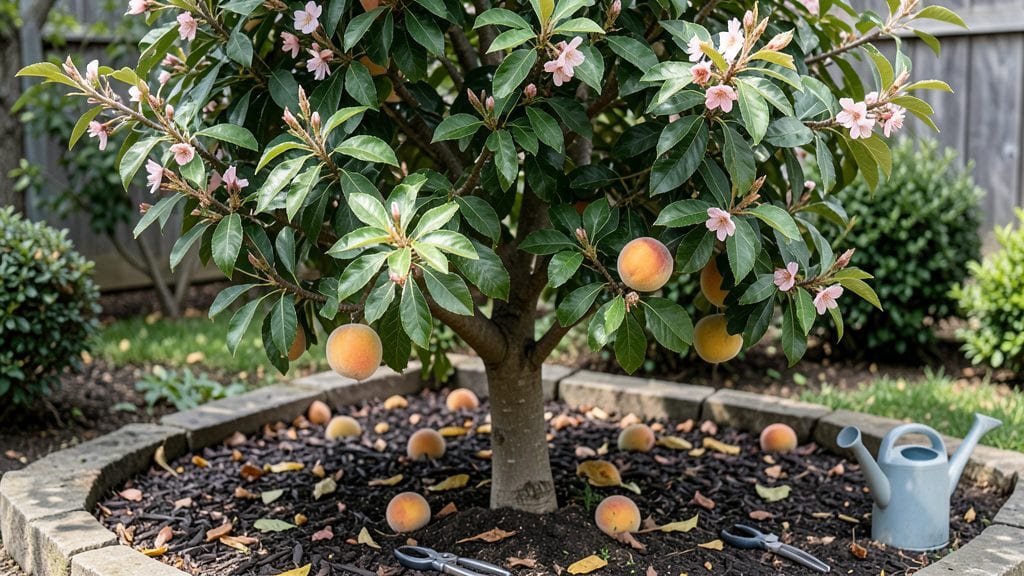
Meeting your peach tree’s sun requirements is the key to turning those blossoms into sweet, juicy fruit—not just a few, but a full harvest every season.
Picture this: You’ve planted your 🍑 in spring, watered it faithfully, and even pruned it just right—but by summer, the fruit stays tiny or drops before ripening. That’s not bad luck; it’s a sun problem.
Peach trees need 6 to 8 hours of direct sunlight daily, and cutting corners here means missing out on the harvest you’ve been waiting for.
But here’s the catch: too much scorching heat in Zone 6a or more can stress the tree just as much as too little. The trick isn’t just slapping it in the sunniest spot—it’s balancing light, shade, and even wind protection to keep your tree thriving from April through August.
In this guide, I’ll break down exactly how much sun your peach tree craves, how to spot when it’s getting too much (or too little), and the simple tweaks that’ll turn your tree into a fruit-producing powerhouse—no guesswork required.


How many hours of sun do peach trees need daily for optimal fruit growth?
Peach trees are sun-worshippers, and their fruit production depends heavily on adequate sunlight. Most varieties thrive with 6 to 8 hours of direct sun daily, but some dwarf or cold-hardy types tolerate partial shade.
Without enough light, your tree may produce small, tart fruit—or worse, no fruit at all. Understanding these sunlight requirements is key to unlocking that sweet harvest you dream of.
Sunlight isn’t just about warmth—it’s the fuel for photosynthesis, the process that turns light into energy for your tree. During fruit development, peach trees need even more energy to grow juicy, flavorful peaches.
In hot climates, afternoon shade can prevent leaf scorch, but morning sun is non-negotiable for optimal growth. Let’s break down the exact hours your peach tree needs and how to adjust for your climate.
| Peach Tree Type | Daily Sunlight Needs | Seasonal Adjustments | Fruit Quality Impact |
|---|---|---|---|
| Standard Varieties (e.g., Elberta, Redhaven) | 6–8 hours full sun | Morning sun + afternoon shade in hot zones | Large, sweet, high yield |
| Dwarf Varieties (e.g., Bonanza, Contender) | 5–6 hours full sun | Tolerates partial shade but yields less | Smaller fruit, lower sugar content |
| Cold-Hardy Varieties (e.g., Reliance, Frost) | 6–7 hours full sun | Needs extra sun in cooler climates | Firmer, tart fruit in shade |
| All Varieties (Flowering Phase) | 6+ hours full sun | Critical for blossoming success | Poor sun = fewer flowers = fewer peaches |
If you’re growing standard peach varieties like Elberta or Redhaven, aim for 6 to 8 hours of direct sunlight daily. These trees are powerhouses when it comes to fruit production, but they need the energy to fuel those juicy, sweet peaches.
In hotter climates, like USDA Zones 8–10, providing afternoon shade can prevent leaf burn while still allowing morning sun to kickstart photosynthesis.
For dwarf varieties, such as Bonanza or Contender, 5 to 6 hours of sun is sufficient, though they’ll produce fewer peaches in partial shade. These trees are ideal for small gardens or containers, but don’t expect the same flavor or size as their full-sun counterparts.
If you’re in a cooler climate, like USDA Zone 5 or 6, prioritize morning sun to help the tree warm up and start its day strong.
One of the biggest mistakes gardeners make is assuming all shade is equal. Dappled shade from nearby trees can still provide enough light, but dense shade—like under a thick canopy—will stunt growth and reduce fruit quality.
If your peach tree is already planted in a shady spot, consider relocating it or pruning nearby trees to open up the canopy. Even a few extra hours of sun can make a dramatic difference in yield and sweetness.
Seasonal adjustments are crucial, especially during fruit development. In spring, when your tree is flowering, ensure it gets full sun exposure to encourage pollination and fruit set. As summer progresses, monitor the tree for signs of heat stress, like curled leaves or wilting.
If your area gets intense afternoon sun, a lightweight shade cloth (30–50% coverage) can protect the tree without cutting off all light.
The science behind this is fascinating: photosynthesis peaks when light intensity is high, but too much heat can damage the tree’s chlorophyll. This is why morning sun is ideal—it provides the energy the tree needs without the risk of leaf scorch that comes with afternoon heat.
In cooler regions, like the Pacific Northwest, peach trees may need supplemental light in winter to break dormancy and prepare for spring growth.
If you’re growing peaches in a container, sunlight becomes even more critical. Containers dry out faster and have limited root space, so your tree will rely heavily on direct sunlight to compensate.
Place your potted peach tree in a south-facing location and rotate it occasionally to ensure even sun exposure. Without enough light, container-grown peach trees often produce small, underripe fruit or fail to fruit altogether.
Pro tip: Observe your peach tree’s leaves for clues. Deep green, vibrant foliage means it’s getting enough sun, while yellowing or pale leaves signal a deficiency. If you notice fewer flowers or small, hard peaches
Signs your peach tree isn’t getting enough sun (and how to fix it)
Peach trees are sun-hungry plants that demand at least 6 to 8 hours of direct sunlight daily to produce sweet, juicy fruit. When deprived, they send distress signals through their leaves, branches, and fruit development.
If your tree looks leggy, sparse, or produces tiny peaches, it’s likely begging for more sunlight.
One of the first signs of sun deprivation is pale or yellowing leaves, especially on the lower branches. These leaves may also appear smaller than usual and lack the deep green color that indicates healthy photosynthesis.
Without enough light, your tree struggles to convert sunlight into energy, stunting its growth and reducing fruit quality.
⚠️
Another red flag is poor flowering or blooms that fail to develop into fruit. Peach trees require sunlight to trigger bloom formation in early spring. If your tree flowers sparsely or drops blossoms early, it’s likely not getting enough light.
Even if fruit sets, it may remain small, misshapen, or underripe due to insufficient energy production.
Check the fruit size and color—sun-deprived peaches often stay green longer and develop a mealy or watery texture. The lack of sunlight prevents the tree from producing the sugars needed for sweetness and firmness.
If your peaches taste bland or lack the classic peachy aroma, your tree may need more sun.
To fix sun deprivation, start by pruning nearby trees or structures that cast shade. If relocating isn’t an option, consider thinning the canopy of overhanging branches to allow more light to reach the lower limbs.
For container-grown peach trees, move them to a sunnier spot or use reflective surfaces like white walls to bounce extra light onto the tree.
If your garden simply lacks sufficient sunlight, opt for dwarf peach varieties like 'Bonanza' or 'Redhaven,' which tolerate slightly less light than standard trees. Pair this with regular pruning to encourage upward growth toward available light sources.
With these adjustments, your peach tree can bounce back and produce the abundant, flavorful harvest you’re dreaming of. 🌱