Pruning
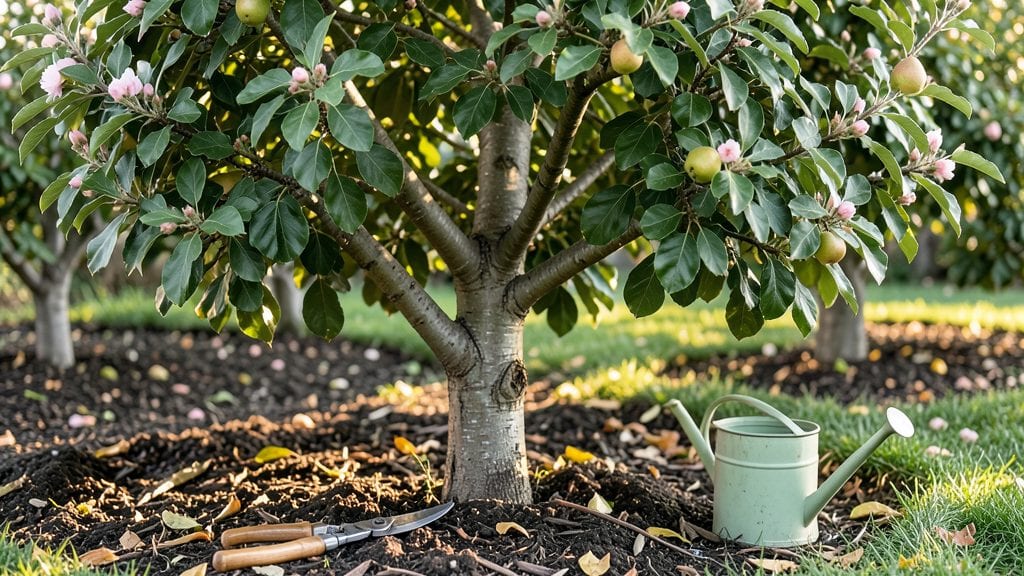
My pear tree maintenance routine starts with two simple truths: healthy blooms mean better fruit, and neglect shows up fast. 🌿 I’ve watched trees go from lush canopies to bare branches in just two seasons—don’t let that happen to yours.
The key is matching care to the tree’s natural rhythm, from winter pruning to summer pest checks, and knowing when to step in before problems take root.
You’ll need basic tools—a sharp pruning saw, gloves, and horticultural oil for pests—but the real investment is time. Most gardeners skip spring soil checks or ignore early signs of fire blight, and that’s when trees struggle.
I learned the hard way that a 10-minute weekly scan for curled leaves or oozing cankers saves months of cleanup later. Cold-hardy varieties like Bartlett need winter protection, while subtropical types like Asian pears demand summer shade.
By summer’s end, you’ll have a tree that bursts with fruit and flowers instead of fighting diseases. The branches will spread just right for sunlight, the soil will hold moisture without drowning roots, and you’ll spot pests before they spread.
Even better, the first harvest tastes sweeter when you’ve nurtured the tree through every season.
Works for backyard orchards, urban lots, or even container-grown dwarf pears. Let’s get that tree thriving—before next year’s blossoms fade too soon.
📚 In This Guide
- What you need
- Instructions
- Tips and common mistakes
- Wrapping up and next steps
What you need
- ● Pruning shears: Bypass pruners (sharp, 6–8" blades) for small branches.
- ● Loppers: 1–2 pairs (8–12" cutting capacity) for thicker branches (up to 2" diameter).
- ● Pruning saw: Curved-tooth saw for branches 2–4" thick.
- ● Extension pole: 6–10 ft telescoping pole with saw attachment for high branches.
- ● Gloves: Heavy-duty, cut-resistant gloves (e.g., leather or reinforced fabric).
- ● Disinfectant: 70% isopropyl alcohol or bleach solution (1 part bleach to 9 parts water) to sterilize tools between cuts.
- ● Fertilizer: Balanced 10-10-10 or 20-20-20 granular fertilizer (spring/early summer).
- ● Organic options: Compost, well-rotted manure, or slow-release pellets (e.g., fish emulsion).
- ● Mulch: 2–4 inches of organic mulch (wood chips, straw, or pine bark) to retain moisture and suppress weeds.
- ○ Pruning sealant (optional): Tree wound dressing (e.g., Tanglefoot or pruning paste) for large cuts over ½" diameter.
- ● Tree ties or stretchy bands: ¼" wide, biodegradable bands for supporting young branches.
- ● Know your pear tree’s variety (e.g., Bartlett, Anjou) and age—young trees need lighter pruning.
- ● Check the weather forecast—avoid pruning during wet or freezing conditions.
- ● Have a clean workspace: Lay down tarps or old sheets to collect debris.
Step-by-Step pear tree maintenance for year-round health
Here’s the straightforward approach I’ve used to keep my pear trees thriving—from spring blooms to winter resilience.
🌱 Step 1: Prune in Late Winter for Strong Growth
Start by removing dead, diseased, or crossing branches first—they’ll only compete with healthy growth. Use clean, sharp pruners to make cuts just outside the branch collar (the swollen area where the branch meets the trunk). This prevents unsightly stubs and reduces disease entry points.
Next, thin out excessive branches to improve airflow and sunlight penetration. Aim to keep an open center with scaffold branches spaced evenly around the trunk. I target 15-20% of the tree’s total branches for removal—never take more than that in one season. You’ll see new buds forming along the remaining branches within weeks.
☀️ Step 2: Fertilize and Mulch in Early Spring
Apply a balanced 10-10-10 fertilizer around the tree’s drip line (the edge of the tree’s canopy) in early spring when buds begin to swell. Spread 3 cups evenly, then water deeply to help nutrients soak into the soil. Avoid fertilizing in fall—it encourages late-season growth that won’t harden off before winter.
Add a 3-inch layer of organic mulch (like wood chips) over the root zone, keeping it 6 inches away from the trunk. This retains moisture, regulates soil temperature, and suppresses weeds. Check mulch levels every few months—it breaks down over time and needs replenishing.
💧 Step 3: Water Deeply During Drought and Fruit Development
Pears need deep, infrequent watering—1-2 inches per week during dry spells. Water at the base of the tree, avoiding the foliage to prevent fungal diseases. I use a soaker hose for 1-2 hours to ensure moisture reaches 12-18 inches deep into the soil. You’ll know you’ve done it right when the soil feels damp but not soggy down to your wrist.
Increase watering during fruit development (late spring to summer) to support heavy loads. Stress from drought can cause fruit to drop prematurely. If your tree’s leaves start curling or wilting, it’s a sign of thirst—act fast to restore moisture.
✂️ Step 4: Thin Fruit and Monitor for Pests in Summer
When pears are golf-ball sized, thin them to 6-8 inches apart along the branch. This ensures larger, higher-quality fruit and reduces stress on the tree. Remove misshapen or damaged fruit first—these won’t ripen well and compete with healthier pears.
Check for pear psylla, aphids, or borers regularly. Treat infestations early with neem oil or insecticidal soap, focusing on the undersides of leaves where pests hide. A strong spray of water can also dislodge aphids. Healthy trees with good airflow rarely suffer severe pest issues.
🌿 Step 5: Prepare for Winter with Protective Care
Before the first frost, remove fallen leaves and debris from the base of the tree to reduce disease risk. Wrap the trunk of young trees (under 3 years old) with tree guard to protect against rodent damage and sunscald. Mature trees usually don’t need wrapping unless your winters are brutally cold.
Apply a thin layer of mulch (1-2 inches) in late fall to insulate roots. Avoid piling mulch against the trunk—this can trap moisture and cause rot. Prune lightly in late winter (just before buds swell) to shape the tree and remove any deadwood that might harbor pests over winter.
Tips & tricks for perfect pear tree maintenance
Keeping your pear tree healthy year-round takes just a few key strategies—here's how to avoid common pitfalls and maximize results.
Pruning Precision: In Step 1, when removing those 15-20% of branches, focus on creating an open vase shape rather than a dense canopy. This improves airflow and sunlight penetration, which directly impacts fruit quality. I've seen trees with poor pruning develop fungal issues because of trapped moisture in dense foliage. Make your cuts just outside the branch collar—this small detail prevents unsightly stubs that can invite disease.
Fertilizer Timing: The early spring application of 3 cups of 10-10-10 fertilizer is crucial, but don't apply it too early. Wait until buds begin to swell—this signals the tree is ready to use the nutrients. I've learned the hard way that fertilizing too soon can encourage tender new growth that gets damaged by late frosts. Always water deeply after applying to help nutrients reach the roots.
Watering Wisdom: Those 1-2 inches per week during dry spells might seem like a lot, but pears need deep watering to develop strong roots. I use a soaker hose for 1-2 hours to ensure moisture reaches 12-18 inches deep. A quick visual check: if the soil feels damp but not soggy down to your wrist, you've hit the right moisture level. The key is consistency—don't let the soil dry out completely between waterings, especially during fruit development.
Pest Prevention: When monitoring for pests in Step 4, pay special attention to the undersides of leaves where pear psylla and aphids hide. I've found that a strong spray of water in the early morning can dislodge many pests before they become a problem. For more serious infestations, neem oil or insecticidal soap applied in the evening works best—it gives the solution time to work before the sun evaporates it.
Pro Tips for Pear Tree Maintenance
- Keeping your pear tree healthy year-round takes just a few key strategies—here's how to avoid common pitfalls and maximize results.
- Pruning Precision: In Step 1, when removing those 15-20% of branches, focus on creating an open vase shape rather than a dense canopy.
- Fertilizer Timing: The early spring application of 3 cups of 10-10-10 fertilizer is crucial, but don't apply it too early.
Frequently asked questions
When is the best time to prune a pear tree?
The ideal time to prune a pear tree is late winter or early spring (just before buds swell but before new growth starts). This timing promotes healthy growth and reduces disease risk. Avoid pruning in fall—it can invite pests and fungal infections. For summer pruning, focus on removing water sprouts or shaping, but keep it minimal.
How often should I prune my pear tree?
Young pear trees (under 5 years) need annual pruning to establish structure. Mature trees (5+ years) can be pruned every 2–3 years, focusing on dead, diseased, or crossing branches. Light maintenance (removing suckers or water sprouts) can be done year-round but avoid heavy pruning during fruiting seasons.
Why are my pear tree’s leaves turning yellow or dropping?
Yellowing leaves (chlorosis) or premature drop often signal nutrient deficiencies (like iron or zinc), overwatering, or root issues. Check soil moisture—pears prefer well-draining soil. If leaves curl or have spots, it could be fire blight or powdery mildew. Prune affected branches 6–12 inches below the damage and sterilize tools to prevent spread.
Can I prune a pear tree too much?
Yes! Over-pruning (removing more than 25% of the canopy in one season) stresses the tree, reducing fruit production and inviting pests. Stick to selective pruning—focus on opening the center for airflow, removing deadwood, and thinning crowded branches. Thin out (cut back to a bud) rather than shearing for a natural shape.
Are there any alternatives to traditional pruning tools?
While hand pruners, loppers, and saws are essential, you can use long-handled pruners for taller branches and pole saws for high limbs. For large-scale maintenance, consider hiring a certified arborist—especially for mature trees. Never use hedge trimmers; they create jagged cuts that heal poorly.
How do I encourage more fruit on my pear tree?
Fruit production thrives with proper pruning + nutrition. Thin out excessive fruit clusters (leave 6–8 inches between pears) to improve size/quality. Apply a balanced fertilizer (10-10-10) in early spring and mulch (2–4 inches) to retain moisture. Cross-pollination helps too—plant a second pear variety nearby if your tree isn’t already self-pollinating.
Wrapping up and next steps
Keeping your pear tree thriving is all about consistent care—from seasonal pruning to pest management and proper watering. With the right tools, techniques, and a little patience, you’ll enjoy bountiful blooms and delicious fruit for years to come! 🌳✨
Ready to take action? Start with a quick inspection of your tree this weekend—check for dead branches, pests, or overgrowth. Small steps now will set the stage for a healthy, productive pear tree in the seasons ahead!