
Diseases
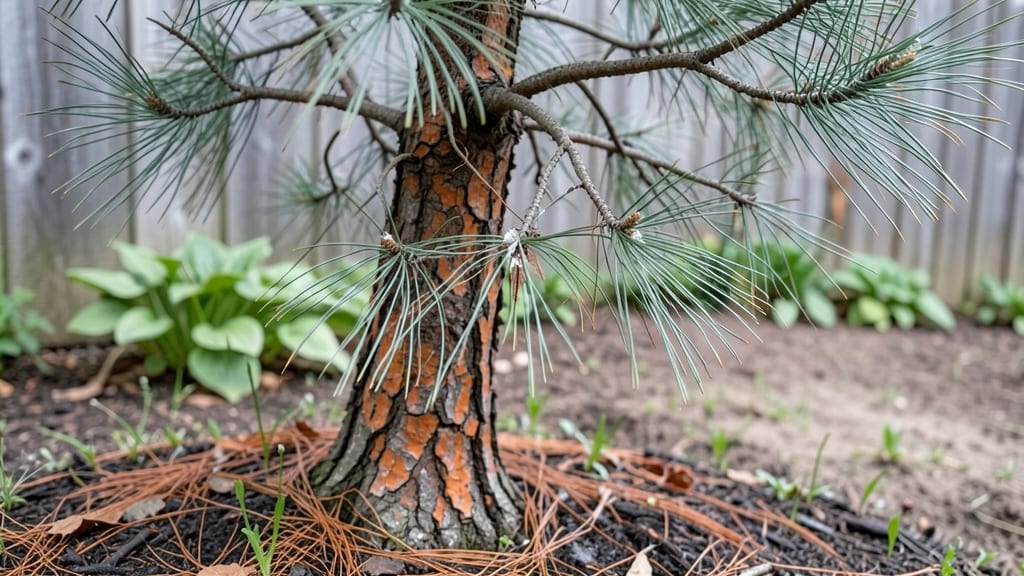
Spot those purple-brown needles or odd bark holes—because these aren’t just quirks of your pine, and the right pictures of pine tree diseases could save it. blight, rust, and beetle damage are shockingly subtle until you see them side by side.
This guide cuts through the confusion with real photos and clear labels so you can spot the problem before it spreads.
The wrong diagnosis leads to wasted treatments—like spraying for fungus when you actually need to call an exterminator for bark beetles. Most issues start with stress: drought, poor soil, or overcrowding weakens trees, making them easy targets.
Once you recognize the pattern—say, needles turning yellow in bands or bark peeling like sunburn—you can act fast. Prevention is easier than cleanup, and I’ll show you the organic fixes that work without harsh chemicals.
You’ll walk away knowing exactly which disease is attacking your tree, how to stop it, and what to do if it’s already too late. The photos highlight early symptoms so you can catch problems before they ruin your tree’s health.
Think of it as a field guide for your backyard—no more guessing games when your pine’s needles start looking suspicious.
Whether you’re dealing with a single branch or a whole grove, the solutions here adapt to your situation. Some fixes take minutes; others require patience. The key is acting before the tree’s defense system collapses. Let’s get those pines back to their best—and keep them that way.
Root Causes Behind Pine Tree Ailments
Understanding why pine trees develop diseases starts with recognizing their vulnerabilities. These evergreens face threats from a mix of biological, environmental, and human-induced factors. Let’s break down the key reasons behind their struggles—so you can spot the warning signs early and take action.
Pine trees are prime targets for fungi, which thrive in moist, warm conditions. These microscopic invaders exploit weak spots in the tree’s defenses, leading to visible symptoms like needle browning, cankers, or resin leaks.
- Pathogens like Fusarium or Leptographium attack through wounds (e.g., from pruning or storms), spreading through the vascular system and blocking nutrient flow.
This causes disease symptoms like wilting needles or stunted growth. - Needle cast fungi (e.g., Lophodermium spp.) overwinter in fallen needles, reinfecting the tree when conditions are damp.
Look for brown, banded needles clinging to branches—this is a classic sign. - Root rot fungi (Armillaria or Heterobasidion) thrive in compacted or waterlogged soil, suffocating roots and starving the tree. Mushrooms at the base or sudden dieback are red flags.
💡 Pro Tip: Fungi spread faster in shaded, humid areas. Improve airflow by pruning dense branches and avoid overwatering.
Insects and mites weaken pine trees by feeding on needles, bark, or sap, creating entry points for diseases. Some pests, like the pine beetle, even transmit fungal spores as they bore into the tree.
- Sap-sucking insects (e.g., pine needle scale or white pine weevil) inject toxins that cause needle discoloration.
Heavy infestations lead to premature needle drop and stunted growth. - Bark beetles (e.g., mountain pine beetle) tunnel under the bark, disrupting the tree’s ability to transport water and nutrients. Pitch tubes (resin blisters) and reddish sawdust-like frass near the base signal an attack. - Spider mites thrive in dry conditions, creating fine webbing on needles.
Their feeding causes bronzing or stippling—tiny white or yellow speckles on green needles.
🔥 Warning Sign: If you see bird activity near a pine tree, it may already be dead from beetle infestation. Act fast to remove infected trees and reduce breeding grounds.
Pine trees are resilient, but extreme conditions—whether too much or too little—can lower their resistance to disease. Poor growing conditions create stress, making them easier targets for pathogens.
- Drought or waterlogging disrupts root function. Drought-stressed trees produce less resin (their natural defense), while waterlogged roots suffocate, inviting fungal invaders like Phytophthora.
- Poor soil nutrition (e.g., low nitrogen or phosphorus) weakens the tree’s immune response. Yellowing needles (chlorosis) often signal nutrient deficiencies, especially in sandy or acidic soils.
- Air pollution or ozone damage (common in urban areas) causes stippling or flecking on needles, mimicking pest or disease symptoms. Smog-prone regions see more cases of pine needle cast due to weakened foliage.
✨ Actionable Fix: Test soil pH and amend with organic matter (like pine bark mulch) to improve drainage and nutrient availability.
Unintentional harm from landscaping, construction, or improper care opens doors for diseases. Even well-meaning pruning can create wounds that pathogens exploit.
- Improper pruning (cutting too close to the trunk or during wet weather) leaves jagged wounds that heal slowly, inviting canker fungi (Botryosphaeria spp.). Sunken, discolored bark patches are classic canker signs.
- Lawn equipment or construction trauma can strip bark or sever roots, leading to root rot or crown rot. Girdling (damaging the vascular layer) strangles the tree, causing dieback.
- Over-fertilization with high salt content (e.g., synthetic fertilizers) burns roots, making trees susceptible to Armillaria root rot. Wilting despite moist soil is a key clue.
🎯 Prevention Tip: Use sterilized tools when pruning, and apply wound dressing (like pruning sealant) to large cuts to reduce infection risk.
Pine trees are adapted to specific climates, and sudden shifts—whether too hot, too cold, or too wet—can push them past their limits.
- Late frosts or early freezes damage new growth, making trees vulnerable to snow mold (Monilinia spp.), which causes gray, fuzzy patches on needles.
- Heatwaves with low humidity stress trees, increasing susceptibility to pine wilt (caused by Bursaphelenchus nematodes). Sudden needle drop in hot spells is a warning.
- Heavy rainfall followed by drought creates ideal conditions for needle blight (Sphaeropsis spp.), leading to purple or black needle tips.
🌡️ Climate Watch: In regions with wildfire risk, heat-stressed pines produce less resin, making them more flammable—and more prone to post-fire diseases like blue stain fungus.
Even without obvious damage, a pine tree’s overall vitality plays a huge role in disease resistance. Genetics, age, and prior stress all factor in.
- Old or overmature trees have slower growth and weaker defenses, making them prime targets for heart rot (Fomes spp.), which hollows out the trunk. - Genetic susceptibility (e.g., Scots pine vs. Eastern white pine) determines how well a species resists local pathogens.
Some pines are bred for disease resistance—check local nursery recommendations. - Competition from weeds or invasive plants steals nutrients, leaving pines malnourished. Thin, sparse canopies signal poor health and higher disease risk.
💪 Boost Immunity: Regularly mulch around the base (but avoid piling against the trunk) and water deeply but infrequently to encourage strong root growth.
How to Fix Pine Tree Ailments
Pine trees are resilient, but when diseases strike, quick action can save them from decline. Below are practical, step-by-step solutions tailored to common pine tree issues—from needle blight to bark infections—along with prevention tips to keep your trees healthy long-term.
1. Needle Cast (Brown or Purple Needles Dropping)
Cause: Fungal infections like Dothistroma or Lophodermium thrive in wet, shaded conditions. How to Treat It: 🔥 Prune for Airflow – Thin out dense branches to improve sunlight and airflow.
Remove infected needles (they’re highly contagious!). 🍳 Apply Fungicide – Use a copper-based fungicide (like Bordeaux mixture) or a systemic fungicide (e.g., propiconazole) in early spring before new needles emerge. 👨🍳 Water at the Base – Avoid overhead sprinkling; water the soil directly to reduce fungal spores splashing onto needles. ⏰ Monitor & Repeat – Reapply fungicide every 4–6 weeks during wet seasons.
💡 Prevention Tip: Space trees 6–10 feet apart to prevent overcrowding, and mulch with cedar chips (natural fungicidal properties).
2.
Rust Diseases (Orange Pustules on Needles) Cause: Fungi like Cronartium or Peridermium create unsightly orange spores. How to Treat It: 🔥 Remove Infected Needles – Collect and dispose of fallen needles (don’t compost them!). 🍳 Spray with Fungicide – Use a sulfur-based fungicide or potassium bicarbonate spray (organic option) in early spring and fall. 👨🍳 Avoid Overwatering – Rust spreads faster in soggy soil; ensure proper drainage. ⏰ Check Alternate Hosts – Some rusts require Ribes (currant) or Juniper plants to complete their life cycle. Remove these plants if nearby.
💡 Prevention Tip: Solarize soil in fall by covering it with clear plastic for 4–6 weeks to kill fungal spores.
3.
Pine Pitch Canker (Oozing Resin, Sunken Lesions) Cause: Fungi (Fusarium or Leptographium) enter through wounds, causing resin buildup. How to Treat It: 🔥 Prune Infected Branches – Cut 6–12 inches below the lesion with sterilized pruners (wipe with rubbing alcohol). 🍳 Seal Wounds – Apply pruning sealant or tree wound dressing to prevent further infection. 👨🍳 Improve Tree Health – Fertilize with slow-release nitrogen (like 10-10-10) to boost immunity. ⏰ Avoid Stress – Water deeply but infrequently and mulch 3–4 inches deep to retain moisture.
💡 Prevention Tip: Inspect trees after storms—remove broken branches promptly to prevent fungal entry.
4.
Diplodia Tip Blight (Blackened Needle Tips) Cause: Diplodia pinea fungus attacks in hot, dry summers. How to Treat It: 🔥 Prune Severely Damaged Branches – Cut back to healthy green tissue (not just brown). 🍳 Fungicide Spray – Use chlorothalonil or myclobutanil in late spring when new growth appears. 👨🍳 Water Deeply – Drip irrigation is best; avoid wetting foliage. ⏰ Avoid Fertilizer Burn – Over-fertilizing weakens trees; use balanced, organic fertilizer in early spring.
💡 Prevention Tip: Plant disease-resistant varieties like Pinus sylvestris (Scots pine) if Diplodia is common in your area.
| Problem | Solution | When to Do It |
|---|---|---|
| Overcrowding | Thin trees, improve spacing | Late winter/early spring |
| Poor Drainage | Amend soil, install drainage | Fall or early spring |
| Nutrient Deficiency | Test soil, add compost/fertilizer | Early spring |
| Pest Infestations | Use neem oil or insecticidal soap | Spring & summer |
🌡️ Pro Tip: Monitor your trees monthly—early detection is key! Use a hand lens to spot fungal spores or insect damage before it spreads.
By acting fast and consistently, you can revive infected pines and protect healthy ones. Most diseases are manageable with proper pruning, fungicides, and good tree care habits—so roll up your sleeves and give your pines the TLC they deserve! 🌿💪
Frequently asked questions about pine tree diseases
How can I tell if my pine tree has a fungal disease vs. pest damage?
Fungal diseases often show as discolored needles (brown, purple, or orange bands) or oozing resin on bark, while pest damage usually includes visible holes, sawdust-like frass, or webbing on needles. Fungi thrive in wet conditions, while pests like bark beetles attack stressed trees during drought. Check for mushrooms at the base (fungal root rot) or bird activity (beetle-killed trees).
Are there any organic ways to treat pine tree diseases?
Yes! For fungal issues, use neem oil or potassium bicarbonate spray (1 tablespoon per gallon of water). Mulch with cedar chips (natural fungicide) and improve airflow by pruning dense branches. For pest control, apply insecticidal soap or kaolin clay to disrupt feeding. Always remove infected needles or branches promptly to prevent spread.
Why do some pine trees get diseases while others nearby stay healthy?
Healthy pines resist diseases better due to genetics, proper spacing (6–10 feet apart), and balanced soil nutrition. Stressed trees—from drought, poor drainage, or overcrowding—produce less resin (their natural defense), making them vulnerable. Even minor wounds (like pruning cuts) can invite fungi if not sealed properly. Focus on preventative care like mulching and deep watering.
Can I save a pine tree if it’s already dead from disease?
Unfortunately, once a pine tree is fully dead (no green needles, brittle branches, or hollow trunk), it’s beyond saving. However, you can remove it safely to prevent spreading spores or attracting pests. For partially affected trees, act fast with pruning, fungicides, and improved care—some recover if caught early. If in doubt, consult a local arborist for a second opinion.
How often should I inspect my pine trees for diseases?
Check your trees monthly during growing seasons (spring to fall) and quarterly in winter. Look for early signs like needle discoloration, unusual spots, or resin buildup. Use a hand lens to spot fungal spores or tiny pests. After storms, inspect for broken branches (wounds that invite disease). Proactive checks catch problems before they spread.