
Diseases
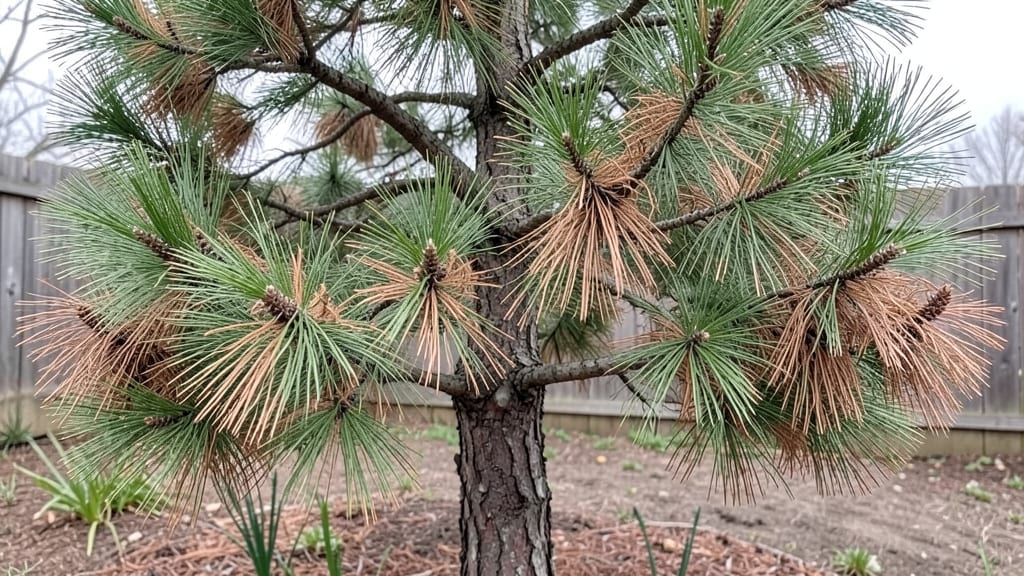
Those pine tree diseases causing your brown needles aren’t just unsightly—they’re a cry for help from your tree. 🌲 I’ve watched entire branches turn from vibrant green to dull brown in just a few weeks, and I’ll show you how to diagnose. the problem fast and fix it before it spreads.
The most common culprits are needle blight, fungal infections, or environmental stress like drought or poor drainage. Each leaves its own clues: tiny black spots for blight, rust-colored patches for fungi, or dry, brittle needles for stress.
The good news? You can often turn things around with targeted treatments—no heavy-duty chemicals needed.
Start by pruning the worst-affected branches, then apply a foolproof mix of copper fungicide for blight or a deep watering for drought stress. Within weeks, you’ll see fresh green growth pushing through, and those brown needles will start to fade. The key is acting before the problem takes hold.
If your tree is massive, the disease is spreading fast, or you’re unsure what’s wrong, call in a professional arborist. But for most backyard pines, these 3 simple steps will bring them back to life—no green thumb required.
Root Causes Behind Needle Discoloration
When your pine tree’s needles turn brown, it’s rarely a random act of nature—it’s usually a sign that something specific is stressing the tree. Understanding the why behind this issue is the first step to fixing it.
Below, we break down the most common culprits, from environmental factors to hidden pests, with clear explanations of how they damage your tree’s health.
Pine trees are tough, but they have limits. Extreme conditions—whether heat, cold, drought, or even too much water—can cause needles to brown prematurely. Here’s how each factor plays a role:
- Drought Stress: Pine trees, especially native species like Pinus sylvestris (Scots pine), rely on consistent moisture to transport nutrients. When soil dries out, the tree’s vascular system struggles to deliver water and nutrients to the needles. This leads to desiccation—a drying-out process where needles lose their green chlorophyll and turn brown or yellow. Actionable fix: Deep watering (1–2 inches per week) during dry spells, especially for young trees with shallow roots.
- Waterlogging: While drought is harmful, too much water can suffocate roots by cutting off oxygen. This triggers anaerobic conditions, where harmful bacteria thrive and block nutrient uptake. Brown needles often appear on the lower branches first, a classic sign of root rot. Actionable fix: Improve drainage by amending soil with compost or sand, and avoid overwatering—pines prefer "dry feet."
- Temperature Extremes: Pines adapted to specific climates (e.g., Pinus strobus for cooler regions) can suffer when temperatures spike or drop abruptly. Heatwaves cause oxidative stress, while sudden freezes damage cell membranes in needles, leading to browning. Actionable fix: Mulch around the base to regulate soil temperature and provide shade during heatwaves.
Pro Tip: 💡 If browning follows a recent weather event (e.g., a heatwave or frost), monitor the tree for 2–3 weeks. If new growth remains green, the damage may be temporary.
Some of the most destructive causes of brown needles are tiny, unseen pests that feed on sap, disrupt nutrient flow, or inject toxins. Here’s how they wreak havoc:
- Needle Cast Fungi (e.g., Lophodermium species): These fungi thrive in humid conditions and produce dark, web-like structures on needles, causing them to brown and drop prematurely. The fungus inhibits photosynthesis by clogging stomata (pores) with spores. Actionable fix: Prune and dispose of infected needles in the fall, and apply copper fungicide in early spring before spores spread.
- Pine Needle Scale (Chionaspis pinifoliae): These sap-sucking insects cluster on needles, injecting toxins that turn them brown and stunted. Heavy infestations weaken the tree, making it susceptible to secondary pests. Actionable fix: Blast off scales with a horticultural oil spray in late winter (before they reproduce) or introduce parasitic wasps (natural predators).
- White Pine Weevil (Pissodes strobi): The larvae of this beetle burrow into the leader (main stem) of young pines, causing the top needles to brown and die. Adult weevils chew into bark, creating entry points for disease. Actionable fix: Prune and destroy infested leaders in early summer, and apply systemic insecticides like imidacloprid as a preventive measure.
Pro Tip: 🔥 Inspect the undersides of needles with a magnifying glass—look for tiny eggs, webbing, or black sooty mold (a fungus that grows on pest excretions). Early detection = easier treatment!
Pine trees need specific nutrients to stay vibrant, and a deficiency in just one can trigger browning. Here’s what to watch for:
| Deficiency | Symptoms | Cause | Fix |
|---|---|---|---|
| Nitrogen (N) | Pale yellow or brown needles, especially on new growth. | Poor soil, over-fertilization with phosphorus-heavy mixes, or compacted soil. | Apply a slow-release nitrogen fertilizer (e.g., 10-10-10) in early spring. |
| Magnesium (Mg) | Brown or purple needles with interveinal chlorosis (yellowing between veins). | Acidic soil or over-fertilization with potassium. | Spread Epsom salt (magnesium sulfate) around the base in fall. |
| Iron (Fe) | Yellowing between veins (similar to magnesium but often on younger needles). | Alkaline soil or waterlogged conditions. | Use chelated iron supplements or plant in slightly acidic soil (pH 5.0–6.5). |
Pro Tip: 🌡️ Test your soil before fertilizing—overcorrecting a deficiency can burn roots. Local extension offices often offer affordable soil tests.
Some browning is caused by pathogens that invade the tree’s tissues, disrupting its ability to photosynthesize or transport water. These are often the hardest to diagnose but respond well to targeted treatments:
- Diplodia Tip Blight (Sphaeropsis sapinea): This fungus attacks the tips of needles, causing them to turn brown and die back. It thrives in wet conditions and can spread to cones and branches. Actionable fix: Prune infected branches (sterilize tools with rubbing alcohol) and apply copper fungicide in spring.
- Bacterial Needle Blight (Pseudomonas species): Water-soaked brown spots on needles that ooze when wet are a red flag. Bacteria enter through wounds or natural openings, clogging vascular tissue. Actionable fix: Remove infected needles immediately and avoid overhead watering. Copper bactericides can help, but prevention (proper pruning) is key.
- Armillaria Root Rot (Honey Fungus): If browning is accompanied by shelf-like fungi at the base of the tree, this aggressive pathogen is likely at work. It decays roots, cutting off water and nutrients. Actionable fix: Sadly, infected trees often need removal. For nearby pines, apply phosphite fungicides to slow spread.
Pro Tip: ✨ When in doubt, send a sample to a local arborist or extension service. They can test for pathogens and recommend precise treatments.
Revive Your Pine Tree Now
Brown needles on your pine tree aren’t just an eyesore—they’re a cry for help! But don’t panic. With the right approach, you can nurse your tree back to health and prevent future damage.
Below, we’ve mapped out practical fixes for the most common causes of browning needles, along with prevention tips to keep your pine tree thriving.
If your pine tree’s needles are turning brown from the tips inward, lack of water is often the culprit—especially in sandy or rocky soil.
💧 Step-by-Step Revival Plan
- Deep Watering Technique 🔥
- Water slowly and deeply (1–2 inches per week) to encourage roots to grow downward.
- Use a soaker hose or drip irrigation to avoid runoff and ensure moisture reaches the root zone.
- Mulch Like a Pro 🍳
- Apply 2–4 inches of organic mulch (pine straw, wood chips, or bark) around the base (but keep it 6 inches away from the trunk).
- Mulch retains moisture and regulates soil temperature—critical for drought-prone pines.
- Adjust Watering in Extreme Heat 🌡️
- During heatwaves, water early in the morning (before 10 AM) to reduce evaporation.
- Avoid overwatering, which can suffocate roots—stick your finger 2 inches into the soil; if it’s dry, water again.
- Root Stimulator Boost (Optional) ✨
- Mix a root growth stimulator (like liquid seaweed or mycorrhizal fungi) into the soil to strengthen roots.
💡 Prevention Tips
- Group pines together to create a microclimate that retains moisture.
- Avoid compacting soil around the base—use a garden fork to loosen it occasionally.
- Water deeply but less frequently—pines hate soggy roots but thrive with consistent moisture.
If brown needles appear speckled, yellowed, or covered in black spots, a fungal infection is likely the villain.
🧼 Fungal Disease Fix
- Prune Infected Branches 🔪
- Remove and destroy (don’t compost!) branches with heavy discoloration or spores.
- Sterilize pruners with rubbing alcohol between cuts to prevent spread.
- Fungicide Application 🛡️
- Spray with a copper-based fungicide (like Copper Sulfate) or a neem oil solution (1 tbsp neem oil + 1 quart water + a drop of dish soap).
- Apply early morning or late evening to avoid burning needles in sunlight.
- Reapply every 2–4 weeks during wet seasons.
- Improve Air Circulation 🌬️
- Thin out overcrowded branches to reduce humidity near the foliage.
- Space pines 6–10 feet apart when planting new trees.
- Soil pH Check 📊
- Test soil pH—most pines prefer slightly acidic soil (pH 5.0–6.5).
- Amend with sulfur (to lower pH) or lime (to raise it) if needed.
💡 Prevention Tips
- Water at the base (avoid wetting needles) to discourage fungal spores.
- Clean up fallen needles around the tree to remove fungal habitats.
- Plant resistant varieties (e.g., Mugo pines are less prone to rust than some others).
If brown needles are accompanied by tiny eggs, frass (sawdust-like debris), or chewed tips, pests are likely munching on your tree.
🐜 Pest Control Solutions
- Handpick or Shake Off Larvae 👨🍳
- For needle cast sawfly larvae, shake branches over a tarp and dispose of them in soapy water.
- Check undersides of needles for eggs (tiny white ovals) and scrape them off.
- Hose Down Infestations 💦
- Blast pests with a strong stream of water to dislodge them (do this early morning).
- Repeat every 3–5 days during outbreaks.
- Natural Pesticides 🌿
- Bt (Bacillus thuringiensis) – A bacteria-based spray safe for pets and kids; effective against caterpillars.
- Insecticidal soap – Spray directly on pests (test on a small branch first).
- Diatomaceous earth – Sprinkle around the base (reapply after rain).
- Attract Predatory Insects 🐞
- Plant nearby flowers (like dill, fennel, or marigolds) to lure ladybugs and parasitic wasps, which eat pine pests.
💡 Prevention Tips
- Inspect trees weekly during spring/summer for early signs of pests.
- Avoid over-fertilizing—weak trees attract more pests.
- Install light traps (if bark beetles are a problem) to catch adult beetles.
If browning occurs suddenly after a freeze, heatwave, or near a road, environmental factors are likely to blame.
🌡️ Environmental Stress Solutions
- Protect from Frost ❄️
- Avoid pruning in late summer/fall—new growth is more vulnerable to cold.
- Shade from Scorching Sun 🌞
- If needles are
- Mulch heavily to keep roots cool.
- Flush Salt Buildup 🧼
- If near a
- Apply gypsum (calcium sulfate) to improve soil structure and reduce salt damage.
💡 Prevention Tips
- Avoid planting pines in full sun in hot climates—opt for partial shade.
- Test soil for salt (especially in urban areas) and amend with compost.
- Choose cold-hardy varieties (e.g., Eastern White Pine for northern climates).
If your pine tree: ✅ Loses more than 30% of its needles in one season. ✅ Shows signs of bark splitting or oozing sap (possible beetle infestation). ✅ Fails to respond to treatment after 2–3 months.
…it’s time to consult an arborist for a deeper diagnosis.
Your pine tree can bounce back—just give it the right care! Start with the fix that matches your tree’s symptoms, and soon you’ll see lush green needles returning. 🌲✨
Frequently asked questions
Why are my pine tree needles turning brown from the tips first?
This is often a classic sign of drought stress or Diplodia tip blight, a common fungal disease. Check the soil moisture—if it's bone dry, your tree needs deep watering (1-2 inches per week). For fungal issues, prune affected tips and apply copper fungicide in spring.
Can I save my pine tree if half its needles are already brown?
Yes, but act fast! Start by pruning dead branches (sterilize tools with rubbing alcohol) and focus on the root cause. For drought: deep water + mulch. For pests/fungi: targeted sprays. If 30%+ of needles are gone or the tree shows signs of decay, consult an arborist.
How do I tell if brown needles are from pests vs. disease?
Look closely! Pests often leave tiny eggs, webbing, or chewed tips (check needle undersides). Diseases show black spots, rust-colored patches, or sticky residue. Shake branches over a tarp—if you see frass (sawdust-like debris), pests are likely. For diseases, inspect for fungal growth at branch junctions.
Is it safe to use chemical treatments on my pine tree?
Use organic options first—copper fungicide, neem oil, or insecticidal soap are effective and safer. For severe cases, systemic treatments like imidacloprid (for pests) may be needed, but follow label instructions precisely. Always test sprays on a small branch first to avoid burning needles.
How often should I fertilize a pine tree with brown needles?
Pines typically need fertilizer once a year (early spring), but only if soil tests show deficiencies. Over-fertilizing can worsen stress! Use a balanced 10-10-10 formula or targeted amendments (like Epsom salt for magnesium). Avoid high-nitrogen fertilizers—they encourage soft growth vulnerable to pests.