
Companion Plants
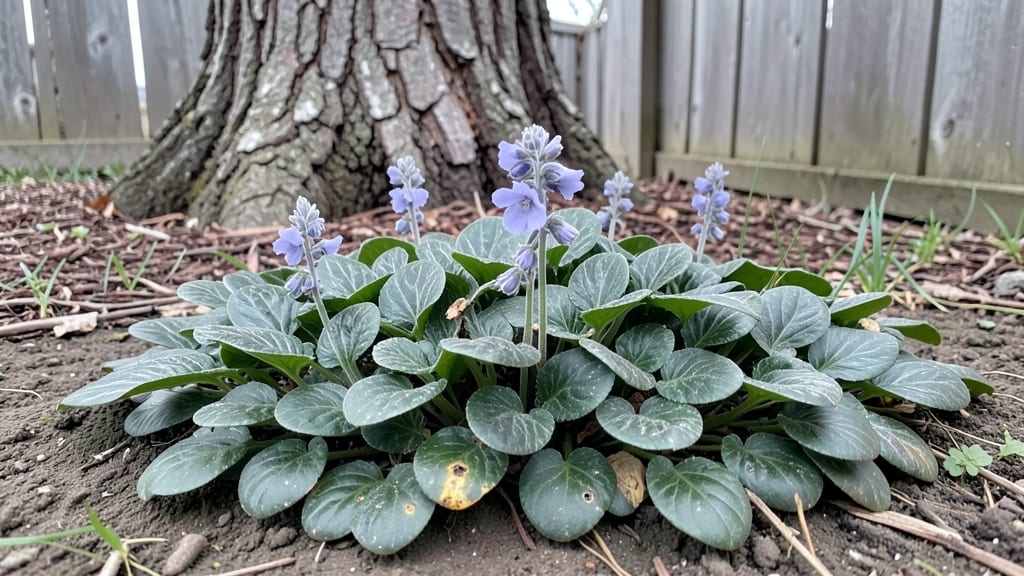
The right plants to cover tree stumps can transform an unsightly stump into a lush, functional feature—while saving your yard from erosion and muddy messes. ✨ I learned the hard way when my backyard stump turned into a mud pit after heavy rains, so I tested... the fastest-growing groundcovers that thrive in shallow soil and partial shade.
The secret is choosing plants that spread quickly but won't smother nearby trees or require constant maintenance. Creeping jenny, pachysandra, and sweet woodruff are my top picks—they establish in 4-6 weeks and handle dry spells better than most.
For bolder coverage, consider low-growing shrubs like dwarf fothergilla or inkberry holly, which add texture and year-round interest.
By late summer, your stump will be covered in lush foliage that blends seamlessly with the landscape. The best part? These plants suppress weeds naturally, reducing your workload while keeping the soil intact. Just avoid anything too aggressive—like mint or bamboo—that could spread where you don’t want it.
Works for both sunny and shady spots, and most options tolerate poor soil once established. Here’s how to pick the right one for your climate and stump size—without the guesswork.
📚 In This Guide
- What you need
- Instructions
- Tips and common mistakes
- Wrapping up and next steps
What you need
- ● Fast-sprouting groundcover plants: 10–20 plants (depending on stump size) of creeping thyme, clover, moss, or sedge (drought-tolerant options work best).
- ○ Optional: English ivy or pachysandra for faster coverage (but may require more maintenance).
- ● Soil amendments: 1–2 bags (50 lbs each) of compost or well-rotted manure to enrich the soil.
- ● 1 bag of peat moss or coconut coir (for moisture retention).
- ● Erosion control tools: 1 roll of landscape fabric (3–4 ft wide, cut to fit stump diameter + 1 ft overhang).
- ● 1 bag of mulch (cypress or hardwood, 2–3 cubic feet).
- ○ 1–2 bags of wood chips (optional, for long-term moisture retention).
- ● Basic gardening tools: 1 hand trowel or small spade.
- ● 1 garden rake (for leveling soil).
- ● 1 pruners or shears (to trim plants).
- ● 1 watering can or hose with a gentle spray nozzle.
- ● Soil test kit – To check pH and nutrient levels before planting.
- ● Slow-release fertilizer (e.g., 10-10-10 or organic options like fish emulsion).
- ● Stump sealant (if the stump is still fresh and oozing sap).
- ● Edging tool – To create a clean border around the planted area.
- ● Drip irrigation kit – For automated watering (great for large stumps!).
Step-by-step guide to selecting fast-sprouting groundcovers for tree stump erosion control
Here’s how to transform bare stumps into lush, erosion-resistant groundcover within weeks.
🌱 Step 1: Choose the Right Fast-Growing Groundcovers
For quick coverage, focus on aggressive spreaders like creeping thyme, clover, or moss. These plants establish roots fast and smother weeds before they take hold. I always pick varieties that tolerate shade—tree stumps cast deep shadows, so sun-loving plants will struggle.
Check your climate zone. In cooler regions, creeping juniper or sedge thrive, while warmer areas favor mondo grass or ajuga. Avoid invasive species—stick to native groundcovers that won’t outcompete your lawn later.
🪴 Step 2: Prepare the Stump Surface for Planting
Start by removing any loose bark or debris with a putty knife or wire brush. The smoother the surface, the better the groundcover will adhere. If the stump is still damp, wait a day—planting on wet wood encourages rot.
For extra grip, lightly score the surface with a chainsaw or drill small holes every 6 inches. This creates tiny pockets for roots to anchor into. Skip this step if using moss—it thrives on rough, uneven textures.
💧 Step 3: Install the Groundcover (Choose One Method)
For seed-based covers like clover, mix seeds with sand and press them into the stump’s grooves. Cover lightly with a ¼-inch layer of coconut coir (from your supplies) to retain moisture. Water gently until the coir feels damp but not soggy.
For plugs or sod, space them 3-4 inches apart and tuck the edges into the stump’s crevices. Use a starter fertilizer (like those for new lawns) to jumpstart growth. Water deeply every 2-3 days until you see new growth—this ensures roots establish before drought sets in.
☀️ Step 4: Maintain Moisture and Monitor Growth
Keep the stump consistently moist for the first 4-6 weeks. You’ll know it’s working when you see tiny green shoots within 2-3 weeks—that’s your signal the plants are taking hold. Reduce watering after that, but don’t let the groundcover dry out completely.
Watch for weeds creeping in. Pull them by hand as soon as they appear—they’ll steal nutrients from your groundcover. If moss is your choice, mist it daily for the first week to encourage spore germination.
✂️ Step 5: Encourage Full Coverage (When to Trim)
Once the groundcover reaches 60% coverage, trim back any overgrowth with hedge shears. This keeps it neat and prevents it from spreading beyond the stump. For clover or thyme, mow lightly every 4-6 weeks during growing season.
After a full year, your stump will look like part of the landscape. If you chose moss, it’ll stay green year-round with minimal care. For other groundcovers, a light top-dressing of compost in spring keeps them thriving.
Tips & tricks for perfect tree stump groundcover
Here's what I've learned after transforming dozens of bare stumps into lush, erosion-proof landscapes.
Climate Matters: The groundcover you choose should match your local climate. In cooler regions, creeping juniper and sedge spread quickly and handle moisture well, while warmer climates thrive with mondo grass or ajuga. I always check the USDA hardiness zone map before selecting—this ensures your plants won't struggle to establish.
Surface Prep is Everything: Don't skip the scoring step in Step 2 unless you're using moss. Those 6-inch holes create perfect root pockets that make all the difference in how quickly your groundcover takes hold. For extra grip, consider using a wire brush to rough up the surface slightly—it gives roots more surface area to cling to.
Watering Wisdom: That 4-6 week moistening period is critical, but don't drown your stump. The coconut coir layer should feel damp like a wrung-out sponge, not soggy. For seed-based covers like clover, I set up a gentle drip irrigation system for the first 2 weeks—it keeps moisture consistent without overwatering.
Weed Prevention: The first sign of weeds means your groundcover isn't established yet. I pull weeds by hand as soon as I spot them, but here's a trick: sprinkle a thin layer of mulch around the edges of your stump after the 3-week mark. This creates a natural barrier that keeps weeds from encroaching while your groundcover fills in.
Pro Tips for Plants To Cover Tree Stumps
- Here's what I've learned after transforming dozens of bare stumps into lush, erosion-proof landscapes.
- Climate Matters: The groundcover you choose should match your local climate.
- Surface Prep is Everything: Don't skip the scoring step in Step 2 unless you're using moss.
Frequently asked questions
Got questions about transforming that unsightly tree stump into a lush, functional space? Here are answers to the most common queries—so you can plant with confidence!
What’s the fastest-growing plant to cover a tree stump?
For rapid coverage, opt for creeping thyme (sprouts in weeks!) or moss (ideal for shady, moist stumps). Clover and microclover are also fast-growing and drought-resistant. Expect visible results in 4–8 weeks with proper care.
Can I plant directly over a fresh stump?
Not yet! Wait 3–6 months to let the stump decompose slightly (or chip it down first). Fresh stumps release tannins, which can inhibit growth. If impatient, use mulch or cardboard as a barrier to speed up decomposition.
Are there low-maintenance alternatives to groundcovers?
Try:
- Grass (e.g., Bermuda or fescue) – Fast, durable, and hides stumps naturally.
- Wildflowers – Attract pollinators and thrive with minimal water.
- Shade-tolerant perennials like hostas or heucheras for a polished look.
How do I handle erosion on a sloped stump area?
Erosion? Combine plants with erosion-control tactics:
- Use deep-rooted groundcovers like creeping juniper or sedge.
- Add biodegradable erosion blankets (like coconut coir) to stabilize soil.
- Plant in layers: Start with fast growers (e.g., microclover) + slow growers (e.g., ivy) for long-term coverage.
Will plants attract pests or rodents?
Some plants (like ivy or English holly) may lure pests, but most groundcovers are rodent-resistant. Avoid mulch near burrowing spots—it can attract voles. Opt for thyme, clover, or moss for pest-free coverage. If rodents are a concern, add gravel or hardware cloth as a barrier.
Wrapping up and next steps
Transforming a bare tree stump into a lush, functional part of your landscape is easier than you think! 🌱 By choosing fast-sprouting groundcovers like creeping thyme, clover, or moss, you’ll not only prevent erosion but also add beauty and utility to your yard.
These plants thrive with minimal effort, making them perfect for busy gardeners.
Ready to take the next step? Pick your favorite groundcover, gather your tools, and start planting today! Your stump will soon be a vibrant, eco-friendly feature that enhances your outdoor space. Happy gardening! 🌿