Pests and Diseases
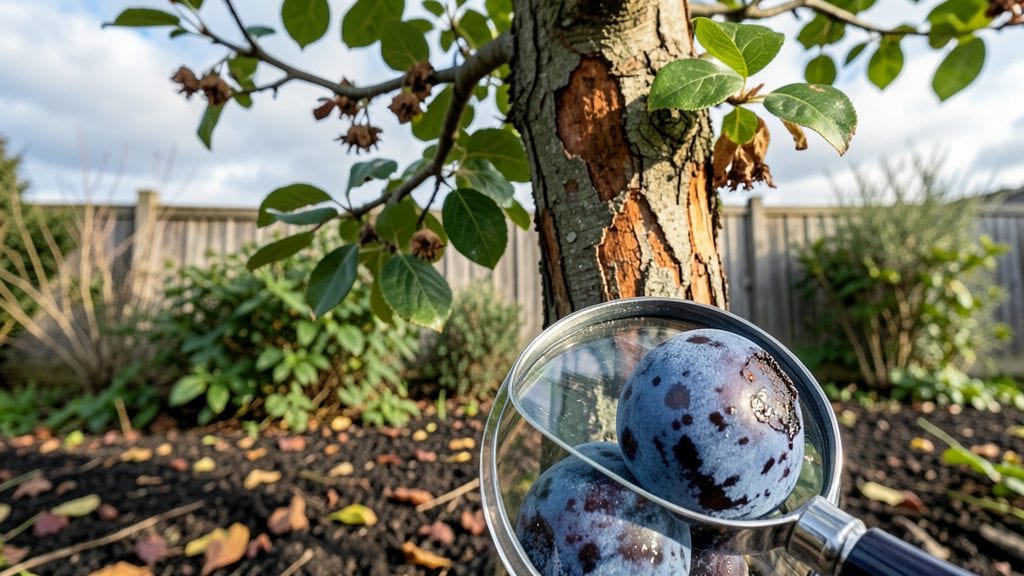
Plum trees can go from lush and fruitful to sickly in a single season if you miss the early signs of disease. 🌿 I’ve watched brown rot turn vibrant blooms into mushy messes and silver leaf disease drain a tree’s vitality overnight—these are battles you can fight without harsh chemicals.
The key is catching symptoms early and knowing which organic treatments work best for each problem.
Most plum tree diseases start with water or fungal spores finding weak spots—overcrowded branches, old pruning wounds, or thick foliage that traps moisture. My first mistake was ignoring tiny black spots on leaves until they became large, oily patches.
By then, the damage was done. But once you recognize the patterns—like brown rot’s mummy fruit or bacterial spot’s yellow halos—you can act fast with copper sprays or neem oil.
You’ll learn to prune for airflow, sterilize tools between cuts, and pick disease-resistant varieties that actually perform in your climate. The goal isn’t just to save a tree but to rebuild its health so it thrives for years.
Think of it like giving your plum tree a second chance at a strong, productive life.
This guide covers the most common threats—brown rot, silver leaf, bacterial spot—and breaks down prevention steps that take less than an hour each season. No more guessing what’s wrong or scrambling when the leaves start curling. Let’s get your trees back to their best.
Root Causes Behind Tree Ailments
Plum trees, like all fruit-bearing plants, are vulnerable to diseases due to a mix of environmental stress, biological invaders, and poor cultural practices. Understanding the why behind these issues is the first step to prevention and treatment.
Below, we break down the key factors that trigger plum tree diseases—so you can address them before they spread.
Plum trees thrive in specific conditions, and when those are disrupted, their defenses weaken, making them susceptible to infections.
- Extreme Temperatures 🌡️
- Frost Damage: Late spring frosts can kill new growth, creating wounds where pathogens like Monilinia (brown rot) or Botryosphaeria (dieback) enter the tree.
- Heat Stress: Prolonged drought weakens the tree, reducing its ability to fight off fungal infections like powdery mildew (Podosphaera oxycanta).
- Actionable Fix: Mulch heavily in winter to insulate roots and water deeply during droughts to maintain moisture levels.
- High Humidity and Rainfall - Fungal spores thrive in wet conditions. Diseases like black knot (Apiosporina morbosa) and silver leaf (Chondrostereum purpureum) spread rapidly when leaves stay damp for extended periods. - Actionable Fix: Improve air circulation with proper pruning and avoid overhead watering.
Choose disease-resistant varieties if humidity is a persistent issue.
Pathogens and pests are the primary culprits behind plum tree diseases, but they often need a helping hand from environmental or human factors to establish themselves.
- Fungal Infections 🍄 - **Brown Rot (Monilinia fructicola): This fungus infects through blossoms and fruit wounds, thriving in warm, humid weather.
Infected fruit mummifies, releasing spores that reinfect the tree. - Black Knot (Apiosporina morbosa)**: Spreads via windborne spores, forming dark, swollen galls on branches. These galls weaken the tree and block nutrient flow. - Actionable Fix: Remove and destroy infected fruit/fungal growths immediately.
Apply copper fungicide (organic option) during bud swell to prevent spore germination.
- Bacterial Diseases 🧫 - **Bacterial Leaf Spot (Xanthomonas pruni): Entering through rain-splashed wounds, this bacteria causes yellow spots that turn brown with dark margins.
It thrives in wet foliage. - Bacterial Canker (Pseudomonas syringae)**: Causes sunken, oozing cankers on branches, often entering through pruning cuts or hail damage. - Actionable Fix: Sterilize pruning tools with rubbing alcohol between cuts. Avoid wetting foliage during irrigation.
- Viral Threats 🦠 - Plum Pox Virus (PPV): Spread by aphids or contaminated tools, PPV causes stunted growth, ring spots on leaves, and reduced fruit quality.
Once infected, trees rarely recover. - Actionable Fix: Remove infected trees immediately and monitor for aphid infestations. Use neem oil as a preventive spray to deter aphids.
A plum tree’s resilience depends on its overall health. Neglect in pruning, nutrition, or soil health directly invites disease.
- Overcrowded or Poorly Pruned Branches
- Dense foliage traps moisture, creating ideal conditions for fungal growth. Weak, crossing branches also provide entry points for cankers and rot.
- Actionable Fix: Prune in late winter/early spring to remove dead, diseased, or crowded branches. Open the canopy to improve airflow.
- Nutrient Deficiencies or Imbalances - Nitrogen Deficiency: Leads to weak, yellowing leaves (chlorosis), making trees vulnerable to pests and diseases. - Excess Phosphorus: Can encourage fungal growth by altering soil pH and microbial activity. - Actionable Fix: Test soil annually and amend with compost or balanced organic fertilizer (e.g., 10-10-10).
Avoid over-fertilizing with phosphorus.
- Compromised Root Systems
- Compacted or waterlogged soil restricts root growth, weakening the tree’s immune response. Root rot (Phytophthora spp.) thrives in soggy conditions.
- Actionable Fix: Improve drainage with organic matter (compost, leaf mold) and avoid planting in low-lying areas where water pools.
Many plum tree diseases hitchhike on pests that damage the tree’s bark, leaves, or fruit, creating wounds for pathogens.
- Aphids and Scale Insects
- These sap-suckers weaken the tree and spread viral diseases like PPV. Their honeydew also promotes sooty mold, further stressing the tree.
- Actionable Fix: Blast aphids off with water spray or apply insecticidal soap early in the season.
- Borers and Bark Beetles
- Larvae tunnel into branches, creating wounds where fungal cankers (Botryosphaeria) or bacterial infections enter.
- Actionable Fix: Inspect trees for D-shaped exit holes and treat with beneficial nematodes or kaolin clay to deter beetles.
Human activity can inadvertently introduce or spread diseases between trees.
- Unsterilized Pruning Tools
- Bacteria and fungi can linger on blades, transferring from infected to healthy trees during pruning.
- Actionable Fix: Disinfect tools with 70% isopropyl alcohol or a bleach solution (1 part bleach to 9 parts water) between cuts.
- Infected Plant Material
- Buying or grafting diseased nursery stock can introduce pathogens like PPV or black knot into your orchard.
- Actionable Fix: Purchase from reputable nurseries that test for diseases. Inspect new plants for symptoms before planting.
Pollution, soil toxins, and even neighboring plants can stress plum trees, making them disease-prone.
- Air Pollution (Ozone, Sulfur Dioxide)
- Urban or industrial areas with high pollution levels can cause leaf stippling or necrosis, weakening the tree’s defenses.
- Actionable Fix: If possible, plant in a less polluted area or use antioxidant sprays (e.g., seaweed extract) to boost resilience.
- Weed Competition
- Weeds steal nutrients and moisture, leaving plum trees malnourished and susceptible to stress-related diseases.
- Actionable Fix: Mulch with wood chips or straw to suppress weeds and retain soil moisture.
Plum tree diseases rarely strike out of nowhere—they’re the result of stress + opportunity. By addressing climate conditions, biological threats, poor care, pests, and human error, you can dramatically reduce the risk of infections.
The goal? A strong, healthy tree that’s too resilient for pathogens to exploit. 🌟
Quick Fixes for Sick Plum Trees
When your plum tree shows signs of distress—whether it’s wilting leaves, mysterious spots, or stunted growth—acting fast can mean the difference between a full recovery and losing your tree. Below, we’ve mapped out practical, organic solutions tailored to the most common causes of plum tree diseases.
Follow these step-by-step guides to nurse your tree back to health and keep it thriving long-term.
Fungal diseases thrive in damp, shaded conditions and can spread rapidly if left unchecked. Here’s how to tackle them without harsh chemicals:
🔥 Remove Infected Areas Immediately
- Prune away any branches, leaves, or fruit showing signs of fungus (white powder, dark spots, or mushy rot).
- Sterilize your pruners with rubbing alcohol (70% or higher) between cuts to prevent spreading spores.
- Dispose of infected debris in the trash (not your compost bin)—fungi can survive and reinfect.
🌿 Apply Organic Fungicides Use these DIY or store-bought options to treat the tree: - Baking soda spray: Mix 1 tbsp baking soda + 1 tsp dish soap + 1 gallon water.
Spray early morning or evening (avoid direct sunlight, which can burn leaves). - Neem oil: Dilute 2 tbsp neem oil + 1 tsp mild soap + 1 gallon water. Spray every 7–10 days until symptoms fade. - Copper fungicide: A natural mineral that disrupts fungal growth.
Follow label instructions for application.
🌡️ Improve Airflow and Light
Fungi love humidity and shade. Prevent future outbreaks by:
- Thinning out dense branches to allow sunlight and air circulation.
- Watering at the base (not overhead) to keep foliage dry.
- Spacing trees properly (15–20 feet apart for plum trees) to reduce crowding.
Bacterial infections often cause oozing cankers, leaf spots, or wilting. Since bacteria can’t be cured once established, focus on containment and prevention:
🔪 Prune and Sterilize Aggressively
- Cut out infected branches at least 6 inches below the visible damage (bacteria can hide in the wood).
- Burn or bag infected prunings—do not compost them.
- Seal pruning wounds with pruning paint (optional but helps prevent reinfection).
👨🍳 Use Copper-Based Bactericides
- Copper hydroxide or copper sulfate sprays (like Copper Soap) can suppress bacterial growth.
- Apply every 10–14 days during wet seasons or after pruning.
- Pro tip: Mix with 1% hydrogen peroxide (3% food-grade) for extra antibacterial power.
🌧️ Adjust Watering Practices
Bacteria spread via water splashes. Prevent spread by:
- Watering deeply but infrequently (1–2 inches per week) to avoid soggy soil.
- Avoiding overhead irrigation—use drip irrigation or soaker hoses.
- Improving drainage around the tree base (add compost or sand if soil is clay-heavy).
Pests weaken trees, making them susceptible to secondary diseases. Here’s how to evict unwanted guests organically:
🍳 Blast Off Pests with Natural Sprays
- Soap spray: Mix 2 tbsp castile soap + 1 quart water. Spray directly on pests (aphids, mites) until they drop off.
- Neem oil (again!): Effective against soft-bodied pests like aphids and scale.
Spray every 5–7 days for 2–3 weeks. - Beneficial insects: Release ladybugs, lacewings, or parasitic wasps to naturally control pests.
🔪 Treat Borer Infestations
If you see sawdust-like frass, holes, or oozing sap, you’ve got borers:
- Drill small holes (1/8 inch) into the infested area and inject undiluted neem oil or horticultural oil.
- Apply kaolin clay (like Surround WP) to smother adult beetles and deter egg-laying.
- Wrap the trunk with aluminum foil (borers hate it!) for 6–8 weeks to suffocate larvae.
🌿 Strengthen Tree Defenses A healthy tree resists pests better.
Boost its immunity with: - Balanced fertilization: Use compost, worm castings, or organic 10-10-10 in early spring. - Mulch properly: Apply 3–4 inches of wood chips (keep mulch 6 inches away from the trunk). - Encourage beneficial microbes: Sprinkle mycorrhizal fungi on roots to improve nutrient uptake.
Once you’ve treated the problem, lock in long-term protection with these easy habits:
| Problem | Prevention Tip | When to Do It |
|---|---|---|
| Fungal diseases | Prune for airflow + apply neem oil spray every 2 weeks in humid months. | Spring & Fall |
| Bacterial infections | Sterilize tools after pruning + avoid overhead watering. | Year-round (especially wet seasons) |
| Pest outbreaks | Inspect leaves weekly + introduce beneficial insects early in the season. | Spring to Early Fall |
| Weakened tree | Test soil pH (plums prefer 6.0–6.5) + mulch annually. | Early Spring |
- Keep a garden journal: Note when symptoms appear, treatments used, and weather conditions to spot patterns.
- Rotate treatments: If one fungicide/pesticide stops working, switch to a different organic method to avoid resistance.
- When in doubt, consult a local extension service: They can test soil or tissue to confirm the exact issue.
With these targeted, organic solutions, your plum tree can bounce back—stronger and more resilient than before. 🌳💪
Frequently asked questions
What are the first signs of plum tree disease to watch for?
Look for leaf spots (yellow halos or brown patches), mummified fruit (brown rot), or swollen galls on branches (black knot). Early symptoms often appear as tiny spots on leaves or wilting blossoms before spreading. Check the undersides of leaves too—fungal spores often hide there.
Can I save a plum tree already infected with brown rot?
Yes, but act fast! Prune out all infected branches and fruit (burn or bag them), then apply copper fungicide during bud swell. For organic options, neem oil or baking soda spray can help suppress spores. Remove mummified fruit from last season’s harvest too—it’s a major spore source.
How often should I spray my plum tree to prevent diseases?
Apply preventive sprays every 2–3 weeks during bloom and fruit set (spring/summer). Focus on neem oil or copper fungicide in humid climates. For bacterial issues, copper sprays work best when applied every 10–14 days during wet seasons. Always spray in the evening to avoid leaf burn.
Are there disease-resistant plum tree varieties I should consider?
Yes! Look for Stanley, Methley, or Larry Kelley varieties—these are bred for resistance to brown rot and bacterial spot. If your area has high humidity, European plums (like Stanley) often handle fungal pressure better than Japanese plums. Check with local nurseries for varieties suited to your climate.
Why does my plum tree keep getting the same disease every year?
This usually means spores or bacteria overwintered in old debris, infected branches, or soil. Clean up fallen leaves/fruit, prune for airflow, and sterilize tools between cuts. Rotate organic treatments (e.g., alternate neem oil and copper) to prevent resistance. Also, check for stress factors like poor drainage or nutrient deficiencies.