
Trees
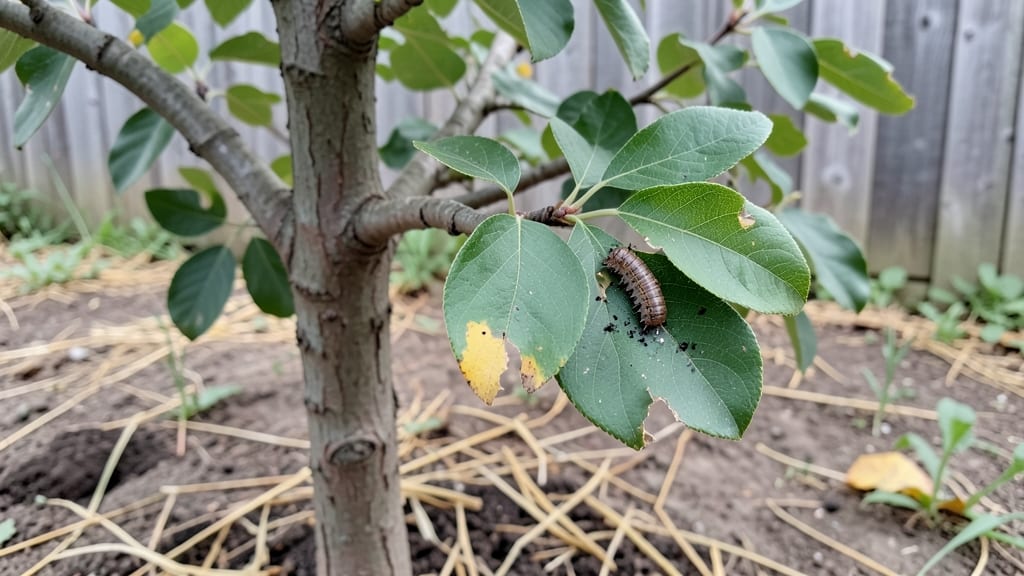
Eaten plum tree leaves 🍑 can turn your backyard oasis into a pest battleground before you even notice.
Waking up to find your plum tree leaves half-eaten can be devastating—especially when you realize it’s not just a few stray bugs but a full-blown infestation. Identifying the culprit quickly and acting fast is key to saving your tree’s health and future fruit yield.
Whether it’s hungry caterpillars, chewing beetles, or even deer browsing at night, these pests don’t just ruin the foliage—they weaken the tree’s ability to produce those sweet summer plums. The good news? With the right tools and a little know-how, you can stop the damage in its tracks.
Below, I’ll walk you through how to spot the most common culprits, fast-acting organic solutions, and long-term strategies to keep your plum tree thriving—so you can enjoy those juicy fruits for years to come.
Common pests eating plum tree leaves (and how to spot them fast)
Finding your plum tree leaves chewed into skeletonized remnants or covered in sticky residue is every gardener’s nightmare. These signs almost always point to leaf-eating pests that multiply rapidly when left unchecked. The good news? Most culprits leave distinct visual clues—if you know where to look.
I’ve spent years tracking these pests in my own orchard, and I’ll show you exactly how to identify them by sight before damage spreads.
Plum trees are magnets for four primary pests: plum curculio beetles, Japanese beetles, spotted lanternfly nymphs, and gypsy moth caterpillars. Each leaves unique destruction patterns—from notched leaf edges to silky webbing—that reveal their identity.
The sooner you spot these early warning signs, the faster you can intervene before your tree’s photosynthetic capacity (and fruit production) takes a hit.
Here’s how to differentiate them at a glance, including their life cycle stages and the telltale damage they leave behind:
The plum curculio beetle is the sneakiest—it doesn’t just eat leaves but punctures fruit with its snout, creating entry points for rot. Look for tiny scars on plums and notched leaf margins.
These beetles are most active during early morning dew, so that’s the best time to handpick them or set up beer traps. I’ve saved multiple trees by covering them with fine mesh during their June emergence.
Japanese beetles are the leaf skeletonizers you’ll spot in late June, leaving behind a lacy pattern of veins. Their metallic sheen makes them easy to identify, but their rapid reproduction means you’ll need to act fast. A soapy water spray (1 tsp dish soap + 1 quart water) works wonders if applied early in the morning when they’re sluggish from overnight chill.
If you notice black streaks on tree trunks or sticky honeydew dripping onto sidewalks, spotted lanternfly nymphs are likely the culprits. These invasive pests cluster on stems and suffocate trees by blocking sap flow.
Scrape them off with a cardboard trap coated in petroleum jelly—I’ve removed hundreds in a single afternoon using this method during their April-May hatch.
The gypsy moth caterpillar is the most destructive defoliator, and their silky webbing is unmistakable. These caterpillars strip leaves overnight, leaving your
Organic pest control methods that work within 48 hours
When your plum tree leaves are being devoured overnight, panic sets in—but quick action can save your tree. The good news? You don’t need harsh chemicals to stop the damage.
Within 48 hours, you can deploy targeted, organic strategies that disrupt pests without harming beneficial insects or your tree’s health. The key is acting fast and combining multiple methods for maximum impact.
Start by identifying the pest type (caterpillars, beetles, or aphids) to tailor your approach. For example, neem oil works wonders on soft-bodied insects like aphids, while handpicking large larvae can provide instant relief.
The goal is to create an inhospitable environment for pests while giving your plum tree a fighting chance to recover its foliage.
- 1. Neem Oil Spray: Mix 1 tbsp neem oil with 1 tsp mild soap and 1 quart water. Spray infested leaves thoroughly at dusk to avoid harming bees. Reapply every 24 hours for 3 days.
- 2. Garlic-Soap Spray: Blend 5 garlic cloves, 1 tsp castile soap, and 1 quart water. Strain and spray all leaf surfaces. The allicin repels pests while soap smothers them.
- 3. Handpick Larvae: Wear gloves and remove large caterpillars by hand, dropping them into soapy water. Focus on newly hatched clusters under leaves.
- 4. Prune Damaged Leaves: Use sterilized pruners to trim heavily chewed leaves. Dispose of clippings in a sealed bag to prevent reinfestation.
- 5. Disrupt Habitat: Apply mulch around the base to deter crawling pests. Add companion plants like marigolds or basil to confuse insects.
For aphids or mites, a strong spray of water can knock them off leaves instantly. Pair this with a homemade garlic-soap mix to deter future attacks. If you spot beetles, focus on physical barriers like row covers or sticky traps to interrupt their feeding patterns.
The faster you act, the less damage your plum tree will sustain.
Don’t forget to protect pollinators during treatment. Always apply sprays after sunset or on overcast days when bees are less active. Avoid targeting flowers directly, and opt for targeted leaf applications. Within 48 hours, you should see a noticeable reduction in pest activity if you combine these methods.
After the initial 48-hour window, monitor your plum tree closely. If pests persist, consider introducing beneficial insects like ladybugs or lacewings, which are natural predators. For long-term resilience, focus on soil health and regular pruning to reduce stress on the tree—stressed trees attract more pests.
Your plum tree’s future isn’t doomed—it’s just fighting back. With these organic interventions, you’ll not only stop the leaf damage but also create a healthier ecosystem around your tree. The sooner you act, the sooner your plum tree can bounce back with lush, pest-free foliage. 🌿