
Trees
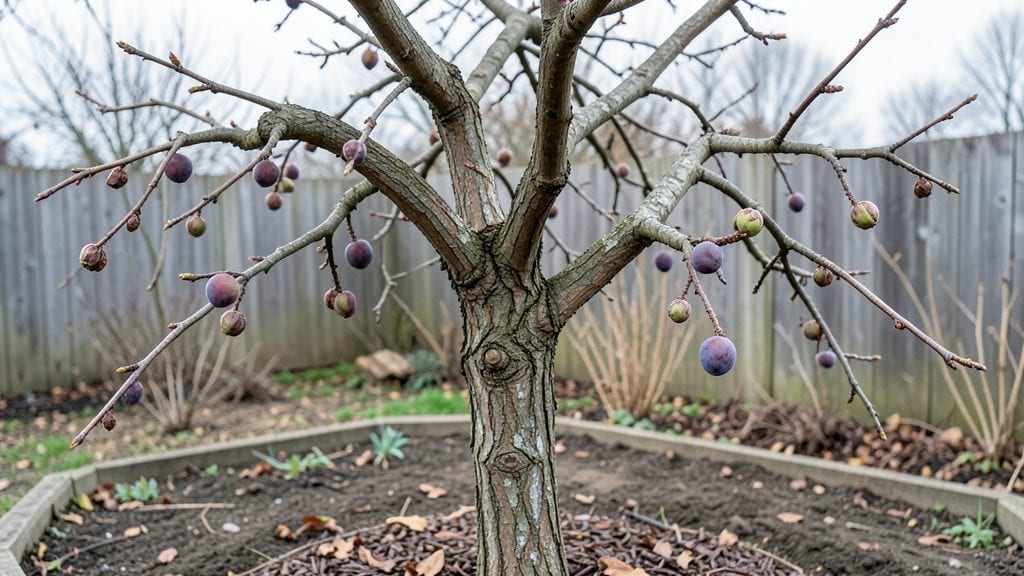
A plum tree with no leaves isn’t a death sentence—it’s a call to action. I’ve nursed back more than a few bare-branched plum trees in my backyard, and the key is understanding what’s really going on beneath the surface.
The first step is figuring out whether your tree is just resting, fighting off pests, or starving for nutrients.
Most of the time, leafless plums aren’t a mystery—it’s either dormancy, over-pruning, or root stress. I learned the hard way that aggressive winter cuts can shock a tree into dropping leaves, while drought or compacted soil can strangle roots before they even send signals upward.
The good news? Each problem has a straightforward fix, and you can often spot the clues just by looking closely at the bark and soil.
Within 4-6 weeks of proper care, you’ll start seeing fresh green shoots pushing through—sometimes even before you finish all the steps. The secret is acting fast: prune correctly, feed the roots, and protect against pests before they take hold.
By summer, your tree could be back to its usual lush self, heavy with fruit.
If the branches stay stubbornly bare after a full season of care, that’s when it’s time to call in a professional. But in most cases, this is a simple problem with a clear solution—no arborist needed. Let’s get those branches greening up again.
Root Causes Behind Leaf Loss
When your once-lush plum tree stands bare, it’s often a cry for help from its roots, branches, or overall health. Understanding why plum trees shed leaves is the first step to restoring their vitality.
Below, we break down the most common culprits—each with a scientific twist and actionable insights to diagnose the issue.
Plum trees are deciduous, meaning they naturally drop leaves in winter—but sudden freezes or late frosts can trigger premature defoliation, even in non-dormant seasons. Here’s why:
- Cold Stress: Temperatures below 20°F (-6°C) can damage cell membranes in leaves, causing them to blacken and fall. Young trees or sensitive varieties (like Stanley or Santa Rosa) are especially vulnerable.
- Freeze-Thaw Cycles: Rapid temperature swings (e.g., daytime warmth followed by nighttime frost) confuse the tree’s metabolic signals, leading to abscission (the natural shedding process).
- Winter Desiccation: Dry winter winds + cold air = transpirational pull, where water exits leaves faster than roots can replace it. Leaves curl, crisp, and drop to conserve moisture.
🔍 How to Spot It: Check for brown, papery leaves still clinging to branches or dry, brittle twigs. If the tree is otherwise healthy (green buds, no pests), cold damage is likely.
Plum trees thrive in well-draining soil, and water stress—whether drought or over-saturation—can strip them of leaves. The science behind it:
| Issue | Why It Happens | Visual Clues |
|---|---|---|
| Underwatering | Roots can’t absorb enough water to support photosynthesis. The tree abscises leaves to reduce water loss (a survival tactic). | Wilting, crispy, yellowing leaves (start at branch tips). Soil pulls away from the pot (if container-grown). |
| Overwatering | Waterlogged soil cuts off oxygen, leading to root rot (fungi like Phytophthora thrive). Roots suffocate, starving the tree of nutrients. | Yellow leaves with brown edges, mushy stems, or a sour, rotten smell at the base. |
| Poor Drainage | Compacted or clay-heavy soil traps excess moisture, mimicking overwatering. Roots girdle (strangle) the tree over time. | Leaves drop in patches; soil feels hard or slick when squeezed. |
💡 Pro Tip: Stick your finger 3 inches into the soil. If it’s dry, water deeply. If it’s soggy, hold off and improve drainage with organic matter (compost or perlite).
Hidden invaders can sap a plum tree’s strength, causing leaf drop as the tree diverts energy to fight back. Here’s what’s likely lurking:
🐛 Insect Culprits
- Plum Curculio: This beetle lays eggs in fruit and chews on leaves, triggering abscission hormones. Look for notched, skeletonized leaves and tiny brown beetles.
- Japanese Beetles: Adults skeletonize foliage (eat leaf veins, leaving a lace-like pattern). Heavy infestations force the tree to drop leaves to conserve energy.
- Aphids/Scale Insects: These suck sap, causing leaves to curl, yellow, and drop. Check for sticky residue (honeydew) on branches.
🍄 Fungal & Bacterial Threats
- Black Knot Disease: Caused by the fungus Apiosporina morbosa, it creates dark, swollen galls on branches. Infected trees drop leaves prematurely to limit spread.
- Bacterial Leaf Spot: Xanthomonas or Pseudomonas bacteria create water-soaked brown spots that expand, killing leaf tissue. Leaves fall to prevent pathogen spread.
- Root Rot (Fusarium/Phytophthora): Fungi invade roots, blocking water/nutrient uptake. Leaves yellow and drop as the tree starves.
🔍 How to Diagnose:
- Inspect undersides of leaves for pests or webbing.
- Look for unusual growths (galls), spots, or oozing sap.
- Scrape a small leaf sample onto a damp paper towel—fungus may grow in 24 hours.
Plum trees are heavy feeders, and imbalances in soil chemistry can lead to leaf loss. Here’s what’s missing—or overdoing it:
| Deficiency | Symptoms | Why It Happens |
|---|---|---|
| Nitrogen (N) | Pale yellow leaves (starting on older foliage), stunted growth. | Nitrogen fuels chlorophyll production. Without it, leaves can’t photosynthesize and drop. |
| Potassium (K) | Yellow edges/brown spots (like a "scorched" look), weak stems. | Potassium regulates water balance and disease resistance. Deficiency = cell membrane breakdown. |
| Magnesium (Mg) | Interveinal yellowing (veins stay green) on older leaves. | Magnesium is central to chlorophyll. Without it, leaves can’t produce energy and abscise. |
| Iron (Fe) or Zinc (Zn) | White/yellow patches between veins (chlorosis), small leaves. | These micronutrients are vital for enzyme function. Poor soil pH (<4.0) locks them out. |
| Toxicity (e.g., Chlorine, Salt) | Brown leaf tips, crispy edges, slow growth. | Excess salts (from tap water
Revive Your Plum Tree Step-by-StepNow that you know the likely causes behind your plum tree’s bare branches, it’s time to take action! Below are practical, step-by-step solutions tailored to each issue—plus tips to keep your tree thriving long-term. Let’s get your plum tree back to its leafy, fruit-bearing glory! If your plum tree is struggling due to drought stress, poor drainage, or compacted soil, here’s how to nurse it back to health: 💧 Step 1: Deep Watering Revival
For mature trees, dig a trench around the drip line and fill it with water to encourage deep root growth. - Pro Tip: 🌡️ Test soil moisture by sticking your finger 3 inches deep—if it’s dry, water again. Overwatering is just as harmful! 🔄 Step 2: Improve Soil Aeration & Drainage
Mix in compost or aged manure to loosen the soil. - For poor drainage: If water pools around the base, raise the soil level by adding sand or gravel in a mound (sloped away from the trunk). Avoid heavy clay amendments—they can suffocate roots. - 💡 Pro Tip: Mulch properly! Apply 2–4 inches of organic mulch (wood chips, straw) 3–6 inches away from the trunk. This retains moisture, regulates temperature, and prevents weeds—but never pile mulch against the bark (it causes rot). 🌿 Step 3: Fertilize for Recovery
For nitrogen-deficient trees, opt for a high-nitrogen option (like blood meal). - When to apply: Spring (early) and early fall—avoid fertilizing in summer heat or winter dormancy. - How to apply: Spread fertilizer evenly in a circle beyond the tree’s drip line (not touching the trunk). Water thoroughly after application. If your plum tree lost leaves due to freeze damage, late frost, or winter desiccation, these steps will help it recover: 🌡️ Step 1: Protect from Late Frosts
🚿 Step 2: Rehydrate Dormant Branches
🌿 Step 3: Prune Damaged Wood
If insects, fungal infections, or bacterial blight are to blame, act fast with these targeted fixes: 🐜 Step 1: Identify the Culprit
🧴 Step 2: Apply Natural Remedies
🔥 Step 3: Prevent Future Outbreaks
Once your plum tree is recovering, these preventive measures will keep it lush and leafy: 🌿 Step 1: Boost Growth with Pruning
🍄 Step 2: Feed for Fruit & Foliage
🌦️ Step 3: Monitor & Adapt
Final Thought: 🌟 Patience is key! Plum trees can take 1–2 seasons to fully recover, but with consistent care, your tree will bounce back stronger—and next year’s harvest will be even sweeter. Frequently asked questions
1
Why does my plum tree have no leaves in summer when others are still green?Summer leaf loss usually signals water stress or nutrient deficiency. Plum trees drop leaves to conserve moisture when roots can't absorb enough water (common in drought or compacted soil). Check for yellowing leaves or brown tips—these are classic signs. Deep watering and a balanced fertilizer can revive it within 4-6 weeks.
2
Can I prune a leafless plum tree to encourage new growth?Pruning is safe but should be light and strategic. Remove only dead, damaged, or crossing branches—never more than 25% of the canopy at once. The best time is late winter/early spring (before buds swell). Avoid heavy pruning now, as the tree needs all its energy to regrow leaves.
3
Are my plum tree’s bare branches a sign it’s dying?Not necessarily! Many plum trees lose leaves due to dormancy, frost damage, or pests—not death. Look for green buds or sprouting shoots in spring. If the bark is firm and branches snap (not crumble), the tree is likely alive. Focus on root health and proper care—most recover fully.
4
How long does it take for a plum tree to regrow leaves after losing them?With proper care, you’ll see new leaf buds in 2-4 weeks and full foliage within 6-8 weeks. Key factors: consistent watering, balanced fertilizer, and pest control. Young trees may take slightly longer, but mature plums often bounce back faster. Patience is key!
5
Will my plum tree ever produce fruit again if it’s leafless now?Yes! Fruit production depends on root health and energy reserves. If the tree’s structure is intact (no major dieback), it can recover and fruit next season. Focus on reviving roots and balancing nutrients |