
Container Gardens
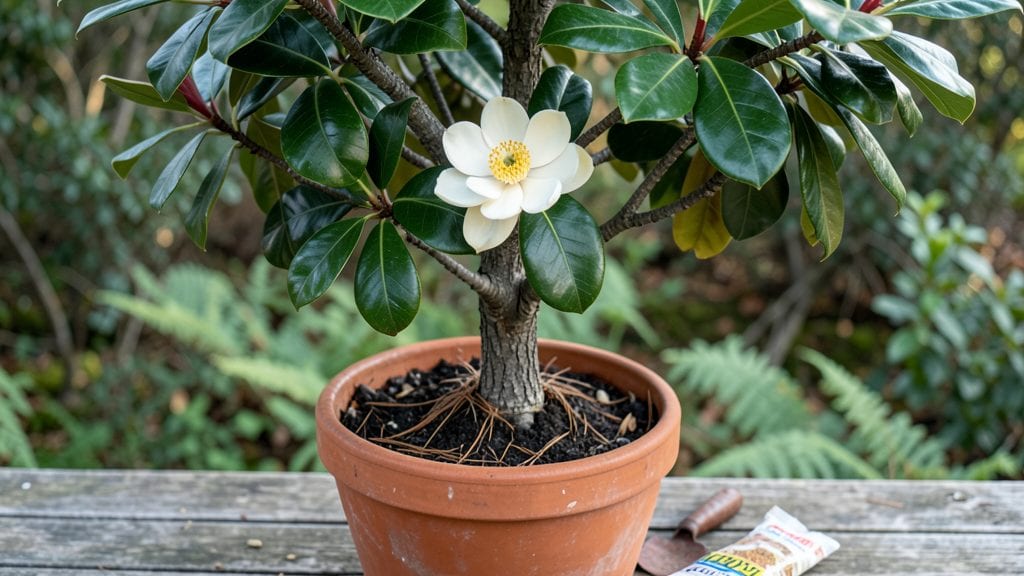
A potted magnolia tree brings Southern charm to patios and doorsteps without needing a yard. 🌿 I’ve grown mine for five years now—its glossy leaves and intoxicating spring blooms prove you don’t need roots in the ground to enjoy this showstopper.
The key is choosing the right dwarf variety and giving it the right conditions from day one.
Start with a 5-gallon container or larger, filled with fast-draining potting mix that mimics its native woodland soil. Most potted magnolias thrive in morning sun and afternoon shade, though some tougher varieties handle full sun.
Water when the top inch feels dry—overwatering is the fastest way to kill these finicky beauties.
By late spring, you’ll be rewarded with cup-shaped blooms that perfume the air for weeks. Prune spent flowers to encourage more blooms, and fertilize lightly in early spring. The secret to long-term success? Repot every 2-3 years to refresh the soil and prevent roots from circling.
Overwintering depends on your zone—hardy varieties handle frost, while tender ones need protection. With the right care, your potted magnolia will outlive most container plants and become the centerpiece of your outdoor space.
📚 In This Guide
- What you need
- Instructions
- Tips and common mistakes
- Wrapping up and next steps
What you need
- ● Potted Magnolia Tree: Choose a dwarf or semi-dwarf variety (e.g., 'Little Gem,' 'Teddy Bear,' or 'Ann') for container growing. Ensure the plant is healthy with no signs of pests or disease.
- ● Container: A large, sturdy pot (at least 15-20 gallons) with drainage holes. Terracotta or fiberglass works best for airflow.
- ● Well-Draining Potting Mix: A blend of 50% high-quality potting soil, 30% perlite or pumice, and 20% compost or peat moss to prevent root rot.
- ● Mulch: 2-3 inches of bark mulch (e.g., pine bark fines) to retain moisture and regulate soil temperature.
- ● Fertilizer: A balanced, slow-release fertilizer (e.g., 10-10-10 or 20-20-20) or an organic option like fish emulsion for potted plants.
- ● Watering Can or Hose: With a gentle spray nozzle to avoid disturbing the soil.
- ● Pruning Shears: Sharp, sterilized shears for shaping and maintaining the tree.
- ○ Support Stakes (Optional): 2-3 bamboo stakes and soft ties if your magnolia is top-heavy or young.
- ● Soil Moisture Meter: To monitor water levels without over-saturating the roots.
- ● Container Saucer or Tray: To catch excess water and prevent messes.
- ● Slow-Release Fertilizer Tablets: For hassle-free nutrition over time.
- ● Decorative Stones or Gravel: For a polished, aesthetic touch around the base.
- ● Shade Cloth (Temporary): If your magnolia is sensitive to direct afternoon sun in hot climates.
Step-by-Step instructions for growing a thriving potted magnolia tree
Here’s how to cultivate a fragrant, blooming magnolia in containers—even in small spaces.
🪴 Step 1: Choose the Right Container and Soil Mix
Select a large, heavy container with drainage holes—magnolias develop deep roots and need stability. A 24-inch diameter pot works well for dwarf varieties, while standard magnolias require at least 30 inches to prevent root binding. Avoid plastic; terra cotta or fiberglass breathes better and regulates moisture.
Fill the pot with a well-draining, acidic mix (pH 5.0–6.5). Combine 50% high-quality potting soil, 30% pine bark fines, and 20% perlite or sand for aeration. Magnolias hate soggy roots, so this blend prevents compaction while mimicking their native woodland soil. Test your mix by squeezing it—it should hold shape but crumble easily when pressed.
☀️ Step 2: Plant at the Correct Depth and Position
Dig a hole twice as wide as the root ball but no deeper than the top of the root flare (where roots meet the trunk). Gently loosen any circling roots with your fingers—this encourages outward growth. Place the tree so the root flare sits just above soil level; burying it too deep suffocates the trunk and invites rot.
Position your potted magnolia in partial shade (morning sun, afternoon shade) for the first two weeks to reduce transplant shock. Afterward, move it to bright, indirect light—direct midday sun scorches tender leaves. If indoors, place near an east-facing window or under a grow light for 12–14 hours daily. You’ll know it’s happy when new leaves emerge deep green and glossy within 4–6 weeks.
💧 Step 3: Water Deeply and Maintain Consistent Moisture
Water thoroughly until 1 inch of water drains from the bottom—this ensures roots establish deep. Let the top 2 inches of soil dry between waterings; magnolias hate sitting wet but need steady moisture. In summer, water every 3–4 days, while winter dormancy requires only monthly checks. Use lukewarm water to avoid shocking roots.
Mulch the surface with 2 inches of pine bark to retain moisture and regulate temperature. Keep mulch 2 inches away from the trunk to prevent rot. Overwatering is the #1 killer—yellowing leaves or mushy stems signal root rot. If this happens, let the soil dry completely before watering again.
✂️ Step 4: Fertilize and Prune for Healthy Growth
Feed once in early spring with a balanced, slow-release fertilizer (10-10-10) mixed into the top 2 inches of soil. Magnolias are light feeders—too much fertilizer burns roots and reduces blooms. In late summer, apply a low-nitrogen, high-phosphorus fertilizer (5-10-10) to encourage next year’s flowers. Water deeply after fertilizing to distribute nutrients.
Prune only to remove dead or crossing branches—magnolias bloom on old wood, so aggressive cuts reduce flowers. Use sterilized pruners to make clean cuts just above a bud or outward-facing branch. Seal larger wounds with pruning sealant to prevent disease. If your magnolia grows too tall for its pot, it’s time to repot into a larger container (up 2–4 inches in diameter) in early spring.
⏰ Step 5: Overwinter for Long-Term Success
Before the first frost, move your potted magnolia to a protected location (garage, shed, or unheated sunroom) where temperatures stay above 20°F. Reduce watering to once every 2–3 weeks, letting the soil dry completely between soakings. If indoors, place it near a south-facing window or under grow lights for 8–10 hours daily to prevent dormancy.
In late winter, inspect for pests (scale, spider mites)—magnolias are prone to infestations after dry indoor air. Wipe leaves with a neem oil solution (1 tsp neem oil + 1 quart water) if you spot webbing or sticky residue. Resume regular watering and fertilizing in early spring as new growth appears. With patience, your potted magnolia will reward you with fragrant blooms for decades.
Tips & tricks for perfect potted magnolia care
Growing a thriving potted magnolia takes patience and attention to detail—but these insider tips will help you avoid common pitfalls and create the ideal conditions for fragrant blooms.
Container Stability Matters: Magnolias develop deep roots that need stability, so choose a container that's at least 25% heavier than the soil mix when filled. I've seen many potted magnolias topple over during wind or watering—place yours on a sturdy saucer or use a container with a wide, flat base. For extra security, anchor the pot with a decorative rope or stake in the soil.
Soil pH is Non-Negotiable: The acidic mix (pH 5.0–6.5) in Step 1 is crucial—magnolias won't thrive in alkaline soils. Test your mix with a simple pH meter before planting. If you notice yellowing leaves after a few months, your soil may have drifted toward neutral. To adjust, mix in 1 part peat moss for every 3 parts of your existing soil blend. This small adjustment can make a world of difference in leaf health and bloom production.
Light Transition Strategy: The two-week partial shade period in Step 2 is about more than just sun protection—it's a critical acclimation phase. Move your magnolia gradually to brighter conditions by shifting it 2 feet closer to the light source every 3–4 days. This gradual transition prevents leaf scorch while allowing the tree to adjust its photosynthesis processes. I've seen magnolias go from vibrant green to crispy brown overnight when rushed into full sun.
Winter Watering Wisdom: During dormancy, when you reduce watering to once every 2–3 weeks, check moisture by inserting your finger 3 inches into the soil. If it feels completely dry, it's time to water—but if there's any lingering moisture, wait another week. The key is to mimic the tree's natural winter cycle where rainfall is minimal. Overwatering during dormancy is what leads to that dreaded root rot, and once it starts, it's nearly impossible to reverse.
Pro Tips for Potted Magnolia Tree
- Growing a thriving potted magnolia takes patience and attention to detail—but these insider tips will help you avoid common pitfalls and create the ideal conditions for fragrant blooms.
- Container Stability Matters: Magnolias develop deep roots that need stability, so choose a container that's at least 25% heavier than the soil mix when filled.
- Soil pH is Non-Negotiable: The acidic mix (pH 5.0–6.5) in Step 1 is crucial—magnolias won't thrive in alkaline soils.
Frequently asked questions
Got questions about keeping your potted magnolia tree thriving? You’re not alone! Here are some of the most common concerns—and their simple solutions—to help you enjoy those stunning blooms with ease.
Can a potted magnolia tree survive winter?
A potted magnolia is not cold-hardy like its in-ground cousins. If you live in zones 7 and below, move your container to a sheltered spot (like a garage or porch) before temps drop below 30°F (-1°C). Wrap the pot in burlap for extra protection, and avoid watering until spring. In milder climates (zones 8+), a thick layer of mulch and a windbreak should suffice!
How long does it take for a potted magnolia to bloom?
Patience is key! Most potted magnolias (especially young trees) take 3–5 years to produce flowers. For faster blooms, choose a grafted variety or a mature tree (3–5 feet tall) at the nursery. Keep it well-watered, fertilized, and in full sun—this combo speeds up the process. Pro tip: Prune dead blooms promptly to encourage next year’s flowers!
Why are my potted magnolia leaves turning yellow?
Yellow leaves usually signal overwatering or nutrient deficiency. Check the soil—it should be slightly moist but never soggy. If the pot lacks drainage holes, upgrade to one with them! For yellowing on older leaves (common in spring), it’s often normal aging. Feed your tree with an acidic fertilizer (like 8-3-9) in early spring to boost health.
What’s the best container size for a potted magnolia?
Start with a pot at least 18–24 inches wide and deep—magnolias have tapping roots that need room to stretch. For mature trees, aim for 2–3 gallons of soil volume per foot of trunk diameter. Use a lightweight container (like fiberglass or plastic) to make moving easier. Pro tip: Elevate pots on casters for winter relocation!
Can I grow a potted magnolia indoors?
While possible, it’s challenging—magnolias thrive on bright, outdoor light (6+ hours daily). If you must try indoors, place it near a south-facing window and supplement with a grow light in winter. Humidity is critical; mist leaves or use a pebble tray. Expect slower growth and fewer blooms. Alternative idea: Grow a dwarf variety like ‘Teddy Bear’ magnolia for better indoor success!
My potted magnolia isn’t blooming—what’s wrong?
No flowers? Check these fixes:
- Age: Young trees (under 3 years) often skip blooms.
- Light: Move it to full sun (6+ hours)—partial shade reduces flowering.
- Fertilizer: Use an acid-loving plant food (like 10-10-10) in early spring.
- Pruning: Trim dead blooms after they fade to encourage next year’s buds.
If the issue persists, your tree might need a larger pot or root-bound roots—gentle repotting can help!
Wrapping up and next steps
Growing a potted magnolia tree is a rewarding way to enjoy its stunning blooms and intoxicating fragrance—even in small spaces! With the right container, soil, and a little patience, you’ll create a showstopping centerpiece that thrives with minimal fuss. 🌸
Now that you’re armed with the essentials, why not take the next step? Pick your favorite magnolia variety, grab a pot, and let nature’s beauty unfold right on your patio or balcony. Happy planting!