
Pruning
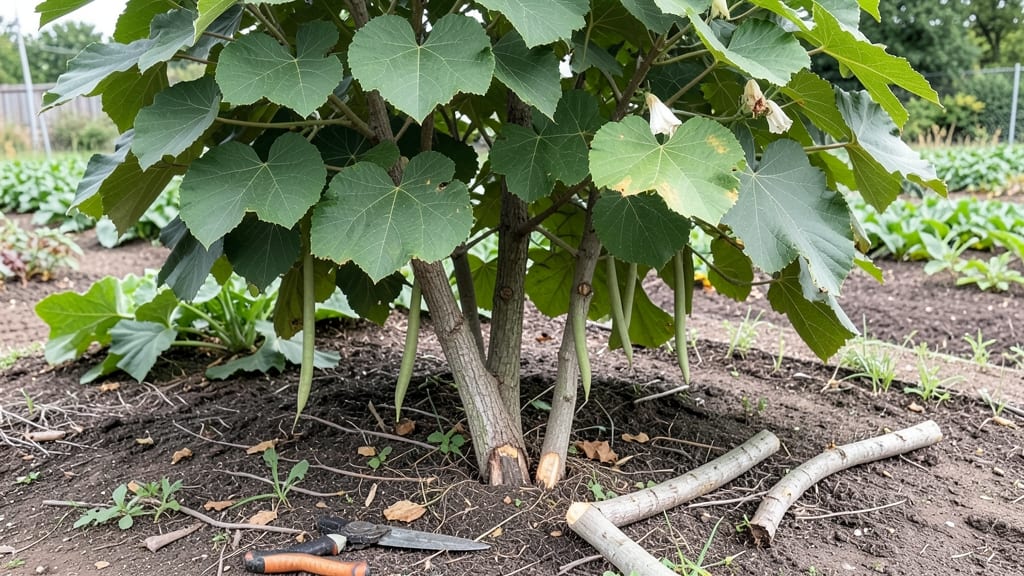
Pruning catalpa trees isn't just about shaping—it's the key to keeping them healthy and thriving for decades. I've learned that skipping this step leads to weak branches, crowded canopies, and even disease risks.
The right cuts at the right time transform these fast-growing trees from messy giants into sturdy, picturesque features of any landscape.
You'll need just a few tools: sharp pruning shears for small branches, loppers for thicker limbs, and a pruning saw for anything over 2 inches in diameter. Safety first—wear gloves and eye protection, since catalpas can be aggressive when cut.
The best time to prune is late winter or early spring, before new growth begins, when the tree is still dormant but pests aren't active.
Start by removing any dead, diseased, or crossing branches—these are the easiest cuts and make the biggest difference. Next, thin out the canopy by cutting back about one-third of the smallest branches to improve airflow.
This single step reduces pest pressure and prevents fungal issues. Every cut should be clean and made just outside a bud or branch collar to promote fast healing.
After pruning, your catalpa will reward you with stronger structure, better bloom production, and a more open shape that lets sunlight reach the lower branches. It takes about 15-20 minutes per tree for a thorough job, and the results last through the growing season.
For large trees, consider breaking the work into stages over a few years to avoid stressing the plant.
📚 In This Guide
- What you need
- Instructions
- Tips and common mistakes
- Wrapping up and next steps
What you need
- ● Bypass pruners – Sharp, high-quality pruners (e.g., Felco F-2 or Gonicc) for cuts up to ¾ inch in diameter.
- ● Lopping shears – For branches 1–3 inches thick (e.g., Fiskars X27 or Corona tools).
- ● Pruning saw – A curved-tooth saw (like the Fiskars X7) for thick branches (3+ inches).
- ○ Extension pole saw – A 6–12 ft. pole with a saw attachment for high branches (optional but handy!).
- ● Work gloves – Heavy-duty, cut-resistant gloves (e.g., Wolverine or Southwick) to protect your hands.
- ● Safety goggles – ANSI-rated goggles to shield eyes from debris.
- ● Ladder or lift – A sturdy, extension ladder (rated for your height + 3 ft. safety margin) or an aluminum lift for tall trees.
- ● Disposable pruning bags – 3–5 large bags (10–20 gallon capacity) to collect debris.
- ● Rubbing alcohol (70%+) – A small bottle to disinfect pruners between cuts (prevents disease spread).
- ○ Tree wound dressing (optional) – Pruning sealant (e.g., Tanglefoot Tree Wound Pruning Seal) for large cuts (controversial but some gardeners swear by it!).
- ● Weather check – Prune on a dry, calm day (avoid wind or rain).
- ● Tree assessment – Identify dead, diseased, or crossing branches before you start.
- ● First aid kit – Just in case (bandages, antiseptic wipes).
- ● Water & snacks – Hydration breaks keep you sharp!
- ● ✨ Sharpen your tools! Dull blades tear bark—always hone pruners/saws before use.
- ● 🌡️ Time it right: Late winter/early spring (before buds swell) is ideal for catalpas.
- ● 🎯 Mark your cuts: Use chalk or tape to outline branch collars before cutting.
Step-by-step instructions for pruning catalpa trees
Here's the method I rely on to keep catalpas vigorous and disease-free while encouraging strong flowering.
Assess the Tree and Gather Tools
Start by examining the catalpa for dead, diseased, or crossing branches. Look for brown, brittle limbs or suckers at the base—these need removal first. I always prune in late winter or early spring, just before new growth begins, to avoid stressing the tree during its active season.
Gather your tools: sharp bypass pruners for small branches, loppers for 2- to 4-inch stems, and a pruning saw for anything thicker. Disinfect tools with rubbing alcohol between cuts to prevent spreading disease. Wear gloves—catalpa bark can irritate skin, and sap may stain clothing.
Remove Dead, Diseased, and Weak Wood
Begin with deadwood removal: Cut back to the nearest healthy branch collar or lateral bud. The cut should be clean and angled slightly outward to allow water to run off. If a branch is diseased (look for black streaks or oozing sap), cut back 6-12 inches beyond the affected area to ensure you’ve removed all infected tissue.
Next, address weak or crossing branches. Remove any that rub against each other or grow inward—they’ll create wounds and compete for energy. If two branches cross, remove the smaller one at its base. Never leave stubs; always cut back to a lateral bud or branch collar to promote proper healing.
Thin the Canopy for Airflow and Light
Catalpas can get leggy, so I focus on selective thinning to improve airflow and sunlight penetration. Start at the outer branches and work inward, removing up to 25% of the canopy in one session. Look for branches that grow straight up or downward—they’re often weak and should be pruned out.
Make your cuts just outside the branch collar (the swollen area where the branch meets the trunk). Avoid cutting flush with the trunk, as this creates a larger wound that takes longer to heal. Step back occasionally to visualize the tree’s shape—aim for an open, vase-like form that allows light to reach the lower branches.
Shape for Structure and Flowering
Catalpas flower on new wood, so pruning too aggressively can reduce blooms. Focus on light structural shaping rather than heavy cuts. Remove any water sprouts (fast-growing vertical shoots) at their base—they drain energy from the tree. If a branch is too long, shorten it by cutting back to a lateral bud that faces where you want growth to continue.
For mature trees, avoid topping (cutting the main trunk)—this stimulates weak, sucker growth and weakens the tree. Instead, prune to balance the canopy, ensuring no single branch dominates. After shaping, step back and check for even light distribution—this is your cue that the tree will grow healthily.
Clean Up and Monitor Recovery
Rake up all debris and dispose of it in a sealed bag—this prevents fungal spores from lingering near the tree. If you have large branches, chip them into mulch for your garden (catalpa wood is soft and decomposes quickly). Water the base of the tree deeply after pruning to help it recover, especially if you’ve made significant cuts.
Monitor the tree over the next 4-6 weeks for new growth at the cut sites. Healthy catalpas will sprout green buds within 2-3 weeks of pruning. If you notice yellowing leaves or oozing sap at the cuts, the tree may be stressed—reduce pruning in future sessions to 10% or less of the canopy.
Tips & tricks for pruning catalpa trees
These strategic insights will help you prune catalpas like a seasoned arborist, ensuring your tree stays vigorous and blooms abundantly.
Timing is Everything: The late winter to early spring window is critical because it allows the tree to heal before its active growing season begins. Pruning too early can expose the tree to winter damage, while waiting too long may stress it during its peak metabolic activity. If you miss this window, avoid pruning during the tree's dormant period in late fall, as cold temperatures can slow healing.
Tool Precision Matters: Using the correct tool for each branch size makes all the difference. For branches up to 4 inches thick, loppers provide the necessary leverage without damaging the branch collar. When cutting diseased wood, disinfect your tools between cuts to prevent spreading pathogens. I've seen many gardeners struggle with stubborn branches—always make clean cuts at a 45-degree angle just outside the branch collar to promote proper healing.
Canopy Thinning Strategy: When thinning the canopy in Step 3, focus on removing branches that grow straight up or downward, as these often become weak and compete with stronger lateral branches. The goal is to create an open, vase-like shape that allows sunlight to penetrate to the lower branches. Remember, removing up to 25% of the canopy in one session is safe, but don't exceed this limit to avoid stressing the tree.
Monitoring Recovery: After pruning, keep an eye on the tree for the next 4-6 weeks. Healthy catalpas will show new green buds within 2-3 weeks at the cut sites. If you notice yellowing leaves or oozing sap at the cuts, this indicates stress. In future pruning sessions, reduce the amount of canopy you remove to 10% or less to allow the tree to recover fully.
Pro Tips for Prune Catalpa Tree
- These strategic insights will help you prune catalpas like a seasoned arborist, ensuring your tree stays vigorous and blooms abundantly.
- Timing is Everything: The late winter to early spring window is critical because it allows the tree to heal before its active growing season begins.
- Tool Precision Matters: Using the correct tool for each branch size makes all the difference.
Frequently asked questions
Got questions about pruning your catalpa tree? You’re not alone! Here are some of the most common concerns—and their straightforward answers—to help you tackle the job with confidence.
When is the best time to prune a catalpa tree?
The ideal time to prune catalpa trees is late winter or early spring, just before new growth begins (typically February–March in most U.S. zones). This timing minimizes stress on the tree and reduces the risk of disease. Avoid pruning in fall, as late cuts can stimulate tender growth that may not survive winter.
How much can I safely remove from a catalpa tree?
For healthy catalpa trees, aim to remove no more than 25% of the canopy in a single year. Over-pruning can weaken the tree, making it vulnerable to pests or disease. Focus on dead, diseased, or crossing branches first, then thin out excess growth to improve airflow and sunlight penetration.
What should I do if my catalpa tree bleeds sap after pruning?
Sap bleeding (or "weeping") is common in catalpa trees after pruning, especially in early spring. While it may look alarming, it’s usually harmless—just a natural response to fresh cuts. To minimize it, prune on cooler days and avoid heavy cuts during warm weather. The tree will recover as new growth begins.
Can I prune catalpa trees in summer?
Yes, but only for safety or urgent reasons, like removing dead branches or hazardous limbs. Summer pruning can stress the tree and encourage suckering (excessive new growth). If you must prune in summer, do so early in the morning or on cloudy days to reduce heat stress. Always sterilize your tools to prevent disease.
Are there alternatives to traditional pruning for catalpa trees?
While traditional pruning is best for catalpa trees, you can shape young trees with selective thinning or crown raising to improve clearance. For mature trees, consider drop crotch pruning to remove large limbs safely. However, avoid topping or heading cuts—these can lead to weak, stubby growth and invite pests. When in doubt, consult a certified arborist!
Wrapping up and next steps
Pruning your catalpa tree isn’t just about keeping it tidy—it’s a game-changer for its health, beauty, and longevity! 🌿 By following the right techniques (like timing, tool prep, and strategic cuts), you’ll encourage vibrant blooms, strong structure, and fewer pests.
Remember, patience and precision pay off—your tree will thank you with lush foliage and stunning summer flowers.
Ready to roll up your sleeves? Grab your tools, mark your calendar for late winter or early spring, and start pruning with confidence. Your catalpa’s future growth—and your curb appeal—will thrive because of it!