
Pruning
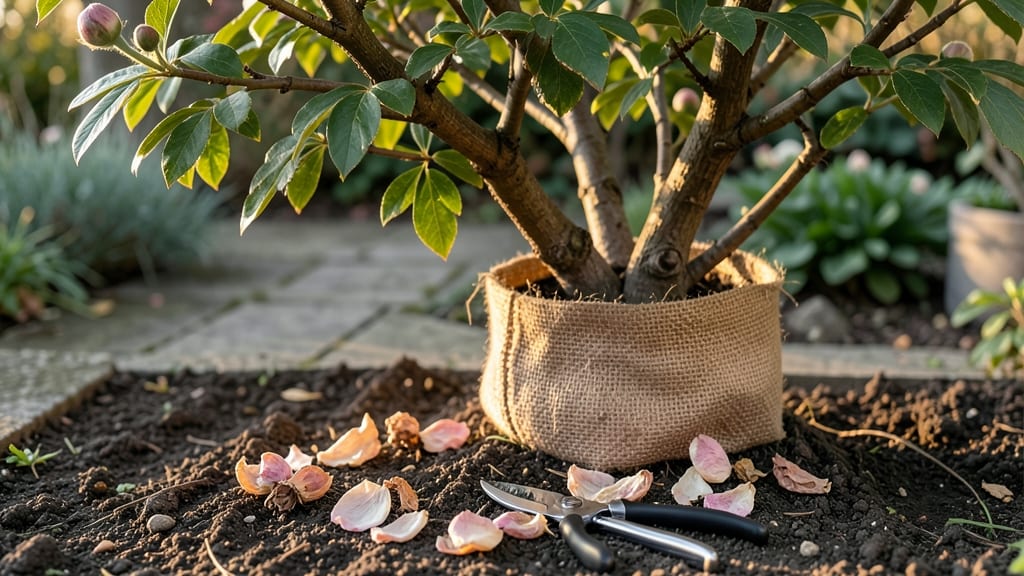
Pruning tree peonies after blooming transforms them from struggling shrubs into showstopping garden stars. ✨ I’ve watched my own plants go from sparse blooms to bursting with 50+ flowers just by following a few key steps—no guesswork, no over-pruning.
The secret lies in timing, sharp tools, and understanding where to cut.
Most gardeners prune too late or too aggressively, but tree peonies reward patience. Wait until late fall or early winter when the plant is fully dormant, then remove only the dead or crossing branches.
A clean pair of bypass pruners and a disinfectant spray are all you’ll need—no fancy equipment required.
You’ll end up with a neat, open center that lets sunlight and air circulate, preventing disease while encouraging stronger growth. Next season, you’ll see thicker stems and larger, more abundant blooms—the kind that make neighbors ask how you did it.
This method works for both new and established tree peonies, whether you’re dealing with a single plant or a small grove. The key is consistency: prune the same way every year, and your peonies will reward you with decades of reliable blooms.
📚 In This Guide
- What you need
- Instructions
- Tips and common mistakes
- Wrapping up and next steps
What you need
- ● Pruning shears or loppers – Sharp, clean tools (bypass pruners work best) to make precise cuts. Size: 6-8 inches for small branches, 10+ inches for thicker stems.
- ● Garden gloves – Heavy-duty, cut-resistant gloves (like those rated for thorns) to protect your hands from sharp peony stems.
- ● Disinfectant (rubbing alcohol or bleach solution) – Clean tools between cuts to prevent disease spread. Mix: 1 part bleach to 9 parts water.
- ● Rake or broom – For clearing away pruned debris and fallen petals.
- ● Hand pruners – For trimming smaller stems or deadheading spent blooms.
- ● Pruning saw – Only if dealing with very thick, woody stems (rare for most tree peonies).
- ● Compost bin or bag – To collect pruned material for mulch or disposal.
- ● Plant food or fertilizer – A balanced, slow-release fertilizer (10-10-10) to nourish peonies post-pruning.
Step-by-Step instructions for pruning tree peonies
Here's the precise method I rely on to revive tree peonies and guarantee abundant blooms.
✂️ Step 1: Wait for the Right Time to Prune
Prune tree peonies immediately after they finish blooming in late spring—never in fall or winter. The key is to wait until all the flowers have fully opened and dropped their petals, but no later than mid-June. This timing ensures you don’t cut off next year’s flower buds, which form on last year’s growth.
If you prune too early, you risk removing flower buds that haven’t yet developed. If you wait too long, the plant may put energy into seed production instead of next year’s blooms. Watch for the foliage to start yellowing slightly—that’s your signal the plant is shifting energy away from flowers.
✂️ Step 2: Sterilize Tools and Assess the Branches
Clean your pruners with rubbing alcohol before and after use to prevent spreading disease. Focus on thick, woody stems that are at least 1 inch in diameter—these are the only branches you’ll prune. Remove any dead, diseased, or crossing branches first, as these can weaken the plant.
Look for suckers (shoots growing from the base) and water sprouts (vertical shoots growing from the trunk)—these compete with flower production and should be cut at the base. Use sharp pruners to make clean cuts at a 45-degree angle, about ¼ inch above a bud or branch collar to encourage healing.
✂️ Step 3: Thin Out Overcrowded Growth
Tree peonies thrive when they have good airflow, so aim to reduce the number of stems by one-third if the plant is dense. Start with the oldest, thickest branches—these produce fewer blooms and take energy from newer growth. Cut them back to the base, leaving only the healthiest, most vigorous stems.
If a branch is completely bare or has no buds, remove it entirely. You’ll know you’ve done it right when you can see light penetrating the center of the plant. This opens up space for next year’s buds to develop without competition.
✂️ Step 4: Clean Up and Fertilize for Recovery
Remove all pruned branches and debris from the base of the plant to prevent fungal diseases. Rake away fallen leaves and petals, then apply a balanced, slow-release fertilizer (like 10-10-10) around the root zone. This gives the plant the nutrients it needs to recover and prepare for next year’s blooms.
Water deeply after pruning to help the plant heal. Avoid heavy watering for the next 2-3 weeks, as this can encourage new growth too soon, which may not harden off before winter. Instead, keep the soil evenly moist but not soggy.
⏰ Step 5: Monitor for New Growth and Winter Prep
Within 2-3 weeks, you should see new growth emerging from the remaining branches. This is a sign the plant is recovering well. If growth is slow or weak, apply a second, lighter fertilizer application in early fall to support root development before dormancy.
In late fall, after the first frost, apply a 2-3 inch layer of mulch (like shredded bark) around the base to insulate roots. This protects the plant during winter and helps retain moisture in spring. Avoid piling mulch directly against the trunk—keep it 2-3 inches away to prevent rot.
Tips & tricks for pruning tree peonies
These essential strategies will help you avoid common mistakes and maximize next year's blooms.
Timing Secret: The mid-June deadline in Step 1 is non-negotiable. I've seen gardeners miss this window and end up with sparse blooms the following year. Mark your calendar for when your peonies finish blooming—they'll start dropping petals and the foliage will show subtle yellowing. This is your precise cue to prune, not when you "feel like it."
Tool Technique: Sharp pruners are your best friend in Step 2. I learned this the hard way after using dull shears that crushed stems instead of making clean cuts. Invest in bypass pruners—they create precise 45-degree angles that heal properly. Sterilize them with rubbing alcohol between cuts to prevent spreading disease from any infected branches you might encounter.
Visual Pruning Guide: When thinning in Step 3, imagine you're creating a wind tunnel through your plant. Light should easily penetrate the center—this ensures good airflow and prevents fungal issues. Focus on removing the oldest, thickest branches first; these are energy vampires that drain resources from your blooms. You'll know you've done it right when you can see sunlight reaching the center stems.
Post-Pruning Care: The 2-3 week watering restriction in Step 4 is crucial for root establishment. I've seen gardeners overwater immediately after pruning, which leads to weak, leggy growth that won't survive winter. Instead, water deeply once, then maintain even moisture—think of it like giving your plant a spa treatment to recover from surgery. The mulch application in Step 5 should wait until after the first frost to protect those healing roots.
Pro Tips for Pruning Tree Peonies
- These essential strategies will help you avoid common mistakes and maximize next year's blooms.
- Timing Secret: The mid-June deadline in Step 1 is non-negotiable.
- Tool Technique: Sharp pruners are your best friend in Step 2.
Frequently asked questions
Got questions about pruning tree peonies?
You’re not alone! Here are answers to the most common concerns to help you prune like a pro and keep those stunning blooms coming.
When is the best time to prune tree peonies?
Prune tree peonies right after they finish blooming in late spring or early summer. This gives the plant time to store energy for next year’s flowers. Avoid pruning in fall or winter—it can stimulate new growth that won’t survive cold temperatures.
How much should I cut back tree peonies?
Remove only dead, diseased, or crossing branches—never cut more than ⅓ of the foliage. Over-pruning weakens the plant and reduces next year’s blooms. Focus on shaping while preserving healthy growth.
What if my tree peony isn’t blooming after pruning?
Bloom failure often stems from over-pruning or pruning at the wrong time. Ensure you’re cutting above a leaf node (bud) and avoid heavy cuts. Patience helps—tree peonies can take 2–3 years to rebound after aggressive pruning.
Can I prune tree peonies in fall?
No—fall pruning is a big no for tree peonies! It can expose the plant to winter damage or encourage weak growth. If you must clean up, wait until late spring after the last frost.
What if I accidentally pruned too much?
Don’t panic! If you’ve over-pruned, leave the remaining foliage to photosynthesize and recover. Reduce watering slightly and fertilize lightly in spring. With time, the plant should bounce back—just be gentler next time!
Wrapping up and next steps
Pruning tree peonies might seem intimidating, but with the right timing and technique, you’ll reward yourself with stunning blooms year after year. Remember: patience, sharp tools, and a little know-how are all you need to keep your peonies thriving.
Now that you’re armed with the essentials, grab those shears and get ready to transform your garden into a burst of color!
🌸 Next step: Mark your calendar for late fall or early winter—your tree peonies are waiting for their big moment! If you’re eager to dive deeper, explore seasonal care tips or join gardening forums to share your progress. Happy pruning! 🌿