Pruning
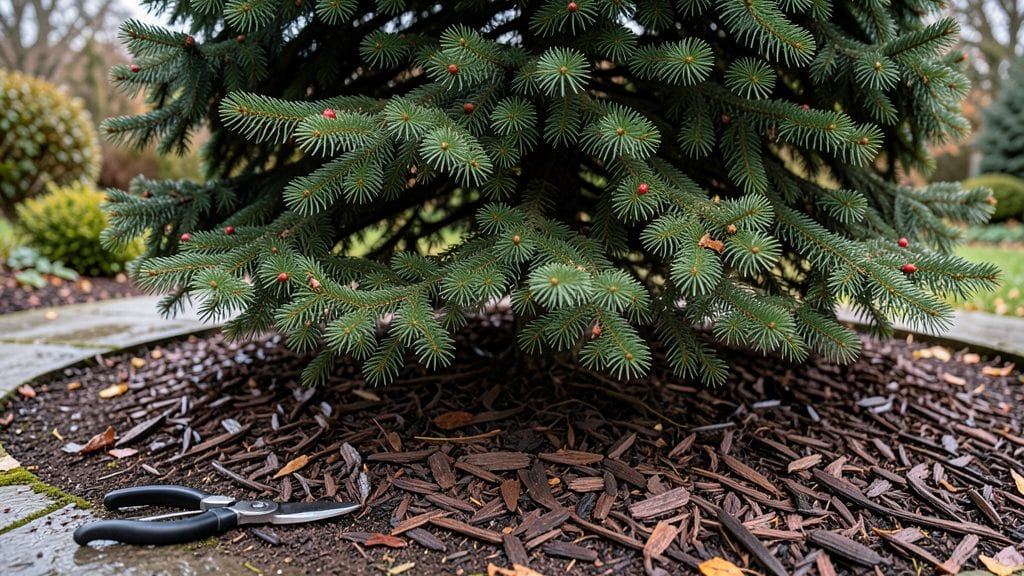
Pruning yew trees keeps them lush and healthy year after year—if you time it right. ✂️ I’ve learned the hard way that cutting at the wrong season can stress these tough evergreens, so I now follow a simple rule: late winter or early spring before new growth starts.
That’s when yews bounce back fastest, and you’ll see dense, vibrant foliage by summer.
The tools you need are basic but sharp: clean pruning shears for small branches and a pruning saw for thicker stems. Yews tolerate pruning well, so you can shape them into formal hedges or let them grow naturally.
The key is removing no more than one-third of the foliage at once—any more risks weakening the tree. Start with dead or crossing branches, then thin out the interior to improve airflow.
By summer, your yews will reward you with glossy, dark green needles and a compact shape. If you prune too late in the season, though, you risk encouraging tender new growth that won’t survive winter.
And avoid heavy cuts in autumn—yews need time to heal before the cold sets in. The result? A tree that stays vibrant, pest-resistant, and full of life for decades.
Whether you’re shaping a hedge or letting your yew grow wild, the same principles apply. Just remember: patience and precision pay off. Your yews will thank you with thick, healthy growth that lasts all year. Ready to sharpen those shears?
📚 In This Guide
- What you need
- Instructions
- Tips and common mistakes
- Wrapping up and next steps
What you need
- ● Pruning shears (bypass or anvil): Choose bypass shears (sharp, clean cuts) for live branches. Opt for 5- to 8-inch blades for precision.
- ● Loppers: For thicker branches (up to 1.5 inches in diameter), select bypass loppers with 10-12 inch handles for leverage.
- ● Pruning saw: For branches over 1.5 inches thick, use a curved-tooth pruning saw with a 7- to 10-inch blade.
- ○ Extension pole saw (optional but helpful): Extends reach for high branches—look for a 20- to 30-foot pole with a sharp, curved blade.
- ● Gloves: Wear cut-resistant gloves (e.g., ANSI-rated) to protect against thorns and rough bark.
- ● Safety glasses: Protect your eyes from debris with impact-resistant lenses.
- ● Ladder or lift (if needed): Ensure it’s stable, rated for your weight, and placed on level ground.
- ● Disinfectant (70% isopropyl alcohol or pruning sealant): Wipe tools between cuts to prevent disease spread.
- ● Tarp or drop cloth: Lay beneath the tree to collect debris and protect landscaping.
- ● Rubbing alcohol wipes: Quick clean-up for tools during pruning sessions.
- ● String or measuring tape: Helps mark cuts for symmetry or height control.
- ● First aid kit: Just in case—yew thorns can be sneaky!
- ● Weather check: Prune on a dry, calm day—avoid wind or rain to prevent injury or disease.
- ● Tree assessment: Identify dead, diseased, or crossing branches before starting.
- ● Local regulations: Some areas restrict pruning near power lines—check before climbing!
Step-by-Step instructions for pruning yew trees
Here's how to keep your yews looking sharp all year without stressing the plant.
✂️ Step 1: Gather the Right Tools
Start with clean, sharp tools—dull blades tear instead of cut, which invites disease. I always use bypass pruners for small branches and a pruning saw for anything thicker than ½ inch. A sterilizing solution (1 part bleach to 9 parts water) keeps your tools sanitized between cuts.
Wear gloves—yew needles can be sharp, and the sap sometimes irritates skin. A ladder (if needed) and a bucket for clippings round out your essentials. Don’t skip the ladder; reaching awkwardly leads to uneven cuts and tired arms.
✂️ Step 2: Prune for Shape and Structure
Yews grow naturally dense, so focus on thinning out rather than shearing. Remove dead, diseased, or crossing branches first—these compete for energy and weaken the tree. Cut back to the main stem or outward-growing branch to encourage healthy growth.
For shaping, trim no more than ¼ of the tree’s foliage in one season. I like to start at the bottom and work upward, so new growth fills in gaps. Watch for bare spots—these signal over-pruning. If you see them, slow down and let the tree recover.
✂️ Step 3: Time Your Cuts for Best Results
Late winter or early spring (just before new growth) is ideal for yews. Avoid heavy pruning in fall—it stresses the tree before winter dormancy. If you must shape in summer, do it gradually over a few weeks to avoid shock.
Make cuts just above a leaf joint or bud, at a 45-degree angle. This keeps water from pooling on the wound. If a branch is too thick, cut in three stages: first undercut, then top-cut, and finally remove the stub. This prevents tearing.
🌿 Step 4: Maintain Year-Round with Light Trims
Yews grow slowly, so light maintenance between major prunes keeps them tidy. Snip off stray shoots or misplaced branches as they appear. A quick check every 3-4 months prevents overgrowth.
Fertilize lightly after pruning (if needed) with a balanced, slow-release formula. Over-fertilizing after heavy cuts can burn roots. Water deeply afterward—yews hate drought stress, especially after pruning.
⏰ Step 5: Clean Up and Monitor
Dispose of clippings immediately—yew branches can harbor pests or diseases. Rake up fallen needles and sterilize tools again before storing. Keep an eye on the tree for new growth in 4-6 weeks—this tells you it’s recovering well.
If you see yellowing needles or stunted growth, you’ve pruned too aggressively. Next time, trim only the tips and let the tree tell you what it needs. Patience is key—yews reward careful pruning with decades of lush, evergreen beauty.
Tips & tricks for pruning yew trees
A few simple tricks will help you keep your yews healthy and beautiful without overdoing it.
Tool Sharpness is Non-Negotiable: In Step 1, when you're gathering tools, take an extra 5 minutes to hone your bypass pruners. A sharp blade makes clean cuts that heal faster and look better. I test sharpness by making a clean cut through a piece of paper—if it tears, your blade needs attention. Dull tools crush rather than cut, which damages the tree's bark and invites disease.
The 25% Rule for Shaping: Remember the instructions about trimming no more than ¼ of the tree's foliage in one season? This isn't arbitrary—it's based on how much a yew can handle without stress. If you're unsure, take photos before pruning so you can visually compare. You'll notice the difference between a healthy trim and over-pruning when you see the before-and-after.
Three-Stage Cuts Save the Day: When dealing with thick branches in Step 3, that three-stage cutting method isn't just recommended—it's essential. The first undercut prevents tearing, the top-cut controls the fall, and removing the stub gives you a clean finish. I've seen too many pruning jobs ruined by trying to cut thick branches in one go. Take your time with this step, and your yew will thank you with new growth.
Seasonal Timing Matters More Than You Think: The instructions mention late winter or early spring as ideal, but here's the thing: timing affects everything. Fall pruning stresses yews because they're preparing for dormancy. Summer pruning should be gradual to avoid shock. I've seen yews recover beautifully from winter pruning, but summer pruning done all at once can leave them looking sad for months. Spread out any summer work over several weeks.
Pro Tips for Pruning Yew Trees
- A few simple tricks will help you keep your yews healthy and beautiful without overdoing it.
- Tool Sharpness is Non-Negotiable: In Step 1, when you're gathering tools, take an extra 5 minutes to hone your bypass pruners.
- The 25% Rule for Shaping: Remember the instructions about trimming no more than ¼ of the tree's foliage in one season?
Frequently asked questions
When is the best time to prune yew trees?
The ideal time to prune yew trees is late winter or early spring, just before new growth begins. This timing minimizes stress on the tree and promotes healthy regrowth. Avoid heavy pruning in late summer or fall, as it can leave the tree vulnerable to winter dieback.
Can I prune yew trees at any time of year?
While yews are resilient, light pruning (like removing dead or damaged branches) can be done year-round. However, avoid heavy pruning in late summer or fall, as it may expose the tree to frost damage or fungal infections. If you must prune outside the ideal window, do so sparingly and keep tools sterilized.
What if my yew tree is overgrown? Can I cut it back drastically?
Yews tolerate some hard pruning, but avoid cutting back more than one-third of the foliage at once. If your tree is severely overgrown, prune gradually over 2-3 years to prevent shock. Focus on thinning out dense areas rather than shearing uniformly—this encourages better airflow and reduces disease risk.
How do I know if my yew tree is dying after pruning?
Watch for yellowing needles, brown patches, or excessive leaf drop. If these signs appear, your pruning may have been too aggressive. Improve care by watering deeply, mulching, and avoiding further cuts until new growth appears. If issues persist, consult a local arborist to assess root or pest problems.
Are there alternatives to traditional pruning for shaping yew trees?
Yes! Try topiary for artistic shapes or pollarding (cutting back to a stub) to encourage dense regrowth. For formal hedges, use hand shears for precision. Just remember: yews respond best to structured cuts rather than wild, uneven trims—consistency is key for long-term health.
Wrapping up and next steps
Pruning your yew trees doesn’t have to be a daunting task—it’s all about timing, technique, and a little patience. 🌿 With the right tools, knowledge, and seasonal approach, you’ll keep your evergreens lush, healthy, and thriving year-round.
Now that you’re equipped with the know-how, roll up your sleeves and give those branches the sharp cut they deserve!
Ready to tackle your next pruning project? Start small—pick a section of your yew tree and practice your cuts before expanding. And if you’re still unsure, consider consulting a local arborist for a second opinion. Happy pruning!