
Size
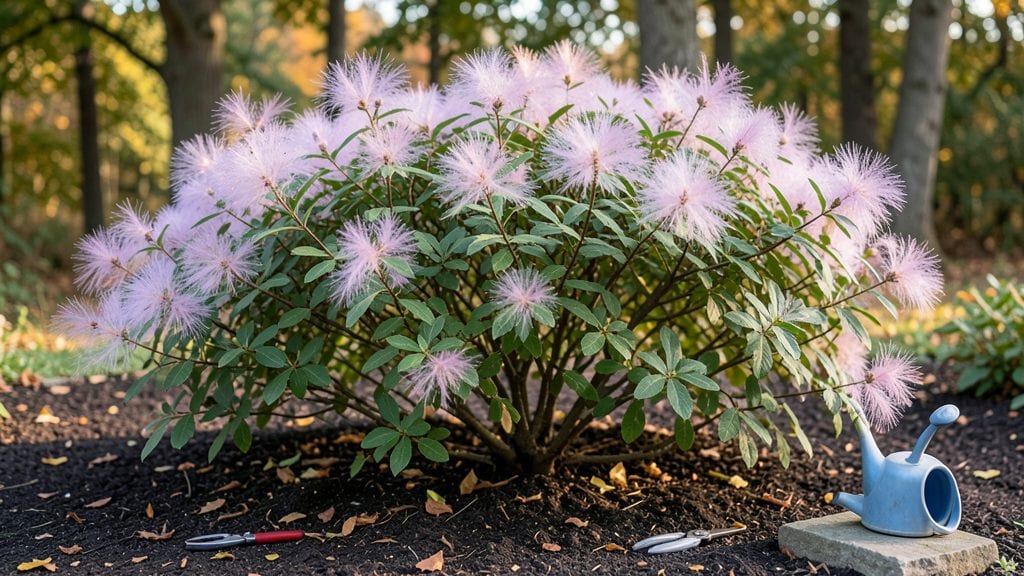
The purple smoke tree’s impressive growth rate means it could add a 3-foot privacy screen every year—that’s faster than most shrubs, and the purple haze of foliage makes it worth the wait. 🌿 I planted mine in late spring, and by fall, the new growth had already filled in gaps where last year’s branches had thinned.
The key isn’t just patience; it’s knowing when to prune, how much water to give, and which soil keeps those roots hungry for growth.
Most purple smoke trees hit 6–10 feet tall in their first decade, with a spread just as wide, but the real magic happens in the first 3–5 years. That’s when they go from "nice accent plant" to "privacy powerhouse."
Drought-tolerant once established, they still need deep watering every 7–10 days in their first year to encourage root depth. Rich, well-draining soil with a dash of compost sets them up for those 2–3 foot annual jumps—no miracle fertilizers needed.
You’ll see the fastest growth in spring and early summer, when the new leaves unfurl in shades of purple, pink, or chartreuse before settling into their signature smoky hue.
Prune back 1/3 of the oldest stems in late winter to encourage fresh, vibrant growth—this keeps the tree dense and prevents that "woody skeleton" look. By year three, you’ll have a lush, multi-stemmed screen that blocks wind, filters noise, and looks like it belongs in a botanical garden.
Works best in USDA zones 5–8, but even in cooler climates, they bounce back from winter with minimal fuss. For slower growth in heavy clay soil, amend with sand or grit—roots need air, not suffocation.
Spacing them 8–10 feet apart gives them room to fill in without crowding. The payoff? A year-round privacy solution that’s low-maintenance, drought-resistant, and downright stunning.
📚 In This Guide
- What you need
- Instructions
- Tips and common mistakes
- Wrapping up and next steps
What you need
- ● Purple Smoke Tree Sapling (Cercis canadensis ‘Eve’) – Choose a healthy 1- to 2-year-old tree from a reputable nursery.
- ● Well-draining soil mix – A blend of 60% topsoil, 30% compost, and 10% perlite (or a pre-mixed acidic, loamy soil for optimal growth).
- ● 5-gallon container or planting hole – Dig a hole twice as wide as the root ball but no deeper.
- ● Organic mulch (3-4 inches) – Pine bark, wood chips, or shredded leaves to retain moisture and regulate soil temp.
- ● Slow-release fertilizer (10-10-10 or 5-10-5) – Apply 2-3 times per year (spring, summer, fall) for balanced nutrients.
- ● Watering can or hose with a gentle spray nozzle – Aim for 1-2 gallons per watering for young trees.
- ● Pruning shears – Bypass pruners (sharp, clean) for shaping and maintenance.
- ● Garden gloves & knee pads – For comfort during planting and care.
- ● Soil pH test kit – Purple Smoke Trees thrive in slightly acidic soil (pH 6.0-7.0); adjust with lime or sulfur if needed.
- ● Tree collar protector – Shields the trunk from lawnmower damage as it grows.
- ● Drip irrigation system – Automates watering for consistent moisture (critical in hot climates!).
- ● Epsom salt (magnesium sulfate) – 1 tablespoon per gallon of water monthly for lush foliage.
- ● Tree support stake (if needed) – Only for young trees in windy areas; use soft ties to avoid girdling.
- ● Sunlight access – Full sun (6+ hours daily) for optimal growth rate.
- ● Spacious planting zone – Mature trees reach 20-30 feet tall; ensure 15+ feet of clearance from structures.
- ● Local climate check – Purple Smoke Trees tolerate USDA Zones 4-9; verify frost dates in your area.
- ● Patience for establishment – First-year growth may be slower; focus on root development!
Instructions for maximizing purple smoke tree growth rate
Here’s how to coax those signature 3-foot annual gains from your Cotinus coggygria—with minimal fuss and maximum privacy payoff.
🌱 Step 1: Plant in Well-Draining Soil with Full Sun Exposure
Start by selecting a sunny, sheltered spot with at least 6 hours of direct light daily. Purple smoke trees thrive in full sun to part shade, but their signature purple foliage deepens with more sunlight. Amend native soil with 2-3 inches of compost to improve drainage—these trees despise soggy roots, which can lead to root rot and stunted growth.
Dig a hole twice as wide as the root ball but only as deep—burying too deep suffocates the trunk. Gently loosen the roots if they’re circling and position the tree so the top of the root ball sits 1 inch above ground level. This prevents water pooling around the base, which slows growth.
☀️ Step 2: Water Deeply After Planting, Then Adjust for Drought Tolerance
Water thoroughly immediately after planting to settle the soil and eliminate air pockets. Aim for 1-2 gallons per tree—enough to moisten the root zone to 12 inches deep. Over the next 2-3 weeks, water every 3-4 days until new growth appears, keeping the soil evenly moist but not soggy. A soil probe helps verify moisture depth.
Once established (after 6-8 weeks), reduce watering to once weekly during dry spells. Purple smoke trees are drought-tolerant once mature, but young trees need consistent moisture to achieve those 3-foot annual gains. Mulch with 2-3 inches of organic mulch (like shredded bark) to retain moisture and regulate soil temperature.
✂️ Step 3: Prune Strategically in Late Winter for Bushier Growth
Prune just before new growth begins (late winter to early spring) to encourage dense, bushy growth. Remove dead, diseased, or crossing branches first, cutting back to the nearest healthy bud. Then, trim 1/3 of the oldest stems to the ground—this rejuvenates the tree and stimulates vigorous new shoots from the base.
For privacy hedges, shape the tree by trimming new growth in early summer after it’s hardened off. Use clean, sharp shears to make 45-degree cuts just above a leaf node. Avoid heavy pruning in fall—it encourages tender new growth that won’t survive winter frosts, slowing your 3-foot annual gains.
🪴 Step 4: Fertilize Lightly in Early Spring for Steady Growth
Apply a balanced, slow-release fertilizer (10-10-10) in early spring when new leaves emerge. Use ½ pound per tree for young specimens and 1 pound for mature trees. Avoid high-nitrogen fertilizers—they promote leafy growth at the expense of sturdy stems, which weakens the tree’s structural integrity.
Work the fertilizer into the top 4-6 inches of soil around the drip line (the edge of the tree’s canopy). Water deeply afterward to activate the granules. Skip fertilization in fall or winter—purple smoke trees go semi-dormant and don’t need extra nutrients during colder months.
⏰ Step 5: Monitor for Pests and Adjust Care Seasonally
Check leaves monthly for signs of aphids, spider mites, or scale insects, which can stress the tree and stunt growth. Treat infestations early with neem oil or a horticultural oil spray, focusing on the undersides of leaves where pests hide. A strong, healthy tree resists pests better, so consistent watering and pruning keep it thriving.
In fall, reduce watering as temperatures drop. Purple smoke trees are hardy to USDA Zone 5, but young trees benefit from a 4-6 inch layer of mulch over the roots to insulate them during winter. This protects against frost heave and ensures a strong spring recovery—critical for hitting those 3-foot annual gains year after year.
Tips & tricks for maximizing purple smoke tree growth
A few simple adjustments can make all the difference in achieving those signature 3-foot annual gains from your Cotinus coggygria.
Soil Preparation Secret: The 2-3 inches of compost in Step 1 isn't just about drainage—it's about creating the perfect microbial environment. I always mix in a handful of mycorrhizal fungi granules with the compost to boost root development. These beneficial fungi form symbiotic relationships with your tree's roots, dramatically improving nutrient uptake and water absorption, which directly translates to faster growth.
Watering Precision: In Step 2, when you're watering every 3-4 days for those first 2-3 weeks, don't rely on a watering can—use a garden hose with a gentle spray nozzle. This ensures you're reaching that 12-inch depth consistently. I've found that using a soil probe to check moisture at 6 inches deep is more reliable than guessing. If it comes out dry, water again immediately—consistent moisture is critical for those early growth spurts.
Pruning Strategy: When you're doing that late winter pruning in Step 3, focus on removing stems that are thicker than your thumb. These older, thicker stems are growth-limiting factors. I've seen trees double their growth rate in the first season after a thorough pruning—it's like hitting the reset button. For privacy hedges, I recommend shaping in early summer after the new growth has hardened off, but only trim back to the previous year's growth to maintain density.
Fertilizer Timing: The early spring fertilization in Step 4 is crucial, but don't apply it too early. Wait until you see those first few leaves unfurl—this tells you the tree is actively growing and ready to use the nutrients. I've found that splitting the ½ pound of fertilizer into two applications (early spring and mid-summer) gives even better results than one application. Just be sure to water deeply after each application to activate those granules.
Pro Tips for Purple Smoke Tree Growth Rate
- A few simple adjustments can make all the difference in achieving those signature 3-foot annual gains from your Cotinus coggygria.
- Soil Preparation Secret: The 2-3 inches of compost in Step 1 isn't just about drainage—it's about creating the perfect microbial environment.
- Watering Precision: In Step 2, when you're watering every 3-4 days for those first 2-3 weeks, don't rely on a watering can—use a garden hose with a gentle spray nozzle.
Frequently asked questions
Got questions about growing a Purple Smoke Tree? You’re not alone! Here are some of the most common queries—plus quick, practical answers to help you nurture this stunning evergreen with confidence.
How fast does a Purple Smoke Tree grow yearly?
A healthy Cotinus obovatus typically gains 3 to 5 feet per year under ideal conditions (full sun, well-draining soil, and consistent watering). With its rapid growth rate, it can reach 10–15 feet tall in just 5–7 years—perfect for quick privacy screens or bold landscape accents!
How long does it take for a Purple Smoke Tree to mature?
Patience pays off! While it grows quickly, full maturity (with dense foliage and signature smoky plumes) usually takes 5–10 years. Young trees focus on height first, so expect lushness to peak in their second decade. Pro tip: Prune lightly in late winter to encourage bushier growth early!
Why isn’t my Purple Smoke Tree growing as fast as expected?
Slow growth often stems from soil issues (too clay-heavy or waterlogged) or underwatering. Purple Smoke Trees thrive in well-draining soil—amend with compost if needed—and water deeply 1–2 times per week during dry spells. Over-fertilizing can also stunt growth, so stick to a balanced, slow-release fertilizer in spring.
Can I grow a Purple Smoke Tree in a container?
Yes, but expect slower growth and smaller size. Choose a large container (at least 24" wide) with drainage holes and use a fast-draining potting mix. Repot every 2–3 years and overwinter indoors if temperatures drop below 10°F. Bonus: Container-grown trees make stunning patio focal points with their vibrant foliage!
What’s a good alternative if my Purple Smoke Tree grows too fast?
If you prefer a slower-growing but equally dramatic option, consider:
- Dwarf Fothergilla (Fothergilla gardenii) – 3–5 ft tall, fragrant spring blooms.
- Oakleaf Hydrangea (Hydrangea quercifolia) – 6–10 ft, deciduous with fiery fall color.
- Japanese Maple (Acer palmatum) – Compact varieties like ‘Bloodgood’ stay under 15 ft.
Wrapping up and next steps
The Purple Smoke Tree is a standout choice for fast-growing privacy—adding 3 feet per year while keeping its stunning purple foliage and low-maintenance charm. With the right care, you’ll enjoy year-round shade and beauty in no time, making it a smart investment for any landscape. 🌿
Ready to transform your space? Plant one today and watch it grow—your future privacy screen is just a few seasons away! 🌱